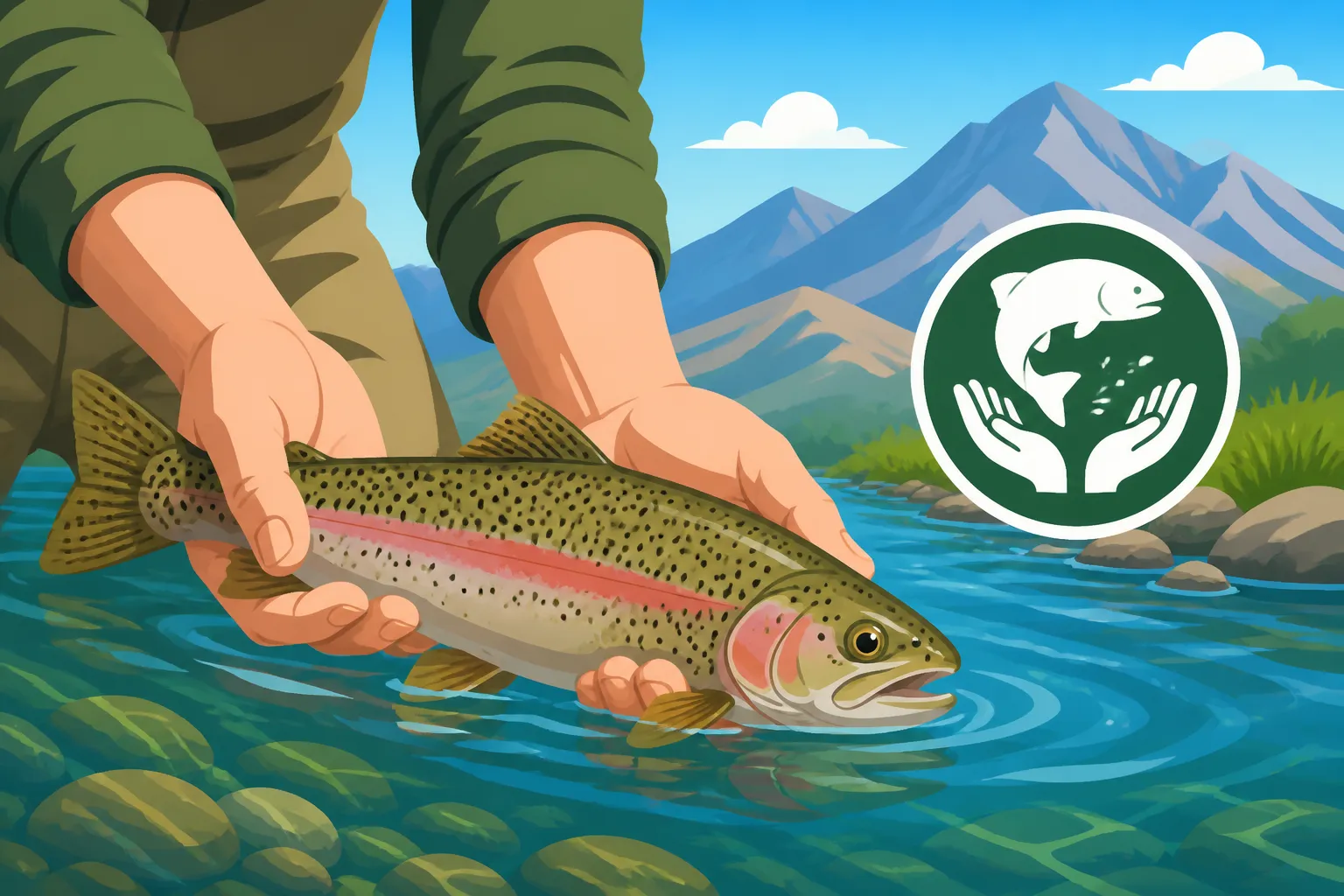
How to properly release a trout without hurting it
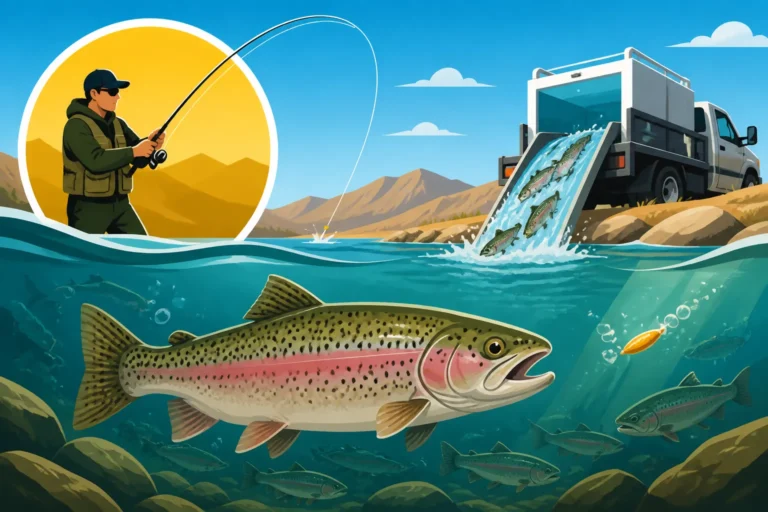
There’s nothing quite like the thrill of feeling a trout hit your line in the pristine waters of Nevada. But often, the real challenge isn't just catching them – it's knowing how to release them safely so they can thrive and fight another day. It can feel heartbreaking when you catch a beautiful fish only to worry you’ve harmed it in the process of taking the hook out. This guide is all about giving you the best practices for a proper catch-and-release, minimizing stress on these magnificent fish.
Understanding Why Proper Release Matters for Nevada Trout
When you're out fishing in Nevada, whether it's on a high mountain lake or one of the urban ponds stocked by NDOW, every fish you release carefully contributes to the health and sustainability of our fisheries. It's more than just a rule; it's an angler's responsibility, ensuring that future generations get to experience the same joy we do today.
Protecting Our Fisheries and Trout Populations
Think about it: many of Nevada's trout populations, especially in smaller streams and high-elevation lakes, rely heavily on successful reproduction to maintain their numbers. Even in regularly stocked waters, every fish that survives post-release is a fish that can grow larger, potentially spawn, and contribute to the overall vibrancy of the ecosystem. Regulations often have specific daily limits and size restrictions, and sometimes even require catch-and-release only, precisely to protect these fish. Knowing Nevada Trout Daily Limit Rules and adhering to them, combined with proper release techniques, is crucial. If a fish is mishandled or injured, its chances of survival decrease dramatically, effectively negating the positive intent of those regulations. We want these beautiful fish to continue to be a cornerstone of Nevada's fishing experience for everyone.
The Angler's Ethical Responsibility
Beyond regulations, there's a deep-seated ethical responsibility that comes with being an angler. We're stewards of these natural resources. Imagine the satisfaction of catching a magnificent Lahontan cutthroat trout at Pyramid Lake or a feisty rainbow in the Truckee River, knowing you’ve given it the best possible chance to recover. It's a testament to your skill and respect for the fish. This mindfulness improves the fishing for everyone, as more fish survive to challenge anglers again, grow to trophy sizes, and contribute to a healthy population. When you understand Why catch and release is required at Pyramid Lake, you truly grasp the importance of your role. It’s about leaving the water better than you found it, ensuring the fish remain a vibrant part of Nevada's natural heritage.
The Step-by-Step Guide to a Gentle Trout Release
Releasing a trout doesn't have to be a frantic, stressful event. With a bit of preparation and a calm approach, you can ensure your catch swims away strong. It all starts from the moment the fish bites.
Minimizing Stress from Hookset to Landing
The moment you feel that tug, the clock starts ticking for a successful release. The goal is to land the fish as quickly and efficiently as possible without completely exhausting it. A prolonged fight can build up lactic acid in the fish's muscles, making it harder for them to recover.
First, use appropriate tackle for the size of fish you're targeting. Light lines and ultralight rods might be fun, but if you're battling a larger trout for ten minutes, that fish is going to be incredibly stressed. For general trout fishing in Nevada, a medium-light spinning setup with 4-6 lb test line is usually a good all-around choice. When you hook a fish, apply steady pressure. Don't horse it in, but don't let it run endlessly either. Try to guide it towards you smoothly.
Once the fish is close, consider using a net. Not just any net, though – a knotless, rubberized landing net is your best friend here. Traditional knotted nylon nets can strip off a trout's protective slime layer, leaving them vulnerable to infection. A rubberized net, easily found on sites like Amazon or your local sporting goods store, cradles the fish, preventing scale loss and damage to its fins and eyes. Many anglers swear by a good rubber net to protect the fish and make handling easier, especially when fishing for species like those discussed in How to Fish for Trout in Nevada.
Handling the Trout with Care
This is perhaps the most critical stage. Your hands are the first point of contact, and how you use them makes all the difference.
- Keep it Wet: The golden rule is to keep the fish in the water as much as possible. Trout need oxygen, and pulling them out of the water, even for a few seconds, can cause serious harm. If you must remove the fish for a quick photo, do it swiftly, support its full body weight, and return it to the water immediately. Don't let it flop around on rocks or dry ground.
- Wet Your Hands: Before you even touch the fish, wet your hands thoroughly. Dry hands will rub off the trout's delicate slime coat, which acts as its primary defense against parasites and infections.
- Support the Fish: Never hold a trout vertically by its jaw or tail. This can cause severe internal damage to its spine and organs. Instead, support the fish horizontally with one hand gently grasping the base of its tail and the other hand underneath its belly, near the pectoral fins. This distributes its weight evenly. For larger fish, especially, this full body support is essential.
- Remove the Hook: With the fish still in the water, or minimally out for a moment, locate the hook. If the fish swallowed the hook deeply or it's difficult to remove, cut the line as close to the hook as possible. Don't try to rip it out. A hook left in can often rust away, causing less damage than a forceful extraction. Barbless hooks are highly recommended for catch-and-release, as they slide out easily with a gentle twist. You can even crimp the barb down on your existing hooks with a pair of pliers – a simple modification that makes a huge difference. This practice is so effective that Nevada Barbless Hook and Bait Rules are increasingly common in sensitive fisheries.
Resuscitating and Releasing the Fish
After hook removal, it's time to help the trout regain its strength and swim away.
- Position for Resuscitation: Hold the fish gently in the water, facing upstream into a mild current if available. If there's no current, gently move the fish back and forth to force water over its gills. This helps to re-oxygenate its blood.
- Observe for Recovery: You'll feel the fish start to revive. It might try to swim away, but don't let it go until it's ready. You want it to swim off under its own power, not drift away listlessly. Keep holding it upright and stable.
- Release: When the fish gives a strong kick and tries to swim out of your hands, let it go. It should be able to swim away confidently. Watch it for a moment to ensure it doesn't just float to the surface. If it seems sluggish, continue the resuscitation process for a little longer. This careful release ensures that the fish has the best chance for survival and recovery.
Essential Gear for Responsible Catch and Release
Having the right tools in your tackle box can significantly improve the survival rate of your released trout. It's not about fancy gadgets; it's about practical items that protect the fish.
Must-Have Tools for Gentle Unhooking
These few items are non-negotiable for anyone serious about catch and release.
- Forceps or Pliers: Long-nosed pliers or hemostats (forceps) are invaluable for reaching hooks that are slightly deeper in the fish's mouth without having to put your hands inside. This minimizes contact with the fish's delicate gills and teeth. Look for stainless steel options that resist rust, especially if you're fishing frequently. You can find excellent, durable options on platforms like Amazon.
- Line Cutters: Small, sharp line cutters or nail clippers are essential for when a hook is too deep to safely remove. A quick snip of the line is far better than tearing at the fish's insides.
- Barbless Hooks: As mentioned, barbless hooks make unhooking incredibly simple. Many anglers replace trebles on lures with single barbless hooks or simply crimp the barb down on their existing hooks. This is a small effort that yields huge benefits for fish welfare. When planning your Nevada fishing trip, consider making this change to your tackle.
The Right Landing Net for Trout
We talked about it briefly, but it's worth emphasizing the specific kind of net.
A knotless, rubberized landing net is a game-changer. The soft rubber mesh won't scrape off the protective slime coat, damage fins, or injure eyes. It also prevents hooks from getting tangled in the mesh, which is a common frustration with traditional nets and can prolong handling time. These nets are designed to be fish-friendly and are a staple for any responsible angler. Companies like Frabill and Ego S2 offer excellent rubber nets that are widely available. When choosing from the array of Best Tackle for Nevada Trout Fishing, don't forget the net!
| Tool | Why It's Essential | Key Feature for C&R | Where to Find (Example) |
|---|---|---|---|
| Forceps/Pliers | Quick, deep hook removal, minimal contact | Long nose, strong grip | Sporting goods stores, Amazon |
| Line Cutters | Fast line snipping for deep hooks | Sharp, easy to use | Tackle shops, outdoor retailers |
| Barbless Hooks | Easy unhooking, less fish damage | No barb, or crimped barb | Tackle shops, self-modification |
| Rubberized Net | Protects slime coat, fins, and eyes | Knotless, soft rubber mesh | Online retailers like Amazon |
Other Useful Gear to Consider
While not strictly "essential" for the release itself, these items contribute to overall fish health and angler efficiency.
- Measuring Board: If you need to measure your fish for regulations like those in Nevada Statewide Bag Limits Explained, a bump board or measuring tape that won't absorb fish slime is ideal. Always wet the board before placing the fish on it.
- Gloves: Some anglers prefer to use specialized fish handling gloves. These are usually non-abrasive and wet easily, providing a better grip and protecting the fish's slime layer. Just make sure they are designed for fish handling and are always wet.
- Fishing Vest/Pack: Having all your essential tools organized and easily accessible in a fishing vest or hip pack means less fumbling around, reducing the time the fish is out of the water.
Common Mistakes to Avoid and Advanced Tips
Even experienced anglers can sometimes make mistakes when releasing fish. Being aware of these pitfalls and adopting advanced techniques can further increase your success rate.
Pitfalls to Steer Clear Of
Understanding what not to do is just as important as knowing what to do. These common errors can quickly turn a catch-and-release into a mortality event.
- Excessive Handling: The less you touch a trout, the better. Every touch removes some of its protective slime, increases stress, and can cause physical damage. Try to keep your hands on the fish only when absolutely necessary for hook removal or resuscitation.
- Taking Too Long for Photos: We all love a good photo of our catch, but prioritize the fish's health. Have your camera ready, take a quick shot (preferably with the fish still in or partially in the water), and get it back to its element immediately. A quick "grip and grin" should be just a few seconds, not a minute-long photoshoot. If you are catching fish from a boat, consider a quick shot from a boat-mounted camera or a waterproof one.
- Rough Treatment on Landing: Letting a fish flop around on the bank, a boat deck, or in the bottom of a canoe is a recipe for disaster. This causes scale loss, fin damage, and internal injuries. Use your net effectively to prevent this, and always bring the fish directly to your wet hands or net.
- Ignoring Deeply Hooked Fish: It's tough when a fish swallows the hook. Your instinct might be to try and dig it out. Resist! If the hook is in the gills or deeper in the throat, attempting removal will almost certainly do more harm than good. Cut the line as close to the mouth as possible. Many studies show that fish with hooks left in often survive as the hook eventually rusts away or is expelled. This is a critical point when you are out fishing, whether you're targeting small rainbows or larger species as part of your Nevada Fishing Seasons by Month adventures.
Advanced Tips for Maximizing Survival
Once you've mastered the basics, consider these nuances to become an even more proficient catch-and-release angler.
- De-barbing Hooks in Advance: Don't wait until you've hooked a fish to crimp down the barb. Do it at home before you even hit the water. It’s a simple preventative measure that saves time and fish. This applies whether you're using bait, lures, or flies. The easier the hook comes out, the less trauma for the fish.
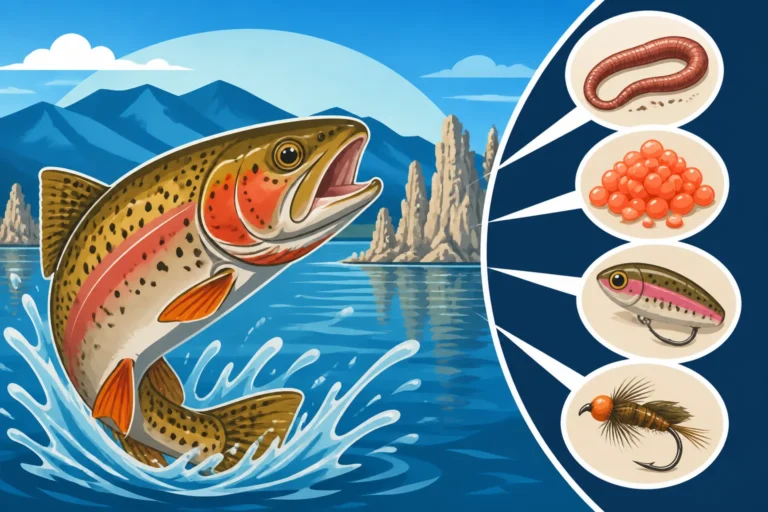
- Use Circle Hooks with Bait: If you prefer fishing with bait, consider using circle hooks. These hooks are designed to hook fish in the corner of the mouth, significantly reducing the chance of gut-hooking. This is particularly useful when targeting species with soft mouths or when practicing Best Bait for Nevada Trout.
- Understand Water Temperature: Trout are cold-water fish. In warmer months, or in waters with higher temperatures (above 68°F or 20°C), they are much more susceptible to stress and mortality post-release. If water temperatures are high, consider shortening your fishing trip, avoiding areas with warm water, or switching to different species. Some high-elevation lakes in Nevada offer excellent cool-water trout fishing even in summer, but low-elevation urban ponds can get too warm. Knowing Best Time of Day to Fish in Summer Heat can also help.
- Carry a Release Tool: Specialized release tools, like a hook-out or KONG fish release tool, can help you remove hooks quickly and efficiently, often without even touching the fish. They are particularly useful for deeply set hooks or for when the fish is especially feisty.
- Learn Fish Anatomy: A basic understanding of where a trout's vital organs are located can help you avoid contact and ensure a safer release. The gills are particularly sensitive and easily damaged. This knowledge empowers you to make split-second decisions that benefit the fish, giving it the best possible chance to return to its environment, grow, and potentially spawn for future generations of anglers.
Learning How to properly release a trout without hurting it is an ongoing journey, but these techniques and tools will put you on the right path to being a responsible and successful angler in Nevada's incredible waters.
Disclaimer
The information provided in this guide is for general informational purposes only and does not constitute legal advice. Fishing regulations, license requirements, and best practices can change. Always consult the latest official Nevada Department of Wildlife (NDOW) regulations before heading out on the water. Following all state and local laws is the angler's responsibility.