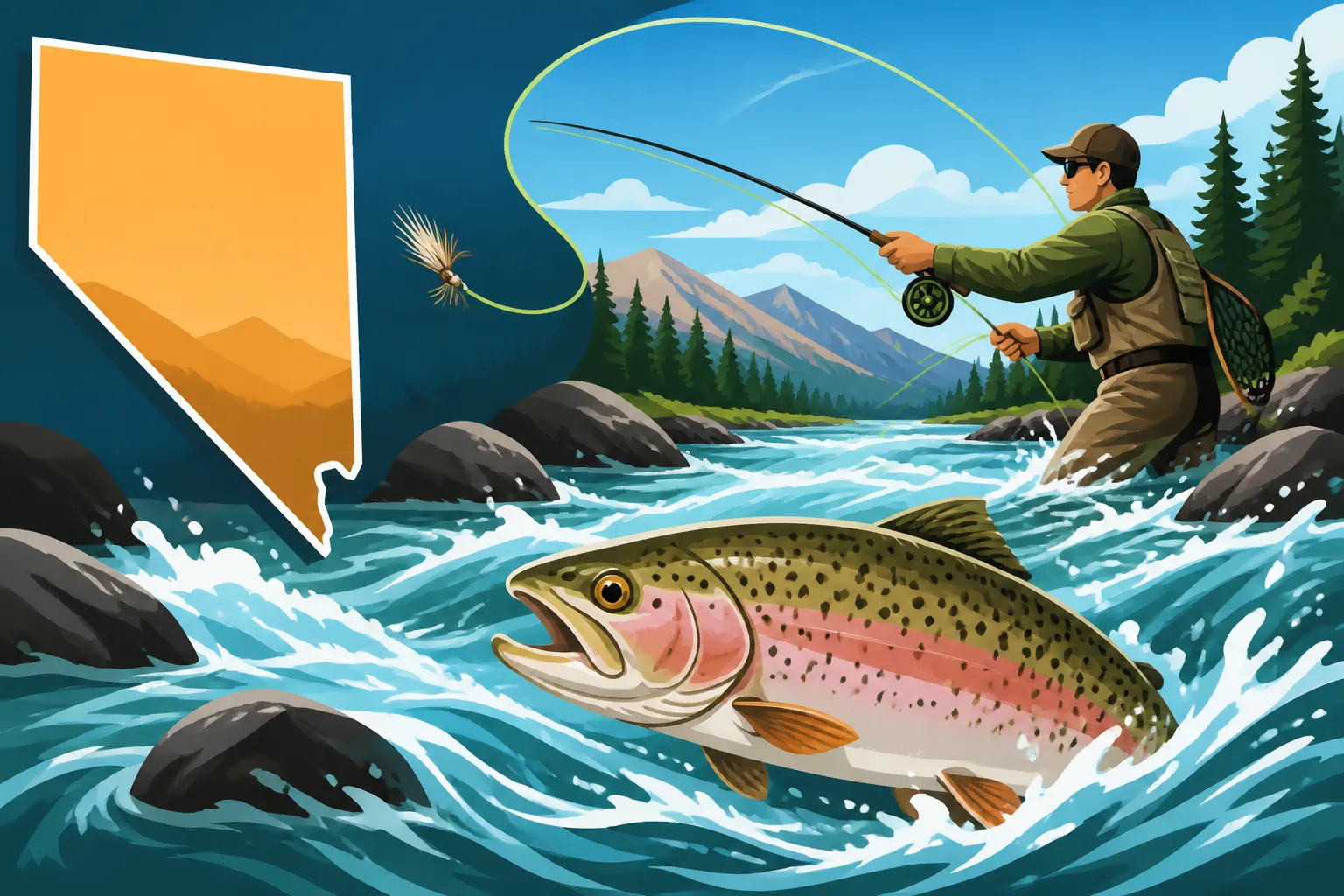
How to fish for trout in a fast-moving river
Anyone who's ever stood on the bank of a swift Nevada river, watching the current churn and eddy, knows the feeling: it's beautiful, exhilarating, and can be downright intimidating when you're trying to figure out how to catch trout in that powerful flow. It’s easy to feel lost amidst the rapids, wondering where the fish could possibly be hiding or if your lure will even stand a chance. This guide is here to demystify fast-moving river fishing for trout, breaking down the techniques, gear, and river dynamics you need to master these challenging, yet incredibly rewarding, waters.
Understanding Fast-Moving River Dynamics
Before you even think about casting, you need to understand the river itself. Fast-moving rivers, whether they're snow-fed mountain streams or regulated tailwaters, present a unique set of challenges and opportunities. The water isn't just rushing; it's creating currents, eddies, and oxygen pockets that dictate where trout will hold, feed, and expend the least amount of energy. Ignoring these dynamics is like trying to find a needle in a haystack – you might get lucky, but you're working against the grain.
Reading the Water: Where Trout Hide
Trout in a fast-moving river are masters of efficiency. They don't want to fight the current any more than they have to, especially if it means burning precious calories they need for growth and survival. Instead, they'll seek out "holds" – places where they can find relief from the main current while still having access to food drifting by. This often means looking for any feature that breaks the flow. Think about how a person stands in a strong wind; they'll brace themselves behind anything they can find. Trout do the same.
You'll want to scan the water for darker patches, which often indicate deeper water, or changes in surface texture, signaling a drop-off or submerged obstacle. These subtle clues are your roadmap to finding fish. Look for things like large rocks, logs, undercut banks, or even slight depressions in the riverbed. Any of these features can create a pocket of slower water where a trout can comfortably rest, darting out briefly to grab a nymph or a passing minnow. The skill of reading water comes with practice, but knowing what to look for is the first step.
Current Breaks and Eddies
Current breaks and eddies are prime real estate for trout in a fast river. A current break is essentially anything that slows or diverts the main flow. This could be a large boulder that splits the current, forming a calmer "seam" behind it. Trout will often sit right in this seam, facing upstream, allowing insects and small baitfish to funnel directly into their strike zone with minimal effort. You'll see two distinct currents flowing side-by-side, often with a visible line separating them; that's your target.
Eddies are essentially circular currents where the water flows upstream or sideways, usually forming behind larger obstacles or in wider sections of the river. These are natural cafeterias for trout because food gets trapped in the swirling water. Trout can cruise the edges of an eddy, picking off easy meals without fighting the relentless main current. The "head" of the eddy, where the fast water meets the slow, is often the hottest spot. Don't overlook the tail of an eddy either, as food often settles there, attracting larger, lazier fish.
Water Temperature and Oxygen Levels
The temperature and oxygen content of the water are invisible but crucial factors, especially for trout. Trout thrive in cold, well-oxygenated water. Fast-moving rivers, particularly those fed by snowmelt or deep reservoirs, naturally have higher oxygen levels due as the water tumbles over rocks and rapids. However, even in these rivers, water temperature can fluctuate throughout the day and with seasonal changes, influencing where trout will be most active.
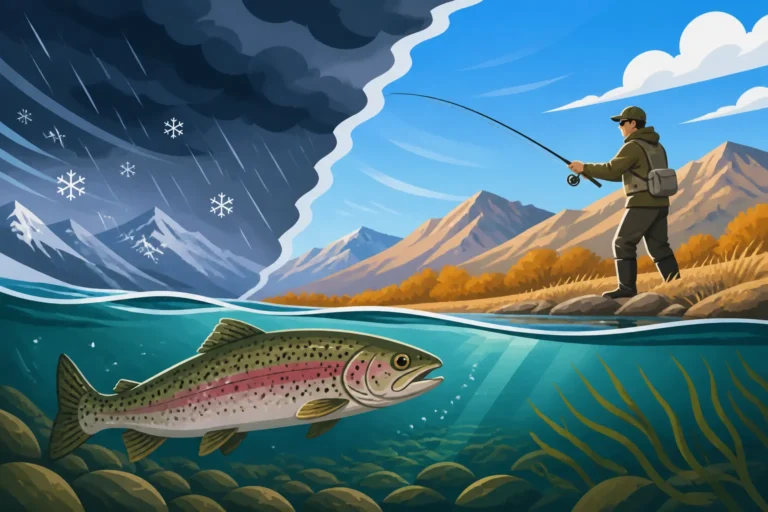
During warmer months, trout will often move into deeper, cooler runs, or seek out areas where cold tributary streams enter the main river. They'll also be more active during the cooler parts of the day – early morning and late evening. Conversely, in colder periods, trout might be less active overall, seeking out slightly warmer, slower water, but still relying on those current breaks for cover. Always consider the weather and time of day, and how it might be affecting the water temperature; it’s a key piece of the puzzle in predicting fish behavior.
Essential Gear for Fast-Moving Rivers
Fishing fast-moving rivers successfully isn't just about technique; it's also about having the right tools for the job. You wouldn't use a screwdriver for a nail, and similarly, you shouldn't use light pond gear for a powerful river. The right equipment can make all the difference in your casting, presentation, and ultimately, your ability to land fish. Trying to manage flimsy line or a short rod in a strong current is a recipe for frustration and lost fish.
Rod, Reel, and Line Selection
For fast-moving rivers, you'll generally want a slightly longer rod with a medium-fast to fast action. A rod in the 9 to 10-foot range for fly fishing, or a 7 to 8-foot spinning rod, provides better line control and the leverage needed to fight fish in strong currents. The longer length helps you mend your line to avoid drag and extend your reach. A rod that's too short will have you constantly struggling against the current.
Pair your rod with a reliable reel that has a smooth drag system. Whether it's a fly reel or a spinning reel, that drag is going to be your best friend when a powerful trout decides to run with the current. For line, consider a slightly heavier monofilament or fluorocarbon leader for spinning setups – maybe 6 to 8 pounds – to help sink your bait or lure and stand up to abrasion from rocks. Fly anglers will often use a heavier fly line (e.g., 5- or 6-weight) to turn over larger flies and fight the wind, complemented by a strong tapered leader and tippet. Best line weight for trout fishing is a good read if you're looking for more details on line choice. You can find excellent options for all these components on platforms like Amazon, offering a wide range of brands and prices.
Waders, Boots, and Safety Gear
Wading in fast-moving water can be dangerous, so proper attire and safety gear are non-negotiable. Quality chest waders are essential, keeping you dry and insulated from cold water. Look for durable, breathable waders that offer freedom of movement. Your wading boots are equally, if not more, important. They need excellent traction, often with felt soles, rubber soles with studs, or a combination, to grip slick river rocks. A good wading belt is also crucial; it prevents your waders from filling with water should you stumble, creating a potentially life-saving seal.
Beyond waders, consider a wading staff. This seemingly simple tool provides a crucial third point of contact with the riverbed, helping you maintain balance in swift currents. It’s like an extra leg you can use to probe for deep spots or slippery rocks before committing your weight. A small, bright whistle attached to your vest or waders is also a smart addition for signaling if you get into trouble. Always remember that river safety should be your top priority, and knowing when not to wade is just as important as knowing how. For more in-depth advice, check out Best Waders for River Fishing in Nevada.
Tackle Box Essentials: Baits and Lures
Your tackle selection needs to be tailored for the current. Heavy split shot or weighted flies are often necessary to get your presentation down to where the fish are holding in fast water. Forget those tiny, unweighted dry flies if you’re not targeting rising fish in a calm eddy; they’ll just zip past your target zone.
For spin fishing, consider heavier inline spinners, small spoons, or weighted jigs. Colors like silver, gold, black, or natural patterns tend to work well. Small crankbaits that dive quickly can also be effective. If you’re using bait, salmon eggs, worms, or PowerBait can be fished on a weighted rig, allowing the current to carry the scent. Fly anglers should stock up on a variety of nymphs, like Prince Nymphs, Hare's Ears, and Pheasant Tails, in different sizes and with varying amounts of weight. Streamers like Woolly Buggers are also excellent for imitating baitfish. Always carry a selection of different weights and sizes, because river conditions can change quickly.
Proven Techniques for Fast-Moving Water
Now that you've got your gear sorted and a basic understanding of river dynamics, it's time to talk about the "how." Fishing fast-moving rivers requires specific techniques that maximize your chances of getting your bait or lure into the strike zone effectively, without it being swept away unnaturally by the current. It's an art, really, blending precision and intuition.
Upstream Nymphing and Drifting
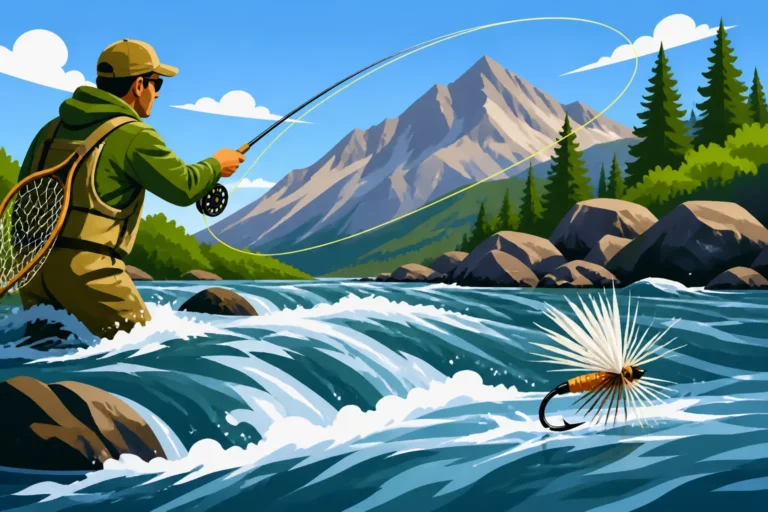
One of the most effective ways to fish a fast river, particularly for fly anglers, is upstream nymphing. This technique involves casting weighted nymphs upstream and allowing them to drift naturally downstream, mimicking a loose insect tumbling in the current. The key here is to achieve a "dead drift" – meaning your fly or bait is moving at the exact same speed as the current, without any drag from your line pulling it unnaturally. Trout are incredibly sensitive to this; any unnatural drag can immediately put them off.
For spin anglers, a similar approach involves drifting a weighted bait (like a worm or salmon egg) or a small, weighted jig. Cast slightly upstream and across, letting the weight carry your offering down towards the riverbed. Keep your rod tip high and reel in just enough slack to maintain contact with your bait, but not so much that you're pulling it against the current. The goal is for it to bounce along the bottom, just as a natural food item would. This technique demands focus, as strikes can be subtle, sometimes just a slight hesitation in the drift.
Indicator Fishing and Streamer Stripping
Indicator fishing is a fantastic way to fish nymphs in faster water, especially if you're new to fly fishing or want a clear visual cue for strikes. An indicator (essentially a bobber for fly fishing) is attached to your leader, allowing you to easily see when a trout takes your submerged nymph. The indicator will pause, dip, or dart, signaling a bite. This method helps you present your flies at a consistent depth, which is crucial in deeper runs.
Streamer stripping, on the other hand, is a more aggressive technique often used for targeting larger, predatory trout. This involves casting a baitfish-imitating fly (a streamer) across or slightly downstream and stripping it back in short, erratic bursts, making it look like a fleeing or injured baitfish. The current helps give the streamer a natural swimming action, and those aggressive retrieves can trigger a reaction strike from a big trout that might ignore a dead drift. This technique is particularly effective in larger, deeper sections of the river or around structure where large trout ambush prey. You can find excellent patterns for both nymphing and streamers by searching online retailers like Amazon.
Stealth and Presentation
In clear, fast-moving rivers, trout can be surprisingly spooky. They are acutely aware of anything moving on the bank or shadows cast over the water. Approaching your fishing spot with stealth is paramount. Move slowly, avoid sudden movements, and try to keep a low profile. This is especially true for river sections that receive a lot of fishing pressure. Your ability to get close to the fish without alerting them significantly impacts your success.
Beyond stealth, your presentation matters immensely. A sloppy cast that slaps the water can send fish scattering. Aim for soft, accurate casts that land your line and lure gently. For flies, this means avoiding excessive drag; for spinning gear, it means precise placement to hit those current seams and eddies. Think about the angle of your cast relative to the current. Sometimes casting directly upstream is best, other times a quartering cast across the current works wonders. Experiment with different angles and retrieve speeds to find what the fish are responding to on a given day. How to fish for trout in a fast-moving river really emphasizes these nuanced approaches.
Overcoming Common Challenges
Fishing fast-moving rivers is not without its difficulties. You're constantly battling the elements – the current, snags, and sometimes even the weather. It's easy to get discouraged when you're losing tackle or struggling to stay upright. But with a bit of foresight and the right strategies, you can turn these challenges into opportunities for growth and success. Remember, even veteran anglers have days where the river seems to win.
Dealing with Strong Currents
Strong currents are the defining characteristic and biggest challenge of fast-moving rivers. They can make wading treacherous, drag your line, and sweep your presentation away before it reaches the fish. The first rule is safety: never wade into water that feels too strong or too deep. If the current is pushing against your legs, or the water is above your knees in a strong flow, it’s probably too risky. Always test the depth and current with your wading staff before taking a step.
When casting, strong currents will put immediate drag on your line. For fly anglers, this means constantly mending your line upstream to create slack and allow your flies to drift naturally. For spin anglers, using heavier weights or jigs can help cut through the current and get your offering down faster. You might also need to cast shorter distances and work smaller sections of water more thoroughly. Sometimes, the most effective approach is to find those current breaks and eddies, letting the fish come to you in their preferred holding lies rather than trying to force your presentation through the main torrent.
Snags and Lost Gear
Snags are an inevitable part of river fishing, especially when you're trying to get your bait or lure deep where the fish are holding, near rocks and submerged logs. Lost tackle can be frustrating and costly. To minimize snags, pay close attention to the river bottom. If you feel your weight or lure consistently bumping against rocks, try a slightly lighter weight or a more buoyant presentation that drifts just above the snag zone.
When you do get snagged, resist the urge to yank hard immediately. Often, a gentle slackening of the line, followed by a light twitch, can free your hook. If that doesn't work, try walking upstream or downstream to change the angle of pull. Sometimes, a quick, sharp snap of the rod tip can dislodge it. If all else fails, don't just break off your line and leave gear in the water; try to retrieve it safely if possible. Using stronger knots and checking your line for abrasions regularly can also help prevent break-offs when fighting a snag or a strong fish.
Safety First: Wading and Weather
We've touched on wading safety, but it bears repeating: the river is powerful and demands respect. Always wear a wading belt, have appropriate footwear, and consider a wading staff. Never fish alone if possible, especially when wading in unfamiliar or fast water. Let someone know where you're going and when you expect to return. Be aware of changing river conditions; snowmelt can rapidly increase flows, and heavy rains can cause flash floods.
Weather can also play a huge role. Intense sun requires good sun protection – hats, sunglasses, and sunscreen. Cold weather demands layers of warm clothing, especially under your waders. Pay attention to forecasts, especially for sudden storms or temperature drops that could affect both your comfort and the fishing conditions. Nevada Fishing Regulations Explained includes essential safety guidelines you should always review before heading out. Being prepared for anything the Nevada wilderness can throw at you will make your trip much more enjoyable and, most importantly, safer.
| River Feature | Description | Trout Behavior | Recommended Technique |
|---|---|---|---|
| Current Seams | Meeting point of fast and slow water, often behind obstructions. | Trout rest in slow water, dart into fast water to feed. | Drift nymphs/baits along the seam; strip streamers through the seam. |
| Eddies | Swirling pockets of water, often behind large boulders or points. | Food gets trapped, trout feed leisurely at the edges. | Cast into the head of the eddy and let current sweep your offering around. |
| Undercut Banks | Eroded bank creating a hiding spot with slower water underneath. | Excellent cover from predators and current; prime feeding lies. | Present bait/fly close to the bank, letting it drift under the overhang. |
| Riffles/Shallows | Fast, turbulent, shallow water over rocks; highly oxygenated. | Active feeding lanes, especially during hatches or cooler times. | Drift nymphs/wet flies through the riffles; use small spinners. |
| Deep Runs/Pools | Deeper, slower-moving sections, often below rapids. | Larger trout may hold here, seeking depth and refuge. | Weighted nymphs/jigs to get deep; slow retrieve of streamers/crankbaits. |
| Structure (Logs, Rocks) | Any natural or man-made object breaking the current. | Provides current breaks, ambush points, and cover. | Fish tight to structure, allowing current to present your offering. |
Disclaimer
This article is for general informational purposes only and does not constitute professional advice. Laws, prices and regulations vary by location and change over time. Consult a qualified professional for guidance on your specific situation.