What Mackinaw trout eat at Lake Tahoe
It can feel like a real puzzle trying to figure out what those elusive Mackinaw trout are munching on deep beneath the pristine surface of Lake Tahoe. You've heard they're big, they're predatory, but what specifically drives them to strike your offering? This guide dives deep into the dietary habits of Lake Tahoe's magnificent Mackinaw, helping you understand their preferred meals and, by extension, how to better target them on your next fishing adventure.
Understanding Mackinaw Trout and Their Habitat in Lake Tahoe
Before we can even begin to talk about what's on the menu, it's crucial to appreciate the unique environment that Mackinaw trout call home in Lake Tahoe. This isn't your average pond or river; it's a massive, cold, deep, and incredibly clear body of water that shapes every aspect of its aquatic inhabitants' lives, especially its top predators.
Lake Tahoe's Unique Ecosystem for Mackinaw
Lake Tahoe is an ecological marvel, known for its astounding clarity and profound depths. It’s one of the deepest lakes in North America, plunging to over 1,600 feet in some areas. This translates to vast expanses of deep, cold water that remain consistently at low temperatures, even during the peak of summer. Mackinaw trout, also known as lake trout, thrive in these frigid conditions, preferring water temperatures typically ranging from the low 40s to low 50s Fahrenheit. These conditions mean they spend a significant portion of their lives in the deeper sections of the lake, often well below 100 feet, where the light penetration is minimal and the water is perpetually cold.
The sheer volume of Lake Tahoe also means that food sources can be widely dispersed. Unlike smaller, shallower lakes where fish might be concentrated in certain areas, Tahoe's vastness requires its predators to be efficient hunters. The clear water, while beautiful for us, presents its own set of challenges and advantages for the fish. On one hand, it allows light to penetrate deeper, potentially affecting where baitfish will hide. On the other, the clarity means Mackinaw have excellent visibility for spotting prey, even in low light conditions, if they are positioned correctly. Understanding these environmental factors is the first step in understanding their diet. If you're planning a trip, our comprehensive Lake Tahoe Nevada Fishing Guide offers a wealth of information about this incredible fishery.
The Mackinaw Trout's Role as a Top Predator
Mackinaw trout are, without a doubt, the apex predators of Lake Tahoe's deep-water ecosystem. They are built for hunting. Their sleek, torpedo-shaped bodies, powerful tails, and large mouths filled with sharp teeth are all adaptations for ambushing and consuming other fish. From the moment they hatch, Mackinaw begin a life of predation, albeit starting with smaller fare. As they grow, their diet shifts to accommodate their increasing size and caloric needs, moving from tiny invertebrates to substantial fish.
Their position at the top of the food chain means they have fewer natural predators (aside from humans), allowing them to grow to impressive sizes. It also means they have a significant impact on the populations of the fish they consume. A large Mackinaw isn't just looking for a snack; it's looking for a meal that provides enough energy to sustain its large body. This predatory nature dictates much of their feeding behavior and what they will actively pursue. They are opportunistic feeders, meaning they will eat whatever is most readily available and provides the best return on their energy investment, but they definitely have their preferences. Learning about the Mackinaw Trout Size and Age at Lake Tahoe can give you a better sense of just how formidable these fish become.
The Primary Diet of Lake Tahoe Mackinaw
So, what exactly are these deep-water giants feasting on? While they are opportunistic, there are definitely staple items that make up the vast majority of their diet in Lake Tahoe. It’s all about protein and fat when you're a cold-water fish needing to fuel such a large frame.
Small Fish: The Cornerstone of Their Menu
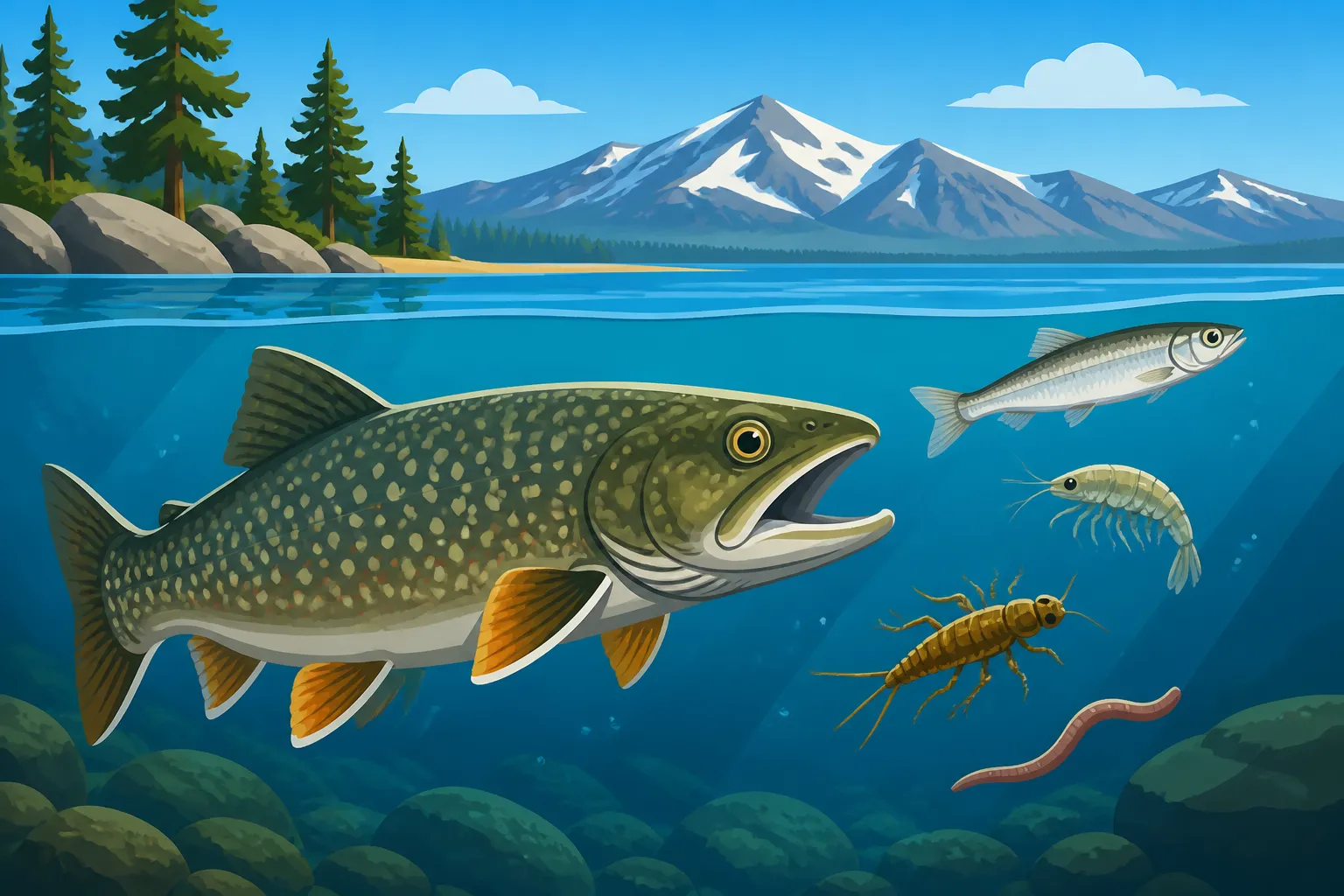
For adult Mackinaw in Lake Tahoe, small fish are king. They represent the most calorically efficient and readily available food source in the deeper water column. There are a few key species that dominate the Mackinaw's diet:
- Lahontan Redside: These native minnows are common throughout Lake Tahoe and represent a crucial food source, particularly in shallower-to-mid depths where Mackinaw might forage. They are slender and silvery, making them perfect baitfish.
- Tui Chub: Another native minnow species, Tui Chubs are incredibly abundant in Lake Tahoe. They form dense schools, especially in the deeper, open waters, which makes them a prime target for cruising Mackinaw. Their fatty content makes them an excellent energy source for these cold-water predators.
- Other Minnows and Juvenile Fish: While Lahontan Redside and Tui Chub are dominant, Mackinaw aren't picky. They will readily consume any other small, schooling fish or juvenile fish that venture into their strike zone. This could include juvenile trout, although this is less common with abundant alternative forage.
The Mackinaw's hunting strategy often involves patrolling the depths, waiting for schools of these baitfish to pass by, or actively pursuing them with bursts of speed. Because these forage fish are often found suspended in the water column or near underwater structures, Mackinaw develop excellent sonar-like abilities to detect them. Knowing that these baitfish are the primary food source is critical for anglers trying to choose the right lure or bait. Many successful Mackinaw lures on the market, some easily found on Amazon, are designed specifically to imitate these silvery, slender prey fish.
Invertebrates and Other Opportunistic Meals
While fish are the primary component, especially for larger Mackinaw, invertebrates play a significant role, particularly for younger or smaller individuals, and even sometimes for larger ones.
- Mysis Shrimp: This is arguably the most important invertebrate in the Lake Tahoe ecosystem, especially for trout. Mysis shrimp are small, freshwater crustaceans that were introduced to Lake Tahoe decades ago. They thrive in the cold, deep waters and undergo daily vertical migrations, moving closer to the surface at night and sinking back into the depths during the day. This behavior makes them a critical food source for all trout species, including Mackinaw. For juvenile Mackinaw, Mysis shrimp are a vital food source, helping them grow rapidly. Even large Mackinaw will consume Mysis shrimp, especially if they are highly abundant or if other forage fish are scarce.
- Aquatic Insects and Larvae: While not a primary food source for large, adult Mackinaw, various aquatic insects and their larvae are definitely on the menu, particularly for smaller Mackinaw or during certain times of the year when they are abundant. This might include anything from caddisfly larvae to mayfly nymphs, though these are typically found in shallower areas.
- Crayfish (Crawfish): If crayfish are present and accessible, Mackinaw will absolutely eat them. Crayfish are bottom-dwelling creatures, and a Mackinaw cruising near the lakebed will certainly take advantage of an easy meal. While perhaps not as prevalent a food source in Lake Tahoe as in some other fisheries, they can represent an occasional, high-protein snack.
The transition from an invertebrate-heavy diet to a fish-heavy diet as Mackinaw grow is a classic example of ontogenetic diet shift. Smaller Mackinaw are more efficient at consuming abundant Mysis shrimp, while larger fish require the higher caloric intake provided by fish to maintain their size and energy levels. It’s worth noting that Mysis shrimp are such an integral part of the food web that their presence (or absence) can significantly impact the health and growth rate of all trout in the lake. For more on their growth, take a look at Mackinaw trout lifespan at Lake Tahoe.
| Prey Item | Typical Mackinaw Size Targeted | Primary Habitat of Prey | Relevance to Anglers |
|---|---|---|---|
| Tui Chub | Medium to Large | Deep, open water schools | Imitate with large spoons, swimbaits, jigs |
| Lahontan Redside | Small to Medium | Mid-depths, near structure | Smaller spoons, jigging raps, stickbaits |
| Mysis Shrimp | Small to Medium (all ages) | Deep water, vertical migration | Small jigs, vertical presentations, fly patterns |
| Juvenile Trout | Medium to Large (opportunistic) | Various depths | Large lures mimicking trout, occasional bait |
| Aquatic Insects/Larvae | Very Small (juvenile only) | Shallow water, near bottom | Seldom targeted by anglers for Mackinaw |
| Crayfish | Medium to Large (opportunistic) | Lakebed, rocky areas | Crawfish-imitating jigs, soft plastics |
Seasonal and Environmental Influences on Mackinaw Diet
Just like us, Mackinaw trout don't eat the exact same things in the exact same way all year round. Their metabolism, the availability of prey, and the overall conditions of the lake all play a significant role in what they decide to pursue and how actively they feed.
Seasonal Shifts in Feeding Patterns
Lake Tahoe experiences distinct seasons, and these changes directly influence the Mackinaw's feeding habits.
- Spring (Ice-out to early Summer): As the lake transitions from winter, water temperatures begin to slowly rise, and metabolism picks up. Mackinaw that have just completed their spawn or are recovering from winter lethargy become more active. Baitfish populations might also be seeing a surge in activity and numbers due to their own spawning cycles. Mackinaw during this period might be found at slightly shallower depths than in winter, actively patrolling for abundant forage. This can be a prime time for aggressive strikes as they try to regain condition.
- Summer: This is when the lake truly stratifies. A thermocline develops, separating warmer surface waters from the colder, deeper layers. Mackinaw will retreat to their preferred cold-water zones, which typically means very deep. Their feeding will occur predominantly in these cool depths, where they will target baitfish and Mysis shrimp that also prefer these cooler, oxygen-rich waters. Trolling at specific depths becomes paramount, as outlined in guides like Trolling Techniques for Lake Tahoe Mackinaw. While feeding, they won't expend unnecessary energy, often ambushing prey rather than engaging in long chases.
- Fall (Pre-Spawn): As water temperatures begin to cool and the lake starts to mix (turnover), Mackinaw enter a crucial pre-spawn feeding frenzy. They need to pack on fat reserves for the upcoming spawning season, which typically happens in late fall/early winter. During this time, they can be incredibly aggressive and will actively hunt large schools of baitfish. They might move into slightly shallower areas where forage fish are congregating, making them a fantastic target for anglers. This period is often considered one of the best times to target trophy Mackinaw.
- Winter: With the entire lake cooling down, Mackinaw metabolism slows. They are still feeding, but generally less actively and intensely than in the fall. They will remain in the deep, cold water, conserving energy. Their feeding becomes more opportunistic, taking advantage of slow-moving or easy-to-catch prey. Anglers targeting them in winter often employ slow, vertical presentations.
Understanding these seasonal rhythms can help you predict where the Mackinaw might be and what they'll be most interested in eating. For instance, in summer, you'll be looking for Lake Tahoe Deep Water Mackinaw Spots rather than shallower areas.
Depth, Water Temperature, and Light Penetration
These three factors are inextricably linked and profoundly influence what Mackinaw eat and where they find it.
- Depth: Mackinaw are deep-water fish. The majority of their lives are spent below 100 feet, sometimes much deeper, especially in Lake Tahoe. This is primarily due to their need for cold water. Their prey, primarily Tui Chub and Mysis shrimp, also frequent these deeper zones, often schooling at specific depths where conditions are optimal. Anglers must understand How deep to fish for Mackinaw trout at Lake Tahoe is crucial to presenting a lure effectively.
- Water Temperature: This is perhaps the single most critical environmental factor for Mackinaw. Their preferred temperature range means they will always seek out the coldest water that still holds adequate oxygen and food. During summer, this means retreating below the thermocline. If the thermocline is at 60 feet, they'll be below that. If it's at 100 feet, they'll be even deeper. This directly influences where baitfish will congregate, and consequently, where Mackinaw will hunt. The Best trolling depth for lake trout in summer is directly tied to this temperature preference.
- Light Penetration: Lake Tahoe is renowned for its clarity, which allows light to penetrate to significant depths. However, even in clear water, there's a point where light becomes too dim for effective sight hunting. Mackinaw are adapted to low-light conditions, but their prey also uses light (or lack thereof) for concealment. Baitfish might school in dimmer zones to avoid predators, forcing Mackinaw to hunt in similar conditions. This means that what appears to us as a dark abyss is actually a nuanced hunting ground for these predators, where even subtle silhouettes or vibrations can trigger a strike. For this reason, lures that provide strong vibration or glow-in-the-dark properties can be particularly effective in these deep, dark environments.
Practical Implications for Anglers: Matching the Hatch
So, what does all this mean for you, the angler, hoping to land one of Lake Tahoe's magnificent Mackinaw? It means "matching the hatch" – or, in this case, matching the prey. Understanding their diet directly translates to better lure and bait selection and more effective fishing techniques.
Best Baits and Lures Reflecting Natural Prey
When you know what Mackinaw eat, choosing your tackle becomes a lot simpler. Your goal is to imitate their natural prey as closely as possible in terms of size, shape, color, and action.
- Lures Imitating Baitfish: This is your bread and butter. Look for lures that mimic the slender, silvery profile of Tui Chub and Lahontan Redside.
- Jigs: Heavy, bucktail jigs, or soft plastic swimbaits rigged on jig heads are incredibly effective. Colors like white, silver, chartreuse, and blue/silver combinations work well. Jigging spoons that flutter and flash on the drop can also be deadly. When selecting a jig, think about the size of the baitfish you're trying to imitate – for larger Mackinaw, don't be afraid to go with bigger jigs, sometimes 4-6 inches in length. Companies like Rapala and Pautzke offer popular choices that can be found on Amazon.
- Spoons: Large, heavy spoons in silver, chrome, or blue/silver patterns are classics. They cast well, sink quickly, and have a wide, erratic wobble that resembles a wounded baitfish. They are excellent for both jigging and trolling.
- Swimbaits: Soft plastic swimbaits, especially those with a paddle tail, can be incredibly realistic. Rigged on a heavy jig head, they can be trolled, cast, or jigged vertically. Look for natural baitfish colors.
- Baits:
- Dead Bait: Many seasoned Mackinaw anglers swear by dead bait, often whole or cut pieces of fish like minnows, anchovies, or even small Kokanee salmon (where legal and available). These are typically fished on a flasher or dodger behind a downrigger, presented at the precise depth where Mackinaw are holding. The scent trail can be a huge attractor in deep, dark water. Just make sure to check local regulations regarding bait use.
- Glow-in-the-Dark Options: Given the low light conditions at depth, lures and baits with glow-in-the-dark properties or those that can be charged with a UV light can make a huge difference, especially during deep water fishing or on cloudy days.
Remember, presentation is key. A lure that perfectly mimics a Tui Chub won't do you any good if it's not presented at the depth where the Mackinaw are feeding. This is where your electronics, like a good fish finder, become invaluable. Consider exploring options for Best Lures for Striped Bass as many of the general baitfish imitation lures can also cross over effectively for Mackinaw.
Trolling and Jigging Techniques for Deepwater Mackinaw
Once you have your lures and bait, the next step is getting them to the fish. Because Mackinaw are primarily deep-water dwellers, specific techniques are required.
- Trolling: This is arguably the most popular and effective method for covering large areas of water and presenting baits at precise depths. You'll need specialized gear, including downriggers, to get your lures or bait down to where the Mackinaw are holding, often 100, 200, or even 300 feet deep. The idea is to troll slowly, allowing your lure to mimic a cruising or wounded baitfish. Using a fish finder to identify bait schools and temperature breaks is critical for effective trolling. Pay close attention to your speed and the action of your lure at depth. Our guide on Trolling Techniques for Lake Tahoe Mackinaw offers a full breakdown. If you're serious about this, investing in a quality Best Trolling Rods for Lake Trout will make a huge difference.
- Jigging: Vertical jigging can be incredibly effective when Mackinaw are concentrated in a specific area, often around structure like underwater humps, drop-offs, or known feeding grounds. With a heavy jig or spoon, you drop it to the desired depth and then impart a lifting and falling action, mimicking a struggling baitfish or a Mysis shrimp. This technique is often done while drifting slowly or holding a position over a marked school of fish. Again, a good Best Fish Finder for Reservoir Fishing is non-negotiable for identifying these schools.
- Electronics are Your Friend: Modern sonar and fish finders are game-changers for Mackinaw fishing. They allow you to see the bottom, identify structure, locate schools of baitfish, and even mark individual Mackinaw. Without them, you're essentially fishing blind in a vast, deep lake. Knowing the depth of the thermocline and where baitfish are schooling will tell you exactly where to present your offering.
Ultimately, successfully catching Mackinaw trout in Lake Tahoe comes down to understanding their environment and diet. By "matching the hatch" with appropriate lures and baits and employing the right deep-water techniques, you significantly increase your chances of hooking into one of these magnificent predators.
Disclaimer
This article is for general informational purposes only and does not constitute professional advice. Laws, prices and regulations vary by location and change over time. Consult a qualified professional for guidance on your specific situation.