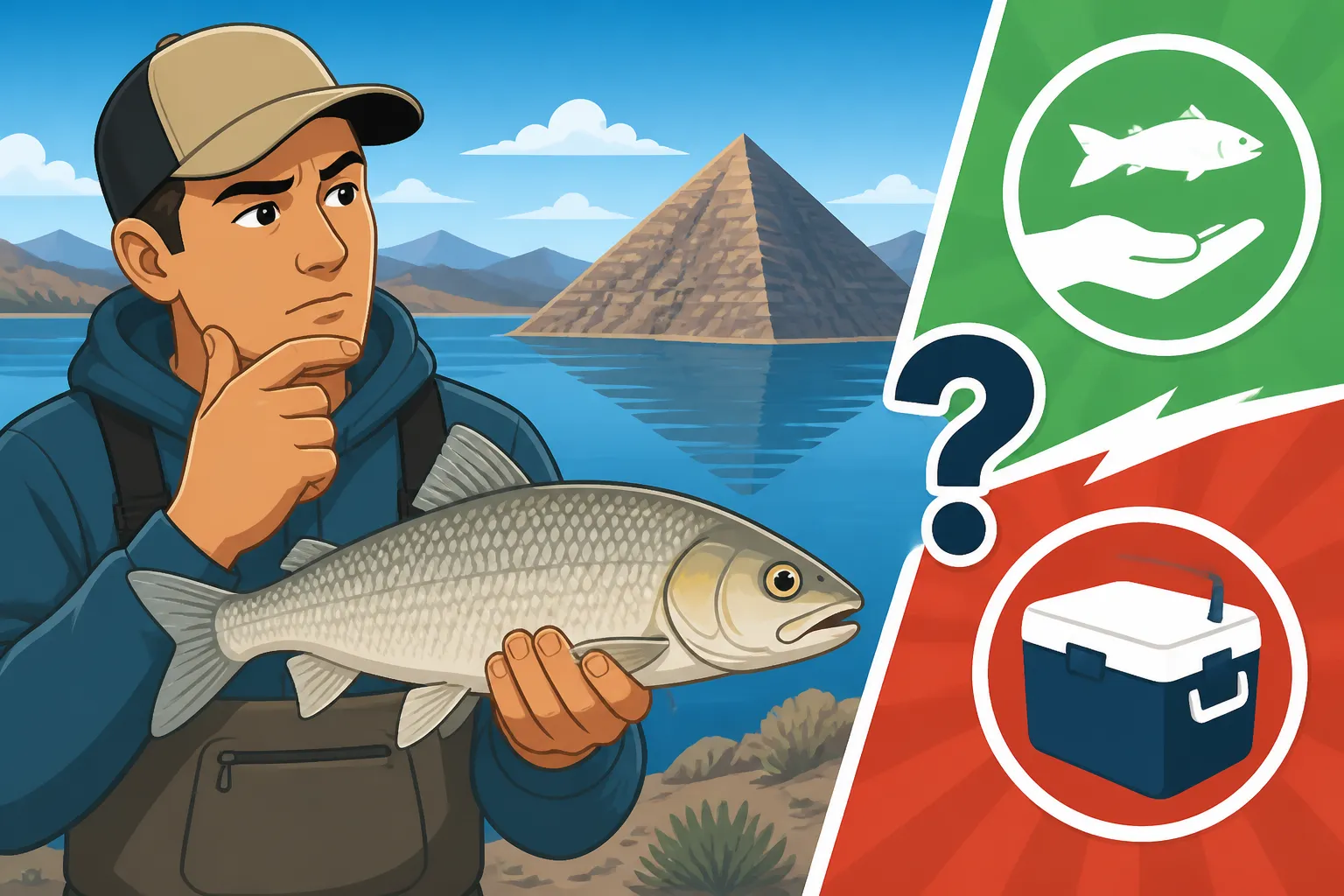
Can you keep a cui-ui if you catch one at Pyramid Lake?
Oh, the allure of Pyramid Lake! It's truly one of Nevada's most iconic and unique fishing destinations, drawing anglers from all over the world, primarily for its incredible Lahontan cutthroat trout. But out there on those vast, striking blue waters, you might occasionally encounter a fish that raises a very specific question: what if you catch a cui-ui? It's a fair question, especially for those new to the lake's distinct ecosystem and rules. Many anglers find the regulations around this particular species a bit confusing, and honestly, the answer is a firm one, but it's important to understand why. This guide will dive deep into what a cui-ui is, why it's so special, and the absolute rules regarding its protection at Pyramid Lake.
Understanding the Cui-ui: A Sacred Fish of Pyramid Lake
When you're out on Pyramid Lake, it's easy to get caught up in the chase for a trophy Lahontan cutthroat trout. But there's another, equally fascinating, and incredibly important fish swimming beneath those waves: the cui-ui. This isn't just any fish; it's a living piece of history, deeply intertwined with the very identity of the Pyramid Lake Paiute Tribe.
What Exactly is a Cui-ui?
The cui-ui (pronounced "kwee-wee") isn't your typical game fish. It's a species of sucker, specifically Chasmistes cujus, and it's found nowhere else on Earth but Pyramid Lake. Think about that for a moment – endemic to one single lake. It’s an ancient fish, a relic from a time when the vast Lake Lahontan covered much of Nevada. Its appearance is quite distinct from a trout: it has a downward-turned mouth adapted for bottom-feeding on plankton and detritus, a longer, more slender body, and different fin structures.
For the Pyramid Lake Paiute Tribe, the cui-ui is more than just a fish; it's a sacred part of their culture and diet that has sustained them for thousands of years. Its annual spawning run up the Truckee River into Pyramid Lake was historically a vital event, providing sustenance and cultural continuity. Understanding its unique biology and cultural significance helps us appreciate why its conservation is paramount. It’s not just a fish; it's a symbol of resilience and a crucial component of the lake's delicate ecological balance.
Why the Cui-ui is Protected
Sadly, the cui-ui has faced immense challenges, primarily due to human impact on its environment. The construction of Derby Dam in the early 20th century, diverting water from the Truckee River, severely impacted the cui-ui's ability to spawn. This, combined with other factors, led to a dramatic decline in their population. By the mid-20th century, the cui-ui was listed as an endangered species under federal law.
The Pyramid Lake Paiute Tribe, along with various federal and state agencies like the Nevada Department of Wildlife (NDOW), has invested decades of intensive effort into the recovery of the cui-ui. These efforts include habitat restoration, water management, and strict regulations to protect the remaining populations. The species is on a long road to recovery, and every individual cui-ui is incredibly valuable to this process. This protection isn't just bureaucratic; it's a critical lifeline for a species teetering on the edge, and deeply respectful of the tribe's heritage. Your actions as an angler directly impact these vital conservation goals.
The Rules of Fishing at Pyramid Lake
Fishing at Pyramid Lake is an experience unlike any other in Nevada, but it comes with a specific set of rules and a deep respect for the land and its native species. It's not like fishing many other public waters, and understanding these distinctions is key to a successful and compliant trip.
Pyramid Lake Permits and General Regulations
First and foremost, Pyramid Lake is located entirely within the Pyramid Lake Paiute Reservation. This means that a standard Nevada state fishing license is not valid here. Instead, you need a specific Pyramid Lake Tribal Fishing Permit, issued by the Pyramid Lake Paiute Tribe. These permits are crucial because the fees directly support tribal programs, fisheries management, and the very conservation efforts that benefit species like the cui-ui and the iconic Lahontan cutthroat trout.
You can usually pick up your permit at various tribal stores around the lake, at local tackle shops in Reno and Sparks, or often online before your trip. Always check the official tribal website for the most current information and purchasing options, or look for local outfitters that sell them. For instance, if you're planning ahead, a quick search for Where to buy a Pyramid Lake fishing permit online will point you in the right direction. General regulations at Pyramid Lake typically include requirements for barbless hooks and artificial lures only, aiming to minimize harm to fish during catch and release. It’s always smart to have a copy of the current Pyramid Lake Season and Bag Limit Rules with you, which you can often grab when you purchase your permit.
Specific Rules for Cui-ui and Other Protected Species
Now, let's get to the heart of the matter: Can you keep a cui-ui if you catch one at Pyramid Lake? The answer is an unequivocal NO.
The cui-ui is a federally listed endangered species and is strictly protected. This means that if you accidentally catch a cui-ui while fishing, you are required by law and tribal regulation to release it immediately and with the utmost care. It is illegal to possess a cui-ui, dead or alive, even for a moment out of the water longer than necessary for careful release. The intent here is to prevent any further harm to a species that is still fighting for its long-term survival.
This strict rule differentiates the cui-ui from the Lahontan cutthroat trout, for which there are specific bag and size limits. For instance, you can keep Lahontan cutthroat trout within the Daily limit for Lahontan cutthroat trout at Pyramid Lake and provided they meet the Legal size for keeping a Lahontan cutthroat trout at Pyramid Lake requirements, which often include a slot limit to protect larger, spawning fish. But for cui-ui, there are no limits; the rule is simply catch and release, no exceptions. Disregarding these regulations can lead to significant penalties, including hefty fines and confiscation of equipment, so understanding and adhering to them is incredibly important.
Responsible Angling at Pyramid Lake
Being a responsible angler at Pyramid Lake goes beyond just buying a permit and knowing the basic regulations. It's about respecting the environment, the wildlife, and the culture of the Pyramid Lake Paiute Tribe. Every action you take on the water contributes to the health of this unique ecosystem.
Best Practices for Catch and Release
Since catching a cui-ui (and often, many Lahontan cutthroat trout) requires immediate release, mastering proper catch-and-release techniques is essential. The goal is to minimize stress and injury to the fish, giving it the best chance of survival. Always use barbless hooks, as they are much easier to remove quickly and cleanly. Many anglers simply pinch down the barb on their hooks with a pair of pliers, a simple modification that makes a huge difference. Are barbless hooks required at Pyramid Lake? Yes, they are!
When you land a fish, try to keep it in the water as much as possible. If you must handle it, wet your hands thoroughly first to protect the fish's delicate slime coat, which is its primary defense against infection. Use long-nose pliers or a hook remover, available at any good tackle shop or online through retailers like Amazon, to extract the hook swiftly. Avoid squeezing the fish, especially around its gills or belly. For larger fish, a rubberized landing net can be invaluable, as it supports the fish's body and protects its scales and fins. If you accidentally hook a cui-ui, release it even faster than you would a cutthroat, ensuring it swims away strong. Check out guides on Handling and Releasing Lahontan Cutthroat Trout and general Catch and Release Techniques for Trout for more detailed tips that apply to all species you might encounter.
Identifying Your Catch
One of the biggest challenges for anglers, especially those new to Pyramid Lake, can be distinguishing between a cui-ui and a Lahontan cutthroat trout. While they look quite different to an experienced eye, in the excitement of a catch, or in certain lighting conditions, confusion can happen. It’s crucial to know how to identify your catch quickly and accurately, especially when a protected species is involved.
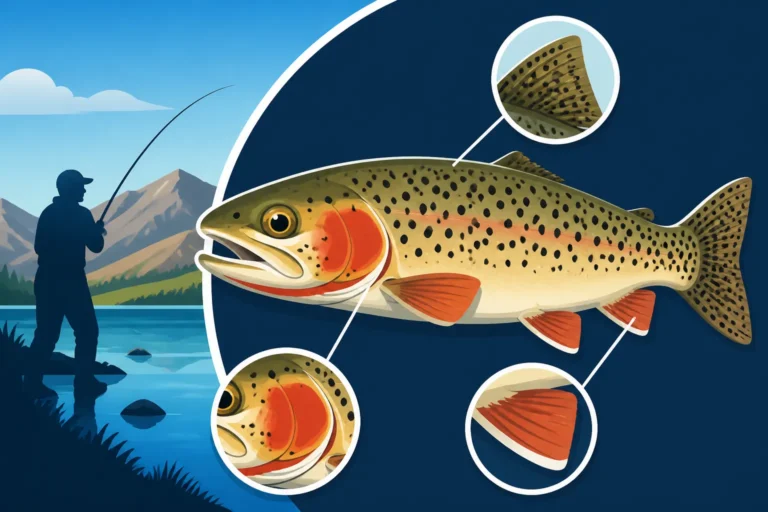
Cui-ui have a distinctive downturned, thick-lipped mouth situated on the underside of their head, perfect for sifting food from the lakebed. Their bodies tend to be more torpedo-shaped and uniformly silvery-gray. Lahontan cutthroat trout, on the other hand, have a more typical trout-like mouth at the front of their head, often with a prominent "cutthroat" slash of red or orange under the jaw. They also tend to have more pronounced spotting and varying coloration, from silvery to olive green. Always refer to your Nevada Fishing Regulations Explained booklet or a laminated fish identification card (many are available online through Amazon or at local tackle shops) to confirm your catch before making any decisions about keeping it. When in doubt, it’s always best to practice responsible catch and release. This goes for all species, but especially for the rare and protected cui-ui.
Here's a quick comparison to help you tell them apart:
| Feature | Cui-ui (Chasmistes cujus) | Lahontan Cutthroat Trout (Oncorhynchus clarkii henshawi) |
|---|---|---|
| Mouth Position | Subterminal (underside of head), downturned, thick lips | Terminal (front of head), more pointed |
| Body Shape | More slender, elongated, often uniformly silvery | More robust, typical trout shape, often deeper-bodied |
| Coloration | Silvery-gray, sometimes with a darker back | Variable (silvery, olive, brassy), distinct dark spots, red/orange "slash" under jaw |
| Fins | Relatively smaller, less pronounced | Well-developed, often with some spotting on dorsal and caudal fins |
| Status | Federally endangered, strictly catch-and-release required | Native species, populations managed, specific bag/size limits apply |
| Diet | Primarily plankton and bottom detritus | Mostly smaller fish, insects, crustaceans |
Supporting Conservation Efforts
Every angler at Pyramid Lake plays a role in the ongoing conservation of the cui-ui and the health of the entire ecosystem. By purchasing a Pyramid Lake Fishing Permit Guide, you're directly contributing to the tribal programs that fund critical recovery efforts. Adhering to all regulations, especially the strict catch-and-release for cui-ui, isn't just about avoiding penalties; it's about being a good steward of the environment.
Beyond compliance, you can support conservation by being observant. If you ever witness someone illegally harming or possessing a cui-ui, reporting it to the tribal authorities or game wardens is an important step. Furthermore, spreading awareness among fellow anglers about the unique status of the cui-ui and the importance of its protection helps foster a community of responsible recreationists. The more people who understand the value of this incredible, ancient fish, the better its chances for a thriving future at Pyramid Lake. Respecting the sacred connection the Pyramid Lake Paiute Tribe has with this water and its creatures is part of the privilege of fishing here.
Disclaimer
This article is for general informational purposes only and does not constitute professional advice. Laws, prices and regulations vary by location and change over time. Consult a qualified professional for guidance on your specific situation.