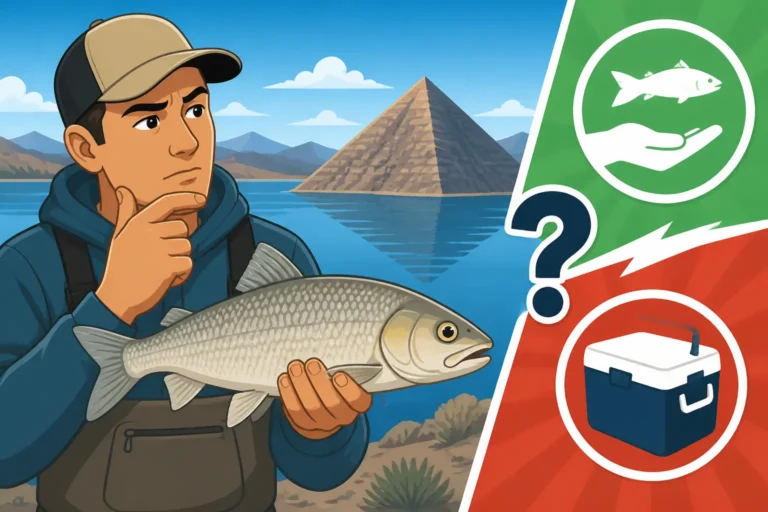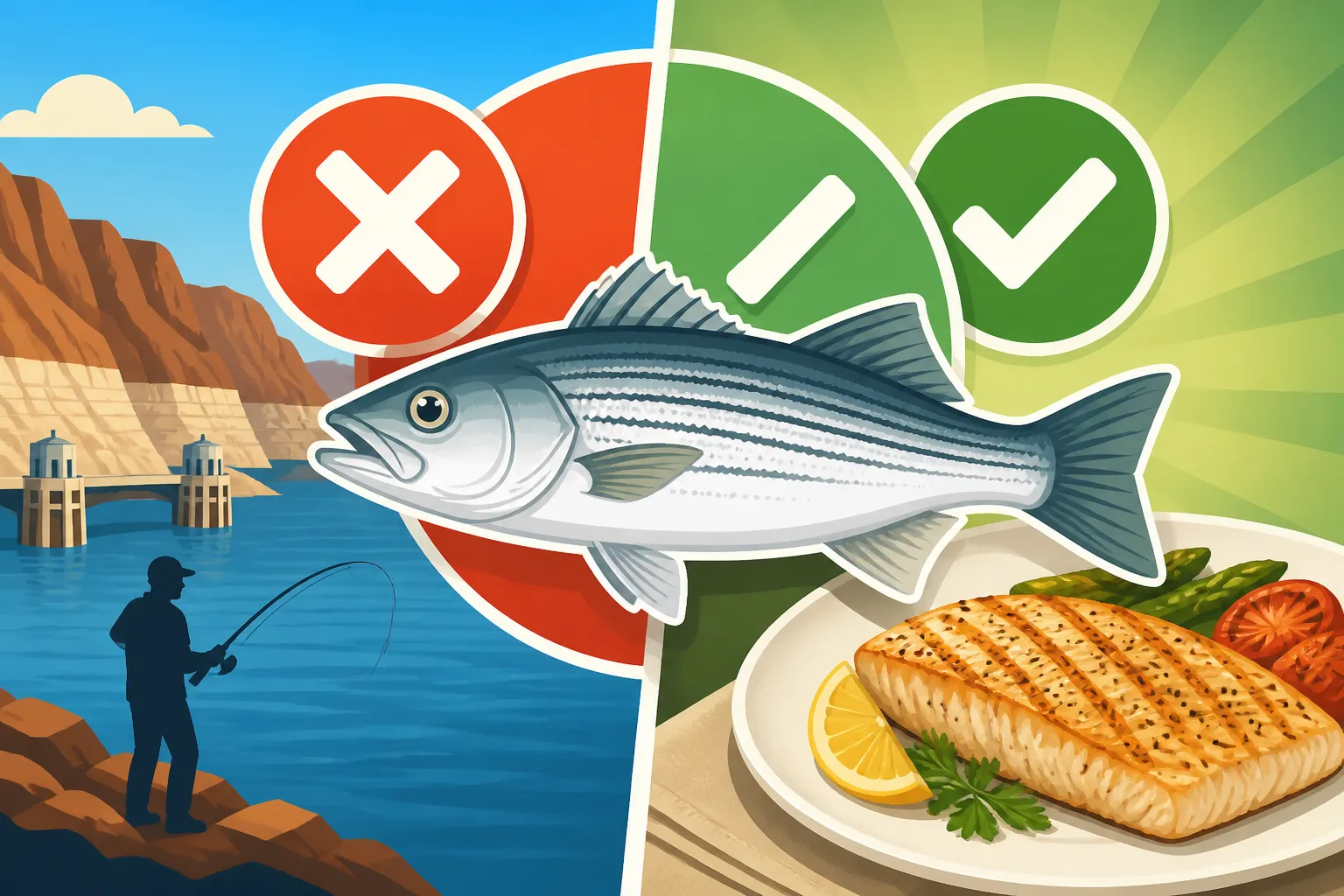
Is it safe to eat striped bass from Lake Mead?
It’s a question many anglers ponder, especially when pulling a beautiful striped bass out of the shimmering waters of Lake Mead: is this fish safe to eat? In our arid Nevada landscape, concerns about water quality and what that might mean for our dinner plate are totally valid. You work hard for your catch, and you want to enjoy it without worry. This guide will dive deep into the factors influencing the safety of eating striped bass from Lake Mead, providing you with the information and best practices to confidently enjoy your next fish fry.
The Big Question: Eating Striped Bass from Lake Mead
Let's get right to it: generally speaking, striped bass from Lake Mead are considered safe to eat, but there are important considerations and guidelines to keep in mind, just like with any wild-caught fish. It’s not a simple yes or no answer, because factors like the size of the fish, how often you consume it, and how you prepare it all play a role. Many seasoned Nevada anglers regularly enjoy their Lake Mead stripers, but they also tend to be aware of the nuances.
The Nevada Division of Wildlife (NDOW) and other environmental agencies consistently monitor fish populations and water quality in Lake Mead. Their goal is to ensure that recreational activities, including fishing and consuming your catch, remain as safe as possible for the public. They don't want anyone getting sick from something they caught right here in our backyard. While they don't issue blanket "do not eat" advisories for striped bass, they do provide consumption guidelines that are smart to follow, especially for vulnerable populations or frequent consumers. It's about being informed, not fearful. You can find more general information about various species in our Nevada Fish Species Guide.
What Makes People Worried About Fish from Lake Mead?
It's completely understandable why some folks might feel a bit apprehensive about eating fish from such a large, urban-adjacent reservoir. Lake Mead is an essential water source, and like any big body of water, it collects runoff from a vast watershed. Historically, there have been concerns about various contaminants, from agricultural runoff to industrial byproducts, making their way into the lake. These worries aren't unfounded; it's a responsible thought process.
One of the primary concerns often raised, and not just for Lake Mead but for many large freshwater bodies, is the presence of mercury. Mercury can accumulate in fish over time, especially in larger, older predatory species. Striped bass are indeed predators, and they can grow quite large, leading some to wonder about their mercury levels. Another, less common but still relevant, concern can be polychlorinated biphenyls (PCBs) or other persistent organic pollutants. These compounds, if present, can also bioaccumulate in fish tissue. The fluctuating water levels of Lake Mead, often seen in news reports, also lead some to question if concentrated contaminants might be an issue. However, agencies are on top of monitoring these situations.
Understanding Potential Concerns: Contaminants and Lake Mead
When we talk about contaminants in fish, we're usually focusing on substances that can accumulate in the fish's flesh and potentially cause health issues in humans if consumed in large enough quantities over time. It’s a complex topic, but understanding the basics can help you make informed decisions.
Mercury in Fish
Mercury is a naturally occurring element, but it can also be released into the environment through human activities like burning coal. Once in water, certain bacteria can transform it into methylmercury, a highly toxic form that fish absorb through their gills and diet. This methylmercury then accumulates in the fish's tissues.
Larger, older predatory fish tend to have higher levels of mercury because they eat many smaller fish, each with its own mercury load – a process called biomagnification. Think of it like a pyramid: the big fish at the top have absorbed the mercury from all the fish below them in the food chain. For striped bass in Lake Mead, their diet often consists of threadfin shad and other smaller baitfish. The good news is that agencies continually monitor mercury levels in various fish species from Lake Mead. These monitoring programs help inform any consumption advisories. While mercury is a concern for many species in many waters worldwide, specific guidance often suggests limiting consumption of larger, older fish rather than outright avoiding them.
Other Potential Contaminants: PCBs and Pesticides
Beyond mercury, other chemical compounds such as PCBs (polychlorinated biphenyls) and certain pesticides have been historical concerns in some aquatic environments. PCBs were widely used in industrial applications for decades before being banned due to their persistence in the environment and toxicity. Similarly, some older pesticides can linger.
Again, these are typically monitored by environmental agencies. For Lake Mead, specific advisories relating to PCBs or pesticides for striped bass are rare, which is reassuring. The overall understanding is that Lake Mead’s ecosystem is generally healthy enough to support fish consumption within reasonable limits. However, being mindful of where your food comes from and how it might be affected by its environment is always a smart approach. This is why following any local or state Nevada Fishing Regulations Explained is so crucial.
Smart Practices for Safe Consumption of Your Catch
So, you've landed a beautiful Lake Mead striper and you're ready to cook it up. What are the best practices to ensure it's as safe and delicious as possible? It boils down to a few key areas: selective harvesting, proper cleaning, and smart cooking.
Selective Harvesting: Size Matters
This is perhaps the most important tip when it comes to minimizing your exposure to potential contaminants like mercury. Remember how we talked about biomagnification? Smaller, younger fish generally have lower levels of accumulated contaminants than their larger, older counterparts.
- Go for the smaller ones: While it's thrilling to catch a trophy-sized striped bass, if your goal is eating, consider keeping the medium-sized fish within the slot limits. These fish are typically younger and have had less time to accumulate contaminants. They also often have better texture and flavor for eating anyway! The thrill of the fight doesn't always translate to the best eating experience with really large, old fish.
- Check local guidelines: Always double-check current NDOW regulations, as they sometimes issue specific advisories or recommended consumption limits for certain species and sizes. These advisories are in place to protect public health. You can often find these in the annual fishing regulations booklet or on their website.
Proper Cleaning and Preparation
How you handle your fish from the moment it leaves the water to when it hits the plate can significantly impact its safety and taste.
- Bleed your fish immediately: This is a pro tip for better-tasting fish. When you land a striper you intend to keep, cut the gills or tail immediately to allow the blood to drain. This greatly improves the flavor and shelf life of the fillets.
- Keep it cold: Fish spoilage happens fast, especially in Nevada's heat. Get your fish on ice as quickly as possible. A good quality cooler, readily available on platforms like Amazon, is absolutely essential. Don't just throw it in the bottom of the boat; pack it in a slurry of ice and water. Fast chilling prevents bacterial growth. You want that internal temperature to drop quickly.
- Fillet properly: When filleting, focus on removing the lean meat. Trim away dark meat, skin, and fatty tissues, especially along the lateral line. Contaminants like PCBs tend to accumulate in fat. By removing these parts, you're naturally reducing potential exposure. Also, avoid eating the internal organs.
- Cooking methods: While cooking doesn't remove mercury, it can help reduce other fat-soluble contaminants if they are present. Methods like baking, broiling, or grilling that allow fat to drain away are preferable to frying, where the fat is sealed in.
Understanding Consumption Advisories
The state agencies typically provide guidelines, not outright bans, based on factors like frequency of consumption and individual vulnerability.
| Factor | General Guideline for Lake Mead Striped Bass (Informational) | Rationale |
|---|---|---|
| Fish Size | Prefer smaller to medium-sized fish | Less accumulation of mercury and other persistent contaminants in younger fish. |
| Consumption Rate | Limit consumption for sensitive groups (pregnant/nursing women, young children) | Higher sensitivity to potential neurodevelopmental effects of mercury. |
| Trimming Fat | Always remove skin and dark, fatty tissue | Many fat-soluble contaminants (like PCBs) accumulate in fatty areas. |
| Cooking Method | Bake, broil, grill to allow fat to drain | Helps reduce intake of fat-soluble contaminants; frying seals them in. |
| Variety | Consume a variety of fish from different sources | Diversifying your diet helps minimize exposure from any single source or species. |
This table offers general guidelines based on common practices and scientific understanding. Always refer to the most current advisories from the Nevada Division of Wildlife or local health authorities for the most precise and up-to-date recommendations.
Storage and Handling Beyond the Lake
Even after you've cleaned your catch, how you store it before cooking is vital. For optimal freshness and safety, consume fresh fish within a day or two. If you plan to store it longer, vacuum sealing and freezing quickly is your best bet. A well-sealed, frozen fillet can last for several months without significant quality degradation. Remember, a quick cool-down is paramount. For more tips on keeping your catch fresh, check out advice on Best cooler for keeping fish on hot days.
Beyond Stripers: Other Lake Mead Fish and General Guidelines
Lake Mead is home to a diverse array of fish species, and while striped bass often steal the spotlight, anglers frequently catch other species. The safety considerations can vary slightly depending on the fish.
Other Popular Species in Lake Mead
- Largemouth and Smallmouth Bass: These are also popular sportfish in Lake Mead. Similar to striped bass, they are predatory and can accumulate mercury, though generally at slightly lower levels than the largest stripers. The same "smaller is better for eating" rule applies. You can learn more about these fish in our Largemouth Bass Fishing in Nevada and Smallmouth Bass Fishing in Nevada guides.
- Channel Catfish: Catfish are bottom dwellers and filter feeders. While they might accumulate different types of contaminants than predatory fish, they are generally considered good eating. Again, proper cleaning and fat removal are key.
- Crappie and Bluegill: These panfish are generally considered very safe to eat and are excellent table fare. Due to their smaller size and position lower on the food chain, they typically have very low levels of contaminants. They're often a great choice for family meals.
When thinking about any species, always ask yourself: Is it a large, long-lived predator? If so, consider more moderate consumption. Is it a smaller, shorter-lived fish lower on the food chain? These are generally excellent choices for more frequent meals.
General Principles for All Wild-Caught Fish
Regardless of where you're fishing or what species you're targeting, these principles will always serve you well:
- Stay Informed: Always consult the most current fishing regulations and consumption advisories from state and local authorities. These are updated regularly based on scientific monitoring.
- Practice Selective Harvest: If eating is your primary goal, target medium-sized fish rather than the biggest trophies.
- Proper Handling is Key: Bleed your fish, get it on ice immediately, and clean it thoroughly, removing skin and fatty tissues.
- Vary Your Diet: Don't rely solely on one type of fish from one location. Enjoy a diverse diet that includes different species from various sources. This natural diversification helps balance any potential risks.
- Listen to Your Body: If you have any underlying health conditions, or if you are pregnant, nursing, or fishing for young children, consult with a healthcare provider about fish consumption guidelines.
Enjoying the bounty of Lake Mead is one of the great joys of Nevada fishing. With a little knowledge and some mindful practices, you can feel confident in sharing your fresh-caught striped bass with family and friends. For more on catching these incredible fish, be sure to check out How to Fish for Striped Bass in Nevada. Happy fishing and even happier eating!
Disclaimer
This article is for general informational purposes only and does not constitute professional advice. Laws, prices and regulations vary by location and change over time. Consult a qualified professional for guidance on your specific situation.