Best Boat Trailer for Nevada Reservoirs
Hauling your prized fishing boat across Nevada's vast and often rugged landscape to reach those shimmering reservoirs presents a unique challenge. You're not just moving a boat; you're safeguarding an investment against unforgiving desert heat, dusty roads, and challenging launch ramps. This guide is all about helping you navigate the sometimes-overwhelming world of boat trailers, ensuring you pick the best one to protect your vessel and make your fishing adventures as smooth as possible, from the driveway to the water's edge and back again.
Understanding Nevada's Reservoir Terrain and Trailer Demands
Nevada isn't your average fishing destination with lush, easily accessible lakeshores. Our reservoirs, from the expansive waters of Lake Mead to the high-desert beauty of Wildhorse, come with their own set of specific demands on your equipment, especially your boat trailer. It’s crucial to understand these environmental factors before you even start looking at trailer models.
The Challenge of Remote and Unpaved Ramps
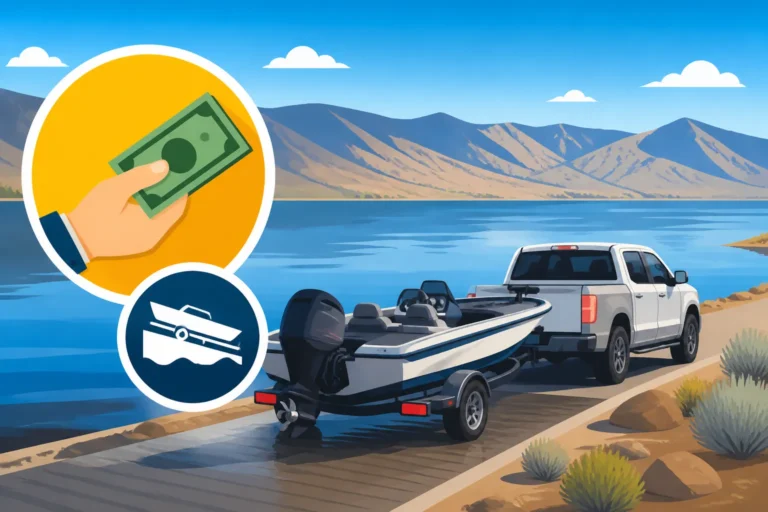
Think about some of the lesser-known, more secluded fishing spots in Nevada. Often, the paved road ends well before the water does. You might find yourself on a gravel road, a dirt track, or even a washboard surface that tests every nut and bolt on your trailer. A trailer designed for pristine concrete ramps won't last long when it's regularly bouncing over rocks and ruts to reach a remote launch point. You need a trailer built to absorb punishment, with a robust frame and dependable tires that can handle sharp stones and uneven ground without flinching. Many anglers have stories of flat tires or even structural damage from underestimating these rough access roads. It's not just about getting to the water; it's about getting back without a roadside repair nightmare.
Exposure to Harsh Desert Elements
The Nevada desert is beautiful, but it's also relentlessly harsh on anything left outdoors. Your boat trailer will be subjected to intense UV radiation from the sun, extreme temperature fluctuations between day and night, and constant exposure to fine, abrasive dust. This isn't just a comfort issue for you; it's a structural integrity issue for your trailer. Components like wiring, tires, bearings, and even the paint or finish can degrade rapidly under these conditions. A cheap trailer might look fine in a shaded showroom, but after a few seasons baking in the Nevada sun at a place like Lake Mohave, you'll see rust developing and hoses cracking. Protecting your trailer from these elements, or choosing one built to resist them, is paramount to its longevity.
Varying Water Levels and Submerged Obstacles
Nevada's reservoirs are notorious for fluctuating water levels, sometimes dramatically. What was a deep-water launch ramp last year might be a shallow, rocky entry point this year. This means your trailer might be backed much further into the water, exposing more of its frame and components to the water, which can be alkaline or mineral-rich depending on the lake. Additionally, low water levels reveal all sorts of submerged obstacles – rocks, old tree stumps, even lost fishing gear – that can damage a trailer's fenders, axles, or bunks if you're not careful. You need a trailer that can handle being partially submerged frequently, with components designed to resist corrosion, and enough ground clearance to navigate those tricky low-water situations. The wrong trailer can turn a simple launch into a frustrating and potentially damaging ordeal, especially at reservoirs where water levels are a constant topic of conversation among local anglers.
Key Features to Look for in a Nevada Boat Trailer
Now that we've painted a picture of the demanding environment, let's dive into the specific features that will help your boat trailer stand up to the challenge. Choosing wisely here can save you a world of headaches and repair bills down the road.
Material and Construction: Galvanized vs. Aluminum
When it comes to the core structure of your boat trailer, the material makes a huge difference, especially in Nevada's conditions.
- Galvanized Steel Trailers: These trailers are made from steel that has been hot-dip galvanized, meaning it's coated in a layer of zinc. This zinc layer provides excellent corrosion resistance, which is fantastic when you're repeatedly backing your trailer into various lake waters, from freshwater to potentially more mineral-rich or even slightly alkaline environments. Galvanized trailers are generally heavier and incredibly durable, able to withstand the bumps and scrapes of unpaved access roads without significant structural damage. They can be a bit more expensive upfront, but their ruggedness and ability to resist rust make them a solid choice for the Nevada angler who frequents different reservoirs. While the zinc coating is tough, constant exposure to abrasive dust and gravel can eventually wear it down, so occasional touch-ups might be needed in high-wear areas.
- Aluminum Trailers: Aluminum trailers are significantly lighter than their galvanized counterparts, which can be a big plus for fuel economy and for towing with a smaller truck or SUV, as long as it meets the Best Truck for Towing a Boat in Nevada guidelines. Aluminum is inherently corrosion-resistant, meaning it won't rust like steel. This is a huge advantage for components that are frequently submerged. However, aluminum is generally not as strong as steel. While marine-grade aluminum trailers are designed to be robust, they can be more susceptible to bending or denting from impacts, which might be a concern if you're regularly traversing very rough, rocky terrain. They also tend to be a higher upfront investment. For anglers who prioritize weight savings and excellent corrosion resistance on mostly paved or well-maintained gravel roads, aluminum can be a fantastic option.
Here’s a quick comparison:
| Feature | Galvanized Steel Trailer | Aluminum Trailer |
|---|---|---|
| Corrosion Resistance | Excellent (zinc coating) | Excellent (inherent material) |
| Durability/Strength | Very high, impact resistant | High, lighter-duty impacts |
| Weight | Heavier | Lighter |
| Cost | Mid to High | High |
| Best Use Case | Rough roads, frequent submersion, heavy boats | Paved/light gravel roads, lighter boats, fuel economy |
Suspension Systems: Torsion Axle vs. Leaf Spring
The ride your boat gets on the road is directly influenced by the trailer's suspension system. This isn't just about comfort; it's about protecting your boat from jarring impacts and ensuring stable towing.
- Leaf Spring Suspension: This is the traditional and most common type of suspension, similar to what you'd find on many trucks. It uses steel leaf springs to absorb shocks. Leaf spring systems are generally less expensive, easy to repair, and widely available. They are robust and can handle heavy loads. However, they can provide a stiffer ride, which means more bumps are transferred to your boat. They also have more moving parts (shackles, hangers) that can wear out over time and are more susceptible to rust, especially if frequently submerged in water. For the budget-conscious angler who doesn't mind a slightly rougher ride and is diligent about maintenance, leaf springs are a tried and true option.
- Torsion Axle Suspension: Torsion axles are a more modern and often preferred option for boat trailers. Instead of springs, they use rubber cords encased within the axle beam. When the wheel hits a bump, the arm rotates, twisting the rubber cords which then absorb the shock. This provides an independent suspension for each wheel, resulting in a much smoother ride for your boat and better tracking on the road. Torsion axles have fewer moving parts than leaf springs, meaning less maintenance and fewer potential points of failure or rust. They also offer a lower profile, which can make launching easier. The main drawbacks are a higher upfront cost and potentially more expensive repairs if something goes wrong, as the entire axle often needs replacement. For those who prioritize a smooth ride, minimal maintenance, and superior protection for their boat, especially on rough Nevada roads, a torsion axle system is often worth the investment.
Brakes and Lights: Essential for Safety and Legality
These aren't glamorous features, but they are non-negotiable for safety and compliance with Nevada Boat Registration and Titling Guide.
- Brakes: Nevada law typically requires brakes on trailers exceeding a certain gross weight. Even if your trailer is just under that threshold, having brakes is a huge safety advantage, especially when towing a heavy boat through mountainous terrain or needing to stop quickly on a busy highway. Surge brakes are common on boat trailers, activating automatically when your tow vehicle slows. Electric over hydraulic brakes, while more complex and expensive, offer superior stopping power and adjustable braking. Always ensure your trailer's braking system is properly maintained, as it's your primary defense against accidents.
- Lights: Functional trailer lights are not just a legal requirement; they are vital for visibility, especially during those early morning launches or late-night returns from the lake. Ensure your trailer has proper running lights, brake lights, turn signals, and side marker lights. Look for sealed, waterproof LED lights, as they are far more durable and reliable than incandescent bulbs, especially when frequently submerged. The harsh Nevada sun can also degrade wiring over time, so check for robust, protected wiring harnesses. If you're sourcing parts or even a new trailer, looking at options from reputable outdoor retailers like Bass Pro Shops or even general online marketplaces like Amazon can give you a good idea of quality and features in lighting systems.
Trailer Types and Their Suitability for Nevada
Beyond the materials and suspension, the fundamental design of the trailer's cradling system plays a significant role in how easily and safely you can transport and launch your boat.
Bunk Trailers: The Workhorses of Reservoir Boating
Bunk trailers are arguably the most common and robust option for Nevada anglers, and for good reason. Your boat rests on carpeted wooden "bunks" that run along the length of the hull. This provides excellent support for the boat's keel and sides, distributing the weight evenly across a large surface area.
- Pros: Bunk trailers offer superior hull support, which is critical when hauling a boat over long, bumpy distances to reservoirs like Wildhorse or Lake Mead. They generally have fewer moving parts than roller trailers, leading to less maintenance and fewer potential points of failure. They are also often more affordable. For fiberglass boats, the even support of bunks is preferred to prevent hull distortion. When backing down a ramp, the boat tends to self-center on the bunks, making launching and retrieving a bit more forgiving once you get the hang of it.
- Cons: The primary drawback of bunk trailers is that they require more water depth to launch and retrieve the boat. The bunks need to be sufficiently submerged to allow the boat to float off or on. This can be a challenge at ramps with low water levels or very shallow grades, which are not uncommon in some Nevada reservoirs. You might have to back your tow vehicle further into the water, potentially getting your vehicle's tires wet, which isn't ideal for longevity, especially in corrosive water. However, for most well-maintained ramps, a bunk trailer is an excellent choice.
Roller Trailers: When Launching Flexibility is Key
Roller trailers, as the name suggests, support your boat on a series of rollers rather than fixed bunks. This design offers a different set of advantages, particularly concerning launching.
- Pros: The biggest advantage of a roller trailer is the ease of launch and retrieval, especially in shallow or tricky water conditions. Since the boat rolls on and off, you don't need as much water depth to get it floating or onto the trailer. This can be a game-changer at some of Nevada's more rustic or low-water ramps. You also won't have to back your tow vehicle as far into the water, reducing exposure for your truck. If you have a particularly heavy boat or frequently fish in areas with unpredictable water levels, a roller trailer can offer significant convenience.
- Cons: While convenient for launching, roller trailers provide less overall hull support than bunk trailers, as the boat's weight is concentrated on individual rollers. This can be a concern for very long hauls or for certain hull types, particularly fiberglass, where pressure points could potentially cause stress or damage over time. The numerous moving parts (the rollers themselves, their brackets, and axles) also mean more maintenance is required to keep them spinning freely and to prevent corrosion. Rollers can also stick or flatten over time, making launching more difficult. They are generally more expensive than bunk trailers and can require more careful alignment during retrieval to ensure the boat centers correctly.
Single vs. Tandem Axle: Stability and Capacity Considerations
The number of axles your trailer has directly impacts its weight capacity, stability, and handling characteristics.
- Single Axle Trailers: These trailers have one axle and two wheels. They are lighter, more maneuverable, and generally less expensive to purchase and maintain. For smaller boats (typically under 20 feet or lighter weights), a single axle trailer is often sufficient. They are easier to back up and require less space to store. However, they have a lower weight capacity and offer less stability on the road, especially at higher speeds or in windy conditions, which can be a factor when traveling across open stretches of Nevada desert. A tire blowout on a single axle trailer means the entire load is suddenly compromised.
- Tandem Axle Trailers: Featuring two axles and four wheels, tandem axle trailers are the standard for larger, heavier boats. They offer significantly higher weight capacity and provide a much more stable and smoother ride. The extra set of wheels distributes the load more effectively, reducing sway and bounce. This added stability is a huge advantage when towing long distances or in crosswinds common in the Nevada landscape. If you experience a flat tire on a tandem axle, you can often limp to the nearest service station, as the other three tires can still support the load. The trade-off is higher cost, increased weight, greater turning radius, and more tires to maintain and replace. For most mid-to-large sized fishing boats destined for Nevada's larger reservoirs, a tandem axle trailer is the safer and more sensible choice. Remember to consider your Nevada Boat Registration Fees by Length when choosing between these options, as longer or heavier trailers can sometimes have different fee structures.
Maintenance Tips for Longevity in the Nevada Climate
A boat trailer isn't just something you buy and forget about. In Nevada's climate, diligent maintenance is absolutely critical to prevent premature wear and tear, and to ensure you're not left stranded with a broken-down trailer miles from home.
Protecting Against Sun and Heat Damage
The relentless Nevada sun is a silent killer for many trailer components. UV rays degrade plastics, rubber, and paint faster than you might imagine.
- Tires: UV exposure and extreme heat are merciless on trailer tires. Always keep your tires properly inflated according to the manufacturer's recommendations. Under-inflated tires generate more heat and are prone to blowouts. When your boat is stored, consider investing in tire covers to shield them from the sun's harsh rays. If possible, park the trailer in a shaded area or under a carport. Inspect tires regularly for cracks, bulges, or excessive wear.
- Wiring and Hoses: The sun can make rubber and plastic brittle. Check all wiring harnesses for cracks or exposed wires, especially those leading to your lights. Replace any damaged sections promptly. Inspect brake lines (if applicable) and any hydraulic hoses for signs of degradation. Using marine-grade, UV-resistant wiring and hoses whenever possible, or adding conduit for protection, can extend their lifespan significantly.
- Finish: Whether your trailer is galvanized, painted, or aluminum, the sun will take its toll. For painted trailers, waxing helps protect the finish. For galvanized trailers, regular cleaning and inspection for areas where the zinc coating might be compromised are key. If storing long-term, consider a full boat cover that also drapes over some of the trailer to offer additional protection.
Addressing Dust and Grime Buildup
Nevada's desert environment means dust is a constant companion. This fine, abrasive dust can infiltrate moving parts and accelerate wear.
- Bearings: Wheel bearings are perhaps the most critical component on your trailer, and they are highly susceptible to dust and water intrusion. After every trip, especially if the trailer has been submerged, it's wise to inspect your bearing protectors and consider repacking or greasing the bearings periodically. Many modern trailers come with bearing buddies or similar systems that allow you to easily add grease. Don't skip this step! It's far better to spend a few minutes greasing bearings than to be stuck on the side of a highway with a seized wheel.
- Brakes: Dust and grime can get into brake assemblies, reducing their effectiveness and accelerating wear. If you have drum brakes, consider cleaning them out periodically, especially after dusty trips. Disc brakes are generally more self-cleaning but still benefit from occasional inspection. After backing into water, especially silty or muddy water, a quick rinse with fresh water can help prevent sediment buildup.
- General Cleaning: A simple rinse with fresh water after each trip, especially if you've been on dusty roads or backed into the lake, can go a long way. This washes away road grime, dust, and any mineral deposits from the water. For more stubborn grime, a gentle soap and brush can work wonders. Remember, keeping it clean helps you spot potential problems sooner.
Pre-Trip and Post-Trip Inspection Routines
Establishing a routine for inspecting your trailer before and after each fishing adventure is the single best way to ensure its reliability.
- Pre-Trip Checklist: Before you even leave your driveway, do a quick walk-around.
- Tires: Check pressure, look for cuts, bulges, or embedded objects.
- Lights: Test all lights – running, brake, turn signals. Make sure your vehicle's connection is secure.
- Coupler: Ensure the coupler is securely latched to your hitch ball and the safety pin is in place.
- Safety Chains: Cross the safety chains under the coupler and attach them to your tow vehicle.
- Winch Strap/Chain: Verify your boat is securely attached to the winch post.
- Tie-Down Straps: Make sure the transom and bow straps are tight and secure. Nobody wants their boat bouncing around or, worse, coming off the trailer. For long trips, consider using extra straps, especially for heavier boats heading to distant spots like Pyramid Lake Nevada Fishing Guide.
- Bearings: Give the hubs a quick feel. If they are excessively hot from previous use, there might be a bearing issue.
- Post-Trip Checklist: Once you're home and the boat is off (or even before you put it away):
- Rinse: Thoroughly rinse the entire trailer, especially any parts that were submerged in the lake, to remove salt, minerals, or dirt.
- Inspect: Look for new dings, dents, loose bolts, or any signs of corrosion.
- Bearings: If your trailer has bearing protectors, you might add a pump of grease.
- Damage Check: Inspect fenders, bunks/rollers, and wiring for any damage incurred during the trip. This proactive approach saves you from nasty surprises on your next outing.
Important Legal and Practical Considerations
Owning a boat trailer in Nevada isn't just about the trailer itself; it involves a whole host of legal responsibilities and practical realities to ensure safe and compliant travel.
Nevada Boat Trailer Registration and Requirements
Just like your boat and tow vehicle, your trailer needs to be properly registered and adhere to state laws. This isn't something to take lightly.
- Registration: All boat trailers operated on Nevada public roadways must be registered with the Department of Motor Vehicles (DMV). This involves titling the trailer in your name, obtaining license plates, and paying applicable fees. You'll need documents like the manufacturer's statement of origin or a bill of sale, and proof of identification. The specific requirements can vary, so it's always a good idea to consult the Nevada Boat Registration Paperwork Checklist or visit the DMV website for the most up-to-date information.
- Plate Display: Your trailer's license plate must be clearly visible, securely attached, and properly illuminated, especially when towing at night. A missing or obscured plate is an easy way to get pulled over.
- Insurance: While not always mandatory for the trailer itself (it's often covered by your tow vehicle's liability insurance when attached), it's highly recommended to verify your insurance coverage for your trailer in case of an accident or theft.
- Maintenance of Legality: Beyond initial registration, ensuring your lights work, tires are roadworthy, and safety chains are present are all part of maintaining its legal status on the road. Penalties for non-compliance can range from fines to having your vehicle impounded, which is a headache nobody needs when trying to enjoy a fishing trip.
Towing Vehicle Matching and Capacity
This is where many people make a critical mistake: underestimating the demands of towing. Your trailer choice is only half the equation; your tow vehicle needs to be up to the task.
- Towing Capacity: Every vehicle has a maximum towing capacity, which is the total weight it can safely pull. This capacity includes the weight of the trailer itself (dry weight), plus the weight of your boat, all your fishing gear, fuel in the boat, and anything else you load onto the boat or trailer. Never exceed your vehicle's stated towing capacity. Doing so is not only dangerous but can also void warranties and lead to excessive wear and tear on your vehicle's engine, transmission, and brakes. Check your vehicle's owner's manual for precise figures.
- Tongue Weight: This is the downward force exerted by the trailer's tongue onto your hitch ball. Proper tongue weight (usually 10-15% of the total trailer weight) is crucial for stable towing. Too little tongue weight can cause dangerous swaying (often called "fishtailing"), while too much can overload your tow vehicle's rear axle and affect steering. Adjusting the boat's position on the trailer or moving gear can help optimize tongue weight.
- Brakes and Mirrors: As mentioned, trailer brakes are vital, especially with heavier loads. Your tow vehicle should also be equipped with properly functioning brakes. Additionally, extendable towing mirrors can significantly improve your visibility around your boat and trailer, a must-have for safe lane changes and backing up. These are often easy to find at stores like Bass Pro Shops or through online vendors like Amazon. It's also worth looking into the Nevada Boater Education Card Requirement for additional safety knowledge.
Securing Your Boat for Travel Across Long Distances
Driving long distances in Nevada, especially on highways with variable speeds and potential wind gusts, requires that your boat is absolutely secure on its trailer.
- Bow and Transom Straps: Always use a bow strap (or chain) from the boat's bow eye to the trailer's winch post, and transom straps that secure the stern of the boat to the trailer frame. These three points of contact prevent the boat from moving forward, backward, or bouncing excessively. Ensure they are tightened firmly but without over-tightening to avoid hull damage.
- Additional Tie-Downs: For exceptionally long trips, rough roads, or very windy conditions, consider additional tie-down straps over the top of the boat. These can run from a solid point on one side of the trailer, over the boat, and to a solid point on the other side. This is particularly important for boats with tall windshields or cabins that can catch a lot of wind.
- Gear Inside the Boat: Don't forget to secure everything inside your boat! Loose fishing rods, tackle boxes, coolers, and other items can become projectiles on bumpy roads or during sudden stops. Stow everything securely in compartments or tie it down. A well-organized storage system, perhaps with items from a place like Bass Pro Shops or even custom solutions, can make a huge difference in protecting your gear and your boat's interior. You might find ideas for Best Storage Solutions for Fishing Gear in another one of our posts. Imagine arriving at Lake Tahoe only to find your tackle box has exploded across your deck!
Choosing the right boat trailer for Nevada reservoirs is about more than just matching length and weight. It's about understanding the unique challenges of our desert environment and selecting equipment that is robust, reliable, and properly maintained. Invest wisely, maintain diligently, and you'll enjoy countless safe and successful fishing adventures across the Silver State!
Disclaimer
This article is for general informational purposes only and does not constitute professional advice. Laws, prices and regulations vary by location and change over time. Consult a qualified professional for guidance on your specific situation.