Nevada Trout Stamp vs Regular License
It's easy to get tangled up in the rules and regulations when you're just trying to enjoy a peaceful day on the water in Nevada. Many anglers find themselves scratching their heads, wondering if a "regular" fishing license is enough or if they really need to shell out extra for a "trout stamp." This comprehensive guide will untangle that confusion, clearly outlining the differences between a basic Nevada fishing license and the additional trout stamp, so you'll know exactly what you need before you cast your line.
Understanding the Foundation: Your Nevada Fishing License
Before we even get to the specific nuances of trout fishing, let's nail down the basics of what a general Nevada fishing license entails. This is your foundational pass to enjoy the vast and varied fishing opportunities the Silver State offers.
Who Needs a Basic Nevada Fishing License?
First things first, nearly everyone aged 12 and older who wants to fish in Nevada's public waters needs a valid fishing license. It's not just a suggestion; it's a legal requirement designed to help fund the Nevada Department of Wildlife (NDOW) and their critical conservation efforts. This includes everything from managing fish populations to maintaining public access points.
There are, of course, a few specific scenarios where this rule might bend a little. For instance, Nevada usually hosts an annual Nevada Free Fishing Day Guide where certain licensing requirements are temporarily waived, offering a fantastic opportunity for newcomers or families to try fishing without the initial investment. However, these days are rare, and for the vast majority of your fishing adventures, a license is a must. If you're wondering about the specifics for the younger anglers in your family, our guide on Nevada Fishing License Age Requirements delves into who needs what at different stages. Generally, children under 12 can fish without a license, but it's always wise to double-check current regulations, as rules can occasionally change.
What a Regular License Covers and Doesn't
A standard Nevada fishing license is your golden ticket to pursue a wide array of fish species across countless lakes, reservoirs, and rivers. With it, you can target popular warm-water species like largemouth and smallmouth bass in places like Lake Mead, chase after the feisty channel catfish in many of the state's urban ponds, or try your hand at catching panfish like bluegill and crappie. It covers the vast majority of general sport fishing activities and is essential for any angler embarking on a trip to the state's diverse waters.
However, and this is where the main confusion arises, a regular fishing license, by itself, does not authorize you to harvest or possess trout in waters specifically designated by NDOW as "trout waters." If your plan involves keeping any trout, or even just fishing in an area known primarily for its trout populations, you'll almost certainly need something extra. Think of it like buying a ticket to a concert; the basic ticket gets you in, but a VIP pass is needed for backstage access. When you're ready to get yours, remember you can often find information on How to Buy a Nevada Fishing License Online or check our guide on Where to Buy a Nevada Fishing License for local vendors.
Deciphering the Nevada Trout Stamp
Now, let's talk about the trout stamp – that often-misunderstood endorsement that trips up even seasoned anglers visiting Nevada. It's not just another piece of paper; it's a crucial component of trout management in the state.
What Exactly is a Trout Stamp?
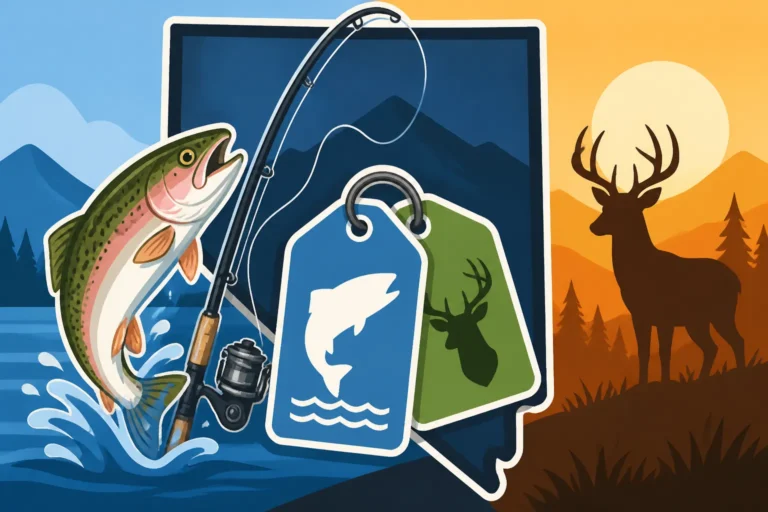
A Nevada Trout Stamp isn't a standalone license; it's an additional endorsement that you purchase to complement your existing basic fishing license. Think of it as an add-on or a specialty permit. Its primary purpose is to provide dedicated funding for the Nevada Department of Wildlife's comprehensive trout management programs. This includes everything from the intensive stocking efforts in many urban ponds and popular reservoirs to habitat restoration projects in natural trout streams, and even scientific research into wild trout populations.
You need a trout stamp if you intend to fish for, catch, or possess trout in any waters that NDOW has designated as "trout waters." This is a critical distinction. It means that if you're out there and you successfully land a trout in a designated trout water, even if you planned to release it, you should still have that stamp. The intent to possess, or the act of possessing, is what counts. Without the stamp, that trout must be immediately released back into the water. Our detailed Nevada Trout Stamp Requirements guide provides even more granular information on when and where this endorsement is a must-have.
Identifying "Trout Waters" in Nevada
Knowing when you need a trout stamp hinges entirely on knowing where you're fishing. Nevada Department of Wildlife clearly designates specific bodies of water as "trout waters," often due to their suitability for trout, active stocking programs, or the presence of native trout species. These can include iconic destinations like the Nevada side of Lake Tahoe, portions of the Truckee River, Wildhorse Reservoir, and many of the smaller, regularly stocked urban ponds found in areas like Las Vegas and Reno.
It's absolutely paramount to check the current Nevada Fishing Regulations booklet before heading out, as these designations can change, and new waters might be added or removed from the "trout water" list. This booklet is your bible for understanding all the nuances of where you can fish for what, and with what. You can often pick up a copy at most places that sell fishing licenses, or view it digitally on the NDOW website. Understanding these rules is a vital part of responsible angling, and our Nevada Fishing Regulations Explained article breaks down how to navigate these often-complex guidelines. When planning your trip, you might also want to explore our guide to the Best Nevada Trout Lakes to get a clearer picture of popular destinations where the stamp will certainly be required.
The Critical Differences and When Each is Needed
The core of the confusion between a regular license and a trout stamp lies in knowing precisely which one, or both, you need for your specific fishing plans. Let's break down some common scenarios to make it clearer.
Scenario 1: Fishing Exclusively for Non-Trout Species
If your angling adventure is focused solely on warm-water species, then a basic Nevada fishing license is all you need. Imagine you're spending a weekend at Lake Mead, known for its incredible striped bass and largemouth bass fishing. Your goal is to land a trophy striper or hook into some hard-fighting black bass. In this scenario, because you are not targeting or intending to keep any trout, and Lake Mead isn't primarily designated as a trout water where a stamp is needed for other species, your regular license will suffice. The same goes if you're bringing the kids to one of the urban ponds, but you're only targeting catfish or bluegill.
Many dedicated bass anglers spend countless hours pursuing their passion without ever needing a trout stamp. They might be casting soft plastics for largemouth in secluded coves or jigging for smallmouth off rocky points. If this describes your typical fishing trip, and you're confident you won't accidentally (or intentionally) encounter trout, then the basic license covers you. Dive deeper into techniques for these species with our How to Fish for Bass in Nevada guide, or explore the nuances of Channel Catfish Fishing in Nevada.
Scenario 2: Targeting Trout or Fishing in Trout Waters
This is the scenario where the trout stamp becomes absolutely essential. If you specifically intend to fish for trout, whether it's the iconic Lahontan cutthroat trout at Pyramid Lake (though Pyramid has its own unique permit, which we'll touch on later) or the stocked rainbow trout in a high mountain lake or urban pond, you must have both your valid basic Nevada fishing license AND a Nevada Trout Stamp. This requirement also applies if you are fishing in any waters specifically designated as "trout waters" by NDOW, even if you are theoretically targeting other species but trout are present.
What if you're fishing for bass in a river that also happens to hold trout, and you accidentally hook a rainbow? This is where understanding the rules is critical. If you do not possess a valid trout stamp, any trout caught must be immediately and carefully released back into the water. You cannot possess it, even for a quick photo, if you don't have the stamp. The rules are designed to protect these managed populations. Our guide on How to Fish for Trout in Nevada will prepare you for the pursuit, and always keep an eye on the Nevada Trout Daily Limit Rules to ensure you're compliant with possession limits.
Cost and Validity Comparison
The financial aspect is often what leads to the initial confusion. It's important to understand that the trout stamp is an additional cost on top of your regular fishing license. It's not a substitute.
Here's a simplified look at how the costs generally break down for Nevada residents and non-residents, keeping in mind that exact fees can change and may include small processing charges. For the most current figures, always consult the NDOW website or official regulations.
| License Type | Estimated Resident Cost (Annual) | Estimated Non-Resident Cost (Annual) |
|---|---|---|
| Basic Fishing License | $40.00 | $80.00 |
| Nevada Trout Stamp | $10.00 | $10.00 |
| Total (License + Stamp) | $50.00 | $90.00 |
Note: These are approximate annual costs for general illustration. Short-term licenses (1-day, 5-day) also have varying prices, and the trout stamp would be an additional fee on top of those if you opt for a shorter duration license.
The trout stamp's validity aligns with your basic fishing license. If you purchase an annual fishing license, your trout stamp will also be valid for that full license year. If you opt for a 1-day or 5-day license, you'll purchase a trout stamp that is also only valid for the duration of that short-term license. It’s always best to purchase both at the same time if you anticipate fishing for trout at all during your license period. For a full breakdown of all associated fees, including different durations and residency statuses, refer to our comprehensive Nevada Fishing License Cost Breakdown and specifically, the Nevada Trout Stamp Cost guide.
Common Misconceptions and Legality
It's easy to get caught up in rumors or misunderstandings when it comes to fishing regulations. Let's clear up some common points of confusion regarding the Nevada trout stamp.
The "Accidental Trout" Dilemma
One of the most frequent questions from anglers is about accidentally catching a trout when they don't have a trout stamp. Let's say you're fishing a river known for smallmouth bass, but it also has a healthy population of wild trout. You're using a lure that could attract either, and bam! You hook a beautiful rainbow trout. What do you do?
The law focuses on possession. If you do not have a valid trout stamp, you are legally prohibited from possessing that trout. This means you must immediately and carefully release it back into the water. Do not put it in your cooler, do not take it to shore for a photo session, and certainly do not keep it. Even a brief moment of possession without the proper endorsement can lead to fines and legal trouble. The spirit of the law is to ensure that anyone benefiting from the trout management programs by keeping trout contributes to those programs. This is why it's always safer to just get the stamp if there's any chance you might hook into a trout in designated waters, even unintentionally.
Trout Stamp for Short-Term Licenses
Another common misconception is that if you're just buying a short-term license, like a 1-day or 5-day permit, you might be exempt from the trout stamp. This is generally not the case. The requirement for a trout stamp is based on the species you're pursuing and the waters you're fishing, not the duration of your basic license.
So, if you're visiting Nevada for a weekend and plan to spend a day or two fishing for trout at, say, Lake Tahoe, you would need to purchase a 1-day or 5-day Nevada fishing license and a 1-day or 5-day Nevada Trout Stamp. They typically align in duration. It's often most convenient to purchase both at the same time through the NDOW online portal or an authorized vendor. This ensures you're fully covered for your trip. For more details on these shorter options, check out our Nevada 1-Day Fishing Permit Details.
Exceptions and Exemptions
While Nevada does have some Nevada Fishing License Exemptions and Discounts for certain groups, such as very young children, disabled veterans, or during specific events like Free Fishing Day, it's crucial to understand how these interact with the trout stamp. In most cases, if an exemption applies to the basic fishing license, it does not automatically exempt you from the trout stamp if you choose to target or possess trout in designated waters.
For instance, during Nevada's Free Fishing Day, the basic license requirement is often waived. However, if trout are being stocked or are present in the waters you're fishing on that day, and you intend to keep them, you might still be required to possess a trout stamp. Always, always check the specific rules and regulations for any exempted period or special event. It's rare for the trout stamp requirement to be waived entirely when trout are being targeted for harvest. The revenue from these stamps is too important for conservation efforts.
Why the Trout Stamp Matters: Conservation and Management
Beyond the legal requirements, it's really important to understand why the Nevada trout stamp exists. It's not just another fee; it's a vital tool for ensuring the long-term health and availability of trout fishing across the state.
Funding Nevada's Trout Programs
The revenue generated from the sale of Nevada Trout Stamps goes directly back into the state's trout management and conservation programs. This dedicated funding is incredibly important in a state like Nevada, where many prime trout fisheries are either high-elevation mountain lakes and streams, or desert reservoirs that require consistent management. These funds support a wide array of critical activities:
- Stocking Programs: A significant portion of the revenue funds the rearing and stocking of trout in various public waters. This is especially true for urban ponds and many popular reservoirs, ensuring readily accessible fishing opportunities for everyone. Our Nevada Trout Stocking Schedule can give you an idea of where and when these efforts are focused.
- Habitat Improvement: Money from trout stamps also helps fund projects that improve trout habitat, such as stream bank stabilization, restoring natural vegetation, and creating better spawning grounds. These efforts are crucial for both wild and stocked populations to thrive.
- Research and Monitoring: Scientific studies into trout populations, their health, migration patterns, and overall ecosystem impact are also supported. This data helps NDOW make informed decisions about bag limits, seasons, and stocking strategies.
- Enforcement: Finally, a portion of the funds contributes to the enforcement efforts by game wardens, ensuring that regulations are followed and preventing illegal fishing activities that could harm fish populations. When you buy a trout stamp, you're directly investing in the future of trout fishing in Nevada. Many anglers even go further to support these efforts by purchasing specialized gear from places like Amazon, where they can find high-quality equipment that helps them follow catch-and-release best practices or simply enhance their overall fishing experience.
Ensuring Sustainable Trout Populations
Nevada's diverse and often challenging environment makes trout management a unique endeavor. From the arid desert climate to the high alpine regions, sustaining healthy trout populations requires constant effort. The trout stamp plays a crucial role in maintaining this delicate balance.
For instance, in the colder, deeper waters of Lake Tahoe, the Mackinaw (lake trout) population thrives, and consistent monitoring ensures its health. In other areas, like the Truckee River, careful management helps protect wild brown trout. And then there's the truly special case of the Lahontan Cutthroat Trout, a native species that holds significant cultural and ecological importance, particularly in places like Pyramid Lake. While Pyramid Lake has its own specific permit requirements (which supersede the state trout stamp), the general principles of conservation funded by trout stamps across the rest of the state remain vital for the broader health of all trout species. Understanding species like the Lahontan Cutthroat Trout in Nevada highlights the importance of these dedicated conservation funds. By purchasing a trout stamp, you're contributing to the vitality of these species and ensuring that future generations can also experience the thrill of catching Nevada's beautiful trout.
Disclaimer
Please remember that fishing regulations, including license requirements and trout stamp rules, can change. Always consult the official Nevada Department of Wildlife (NDOW) website or their current printed regulations booklet before you go fishing. This article is intended as a general guide and should not be considered a substitute for official legal information.