Best rod holder for bank fishing
We've all been there: you've hiked to that perfect spot on Lake Mead, found a promising eddy on the Truckee River, or settled onto a sandy bank at Wildhorse Reservoir, only to realize you've got your hands full. Juggling your rod, bait, and tackle while trying to relax and watch the water can quickly turn into a frustrating balancing act. This guide is all about simplifying your bank fishing experience in Nevada, ensuring your rod is secure, your focus is on the fish, and your day on the water is as enjoyable as it should be, by finding the best rod holder for your needs.
Why a Dedicated Rod Holder is Essential for Nevada Bank Anglers
Fishing from the bank in Nevada offers some incredible experiences, from the vast stretches of Lake Mohave to the tranquil urban ponds in Las Vegas. But whether you're dealing with rocky shorelines, sandy beaches, or uneven dirt banks, keeping your rod safe, stable, and ready for action can be a real challenge. That's where a dedicated rod holder comes into play, transforming your bank fishing setup from a juggling act into a streamlined, hands-free operation.
More Than Just a Place to Rest Your Rod
Think about it: how many times have you propped your rod against a cooler, a rock, or even just laid it on the ground, only to have it slip, roll, or get coated in dirt? It’s not just an annoyance; it can be downright risky for your valuable gear. A sudden gust of wind, a curious animal, or even just an awkward movement on your part can send your rod tumbling, potentially damaging the reel, snapping the tip, or worse, sending it straight into the water. A rod holder isn't just a convenience; it's an investment in protecting your equipment. It provides a stable, elevated, and secure cradle for your rod, keeping it upright and out of harm's way, letting you concentrate on the beauty of the Nevada landscape and the anticipation of a bite. Plus, it frees up your hands for other essential tasks, like tying knots, preparing bait, or simply enjoying a snack.
Protecting Your Gear from the Nevada Elements
Nevada's diverse environment, while stunning, can be tough on fishing gear. The scorching summer sun can degrade line and plastic components, while abrasive sand and dirt can wreak havoc on reel mechanisms and rod guides. And let's not forget the occasional unexpected downpour that can turn a dry bank into a muddy mess in minutes. Propping your rod directly on the ground exposes it to all these elements. A good rod holder keeps your rod elevated, minimizing direct contact with hot ground, abrasive surfaces, and damp soil. This seemingly small detail significantly extends the life of your equipment. Imagine not having to worry about your expensive Best Fishing Rods for Nevada Lakes getting scratched, or your reel gathering sand, allowing you to fully immerse yourself in the experience.
The Advantage of Hands-Free Fishing
One of the biggest game-changers a quality rod holder offers is the gift of hands-free fishing. Picture this: you've cast your line out into a promising channel, perhaps at a spot like Lake Mead Nevada Fishing Guide, and now you're waiting. Instead of holding your rod for an hour, feeling every little phantom bite, you can place it securely in a holder. This allows you to have a drink, check your phone, re-rig a second rod, or simply sit back and enjoy the peace and quiet. For those who prefer to fish with multiple rods, a common and effective strategy, especially when targeting different species or depths, rod holders become indispensable. Trying to manage two or three rods by hand is a recipe for tangles and missed bites. With holders, each rod has its dedicated, stable spot, allowing you to monitor multiple lines without stress. It's also fantastic for families, especially if you're teaching kids how to fish. They can watch their line without the fatigue of holding a rod for extended periods, making the experience more enjoyable and less about arm strength.
Types of Rod Holders Perfect for Bank Fishing in Nevada
The world of rod holders is surprisingly varied, and what works best really depends on the type of fishing you're doing, the terrain you're fishing on, and your personal preferences. For bank anglers in Nevada, a few types consistently stand out for their practicality and effectiveness.
Spike/Stake Rod Holders
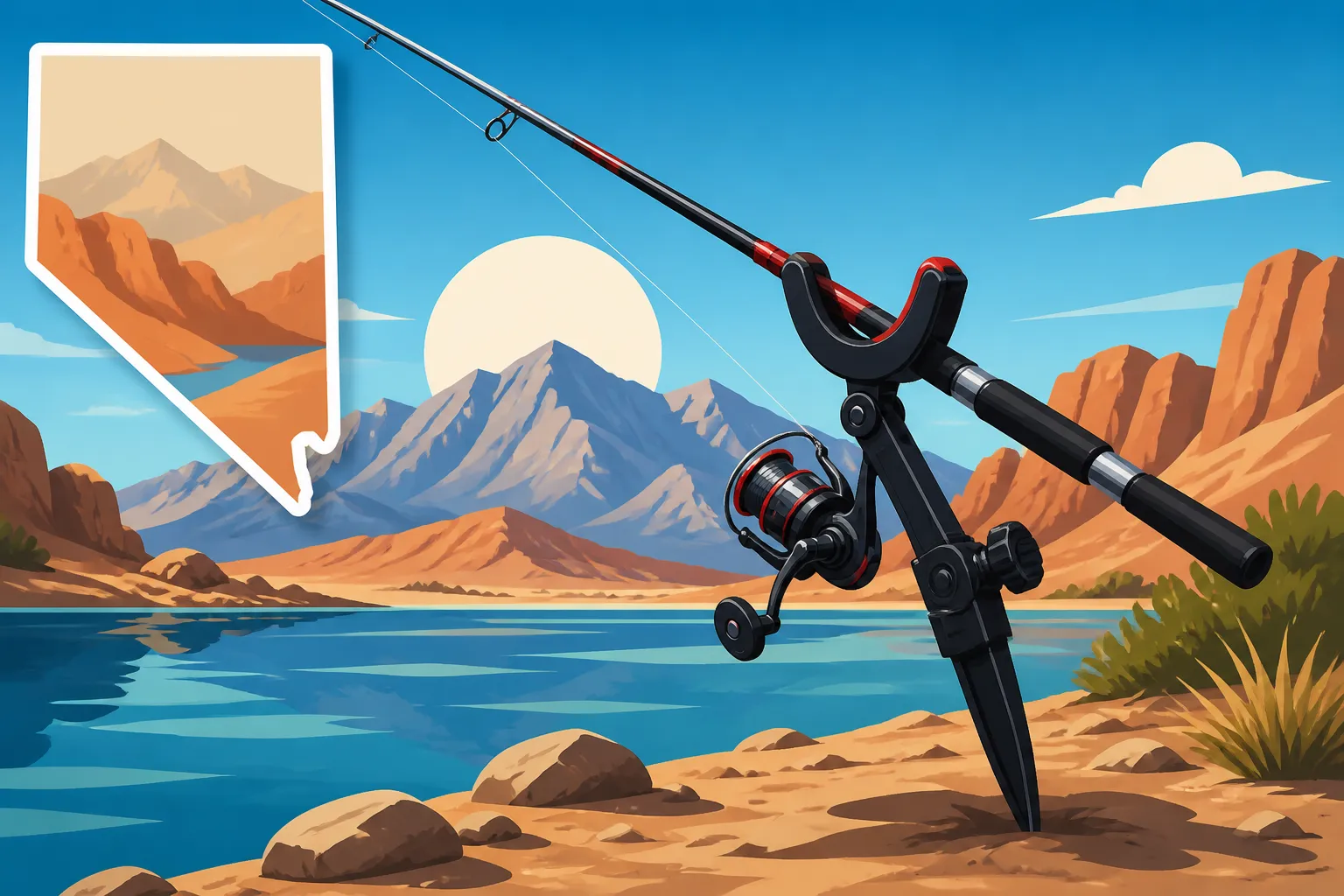
These are arguably the most common and simple type of bank rod holder, and for good reason. They typically consist of a single metal spike or stake that you drive or push into the ground, with a V-shaped or tubular holder at the top to cradle your rod. They are fantastic for soft to medium-hard ground, like sandy beaches at Lake Mohave or the softer dirt banks of many reservoirs.
- Pros: Lightweight, highly portable, easy to set up and move, often very affordable. They get your rod tip closer to the water's surface, which can be advantageous for bite detection with certain techniques, like when fishing with a bobber. Many models collapse down for easy transport in a tackle bag or backpack.
- Cons: Not ideal for extremely rocky or paved surfaces where you can't drive a spike in. They can be less stable in very strong winds or if you're fishing with heavy tackle for large, powerful fish that might exert a lot of force on the rod. If the ground is too soft, they might lean or pull out with a strong bite.
- Best Use in Nevada: Perfect for general trout fishing in stocked ponds or reservoirs, catfish on sandy bottoms, or light bass fishing. They are a staple for anglers looking for minimalist gear that's quick to deploy. You can find a good variety of these at local sporting goods stores or through retailers like Amazon.
Tripod Rod Holders
When you need more stability or are fishing on tougher ground, tripod rod holders are excellent. These models feature three legs that spread out, creating a much wider and more stable base than a single spike. They often have adjustable legs, allowing you to level your rods on uneven terrain. Many tripod designs can hold multiple rods, making them ideal for anglers who like to keep several lines in the water.
- Pros: Superior stability, works well on various surfaces including rocky banks or paved areas where stakes won't penetrate. Multi-rod capacity is a huge bonus for active anglers. Adjustable legs make them versatile for uneven ground.
- Cons: Generally heavier and bulkier than spike holders, making them less portable for long hikes. Can be more expensive. Setup takes a little more time.
- Best Use in Nevada: Excellent for targeting bigger fish like striped bass at Lake Mead, or when you're fishing for longer periods and want ultimate stability. They're also great for those times when you're casting large baits or need to keep your rods elevated and secure against strong winds. If you're looking for Nevada Fishing Gear Essentials that provides solid support for multiple rods, a tripod is a strong contender.
Bank Sticks and Buzz Bars
This setup is popular among European carp anglers but has found a niche with all sorts of bank fishermen looking for modularity and stability. A bank stick is essentially a robust, adjustable metal spike that you drive into the ground. A "buzz bar" is a horizontal bar that attaches to one or more bank sticks, allowing you to mount multiple rod rests or alarms. The beauty here is customization. You can use one bank stick with a single rod rest, or combine two bank sticks with a buzz bar to create a very stable two- or three-rod setup.
- Pros: Highly modular, very stable when driven correctly, adjustable height. Excellent for managing multiple rods with precision, often compatible with bite alarms if you're into that. Can be surprisingly compact for transport.
- Cons: Requires ground you can penetrate. Can be slightly more complex to set up than a simple spike.
- Best Use in Nevada: Ideal for dedicated anglers who fish with multiple rods, perhaps trying different baits or depths for Nevada Bass Daily Limit and Size Rules or catfish. They offer excellent control and stability, especially when paired with electronic bite alarms for night fishing or when you're fishing further away from your rods.
Bucket-Style or Standalone Holders
Sometimes, the ground just won't cooperate – think concrete dams, solid rock outcrops, or highly compacted gravel. In these situations, bucket-style or standalone rod holders become your best friend. These often involve a bucket with internal sleeves or a heavy base that keeps your rod upright. Some are simple five-gallon buckets with PVC pipe inserts, while others are purpose-built weighted stands.
- Pros: Works on any surface, including concrete, docks, or rocky shores where other types fail. Provides a convenient place for your rod and often some basic tackle storage if it's a bucket system.
- Cons: Least portable due to bulk and weight (if weighted), or the need to fill with rocks/sand (if bucket style). Takes up more space.
- Best Use in Nevada: Excellent for specific locations like fishing piers, boat docks, or along paved riverwalks where driving a spike isn't an option. Also handy for urban pond fishing where you might be on a paved path. If you're looking for a simple, cost-effective solution for a particular spot, sometimes the humble five-gallon bucket with some PVC can be a lifesaver.
Key Factors When Choosing Your Bank Fishing Rod Holder
Selecting the right rod holder isn't a one-size-fits-all decision, especially with Nevada's varied fishing environments. Considering a few key factors will help ensure you pick a holder that truly enhances your time on the water, rather than adding to your frustrations.
Material and Durability
Nevada's sun, heat, and sometimes abrasive terrain demand durable gear. You don't want a rod holder that's going to rust after a few trips or snap when you try to push it into a slightly harder patch of ground.
- Stainless Steel or Aluminum: These metals are champions of durability. Stainless steel is highly resistant to corrosion, making it perfect for waters with higher mineral content or if you're fishing near saltwater (though Nevada is landlocked, it’s good to think broadly for overall gear). Aluminum is lighter, which is a huge plus for portability, and also resists rust well. Both can withstand the sun's UV rays without degrading.
- Heavy-Duty Plastics/Composites: While not as robust as metal for the main spike, high-quality, UV-resistant plastics are often used for the actual rod cradles. They are lightweight, won't scratch your rod, and can be very tough. Ensure they feel solid and not flimsy. Cheap plastic will quickly crack and break under Nevada's intense sun.
- Consider the Build Quality: Look for solid construction, strong welds if metal, and secure fastenings. A wobbly or poorly assembled rod holder isn't going to give you the confidence you need when you've got a prized catch on the line. Products from reputable brands often found at stores like Bass Pro Shops tend to have better build quality, even in their more budget-friendly options.
Portability and Setup Ease
Are you hiking miles into a secluded high-desert lake, or are you pulling up right to the edge of an urban pond? Your fishing style dictates how important portability is.
- Weight and Packability: If you're an adventurous angler who loves to explore remote spots, a lightweight, collapsible spike or bank stick setup is probably your best bet. Some tripod models are designed to fold down surprisingly compactly. If you're staying close to your vehicle, a heavier, multi-rod tripod or even a bucket system might be fine.
- Quick Deployment: When you arrive at your favorite spot, you want to get your line in the water, not wrestle with complicated gear. Simple spike holders can be in the ground and ready in seconds. Even multi-rod systems should have a relatively intuitive and fast setup process. This is especially true if you plan on moving spots frequently, which can be a great strategy for Best Time of Year to Fish in Nevada.
Adjustability and Versatility
The ability to adjust your rod holder can make a huge difference in comfort and effectiveness.
- Height Adjustment: Being able to raise or lower your rod tip is crucial. Sometimes you want the tip almost touching the water for sensitive bite detection; other times, you might want it high to keep your line out of shoreline debris or to provide better leverage. Many spike and bank stick holders offer telescopic adjustment.
- Angle Adjustment: Some rod holders allow you to change the angle at which your rod sits. This can be useful for different casting angles, current conditions, or simply to point your rod more directly at your bait.
- Rod Compatibility: Most rod holders are designed to accommodate a range of rod butt sizes, but it’s worth a quick check, especially if you have an unusually thick-handled rod. Some specialized holders might be designed for specific types of rods, though this is less common for general bank fishing.
Stability in Nevada's Varied Terrain
This is perhaps one of the most critical factors for Nevada anglers. Our state isn't just flat desert; we have mountains, rocky canyons, sandy shores, and everything in between.
- Soft Ground (Sand/Mud): Single spike holders can work here, but ensure they have a decent length to penetrate deeply for stability. Wider, flatter bases on some spike holders can also help prevent leaning.
- Medium Ground (Dirt/Gravel): Most spike and bank stick holders will perform well. The key is how easily they penetrate and how firmly they grip.
- Hard/Rocky Ground (Compacted Dirt, Shale, Paved): This is where spikes and bank sticks struggle. You'll need a tripod, a bucket-style holder, or a very heavy-duty bank stick designed for driving into tough ground (often with a mallet). If you're fishing a spot like the Colorado River below Hoover Dam, expect challenging terrain for traditional spike holders.
- Wind Conditions: Nevada can get windy, especially at larger bodies of water like Lake Mead or Pyramid Lake. A stable rod holder prevents your rod from blowing over or being knocked around by gusts. Tripods generally offer the best wind resistance due to their wide footprint. If using spike holders in windy conditions, ensure they are driven deep and that your rod is securely seated. For tips on managing windy conditions, check out How much wind is too much to fish a Nevada lake.
| Rod Holder Type | Best Terrain | Key Advantages | Portability | Stability | Ideal Nevada Use |
|---|---|---|---|---|---|
| Spike/Stake | Soft to medium dirt, sand | Simple, lightweight, affordable | High | Moderate (good in soft ground) | Trout ponds, urban fishing, light bass |
| Tripod | Varied (dirt, gravel, some rock) | High stability, multi-rod capacity | Moderate (can be bulky) | High | Lake Mead stripers, multi-rod setups, windy days |
| Bank Stick/Buzz Bar | Medium to hard dirt, gravel | Modular, precise, stable | High (when broken down) | High (when properly driven) | Dedicated multi-rod fishing, specific bait presentations |
| Bucket/Standalone | Any surface (rock, concrete) | Works where others fail | Low (bulky, heavy) | High (on hard surfaces) | Piers, docks, paved shoreline, urban ponds |
Maximizing Your Rod Holder's Effectiveness on Nevada Shorelines
Having the right rod holder is just the first step. Knowing how to use it effectively and maintain it will ensure you get the most out of your investment and enjoy countless successful fishing trips across the Silver State.
Proper Placement and Securing
Getting your rod holder in the right spot and making sure it's firmly secured are absolutely crucial for its performance and the safety of your gear.
- Angle Matters: Consider the angle of your rod relative to the water. If you're fishing still water for sensitive bites, you might want your rod tip low, almost touching the water, to minimize line slack and detect subtle movements. For active techniques, or if you're using heavy bait, a higher angle can keep your line out of shoreline snags and provide a better hook-setting position. If you're casting for long periods, raising the rod tip slightly can reduce line fatigue against the drag of the water, especially in current.
- Ground Penetration: For spike or bank stick holders, ensure you drive them deeply enough into the ground. Don't just push them in halfway. The deeper they go, the more stable they will be, resisting both strong bites and sudden gusts of wind. If the ground is unexpectedly hard, use a rubber mallet or a sturdy rock to gently tap it in, rather than forcing it and potentially bending the spike.
- Clear the Way: Always ensure the area around your rod holder is clear of obstructions. You don't want to trip over a rock or snag your line on a bush when you're excitedly grabbing your rod for a strike. Also, think about your casting arc and ensure your holder is positioned where it won't interfere with your backcast or retrieval.
- Proximity to Your Position: Place your rod holder close enough that you can quickly reach your rod when a fish hits, but not so close that it feels cramped or gets in the way of your own comfort. For those long waits for a bite, especially when targeting larger species, having your rod within an arm's reach is a blessing.
Using Multiple Rod Holders Strategically
For many bank anglers, especially when chasing species like catfish, carp, or striped bass, using more than one rod can significantly increase your chances of success. Rod holders make this strategy not only possible but enjoyable.
- Varying Depths and Baits: With multiple rods, you can experiment. Try one rod with Best Bait for Nevada Trout on the bottom, another suspended mid-water with a different offering, and perhaps a third casting a lure to a visible structure. This allows you to quickly figure out what the fish are keying in on that day. Always be mindful of local regulations on the number of rods allowed; for example, check Nevada Fishing Regulations Explained.
- Spreading Your Attack: Fan your rods out along the bank to cover more water. This is especially effective in larger bodies like Lake Mead or Wildhorse Reservoir where fish might be scattered. If you notice a pattern – say, all your bites are coming from the furthest rod – you can adjust your other rods accordingly.
- Bite Alarms: For serious multi-rod angling, especially at night or when your attention might be elsewhere, consider investing in bite alarms. These electronic devices attach to your rod and buzz or light up when a fish pulls on your line. They are often used with bank sticks and buzz bars, providing an audible alert even if you're chatting with a friend or enjoying a Summer Fishing Techniques for Hot Desert Lakes evening.
Maintenance for Longevity
Like all your fishing gear, a little care goes a long way in ensuring your rod holder lasts for many seasons of Nevada fishing.
- Rinse After Use: This is particularly important if you've been fishing in sandy or muddy areas. Rinse off any dirt, sand, or fish slime with fresh water. Sand can get into moving parts and cause wear, while dirt can harbor moisture and lead to corrosion.
- Dry Thoroughly: Before storing, make sure your rod holder is completely dry. Leaving metal components wet, even stainless steel, can eventually lead to rust or corrosion, especially in areas where parts meet.
- Check for Wear and Tear: Periodically inspect your rod holder for any signs of damage. Look for bent spikes, cracked plastic cradles, loose screws, or rust spots. Address minor issues early to prevent them from becoming major problems. A quick spray of a silicone lubricant on moving parts (like height adjusters) can keep them operating smoothly.
- Proper Storage: Store your rod holder in a dry, cool place, preferably out of direct sunlight when not in use. This protects any plastic components from UV degradation and prevents metal from overheating or rusting. If it collapses, make sure it's collapsed fully and secured.
By selecting the right rod holder for your fishing style and the diverse environments Nevada offers, and by taking a few simple steps for proper use and maintenance, you'll find your bank fishing experiences becoming much more relaxed and productive. You'll spend less time juggling gear and more time enjoying the cast, the quiet, and the thrill of the catch.
Disclaimer
This article is for general informational purposes only and does not constitute professional advice. Laws, prices and regulations vary by location and change over time. Consult a qualified professional for guidance on your specific situation.