Lake Mead boat launch fee
Navigating the beautiful waters of Lake Mead for a day of fishing is an absolute dream for many, but the excitement can quickly turn to confusion when you're hit with unexpected fees just to get your boat in the water. It’s a common frustration, feeling like there’s a hidden cost around every corner. This guide is here to untangle the specifics of boat launch fees at Lake Mead, helping you understand what to expect and how to plan for a smooth, stress-free day on the lake.
Understanding the National Park Service Entrance Fees for Lake Mead
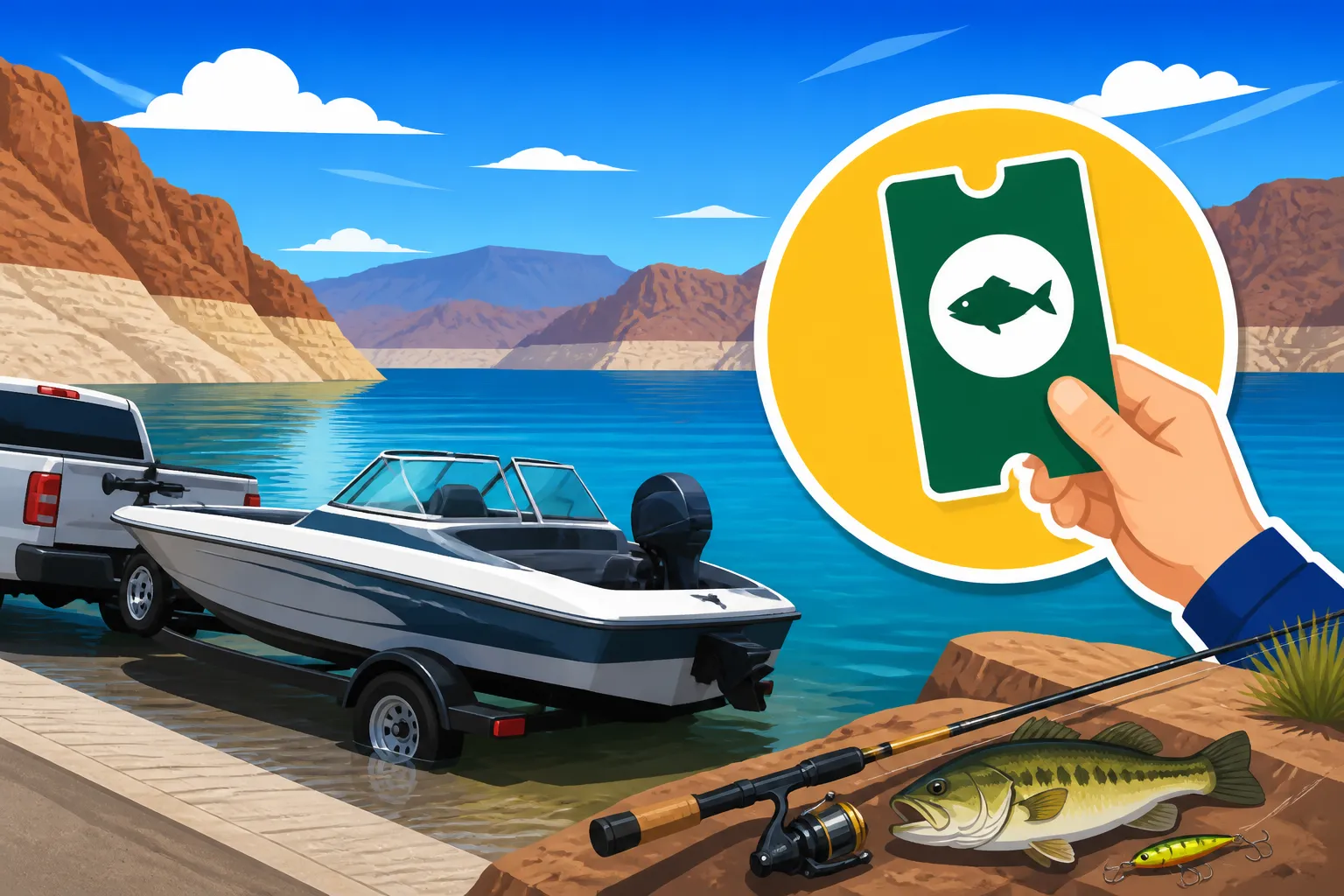
Before you even think about putting your boat in the water at Lake Mead, there’s a crucial layer of fees you need to be aware of: the National Park Service (NPS) entrance fees. This isn't just about launching a boat; it's about gaining access to the entire Lake Mead National Recreation Area. Think of it like paying to enter a theme park before you can even get on a ride – the boat ramp is definitely a "ride" you'll want to access!
Why Entrance Fees Matter for Launch Ramps
Lake Mead isn't just a lake; it's part of the vast and stunning Lake Mead National Recreation Area, managed by the National Park Service. This designation means that to enter the area, whether by car, motorcycle, or on foot, you are subject to an entrance fee. This fee helps maintain the incredible natural resources, facilities, and services that make Lake Mead such a fantastic destination. It funds everything from visitor centers and restrooms to road maintenance and, yes, even the upkeep of those vital boat launch facilities. So, while you might be focused solely on getting your boat launched, the entrance fee is your ticket into the entire playground.
You might be thinking, "But I'm just driving my truck and trailer to the ramp, I'm not going hiking!" And that's totally fair. However, because the boat ramps themselves are located within the recreation area's boundaries, passing through the entrance station or designated payment area is non-negotiable. Whether you're planning to chase striped bass near Hemenway Harbor or explore the coves for largemouth, that initial entry fee is your first financial step. This is a common setup for many federally managed waterways, so it's good practice to always check if you're entering a National Park, Forest, or Recreation Area.
Types of Park Passes and Their Coverage
The National Park Service offers various types of passes, and understanding them can save you a pretty penny, especially if you plan on being a frequent visitor. The most common pass for visitors arriving in a vehicle is the Vehicle Pass. This pass typically covers the driver and all passengers in a single, non-commercial vehicle. It’s perfect for families or groups heading out for a day of fishing. There are also Individual Passes for those entering on foot or by bicycle, though these are less common for anglers hauling boats.
For the dedicated angler or desert adventurer, an Annual Pass for Lake Mead National Recreation Area can be a game-changer. This pass provides unlimited entry for one year from the month of purchase. If you’re like me and find yourself drawn back to Lake Mead multiple times throughout the year – perhaps for a spring trout bite or a summer striper frenzy – this pass quickly pays for itself. Then there are the broader America the Beautiful – National Parks & Federal Recreational Lands Passes. These interagency passes cover entrance fees at all national parks and federal recreation sites nationwide. This includes specialized passes for seniors, active military members, and those with permanent disabilities, offering significant discounts or even free access. While these passes cover your entrance into the park, it's critical to remember that they don't always cover the boat launch fee itself. They get you through the gate, but there's often another step for the ramp. Knowing your options beforehand, whether it's through the NPS website or picking up information at a local Bass Pro Shops where many anglers congregate, can help streamline your entry.
Here's a quick overview of how these passes generally work:
| Pass Type | Primary Coverage | Common Users | Does it cover boat launch? |
|---|---|---|---|
| Lake Mead Vehicle Pass | Entrance for one private non-commercial vehicle and its occupants for a set period. | Most common for day-trippers and casual visitors. | No, only park entrance. |
| Lake Mead Annual Pass | Unlimited entrance for one vehicle and its occupants for a full year. | Frequent visitors to Lake Mead only. | No, only park entrance. |
| America the Beautiful Annual Pass | Entrance to all National Parks & Federal Recreation Sites for one year. | Frequent visitors to any national park/site. | No, only park entrance. |
| Senior Pass (Lifetime/Annual) | Heavily discounted or free entrance for U.S. citizens/residents 62+. | Eligible seniors who visit federal lands. | No, only park entrance. |
| Military Pass (Annual) | Free entrance for active duty military members and dependents. | Active military personnel and their families. | No, only park entrance. |
| Access Pass (Lifetime) | Free entrance for U.S. citizens/residents with permanent disabilities. | Eligible individuals with permanent disabilities. | No, only park entrance. |
Always double-check the specifics of each pass, as terms and benefits can vary slightly.
Specific Boat Launch Fees at Lake Mead
Now that we’ve covered getting into the Lake Mead National Recreation Area, let’s talk about the specific fees for actually putting your boat into the water. This is where many anglers get caught off guard, assuming their entrance pass covers everything. Unfortunately, that's not always the case.
The "Per Launch" or "Per Visit" Fee Structure
Beyond the general park entrance fee, there is often a distinct "per launch" or "per visit" fee specifically for using the developed boat ramps at Lake Mead. Think of it like this: your entrance pass gets you into the stadium, but the boat launch fee is the ticket for your team (your boat) to get onto the field. This fee is typically applied each time you launch your boat, irrespective of how long you stay, or sometimes it's a daily rate that covers multiple launches within the same day.
The purpose of this additional fee is straightforward: maintaining the boat ramps and their immediate facilities. These ramps, especially at popular spots like Hemenway Bay Fishing Access, endure heavy use, especially during peak seasons. They require regular cleaning, repairs, and often dredging to keep them accessible, particularly when lake levels fluctuate. This fee contributes directly to ensuring that these critical access points remain operational and safe for everyone. You might encounter automated kiosks that accept credit cards, or in some cases, a staffed booth. Sometimes, especially at less busy ramps, it might even be a self-pay station where you deposit cash in an envelope – always be prepared for these scenarios with small bills or exact change.
Where Launch Fees Apply and How They Vary
Lake Mead boasts several excellent boat launch facilities, each offering access to different parts of the vast reservoir. Popular spots include Hemenway Harbor, Callville Bay, Temple Bar, Echo Bay, and South Cove. Each of these ramps is critical for anglers looking to explore various fishing grounds, whether it’s chasing the abundant striped bass or seeking out largemouth in secluded coves. You can find detailed information on these spots in our Lake Mead Nevada Fishing Guide.
The boat launch fees can sometimes vary slightly depending on who operates the specific marina or ramp. While the National Park Service sets the general framework, some ramps might be operated by concessionaires. These private companies, under contract with the NPS, manage the marinas, stores, and sometimes the boat ramps themselves. This means that while the core fee structure is consistent, there might be slight differences in how the fee is collected or included in other services. It's always a good idea to check the specific marina's website or call ahead if you're venturing to a less familiar launch point.
For example, a busy launch at Hemenway Harbor might have a more robust collection system than a quieter, more remote ramp. It’s not just about Lake Mead, either. Other major fishing destinations in Nevada, like Pyramid Lake, have entirely different permit systems. For instance, you'd need a Pyramid Lake Boat Launch Locations specific permit there, showcasing the diverse rules across the state. Understanding that these fees are typically per boat or per trailer rather than per person also helps in budgeting. This means the number of anglers in your boat doesn't increase the launch fee, just your overall park entrance fee (if applicable by person).
Annual Passes and Discounted Options
For those of us who feel the magnetic pull of Lake Mead more than just once or twice a year, relying on single-use passes and daily launch fees can really add up. That’s where annual passes and other discounted options become incredibly valuable, transforming potential headaches into seamless transitions.
Annual Passes for Frequent Anglers
If you're an avid angler who finds yourself at Lake Mead on a regular basis – say, every month or even a few times a season – investing in an annual pass is practically a no-brainer. The National Park Service offers an Annual Pass specifically for the Lake Mead National Recreation Area. This pass generally covers your entrance fee for an entire year from the month of purchase. This is fantastic for folks who live locally in the Las Vegas or Henderson area and can zip out to the lake whenever the fishing bug bites. Instead of fumbling for cash or a card at the entrance station every time, you simply display your pass and drive on through.
While these annual passes handle your park entry, remember they typically don't cover the boat launch fee itself. However, having the entrance covered is a huge step in simplifying your access and making those spontaneous fishing trips far more convenient. Pairing this with a valid Nevada boat registration ensures you're ready to hit the water legally and efficiently. It’s all about making your time on the water less about logistics and more about landing that trophy striper.
Special Passes and Exemptions
The federal government offers several special passes that can provide significant relief from entrance fees, particularly for specific groups. These include:
- Senior Passes: Available to U.S. citizens or permanent residents aged 62 or older, these passes can be an annual or lifetime option. They provide discounted or free entrance to federal recreation sites.
- Military Passes: Active duty military personnel and their dependents can often obtain a free annual pass, recognizing their service.
- Access Passes: For U.S. citizens or permanent residents with permanent disabilities, a free lifetime Access Pass is available.
It's crucial to understand the scope of these passes. While they are incredibly helpful for covering the entrance into Lake Mead National Recreation Area, they generally do not eliminate the specific boat launch fees. You'll still need to pay that separate fee to use the ramp facilities. It’s a common misconception, so always clarify before you head out. These passes are designed to grant access to the natural beauty and recreational opportunities, but specialized services like boat launches often come with their own operational costs. For any questions about these passes, the official National Park Service website is the best resource, or you can inquire at any Lake Mead visitor center. While these passes cover your entry, don't forget about other operational costs like Nevada Boat Registration Fees by Length, which are separate state requirements.
Practical Tips for Managing Launch Fees
Successfully navigating boat launch fees at Lake Mead doesn't have to be a headache. A little preparation goes a long way in ensuring your focus remains on the fishing, not on unexpected costs. Think of it as part of your pre-fishing checklist, right alongside checking your tackle and topping off your fuel tank.
Planning Ahead and Checking Current Information
The golden rule for any trip to Lake Mead, especially when involving your boat, is to plan ahead. Fees, while generally stable, can change, and it’s always better to know before you go. The most reliable source for current fees, pass options, and any temporary closures or changes to launch availability is the official National Park Service website for Lake Mead National Recreation Area. I always recommend checking it a day or two before your trip. Sometimes, water levels can impact which ramps are open, which can in turn affect where you can launch and thus which fees might apply.
You can also call the Lake Mead Visitor Center directly; the rangers are incredibly knowledgeable and can provide up-to-the-minute information. If you prefer to handle things in person, many vendors, including larger outdoor retailers like Bass Pro Shops, sometimes sell specific national park passes or can direct you to where you can purchase them. Having your passes and understanding the fee structure before you even leave home eliminates stress and delays at the park entrance or boat ramp. Consider it another piece of Essential Safety Gear for Boating on Lake Mead.
What to Expect at the Boat Ramp
When you arrive at a Lake Mead boat ramp, the process for paying your launch fee can vary slightly but generally falls into a few categories:
- Manned Kiosks: At busier entrances or ramps like Hemenway Harbor, you might encounter a staffed booth where you can pay your entrance fee and inquire about the boat launch fee. This is often the easiest option as you can ask questions directly.
- Automated Machines: Many locations now have automated machines that accept credit or debit cards. These are convenient but require you to know exactly what pass or fee you need to purchase.
- Self-Pay Stations: At some less-frequented ramps, you might find a self-pay station. This usually involves taking an envelope, filling out your vehicle and boat information, enclosing the exact fee (cash only, so bring small bills!), and dropping it into a secure box. You'll then tear off a stub to display on your dashboard or boat trailer.
Regardless of the method, always ensure you display your pass or receipt prominently on your dashboard or tow vehicle. Park rangers and law enforcement regularly patrol the areas, and having your proof of payment visible helps them identify compliant users quickly, allowing them to focus on safety and protecting the resource. Knowing which Best Boat Size for Lake Mead Fishing you have can also inform you about specific ramp access or regulations. And don't forget to review our guide on Nevada Boater Education Card Requirement for additional peace of mind on the water. Ultimately, understanding these fees means more time fishing for those legendary Lake Mead Striped Bass Hotspots and less time worrying about paperwork.
Disclaimer
This article is for general informational purposes only and does not constitute professional advice. Laws, prices and regulations vary by location and change over time. Consult a qualified professional for guidance on your specific situation.