Best way to winterize a boat in Nevada
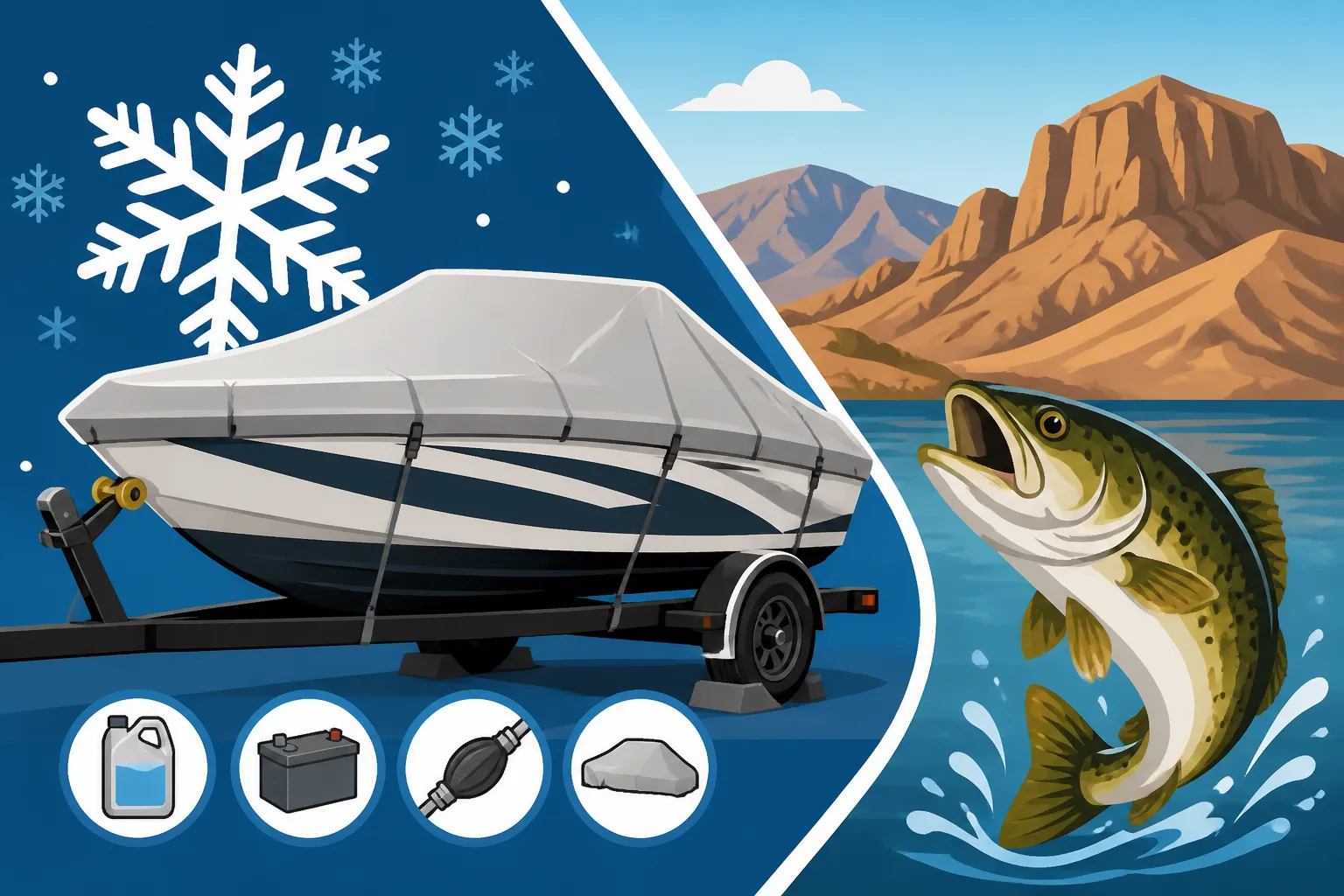
Even in a state famous for its sunshine and mild winters, neglecting to properly prepare your boat for the cooler months can lead to some truly heartbreaking and expensive surprises come springtime. Freezing temperatures, especially in the higher elevations or during unexpected cold snaps, can wreak havoc on engines, plumbing, and other critical systems. This guide will walk you through the essential steps and considerations for effectively winterizing your boat in Nevada, ensuring your investment is protected and ready for action when the fishing bug bites again.
Why Winterizing Your Boat in Nevada Isn't Just for Snowbirds
When many people think of winterizing, they picture boats stored away in snowy climates, covered in thick blankets of white. But here in Nevada, we have a unique climate that demands its own approach to boat care, even if you’re planning on taking it out on a warmer day or storing it where snow is a rare sight. It’s not just about visible ice; it’s about the subtle, insidious damage that cold can inflict.
Understanding Nevada's Winter Realities
Nevada is a land of extremes, and its winters are no exception. While places like Las Vegas might see only a handful of truly freezing nights, head north to Reno, or into the higher elevations around Lake Tahoe or Wildhorse Reservoir, and you’re looking at prolonged periods below freezing. Even in the desert, temperatures can plummet unexpectedly once the sun goes down, creating conditions ripe for engine blocks to crack, water lines to burst, and pumps to seize up.
The real danger isn't just constant freezing, but the freeze-thaw cycle. Imagine water freezing inside a pipe, expanding and putting immense pressure on its walls. Then it thaws during the day, contracts, only to refreeze and expand again at night. This repeated stress can cause micro-fractures that eventually lead to catastrophic failures. It’s a common frustration for boat owners who thought their boat was safe because "it doesn't get that cold here." Believe me, it only takes one night below 32 degrees Fahrenheit for significant damage to occur if your boat isn't properly prepared.
Protecting Your Investment Beyond the Cold
Winterization isn't solely about preventing freeze damage; it's a comprehensive approach to protecting your boat during any extended period of inactivity. This is especially true for boats that might sit for several months, even if you’re just waiting for the best Nevada Fishing Seasons by Month to roll around.
Think about the fuel in your tank. Over time, it can degrade, especially with ethanol blends, leading to gummed-up carburetors or injectors. Then there’s corrosion. Moisture can accumulate in engine cylinders and other metallic components, slowly eating away at them. And let’s not forget about critters! Rodents and insects see a stored boat as a five-star hotel, ready to build nests, chew wires, and generally make a nuisance of themselves. Proper winterization addresses all these concerns, ensuring your boat emerges from its slumber in prime condition, saving you from costly and frustrating repairs that could keep you off the water when you’re itching to go.
Essential Steps for Engine and Fuel System Winterization
The heart of your boat is its engine, and ensuring it's properly winterized is paramount. This involves carefully preparing both the fuel system and the engine itself to withstand the cold and prolonged storage. Skipping these steps is like playing Russian roulette with your marine engine – you might get lucky, but the consequences of being unlucky are severe.
Fuel Stabilization and Engine Flushing
Let's start with your boat's lifeblood: the fuel. Modern fuels, especially those containing ethanol, can degrade fairly quickly when stored for extended periods. Ethanol can attract and absorb water, leading to phase separation where water and ethanol separate from the gasoline, sinking to the bottom of your tank. This water-ethanol mixture is corrosive and can cause severe damage to fuel lines, tanks, and engine components. This is why fuel stabilization is absolutely critical.
To properly stabilize your fuel, you'll want to add a high-quality marine fuel stabilizer to your gas tank according to the manufacturer's instructions, typically found on the product label. After adding it, make sure to run your engine for at least 10-15 minutes. This ensures that the treated fuel circulates throughout the entire fuel system, including the fuel lines, filters, and carburetor or injectors. Imagine finding your carburetors gunked up in spring because you skipped this simple step; it's a frustration many anglers have faced, leading to costly cleaning or even replacement. You can find excellent fuel stabilizers at local marine supply stores or easily order them through Amazon or Bass Pro Shops.
After the fuel is stabilized, the next step is flushing your engine. Even if you only fish in freshwater, flushing helps remove any accumulated silt, mineral deposits, or other contaminants from the cooling system. For saltwater anglers, this is non-negotiable, as salt residue is highly corrosive. You can use a muffs attachment over the engine's water intake and run it with fresh water. Make sure the engine runs long enough for the thermostat to open, allowing fresh water to circulate throughout the entire cooling system. This also ensures that any residual salt or sediment is cleared out before you introduce antifreeze, making the antifreeze more effective.
Antifreeze and Lubrication for Marine Engines
Once your fuel is stabilized and the engine is thoroughly flushed, it’s time for antifreeze. Unlike automotive antifreeze, marine antifreeze is typically non-toxic propylene glycol based, meaning it's safer for the environment and won't harm your boat's components if it accidentally leaks into the water. This is crucial for boaters who care about our beautiful Nevada waterways.
To get the antifreeze into your engine, you'll need to use an appropriate method based on your engine type (inboard, outboard, or sterndrive). For most outboard and sterndrive engines, you can use a flushing attachment or a large funnel with a hose connected to the engine's water intake. For inboards, a common method involves disconnecting a raw water intake hose and using a bucket to feed the antifreeze directly into the engine while it's running. Run enough antifreeze through the system until you see it exiting the exhaust. This indicates that the entire cooling system, including the engine block, manifolds, and risers, is protected.
While the engine is warm, or right after this process, consider fogging the engine's cylinders. Fogging oil is sprayed directly into the carburetor or air intake while the engine is running or directly into the spark plug holes. This creates a protective coating on the cylinder walls and piston rings, preventing rust and corrosion during months of inactivity. Many serious anglers will also take this opportunity to change their engine oil and oil filter. Old oil contains combustion byproducts and contaminants that can corrode internal engine components over time. Starting the new season with fresh oil ensures optimal lubrication and protection. Don't forget to lubricate all moving parts on your engine, such as steering cables, throttle linkages, and tilt/trim mechanisms, with marine-grade grease or oil.
Safeguarding Your Boat's Interior, Plumbing, and Exterior
Winterizing a boat goes far beyond just the engine. Every system that holds water, every surface that can be damaged by pests or moisture, and even your trailer needs attention to ensure a smooth launch come spring. This is where many DIYers cut corners, only to face unpleasant surprises later.
Draining and Protecting Water Systems
If your boat has a freshwater system – and many fishing boats, especially those with cabins, do – this step is critically important. Burst pipes from freezing water are a nightmare. Start by completely draining your freshwater tank. Run the pump until it's dry, and open all the faucets (including showerheads, washdowns, and any galley sinks) to relieve pressure and allow any remaining water to escape. Don't forget your hot water heater, if you have one. Bypass it for winterization, drain it completely, and ensure all lines leading to and from it are empty.
Once drained, it's time to introduce that same non-toxic marine antifreeze throughout your plumbing. With the freshwater pump turned off, pour antifreeze into the freshwater tank. Then, turn on your freshwater pump and open each faucet, one by one, starting with the one furthest from the pump, until you see pink antifreeze flowing out. This ensures that antifreeze has filled every line, pump, and fixture. Don't forget any bilge pumps, livewells, or washdown pumps – these also have water in them that can freeze and cause damage. Cycle them briefly with antifreeze.
If your boat has a head (marine toilet), its winterization is equally important. Pump out the holding tank at a marine pump-out station first. Then, flush several gallons of antifreeze through the toilet and into the holding tank. You'll want to ensure the antifreeze runs through the flush water intake line, the pump, and the discharge line, coating all surfaces and preventing freeze damage and bacterial growth. Make sure all seacocks are closed after this process, unless otherwise specified by your boat’s manual.
Battery Care, Canvas, and Overall Storage Prep
Batteries left in a boat exposed to the elements or simply left connected can discharge over time, especially in cold weather, leading to sulfation and permanent damage. The best practice is to remove your batteries, clean their terminals thoroughly, and store them in a cool, dry place where they won't freeze. Connect them to a marine-grade trickle charger or battery maintainer to keep them at optimal charge throughout the winter. This simple step extends battery life significantly.
Next, focus on your boat's interior. Remove all food, drinks, and any perishables that could attract pests or spoil. Clean all surfaces, vacuum the carpets, and wipe down upholstery. Consider using a marine-grade mildew inhibitor, particularly in enclosed cabins, to prevent mold growth during storage. Remove sensitive electronics like GPS units, fish finders, and radios, and store them indoors in a controlled environment. They're expensive pieces of kit, and you want them to last.
Your boat's exterior also needs attention. Give your boat a thorough wash and wax to protect the gel coat or paint. Inspect your boat cover – a good quality, well-fitting cover is essential for protecting your boat from dust, sun (even winter sun can be damaging), and precipitation. You can find durable covers from Bass Pro Shops or Amazon that are designed to withstand various conditions. Make sure it's securely tied down or strapped to prevent wind from tearing it or allowing snow and rain to accumulate. Check for any potential entry points for rodents or birds, and plug them with steel wool or mesh if necessary. Remember, the goal is to make it an uninviting place for unwanted guests while keeping the elements out.
| Winterization Task | DIY Difficulty | Professional Cost Factor | Key Considerations |
|---|---|---|---|
| Fuel Stabilization | Easy | Low | Must circulate treated fuel through engine. |
| Engine Flushing | Medium | Medium | Requires a water source and muffs or intake access. |
| Antifreeze Circulation (Engine) | Medium-Hard | High | Specific procedure varies by engine type; critical step. |
| Oil & Filter Change | Medium | Medium | Improves engine longevity; messy if not careful. |
| Fogging Engine Cylinders | Medium | Medium | Prevents internal rust; requires engine access. |
| Draining & Antifreezing Water Systems | Medium-Hard | High | Crucial for potable water, head, and washdown systems. |
| Battery Removal & Charging | Easy | Low | Prevents discharge/damage; extends battery life. |
| Interior Cleaning & Pest Prep | Easy | Low | Protects upholstery, prevents mold/mildew and infestations. |
| Exterior Wash & Cover Prep | Easy | Low | Protects finish, keeps boat clean and dry. |
| Trailer Maintenance | Easy | Low | Ensures trailer is ready for transport in spring. |
Trailer Maintenance for Winter Storage
It's easy to focus all your attention on the boat itself and completely overlook the unsung hero: your boat trailer. Yet, a neglected trailer can leave you stranded when it's time to head to the lake. Before putting your boat away for the season, give the trailer some love.
Start by checking your tire pressure. Low pressure can lead to flat spots during extended storage. Inflate them to the recommended PSI. If possible, consider placing the trailer on blocks or jack stands to take the weight off the tires completely, which further prevents flat spots and prolongs tire life. You might also consider covering the tires to protect them from UV degradation, which can accelerate cracking. Don't forget about your wheel bearings; if they’re greaseable, give them a fresh shot of marine-grade grease. This prevents moisture intrusion and rust, which can lead to costly bearing failures. You should also inspect all trailer lights and wiring for any damage, and ensure all connections are clean and corrosion-free. Addressing these small issues now can save you a huge headache and potential safety hazards come spring. For more information on proper trailer care, you can often find helpful tips when looking into Nevada Boat Registration and Titling Guide resources, as trailer maintenance is often intertwined with safe transport and compliance.
DIY vs. Professional Winterization: Making the Right Choice
Deciding whether to tackle boat winterization yourself or hire a professional marine service is a common dilemma for Nevada boat owners. There are compelling arguments for both approaches, and the best choice often depends on your comfort level, the complexity of your boat, and your budget.
The Pros and Cons of Doing It Yourself
Taking on the winterization yourself certainly has its appeals. The most obvious benefit is cost savings. Marine service shops charge for labor and materials, and these costs can add up, especially for larger boats or those with multiple systems. Doing it yourself means you only pay for the parts and fluids, which you can often find at competitive prices from retailers like Bass Pro Shops or by browsing marine supplies on Amazon.
Beyond the financial aspect, there’s the satisfaction of learning more about your boat. Understanding its systems, knowing where everything is, and gaining the confidence to perform maintenance tasks can be incredibly empowering. It can also help you troubleshoot minor issues on the water when a professional isn’t available. However, DIY winterization comes with its own set of challenges. One major con is the potential for mistakes. If you miss a crucial step, such as completely draining a water line or properly circulating antifreeze, the resulting freeze damage can be far more expensive than any money you saved. It also requires a time commitment and may necessitate specialized tools or equipment that you might not own. For simpler boats, like small fishing skiffs with basic outboards, DIY is often straightforward. But for larger vessels with complex plumbing, multiple engines, generators, or intricate electronic systems, the learning curve and risk factor can be significant.
When to Call in the Experts
There are definitely times when bringing in a professional is not just a convenience, but a wise investment. If your boat is still under warranty, improper DIY winterization could potentially void certain coverages if an issue arises later. Professionals are trained and insured, and they follow manufacturer guidelines, which can protect your warranty.
You should strongly consider a professional if you own a larger boat with intricate systems, such as multiple freshwater tanks, water heaters, air conditioning, ice makers, or sophisticated head systems. These require a thorough understanding of fluid dynamics and multiple drain points. Similarly, if you have a newer, high-tech engine with complex electronics, a certified marine technician will have the specialized diagnostic tools and expertise to ensure proper preparation without inadvertently causing damage to sensitive components. If you're short on time, lack confidence in your mechanical skills, or simply want the peace of mind that comes with knowing the job was done right by an expert, a professional service is invaluable. They often offer comprehensive packages that cover everything, from engine winterization to detailing, ensuring your boat is fully protected. When choosing a professional, look for reputable marine service centers in your area that specialize in your type of boat and engine, and ask about their winterization checklists and guarantees. You want someone who understands the unique demands of a boat in Nevada.
This article is for general informational purposes only and does not constitute professional advice. Laws, prices and regulations vary by location and change over time. Consult a qualified professional for guidance on your specific situation.