Best all-around gear checklist for a Nevada fishing trip
There’s nothing quite like the excitement of heading out for a fishing trip in Nevada, but that excitement can quickly turn into frustration when you realize you’ve forgotten a critical piece of gear. Whether you’re chasing Lahontan cutthroat trout in the high desert or largemouth bass in a scorching reservoir, being unprepared can ruin your day, or worse, put you in a tough spot. This guide is designed to walk you through a comprehensive, all-around gear checklist to ensure your next Nevada fishing adventure is successful, comfortable, and safe.
The Foundation: Rod, Reel, and Line for Nevada Waters
When you're thinking about a Nevada fishing trip, your rod, reel, and line are truly the triumvirate of your setup. They work together, and a mismatch can lead to a less than ideal experience, whether you're battling a stubborn striper or gently coaxing a trout. The diversity of Nevada's waters, from the vast expanses of Lake Mead to the intimate high-country streams, means your choice here isn't one-size-fits-all, but there are excellent all-around options that can cover most bases.
Choosing Your Rod and Reel Setup
For many anglers in Nevada, especially those targeting a variety of species from bass to trout, a versatile spinning combo is often the best bet. You’re looking for something that offers a good balance of power and sensitivity. A medium-light to medium power rod, typically in the 6’6” to 7’ range, will serve you well. This length provides good casting distance from shore or a boat, and the power allows you to handle a decent fight without feeling like you're horsing in a monster on a toothpick.
When it comes to the reel, a 2500 or 3000 series spinning reel is a fantastic all-around choice. It holds enough line, offers a smooth drag system crucial for fighting fish, and isn't overly bulky. Imagine casting for a hefty Lahontan cutthroat trout at Pyramid Lake – a robust reel with a reliable drag is going to be your best friend when that fish decides to make a run. Many anglers find great entry-level and mid-range options that provide excellent value and durability for the often rugged conditions of Nevada fishing. For more specific recommendations, you might want to explore articles like Best Fishing Rods for Nevada Lakes.
Selecting the Right Fishing Line
Your fishing line is the direct connection between you and the fish, so don't skimp here. For an all-around Nevada setup, you'll likely want to carry at least two types of line or spool up with a versatile option. Monofilament line, in 6 to 10-pound test, is a classic for a reason. It offers good knot strength, a bit of stretch to absorb shocks from aggressive bites, and it's generally easy to manage. It's a great choice for soaking bait for catfish in an urban pond or casting lures for smaller bass.
However, many experienced anglers also swear by braided line, especially for its sensitivity and strength-to-diameter ratio. A 10 to 20-pound braided line (which has the diameter of much lighter mono) can be fantastic for feeling subtle bites from deep-water Mackinaw trout at Lake Tahoe or detecting a bass picking up a worm in a brush pile. The trick with braid is to often tie a fluorocarbon leader (6 to 12-pound test) to the end. This leader is nearly invisible underwater, providing a stealthy presentation, and offers good abrasion resistance against rocks and structure – something you'll encounter a lot in Nevada's rocky reservoirs.
Essential Terminal Tackle, Baits, and Lures
This is where your tackle box truly comes alive, becoming a personalized arsenal ready for any situation. For an all-around Nevada trip, variety is key. You never know what the fish will be biting on, or what conditions you'll face.
Hooks, Sinkers, and Swivels
Start with a good selection of hooks. You'll want everything from small size 8 or 10 bait hooks for trout and panfish to larger size 2 to 3/0 hooks for bass and catfish. Circle hooks are excellent if you plan on bait fishing and want to ensure a clean, mouth-corner hookset, which is better for fish health. An assortment of sinkers is crucial – split shot for subtle presentations, egg sinkers for bottom-fishing with bait, and perhaps some bullet weights for Texas rigging plastics for bass. Swivels, especially barrel or snap swivels, prevent line twist, which is a major headache, and make changing lures quick and easy. Don't forget some sturdy snaps if you're frequently switching out larger lures for species like striped bass.
All-Around Baits and Lures
When it comes to lures and baits, aim for versatility. For trout, PowerBait and various salmon egg imitations are absolute staples, especially in stocked waters and urban ponds. Small spinners (like Panther Martins or Mepps) and spoons (Kastmasters, Thomas Buoyants) are also incredibly effective. For bass, soft plastics like wacky worms, creature baits, and senkos in natural colors are hard to beat. Small crankbaits and spinnerbaits can also be highly productive, especially during morning and evening hours. If you’re targeting striped bass at Lake Mead, consider larger swimbaits, jerkbaits, or even some heavy spoons. Carrying a small selection of these essentials means you’re ready for most common Nevada targets. For in-depth insights into what works where, check out Best Tackle for Nevada Trout Fishing and Best Tackle for Nevada Bass Fishing. Many of these items are readily available at stores like Bass Pro Shops or through online retailers such as Amazon.
Safety and Comfort: Prepare for Nevada's Wild Side
Nevada is stunning, but it's also a state of extremes. The desert sun can be relentless, temperatures can swing wildly, and conditions can change rapidly, especially in the mountains or on large bodies of water. Being prepared for these elements isn't just about comfort; it's about safety.
Sun Protection and Hydration
This is non-negotiable in Nevada. The sun here is intense, and spending hours on the water or shore without proper protection is a recipe for sunburn and heatstroke. Your checklist should include:
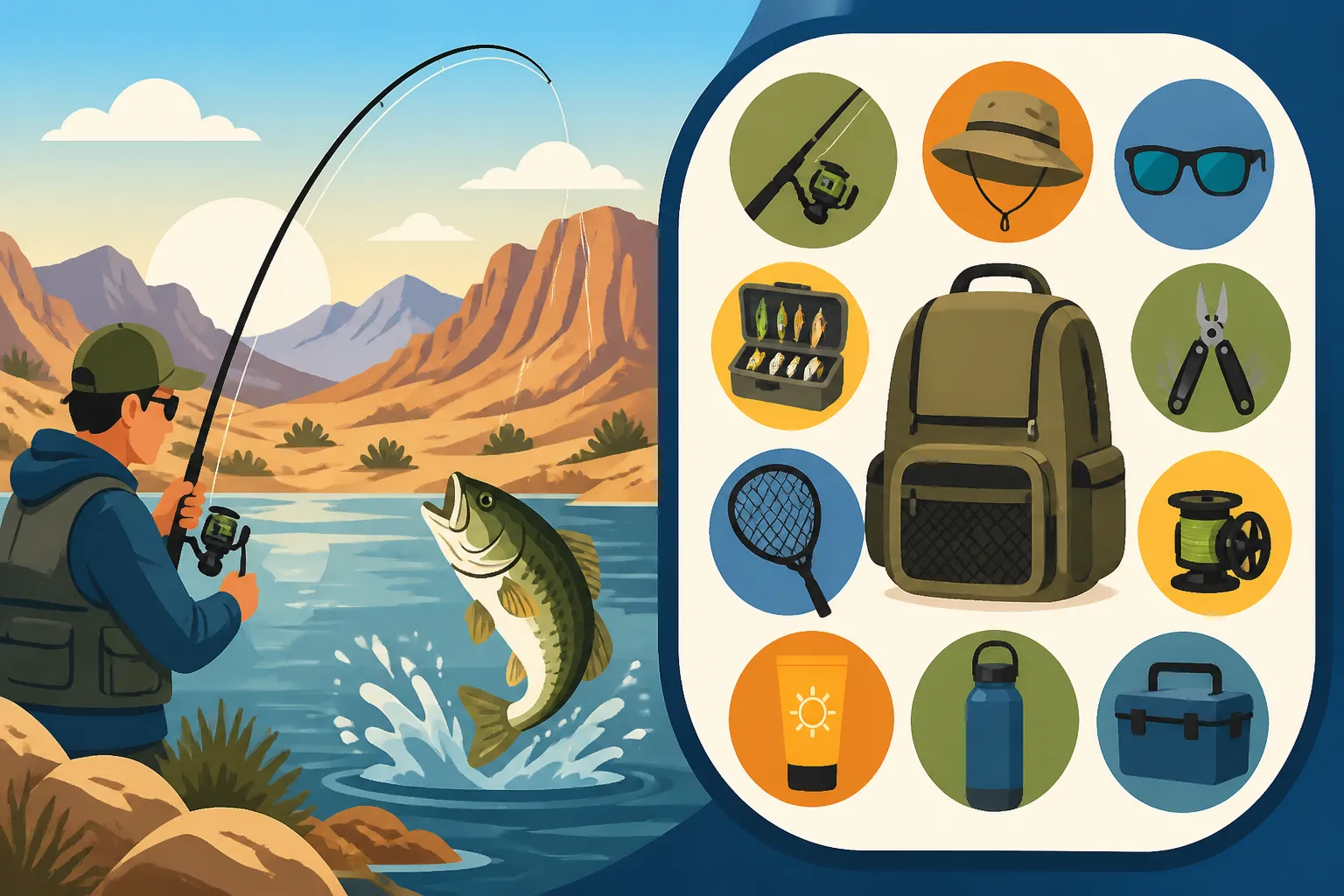
- Broad-brimmed hat: Something that shades your face, ears, and neck. A baseball cap just won't cut it for prolonged exposure.
- Polarized sunglasses: Not only do they protect your eyes from harmful UV rays, but they also cut glare on the water, allowing you to see structure and sometimes even fish. This can be a game-changer when sight fishing.
- High-SPF sunscreen: Apply it liberally and frequently, even on cloudy days. Don't forget the back of your hands and neck.
- UPF-rated clothing: Long-sleeved shirts and pants made from lightweight, breathable fabric with a high Ultraviolet Protection Factor (UPF) are ideal. They keep you cool while offering excellent protection.
- Water, water, and more water: This is paramount. Always bring more water than you think you'll need. Dehydration can creep up quickly in the dry Nevada air. Consider electrolyte drinks too, especially on hot days. A good cooler, like those you can find at Bass Pro Shops, is essential for keeping your drinks and any catch cool. For more details on staying safe in the sun, consult Desert Fishing Gear and Sun Protection.
Layers, First Aid, and Emergency Gear
Nevada weather can be unpredictable. A cool morning can turn into a blistering afternoon, or a calm day can suddenly bring strong winds and a chill.
- Layered clothing: Even in summer, mornings can be cool. Bring a light jacket or sweatshirt that you can easily shed as temperatures rise. In spring and fall, thicker layers are a must.
- Rain gear: A lightweight, packable rain jacket is always a good idea, even if the forecast looks clear. Pop-up showers can happen, especially in mountain areas.
- First aid kit: A basic kit with bandages, antiseptic wipes, pain relievers, and any personal medications is essential. Hooks happen, and minor cuts are part of fishing.
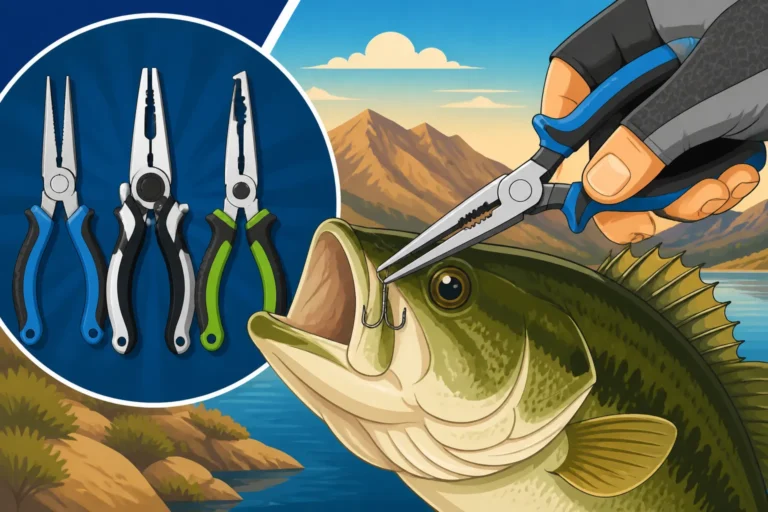
- Multi-tool or pliers: For hook removal, cutting line, and general repairs. A good pair of fishing pliers is specifically designed for removing hooks, crimping weights, and splitting rings, often available from brands carried by Amazon.
- Headlamp or flashlight: For early morning starts, late evening finishes, or in case of an unexpected overnight stay.
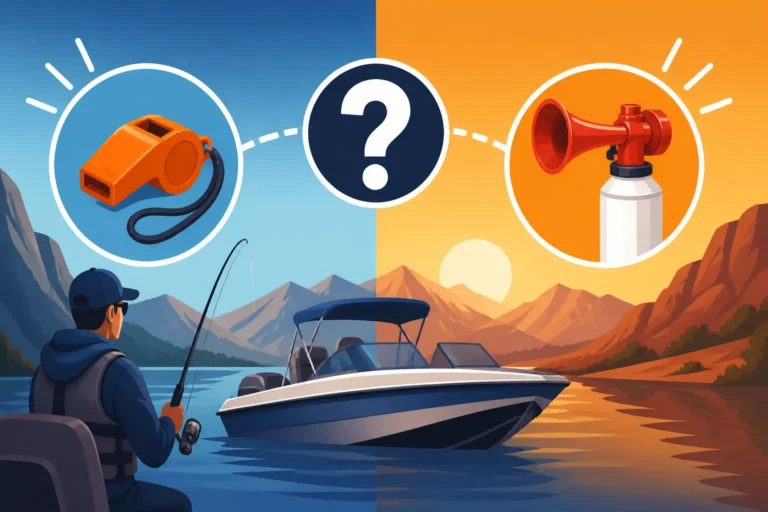
- Whistle: For signaling if you get into trouble, especially if you're boating or fishing in a remote area.
- Fully charged cell phone: While service can be spotty in remote areas, it’s crucial for emergencies where it is available. Consider a portable power bank to keep it charged.
- Map and compass/GPS: Don't rely solely on your phone. A physical map of the area and a compass can be lifesavers if your electronics fail or lose signal. This is particularly important on vast bodies of water like Lake Mead or Lake Mohave. For more on ensuring you’re ready for anything on the water, read Essential Safety Gear for Boating on Lake Mead.
Navigation and Fish Finding: Maximizing Your Chances
Knowing where you are and where the fish are can dramatically improve your success rate. While not every trip requires high-tech gadgets, having some navigational aids and an understanding of fish behavior is invaluable.
Maps and GPS Devices
For any Nevada fishing spot, especially larger lakes or more remote rivers, understanding the topography and potential fish-holding structures is key.
- Detailed paper maps: Even with GPS, having a physical map is a smart backup. Lake contour maps can show depths, drop-offs, and submerged structures that are magnets for fish. Many outdoor stores, including Bass Pro Shops, carry hydrographic maps of popular fishing lakes.
- Handheld GPS device or smartphone app: A dedicated GPS unit or a reliable fishing app on your phone can help you mark productive spots, navigate back to launch points, and stay aware of your location. This is especially useful in vast waters like Lake Mead where landmarks can become repetitive. Knowing exactly where you caught that last bass can help you pattern fish more effectively.
Fish Finders and Depth Locators
If you're fishing from a boat or even a kayak, a fish finder can transform your approach.
- Portable or mounted fish finder: These devices use sonar to show you what’s beneath the surface – depths, bottom structure, and even fish. For bass anglers, seeing ledges, humps, and brush piles is incredibly helpful. For trout anglers, locating schools of baitfish or deep-dwelling Mackinaw is made much easier. Entry-level portable units are great for kayaks or smaller boats, while larger, more sophisticated units are common on dedicated fishing vessels. They can help you identify temperature breaks and schools of baitfish, which are often key indicators of where game fish will be. For more on this, check out Best Fish Finder for Reservoir Fishing.
Miscellaneous but Mighty Must-Haves
Sometimes it's the little things that make the biggest difference in your fishing experience. These are the items that often get overlooked but prove invaluable.
Tools and Cutting Devices
Beyond your multi-tool, having specific tools for fishing can be a game-changer.
- Line cutters/scissors: While many multi-tools include scissors, dedicated line cutters are often sharper and more efficient for various types of fishing line, especially braid. Keep them handy on a lanyard.
- Hook sharpener: A dull hook is a lost fish. A small, portable hook sharpener allows you to quickly hone your hooks, ensuring maximum penetration. This is especially important after bouncing lures off rocks or gravel.
- Measuring tape or bump board: To quickly and accurately measure your catch, especially if you’re adhering to specific length limits or just want to document your trophy.
Storage and Organization
Keeping your gear organized not only saves time but also protects your investment.
- Tackle boxes/bags: A good tackle box or bag with adjustable compartments will keep your hooks, weights, and lures neatly organized and prevent them from tangling. Consider specialized bags for soft plastics or a separate box for hard baits. For a day trip, a small, easily accessible tackle bag is often better than a giant, cumbersome box.
- Dry bag/waterproof box: For protecting sensitive items like your phone, wallet, keys, and camera from spray or an accidental dunk, especially if you’re fishing from a boat or kayak.
- Trash bags: Always practice Leave No Trace principles. Bring bags to collect your trash, discarded line, and any other waste. Pack it in, pack it out! This is crucial for keeping Nevada's beautiful fishing spots pristine.
Landing and Fish Handling
Bringing fish to hand safely and efficiently is important for both you and the fish.
- Net: A good landing net is essential, especially for larger fish. It helps prevent lost fish at the boat or shore, and reduces stress on the fish for release. Rubberized nets are excellent as they are gentler on fish scales and slime coats.
- Fish gripper: For handling toothy fish like pike (where present, though rare) or large striped bass, a fish gripper can protect your hands from hooks and sharp fins.
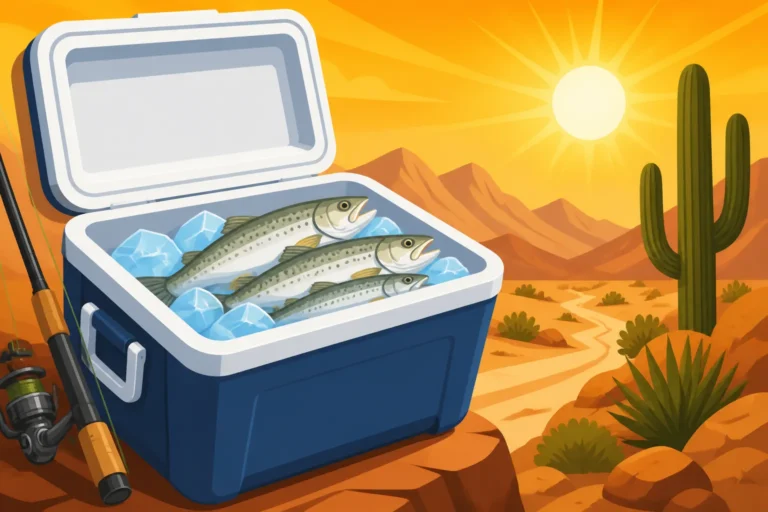
- Cooler with ice: If you plan on keeping your catch, a quality cooler packed with ice is a must. This keeps your fish fresh and safe for consumption, especially on those hot Nevada days.
Putting It All Together: Your Nevada Fishing Trip Checklist
Here’s a summary table of the essential items to consider for your next Nevada fishing trip, categorized for easy reference. Remember, always adapt this list to your specific destination and the type of fishing you plan to do.
| Category | Essential Items | Notes |
|---|---|---|
| Fishing Gear | Rod and Reel Combo | Medium-light to Medium power rod (6'6"-7'), 2500-3000 series spinning reel for versatility. |
| Fishing Line | 6-10lb Monofilament OR 10-20lb Braided with Fluorocarbon Leader (6-12lb). | |
| Hooks | Assortment of sizes (8-3/0) and types (bait hooks, circle hooks). | |
| Sinkers | Variety of split shot, egg, and bullet weights. | |
| Swivels & Snaps | Prevent line twist, quick lure changes. | |
| Baits & Lures | PowerBait/salmon eggs (trout), small spinners/spoons (trout), soft plastics/crankbaits/spinnerbaits (bass), swimbaits/jerkbaits (stripers). | |
| Safety & Comfort | Wide-Brimmed Hat | Essential for sun protection. |
| Polarized Sunglasses | Eye protection & glare reduction for spotting fish. | |
| High-SPF Sunscreen | Apply liberally and frequently. | |
| UPF-Rated Clothing | Long-sleeved shirts and pants. | |
| Water/Hydration | Ample supply, consider electrolyte drinks. | |
| Layered Clothing | Jacket/sweatshirt, rain gear for changing weather. | |
| First Aid Kit | For minor injuries, cuts, hook incidents. | |
| Multi-Tool/Pliers | Hook removal, cutting line, general repairs. | |
| Headlamp/Flashlight | For low-light conditions. | |
| Whistle | For signaling in emergencies. | |
| Fully Charged Cell Phone | With power bank if possible (check signal availability). | |
| Map & Compass/GPS | Physical map of area, backup for electronics. | |
| Navigation/Misc. | Detailed Fishing Maps | Contour maps for depth and structure. |
| Fish Finder (optional, for boat/kayak) | Locate structure, depth, and fish. | |
| Line Cutters/Scissors | Dedicated for clean cuts. | |
| Hook Sharpener | Maintain sharp hooks for better hooksets. | |
| Measuring Tape/Bump Board | For compliance with regulations and documenting catches. | |
| Tackle Boxes/Bags | Organize and protect your gear. | |
| Dry Bag/Waterproof Box | Protect electronics and valuables. | |
| Trash Bags | Always pack out what you pack in. | |
| Landing Net | Essential for safely landing and releasing fish. | |
| Fish Gripper | For safe handling of toothy or spiny fish. | |
| Cooler with Ice | To keep your catch fresh if you plan to keep fish. | |
| Valid Nevada Fishing License | Absolutely mandatory! Ensure you have it before you go. |
Taking the time to gather and organize your gear before you hit the road can make all the difference. Remember, whether you’re heading to the high desert, a mountain lake, or an urban pond, Nevada offers some incredible fishing opportunities. With this comprehensive checklist, you'll be well-prepared to enjoy everything the Silver State's waters have to offer. Don't forget to check the latest Nevada Fishing Regulations Explained and obtain your Nevada Fishing License Guide before your trip!
Disclaimer
This article is for general informational purposes only and does not constitute professional advice. Laws, prices and regulations vary by location and change over time. Consult a qualified professional for guidance on your specific situation.