Nevada Barbless Hook and Bait Rules
There's nothing quite like the thrill of casting a line into Nevada's sparkling waters, but for many anglers, the tangle of regulations around hooks and bait can feel like trying to untangle a backlash on a windy day. It's frustrating to want to do the right thing and still feel unsure if your gear is compliant. This guide is here to untangle those knots, explaining Nevada's barbless hook and bait rules so you can fish with confidence and respect for our incredible fisheries.
Understanding Nevada's General Hook Regulations
When you're out on the water, whether it's a vast reservoir or a peaceful stream, knowing the rules about your hooks is paramount. Nevada's Department of Wildlife (NDOW) has set these regulations not to make your life harder, but to protect the fish populations we all cherish. The general rule of thumb isn't always "barbless," but there are critical exceptions you absolutely need to be aware of.
What is a Barbless Hook?
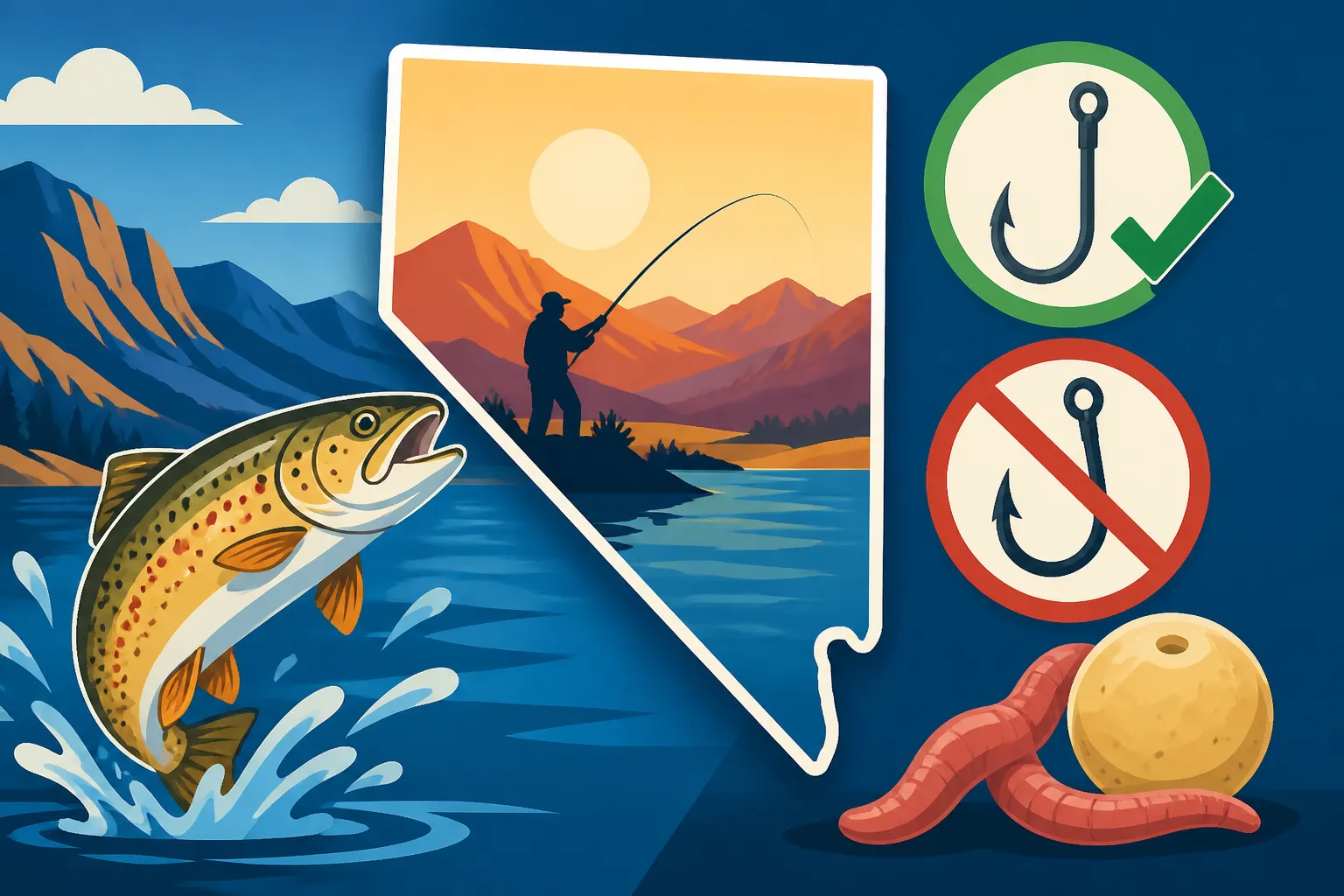
Let's start with the basics. A barbed hook has a small, sharp point that sticks out behind the main point, designed to prevent a fish from easily shaking the hook free. A barbless hook, on the other hand, lacks this secondary point. It's just a smooth, tapered point that makes it much easier to remove the hook from a fish's mouth, reducing injury. You can buy hooks that are manufactured as barbless, or, and this is a common practice among experienced anglers, you can easily convert a barbed hook to barbless yourself. It just takes a pair of needle-nose pliers to gently crimp down that barb until it's flush with the shank of the hook. This simple act of converting your hooks, often done while you're packing your tackle box or even streamside, is a fundamental part of responsible angling in many sensitive Nevada fisheries.
Statewide Default Rules on Barbs
For many of Nevada's general fishing waters, a barbed hook is perfectly legal. You can fish with them in places like Lake Mead, Lake Mohave, and most urban ponds, as long as you're following the other general statewide rules explained in the comprehensive Nevada Fishing Regulations Explained guide. This default often causes confusion, especially for anglers new to the state or those who have fished in areas known for strict barbless requirements. It means you don't always have to pinch those barbs down. However, don't let this default make you complacent. The moment you step into a special regulation area, those rules change dramatically, and knowing where those lines are drawn is crucial to avoiding a citation and, more importantly, protecting the fish you're targeting. Always, always check the specific regulations for the body of water you intend to fish before you even tie on your first lure.
The Importance of Pinching Barbs
Even in waters where barbed hooks are technically permitted, many conservation-minded anglers choose to go barbless, especially if they practice catch-and-release. The reason is simple: fish health. When a fish takes a barbed hook, the barb can tear more tissue, making removal more difficult and increasing the chance of serious injury or even mortality once the fish is released. A barbless hook slides out cleanly, quickly, and with minimal damage, giving that fish the best possible chance of survival. This is particularly vital for species like trout, which can be delicate, or when you're targeting trophy fish that you intend to photograph and release. Consider adding a pair of fishing pliers to your tackle box, readily available on platforms like Amazon, specifically for crimping down barbs. It's a small change that makes a big difference for the fish and contributes positively to the overall health of our fisheries.
Navigating Nevada's General Bait Restrictions
Beyond hooks, what you put on the end of that hook is another major area of regulation in Nevada. Bait rules are designed to prevent the introduction of invasive species, protect native fish populations from competition or disease, and maintain the ecological balance of specific aquatic environments. This means what's legal in one lake might be strictly prohibited in another.
Live Bait vs. Artificial Bait Explained
The distinction between live bait and artificial bait is fundamental. Live bait refers to any living organism used to attract fish, such as worms, minnows, crickets, or even small crustaceans. Artificial bait includes lures, flies, and soft plastics designed to mimic natural prey but are not alive. In many of Nevada's waters, especially those managed for warm-water species like bass and catfish, live bait is generally allowed. You can often use nightcrawlers, mealworms, or various cut baits to great success. However, certain pristine or sensitive trout fisheries will have "artificial lures only" or "flies and lures only" regulations to minimize the impact on delicate ecosystems and reduce the chance of spreading diseases or non-native organisms often associated with live bait. It's not uncommon to find specific rules for individual rivers or streams that might prohibit live bait entirely to protect wild trout populations. Always consult the specific waterbody rules found in the annual NDOW fishing guide.
Baitfish and Crayfish Regulations
This is where things can get particularly tricky. While "live bait" might be allowed in some areas, the type of live bait is often highly regulated, especially concerning baitfish and crayfish. NDOW has stringent rules about using baitfish (small fish used as bait) to prevent the spread of invasive species and diseases into Nevada's waters. In some areas, only legally purchased and certified disease-free baitfish are permitted, and often, it's illegal to transport live baitfish from one body of water to another. For example, using minnows caught from one lake to fish another could introduce harmful pathogens or non-native species, causing irreversible damage. Similarly, crayfish, while naturally occurring in some Nevada waters, are often restricted as bait due to their potential as an invasive species. Transporting live crayfish or using them as bait in prohibited waters can lead to severe penalties. If you're considering using baitfish or crayfish, you must check the specific regulations for that exact body of water, and if purchased, always keep your receipt to prove legal origin.
Common Baits and Their Permitted Uses
So, what can you generally use? For general-purpose fishing in many Nevada reservoirs and urban ponds, common baits like PowerBait, salmon eggs, corn, marshmallows, and various manufactured dough baits are almost always permissible. These are often excellent choices for targeting stocked rainbow trout, which are regularly introduced into these waters. For bass fishing in places like Lake Mead or Lake Mohave, soft plastics, crankbaits, spinnerbaits, and swimbaits are incredibly effective and widely accepted. Worms, like nightcrawlers, are a universal favorite and generally allowed unless specific "artificial lures only" rules are in place. When considering your bait, think about the target species and the specific water. For instance, the Best Bait for Nevada Trout will likely be different from what you'd use for catfish. If in doubt, artificial lures or dead, manufactured baits are often your safest bet.
Specific Waterbody Regulations for Hooks and Bait
Nevada's diverse fishing environments, from high mountain lakes to vast desert reservoirs, mean that a "one size fits all" approach to regulations simply doesn't work. Anglers must pay close attention to the special regulations that apply to particular bodies of water, as these often supersede general statewide rules for hooks and bait.
Pyramid Lake: A Strict Barbless and Artificial Only Zone
Perhaps the most famous example of highly specific regulations in Nevada is Pyramid Lake, home to the world-renowned Lahontan Cutthroat Trout. Here, the rules are clear and strictly enforced: it's barbless hooks and artificial lures only. No live bait, no scented baits, and definitely no barbed hooks. This strict adherence is critical for the conservation of the ancient and fragile Lahontan Cutthroat Trout, many of which are wild and protected. Anglers often fish Pyramid Lake from shore using various spoons, jigs, and flies, or from boats employing similar artificial presentations. The unique slot limits and catch-and-release requirements for these majestic fish mean minimizing harm during the fight and release is paramount. If you're planning a trip, be sure to check out the Pyramid Lake Fishing Permit Guide for all the specific details, as tribal permits are also required, separate from a state license. You can find specialized Pyramid Lake flies and lures, many pre-rigged with barbless hooks, on platforms like Amazon, making preparation easier.
Lake Tahoe: Unique Rules for a Shared Fishery
Another iconic Nevada fishery with special regulations is Lake Tahoe, a magnificent body of water shared with California. Due to its unique ecosystem and the presence of species like the Mackinaw (Lake Trout) and Kokanee Salmon, Lake Tahoe has its own set of rules, which can sometimes be a blend of Nevada and California regulations, depending on where you're fishing. Generally, on the Nevada side, barbed hooks are often allowed, but there might be specific restrictions on bait, especially regarding baitfish, to prevent the introduction of non-native species. For instance, using live minnows that are not from Lake Tahoe or certified disease-free is typically prohibited. Trolling with artificial lures or specialized dodger-and-worm setups for Mackinaw is common here. The regulations for Lake Tahoe are often detailed in the Lake Tahoe Nevada Fishing License Rules and it's imperative to consult them before heading out, especially if you cross state lines while fishing.
River and Stream Specifics: Truckee River and Beyond
Many of Nevada's rivers and streams, particularly those managed for wild trout, also have strict barbless and artificial lure/fly rules. The Truckee River, especially the sections near Reno and extending into the more pristine areas, is a prime example. These "fly fishing only" or "artificial lures with barbless hooks only" designations are designed to protect the fragile populations of wild brown and rainbow trout that inhabit these waterways. The clean release made possible by barbless hooks is vital for the survival of these fish, which might be caught multiple times throughout their lives. Similarly, some high mountain streams or smaller creeks listed in the Best Places to Fish in Nevada might have similar restrictions. Anglers targeting these delicate ecosystems often equip themselves with specialized fly fishing gear, readily available on Amazon, ensuring their flies and leaders are compliant.
Urban Ponds: More Lenient for Beginners
In contrast to the highly regulated wild fisheries, Nevada's urban ponds, like those found in Las Vegas (e.g., Floyd Lamb Park, Sunset Park), often have more relaxed rules regarding bait and hooks. These ponds are primarily managed as "put-and-take" fisheries, regularly stocked with rainbow trout and, at times, channel catfish by NDOW, as detailed in the Nevada Trout Stocking Schedule. Because these fish are often intended for harvest and the environment is less sensitive, you'll typically find that both barbed hooks and a wide variety of baits (like PowerBait, worms, corn) are permitted. These spots are fantastic for beginners, families, and kids to learn the ropes without the added stress of complex tackle regulations. However, even in urban ponds, it's always wise to double-check the local signage or the NDOW regulations, as specific ponds might have unique rules, such as daily bag limits or hours of operation.
Here's a quick reference table for some key Nevada fishing spots regarding their hook and bait regulations:
| Fishing Location | Barbs Allowed? | Bait Allowed? | Common Exceptions/Notes |
|---|---|---|---|
| Pyramid Lake | No (Barbless Only) | No (Artificial Lures/Flies Only) | Tribal permit required; focus on Lahontan Cutthroat Trout. |
| Lake Tahoe (Nevada) | Yes (Generally) | Restricted (No non-native live baitfish) | Check state line rules; Mackinaw and Kokanee are target species. |
| Truckee River (Special Regs) | No (Barbless Only) | No (Artificial Lures/Flies Only) | Specific sections for wild trout conservation. |
| Lake Mead/Mohave | Yes | Yes (Most live/artificial bait) | Check for baitfish restrictions; Striped Bass, Bass, Catfish. |
| Urban Ponds (LV/Reno) | Yes | Yes (Most live/artificial bait) | Great for beginners; regularly stocked trout. |
| Wildhorse Reservoir | Yes | Yes (Most live/artificial bait) | Known for trout, bass, yellow perch; check baitfish rules. |
| High Mountain Lakes | Often Yes | Often Yes (But check for 'artificial only') | Pristine waters may have specific restrictions, especially for native trout. |
The Rationale Behind Fishing Regulations
It can sometimes feel like regulations are put in place just to make fishing more complicated, but that's rarely the case. The rules around barbless hooks and bait are deeply rooted in the science of fisheries management and conservation. They're designed to protect the very resources we cherish, ensuring there's plenty of great fishing for generations to come.
Conservation of Native Species
One of the primary drivers behind strict regulations, especially in unique places like Pyramid Lake, is the conservation of native fish species. The Lahontan Cutthroat Trout, for example, is a species of concern, and its populations have faced significant challenges. Regulations requiring barbless hooks and artificial lures are crucial for minimizing stress and injury to these fish, increasing their survival rates after being caught and released. This approach helps support natural reproduction and the overall health of the population. Similarly, some regulations in smaller streams aim to protect native redband trout or other unique fish that are more vulnerable to fishing pressure or habitat disruption. These rules are a frontline defense against decline, ensuring that these indigenous species continue to thrive in their natural habitats.
Minimizing Fish Harm and Mortality
Even for non-native or widely stocked species, minimizing harm is a key objective. Catch-and-release fishing has become increasingly popular, allowing anglers to enjoy the sport without depleting fish stocks. However, catch-and-release is only effective if the fish survive the encounter. Barbless hooks significantly reduce "deep hooking" (when the hook is swallowed), minimize tissue damage around the mouth, and allow for much quicker removal. This quick, clean release is vital, especially when fish are caught in warmer water temperatures or are under stress. Regulations that mandate barbless hooks are essentially promoting ethical angling practices that contribute to the long-term vitality of the fishery. It's about ensuring that every fish, whether kept or released, is treated with respect.
Preventing Invasive Species Spread
Bait regulations, particularly those concerning live baitfish, are critical for preventing the spread of invasive species and diseases. Many non-native fish species, such as quagga mussels at Lake Mead or various types of minnows, can be inadvertently introduced into new waters if anglers use baitfish caught from a different location or discard unused bait. These invasive species can outcompete native fish for food and habitat, introduce new diseases, or disrupt the entire ecosystem, leading to devastating long-term impacts on the fishery. The devastating impact of quagga mussels, for instance, has led to stringent boat inspection requirements across Nevada. By restricting the types and sources of bait, NDOW actively works to protect Nevada's diverse aquatic environments from these threats. It’s a collective responsibility for all of us to be vigilant about what we introduce into our waters.
Avoiding Penalties: Compliance and Best Practices
Nobody wants a fishing trip ruined by a fine or a run-in with a game warden. Understanding and adhering to Nevada's barbless hook and bait rules isn't just about ethics; it's about legal compliance. The consequences of not following these regulations can range from a warning to significant fines, confiscation of gear, or even loss of fishing privileges.
What Happens if You're Caught Non-Compliant?
Fishing without the correct license or using illegal tackle or bait can lead to penalties under Nevada law. The specific consequences will depend on the severity of the violation, whether it's a first offense, and the specific regulations broken. For instance, being caught fishing with barbed hooks in a "barbless only" section of the Truckee River or Pyramid Lake could result in a citation and a fine. Using prohibited live bait, especially species that are known invasives, might lead to even stricter penalties. Game wardens are well-trained and routinely patrol popular fishing areas, checking for compliance. They're not just looking for a Nevada Fishing License Guide; they're examining your tackle, your catch, and your overall adherence to the rules. Ignorance of the law is generally not considered an excuse, so it's your responsibility to know before you go. This is detailed further in the Nevada Fishing Violation Penalties article.
Essential Gear for Rule Adherence
Being prepared is key to staying compliant. Here's a rundown of essential gear:
- Needle-Nose Pliers: Absolutely crucial for crimping down barbs on your hooks. Even if you plan to buy barbless, having pliers on hand means you can easily convert any hook in your tackle box in a pinch. You can grab a sturdy pair from Amazon.
- A Current Nevada Fishing Regulation Booklet: Carry a physical copy or have the digital version downloaded on your phone. This is your bible on the water.
- Variety of Artificial Lures/Flies: If you're heading to a "lures/flies only" water, ensure you have a good selection. Make sure any pre-rigged lures also have barbless hooks, or be ready to modify them.
- Appropriate Live Bait (if allowed): If you're in a "live bait permitted" area, ensure your bait is legal. If using baitfish, make sure they were legally acquired and that you have a receipt. Never transport live baitfish between different drainages.
- Measuring Device: Often, regulations include size limits, so a tape measure or fish ruler is essential for verifying your catch, especially for species like Lahontan Cutthroat Trout where slot limits apply.
Having the right gear isn't just about catching fish; it's about ensuring you can fish legally and ethically. For instance, if you're exploring Fly Fishing in Nevada, ensuring your fly box is full of barbless patterns is a must.
Checking the Latest Regulations Annually
Nevada's fishing regulations can change from year to year. New conservation efforts, shifts in fish populations, or environmental factors can all lead to updates in rules regarding hooks, bait, seasons, and limits. Therefore, it's absolutely critical to check the current year's Nevada Fishing Regulations booklet before your first fishing trip of the season, and certainly before visiting any new body of water. NDOW publishes a comprehensive guide each year, available online and at license vendors. Don't rely on old information or what a buddy told you last year. Take a few minutes to review the specific section for the waterbody you plan to fish. Staying informed is the easiest way to avoid unintended violations and ensure your day on the water is filled with enjoyment, not anxiety. For a deeper dive into preparing your tackle, you might find the Nevada Fishing Gear Essentials helpful.
Disclaimer
Please remember that fishing regulations can change. While this guide aims to provide accurate and up-to-date information, it is your responsibility to consult the official Nevada Department of Wildlife (NDOW) fishing regulations booklet for the current year before engaging in any fishing activities. This article is for informational purposes only and should not be considered a substitute for the official rules and regulations.