Where to catch Mackinaw trout at Lake Tahoe
Trying to pin down where to catch those magnificent Mackinaw trout in Lake Tahoe can feel like searching for a needle in a colossal, crystal-clear haystack. This immense, deep lake holds some truly impressive fish, but their preference for cold, deep water means you can't just cast a line anywhere and expect results. This comprehensive guide will zero in on the prime locations and effective strategies to help you successfully target Mackinaw trout in the stunning Nevada waters of Lake Tahoe.
The Elusive Mackinaw Trout of Lake Tahoe
Before we dive into the specific hotspots, it's crucial to understand a bit about the fish we're chasing. Mackinaw trout, also known as lake trout, are the undisputed apex predators in Lake Tahoe, growing to truly impressive sizes. Their habits dictate where and how you'll find them, making this foundational knowledge vital for any angler hoping to land one of these giants.
Identifying Lake Tahoe's Apex Predator
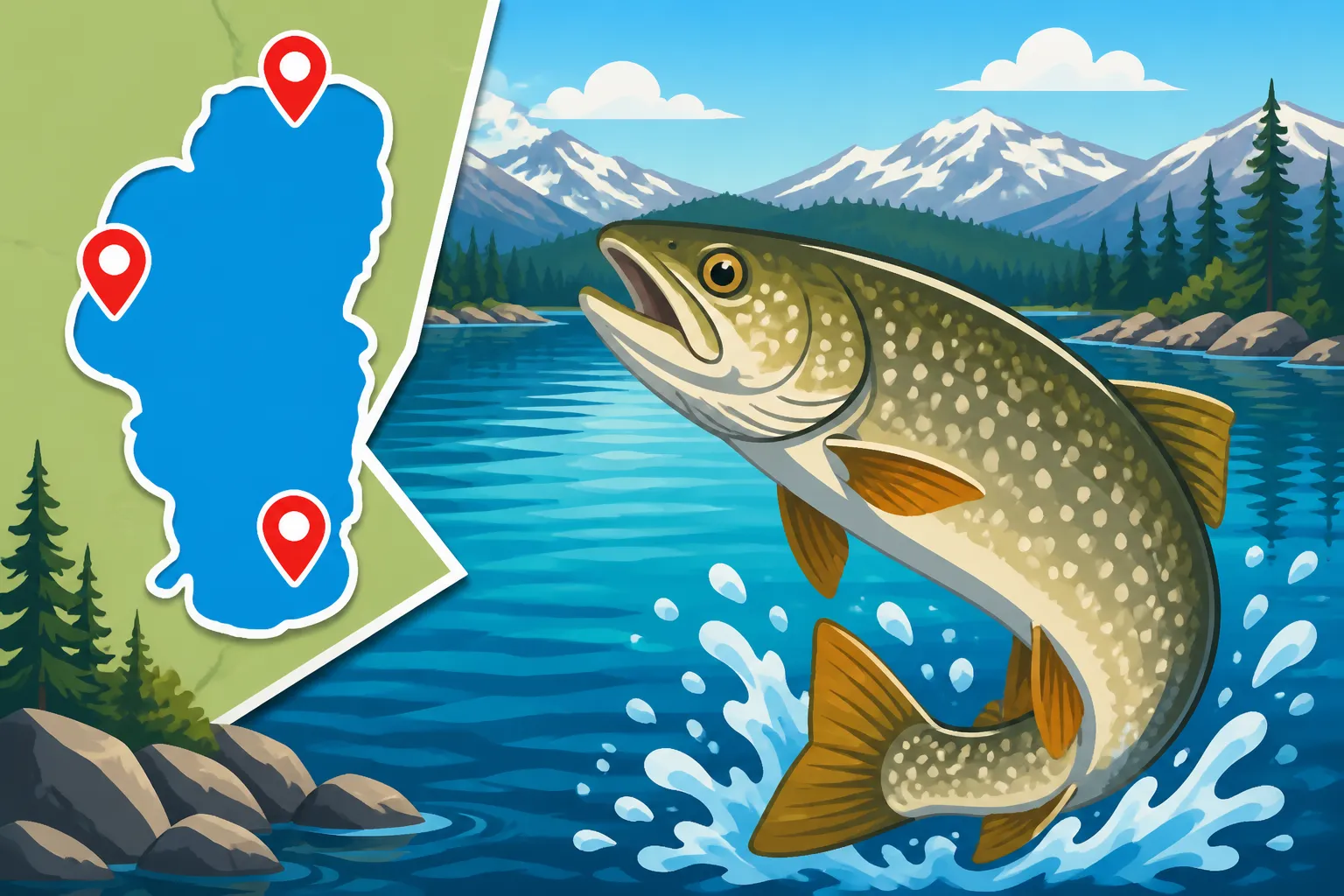
Mackinaw trout (scientific name Salvelinus namaycush) are not native to Lake Tahoe, but they've thrived since their introduction in the late 19th century, establishing themselves as the dominant game fish. They're easily identifiable by their dark gray to greenish-gray bodies, often covered in light spots that extend onto their dorsal, adipose, and caudal fins. They have a deeply forked tail, a large mouth, and sharp teeth, all indicative of their predatory nature. These fish are built for cold, deep water and can live for many years, allowing them to reach considerable sizes. If you're wondering about their potential, check out what kind of Mackinaw Trout Size and Age at Lake Tahoe you might encounter. Many anglers dream of catching a trophy Mackinaw, and Lake Tahoe certainly holds them.
They're often confused with other trout species, but their coloration, spotting, and particularly the deeply forked tail are tell-tale signs. Unlike rainbow trout or brown trout, Mackinaw prefer the dark, cold abyssal zones of large lakes, rarely venturing into the warmer, shallower waters favored by other species. This preference for the depths is what makes targeting them a unique challenge, requiring specialized techniques and gear. Understanding their physical characteristics not only helps with identification but also offers clues about their behavior and preferred hunting grounds.
Preferred Habitats and Seasonal Movements
Mackinaw trout are creatures of habit, and their habits are dictated by water temperature and the availability of their primary food source: kokanee salmon and various minnows. They thrive in water temperatures between 45 and 55 degrees Fahrenheit (7 to 13 degrees Celsius), which means they generally reside in the deeper parts of Lake Tahoe, often at depths ranging from 100 to over 300 feet. These depths provide the stable, cold environment they need year-round. They gravitate towards underwater structures like ledges, drop-offs, submerged rock piles, and old creek beds, using these features as ambush points for baitfish.
While they are deep-water dwellers, their exact location can shift with the seasons. In the spring and fall, when the lake's surface temperatures are cooler, Mackinaw might venture slightly shallower, often in the 60-120 foot range, as baitfish move to these depths. During the summer, as the surface warms, they retreat to the thermocline and deeper, colder waters, often pushing past 150-200 feet. Winter sees them move back up the water column slightly as the entire lake cools and baitfish are more spread out. Understanding these Seasonal Movement of Fish in Reservoirs is key to predicting their whereabouts. Knowing these movements is crucial for any angler planning a trip, as it directly influences where you'll drop your lines.
Top Lake Tahoe Locations for Mackinaw Fishing
Lake Tahoe is an enormous body of water, spanning over 22 miles long and 12 miles wide, with depths plunging over 1,600 feet. This vastness means you can't just pick a spot randomly. Mackinaw fishing is highly concentrated in specific areas that offer the deep, cold water and structure they prefer. While both the California and Nevada sides hold fish, we'll focus on the prime spots accessible from Nevada's beautiful shores and marinas.
Northern Nevada's Deep Water Haunts
The northern part of Lake Tahoe on the Nevada side offers some fantastic opportunities for Mackinaw. This region is characterized by steep drop-offs and significant depths close to shore, making it prime Mackinaw territory.
- Crystal Bay/Stateline Point: This area, right on the Nevada-California border, is renowned for its deep water access. The underwater topography here features dramatic shelves and drop-offs that plunge quickly to hundreds of feet. Anglers often target the edges of these shelves, particularly where they meet deep water. Mackinaw frequently patrol these depths, ambushing baitfish that move along the contours. The points and rocky structures near the shore extend deep underwater, providing excellent hiding and hunting grounds for these predators. It’s a popular spot, and you'll often see other boats out here, but for good reason.
- Incline Village to Sand Harbor: This stretch of coastline is picturesque above water, but beneath the surface lies a complex underwater world perfect for Mackinaw. The waters off Incline Village and extending towards Sand Harbor feature a mix of rocky reefs and deep canyons. The key here is to use your fish finder to locate these submerged structures and bait schools. These areas often hold Mackinaw in the 150-300 foot range, especially during peak summer when they seek the coldest water. Accessing these spots usually requires a boat launch from places like Sand Harbor or the public ramps near Incline Village. For those without their own vessel, charter services often operate out of Tahoe City on the California side, or you can find reputable guides through platforms like FishingBooker, who are experts in navigating these waters.
- Zephyr Cove: While Zephyr Cove is more associated with recreational activities, the waters just offshore, especially as they deepen quickly, can hold Mackinaw. Look for the transition zones where shallower shelves give way to the profound depths of the main lake basin. These are often productive areas, particularly when schools of kokanee salmon move through. This is another area where finding a local guide or referring to a detailed Lake Tahoe Nevada Fishing Guide can give you an edge, as they often have specific waypoints and knowledge of current conditions.
Southern Nevada's Structural Goldmines
The southern Nevada side of Lake Tahoe, closer to South Lake Tahoe, also offers incredible Mackinaw fishing, characterized by different types of underwater structures.
- Cave Rock: Perhaps one of the most iconic landmarks on the Nevada side, Cave Rock isn't just a scenic spot; it's a Mackinaw magnet. The underwater structure around Cave Rock is incredibly diverse, featuring massive rock formations, ledges, and deep crevices that provide excellent cover and ambush points. The water drops off very steeply here, allowing Mackinaw to hold at desired depths even close to shore. Anglers often focus on trolling parallel to the rock face or jigging near prominent underwater features. This area is known for consistently producing larger Mackinaw due to the rich habitat.
- Logan Shoals: Just south of Glenbrook, Logan Shoals is another excellent area. This region is characterized by a mix of submerged ledges and vast, deep expanses. The "shoals" themselves are shallower areas, but the key is to fish the steep drop-offs surrounding them. Mackinaw will patrol these edges, moving between the deeper waters and slightly shallower feeding zones. Your fish finder will be your best friend here, helping you identify these critical depth changes and locate schools of baitfish that attract the Mackinaw. This region, like others, demands patience and a keen eye for subtle changes in depth and structure.
East Shore Opportunities and Challenges
The eastern shore of Lake Tahoe, primarily within Nevada, offers some less pressured, but equally productive, Mackinaw fishing.
- Secret Harbor/Skunk Harbor: These more remote and less accessible coves offer stunning natural beauty and excellent deep-water access. While they don't have public boat launches, you can reach the fishing grounds by boat from other ramps, or by hiking in to fish from shore in very specific deep-water areas (though shore fishing for Mackinaw is exceptionally challenging due to their depth preferences). The waters off these harbors deepen quickly and feature complex underwater topography, making them ideal for trolling and jigging. The relative quietness of these areas can sometimes lead to less pressured fish.
- The Main Lake Basin: Beyond the specific points and structures, the vast main lake basin itself, particularly in the central and eastern Nevada sections, holds large populations of Mackinaw. These areas require extensive trolling to cover ground. Mackinaw can be found suspended in the water column over immense depths, often relating to schools of kokanee salmon. This is where a good fish finder and knowledge of How deep to fish for Mackinaw trout at Lake Tahoe become absolutely critical. You're essentially looking for fish in open water, which can be daunting but incredibly rewarding when you hit a school. Many anglers opt for extended charters from guides listed on services like FishingBooker to explore these expansive fishing grounds efficiently.
Mastering Techniques for Mackinaw Success
Catching Mackinaw trout in Lake Tahoe isn't typically a casual affair. It requires specific techniques tailored to their deep-water habits. Success hinges on getting your bait or lure down to where they live and presenting it effectively.
Effective Trolling Strategies and Gear
Trolling is, without a doubt, the most popular and often most effective method for targeting Mackinaw trout in Lake Tahoe. It allows you to cover vast amounts of water and present your lure at precise depths.
- Downriggers are Essential: To get your lures to the depths where Mackinaw reside (100-300+ feet), you'll need downriggers. These devices use heavy weights to send your line and lure down to a predetermined depth, allowing you to troll efficiently. Most serious Mackinaw anglers will run two to four downriggers at varying depths to cover different parts of the water column. This way, you can experiment to find the exact depth where fish are active on any given day. Your electronics will be key to identifying these productive depths.
- Lures and Baits: Popular trolling lures include large spoons (like Needlefish or Speedy Shiners), dodgers or flashers paired with a baited hook (typically a live or frozen minnow, often called a "flatfish"), or even large crankbaits designed for deep diving. The dodger/flasher combination creates vibration and flash that attracts Mackinaw, while the trailing bait provides the scent and natural presentation they crave. Experiment with colors and sizes until you find what the fish prefer. For specific insights, check out Trolling Techniques for Lake Tahoe Mackinaw.
- Speed and Presentation: Trolling speed is critical. Generally, a slow troll of 1.5 to 2.5 miles per hour is effective for Mackinaw. This speed allows your dodgers to work properly and gives the fish enough time to react to your presentation. Vary your speed occasionally or make gentle turns; these changes in action can often trigger a strike. It's also worth noting that some experienced anglers like to use a heavier rod with a stiff backbone, specifically designed for these depths. For more on this, you might look into the Best rod setup for trolling Mackinaw trout.
Vertical Jigging for Suspended Giants
While trolling covers ground, vertical jigging is an excellent technique when you've pinpointed a school of Mackinaw on your fish finder or are fishing over a known structure where they congregate.
- Finding the Fish: This technique absolutely relies on a good fish finder. You need to see the Mackinaw on your screen, suspended in the water column or hugging the bottom, before you drop your jig. Once you've marked fish, position your boat directly over them. This is where a boat with a good GPS and a strong trolling motor with spot-lock capabilities comes in handy, allowing you to maintain your position precisely.
- Jigs and Technique: Heavy jigs are required to get down to depth quickly. Popular choices include large lead jigs, tube jigs, or blade baits, often tipped with a piece of cut bait (like a minnow or piece of sucker meat) for added scent. Drop your jig to the depth of the fish, then impart a sharp jigging motion, lifting the rod tip quickly and letting the jig flutter back down on a semi-slack line. Most strikes occur on the fall, so pay close attention to any subtle taps or changes in line tension. Keep repeating this action, varying the intensity and speed until you find what works.
- Boat Control: Maintaining your boat's position over the fish is paramount for successful jigging. Even a slight drift can move your jig out of the strike zone. If you're on a guided trip, your captain will handle this with ease, but if you're on your own, invest in good electronics and practice your boat handling.
Timing Your Attack: Best Seasons and Times
Understanding when Mackinaw are most active can significantly increase your chances of success. Lake Tahoe's unique environment means there are prime times for these deep-dwelling fish.
- Spring and Fall are Prime: Many veteran anglers consider spring (April to June) and fall (September to November) to be the best times for Mackinaw fishing. During these seasons, the entire lake's water temperature is generally cooler, allowing Mackinaw to be more active throughout the water column and often slightly shallower than in summer. They are also aggressively feeding in preparation for, or recovery from, spawning. This increased activity means they're more likely to strike a lure. If you're planning a trip, considering the best time of year to fish Lake Tahoe can make a huge difference.
- Early Morning and Late Afternoon: Like many predatory fish, Mackinaw tend to be most active during low-light conditions. The first few hours after sunrise and the couple of hours leading up to sunset are often the most productive. The lower light penetration into the depths, combined with potential movements of baitfish, can trigger feeding frenzies. However, due to their deep-water habitat, Mackinaw can be caught throughout the day, especially if you're consistently presenting your lure at the correct depth and location. Just remember, in Nevada, there are usually Lake Tahoe legal fishing start time and end times, so always check the current regulations.
- Weather Conditions: Overcast days or periods of stable weather are often preferred. Sudden drastic changes in weather, like intense cold fronts, can sometimes shut down the bite temporarily. However, Mackinaw, being deep-water fish, are generally less affected by surface weather than shallower species. The biggest consideration is safety on the water; Lake Tahoe can get very rough, very quickly, especially with strong winds.
Essential Gear and Safety for Tahoe's Cold Depths
Lake Tahoe is a stunning, but challenging, environment. Being prepared with the right gear and prioritizing safety isn't just a recommendation; it's a necessity for a successful and enjoyable Mackinaw fishing trip.
Navigating Lake Tahoe with the Right Vessel
Fishing for Mackinaw on Lake Tahoe almost always requires a boat. Shore fishing for these deep-water fish is extremely difficult and rarely productive, save for very specific, deep-water ledges or piers, which are few and far between.
- Boat Size and Capability: A boat suitable for Lake Tahoe should be at least 18-20 feet long, ideally larger, to handle the unpredictable conditions. The lake can go from glassy calm to rough and choppy with little warning, especially when winds pick up. A boat with a deep V-hull and a powerful, reliable engine is crucial for safe navigation and covering large distances. If you're looking for launch options, explore the Best boat ramps on the Nevada side of Lake Tahoe.
- Electronics are Non-Negotiable: A high-quality fish finder/chartplotter combination is your most important piece of equipment after the boat itself. You need a unit with strong sonar capabilities to accurately mark fish, identify bait schools, and map underwater structure in deep water. GPS capabilities are essential for marking productive spots, navigating safely, and tracking your trolling passes. Downriggers, as mentioned, are also essential for controlling your lure depth.
- Chartering a Guide: For many, especially visitors or those new to Tahoe, chartering a local guide is the best option. Guides have purpose-built boats, top-tier electronics, all the specialized gear, and invaluable local knowledge. They know the current bite, the hot spots, and how to keep you safe. Services like FishingBooker can help you find highly-rated Lake Tahoe fishing charters that specialize in Mackinaw, taking all the guesswork and equipment concerns out of your hands. This is often the most effective way to guarantee a shot at these deep-water giants.
Specialized Tackle for Deepwater Mackinaw
Your standard bass or trout rod won't cut it for Lake Tahoe Mackinaw. This pursuit demands robust tackle designed for heavy weights and strong fish in deep water.
- Rods and Reels: For trolling, you'll want medium-heavy to heavy action rods, typically 7-9 feet long, designed for trolling with downriggers. These rods need a strong backbone to handle the weight of the downrigger ball and the fight of a large Mackinaw, but also a sensitive tip to detect subtle bites. Pair these with conventional trolling reels spooled with 20-30 pound monofilament or braided line. Line counters on your reels are incredibly helpful for knowing how much line is out, especially when combined with downriggers.
- Line Choices: While monofilament is popular for its stretch (which can be forgiving on a Mackinaw's soft mouth), braided line offers superior sensitivity and strength, which can be advantageous when jigging in very deep water. If using braid, a fluorocarbon leader is highly recommended for its invisibility underwater and abrasion resistance. The added strength and low stretch of braid also helps when setting the hook from significant depths.
- Terminal Tackle: Carry a good selection of heavy-duty swivels, snap swivels, and leader material (20-30 lb test fluorocarbon is a good choice). Your hooks should be sharp and strong enough to handle a large, powerful fish. Remember to check local regulations for specific hook requirements; for example, some areas might have Nevada Barbless Hook and Bait Rules which are important to follow.
Prioritizing Safety on Tahoe's Big Water
Lake Tahoe is stunningly beautiful, but it can be dangerous if you're not prepared. Its vastness, depth, and sudden weather changes demand respect.
- Weather Monitoring: Always check the marine weather forecast before heading out and keep an eye on changing conditions. High winds can whip up large waves very quickly, making navigation treacherous. Don't hesitate to cut a trip short if conditions deteriorate.
- Cold Water Immersion: Even in summer, Lake Tahoe's water is frigidly cold, usually in the mid-50s (Fahrenheit) at the surface and much colder deeper down. Hypothermia is a serious risk if you fall in. Always wear appropriate clothing, and make sure everyone on board has a properly fitting life jacket. Nevada law has specific Nevada life jacket requirements for kids, so be sure to comply, and it's wise for adults to wear them too, especially when the water is cold or conditions are rough.
- Essential Safety Gear: Beyond life jackets, ensure your boat is equipped with all required safety gear: a horn or whistle, navigation lights, a fire extinguisher, flares, a throwable flotation device, and a first-aid kit. A marine VHF radio is also highly recommended for communicating with other boats and emergency services, as cell service can be spotty in some areas of the lake.
- Respecting Regulations: Always be aware of and follow all Nevada fishing regulations, including bag and size limits for Mackinaw trout. The Daily limit for Mackinaw trout at Lake Tahoe and the Minimum size for keeping a lake trout at Lake Tahoe are important details every angler must know. These rules are in place to help conserve the fishery for future generations.
Here's a quick overview of key Mackinaw fishing details at Lake Tahoe:
| Feature/Technique | Description | Best Season | Typical Depths | Recommended Lures/Baits |
|---|---|---|---|---|
| Primary Method | Trolling with downriggers to precisely control lure depth. | Spring/Fall | 100-300+ feet | Spoons (Needlefish, Speedy Shiner), Dodgers with minnows |
| Alternative Method | Vertical Jigging over marked fish or structure. | Year-round | 100-300+ feet | Heavy lead jigs, tube jigs, blade baits (tipped with bait) |
| Hot Spots (NV) | Crystal Bay, Stateline Point, Incline Village, Sand Harbor, Cave Rock, Logan Shoals. | Spring/Fall | Varies by spot | Local knowledge is key |
| Boat Req. | 18ft+ deep V-hull, powerful engine. Essential electronics: Fish finder, GPS, downriggers. | N/A | N/A | Safety gear is mandatory |
| Best Time of Day | Early morning (first 2-3 hours after sunrise) and late afternoon (2-3 hours before sunset). | Year-round | Variable | Follow fish movement |
| Regulations | Requires a valid Nevada fishing license (or California, depending on where you launch and fish). Specific bag and size limits apply. | Check annually | Always comply | Protect the resource |
Ultimately, catching Mackinaw trout in Lake Tahoe is a rewarding experience that combines skill, patience, and a deep appreciation for the natural environment. Whether you're a seasoned angler or a beginner, following these guidelines will significantly improve your chances of landing one of these magnificent deep-water residents.
Disclaimer
Fishing conditions and regulations in Nevada can change. Always check the latest Nevada Department of Wildlife (NDOW) regulations and local advisories before heading out on any fishing trip. This guide is for informational purposes only and does not supersede official regulations or expert advice. Be aware of weather conditions and always prioritize safety on the water.