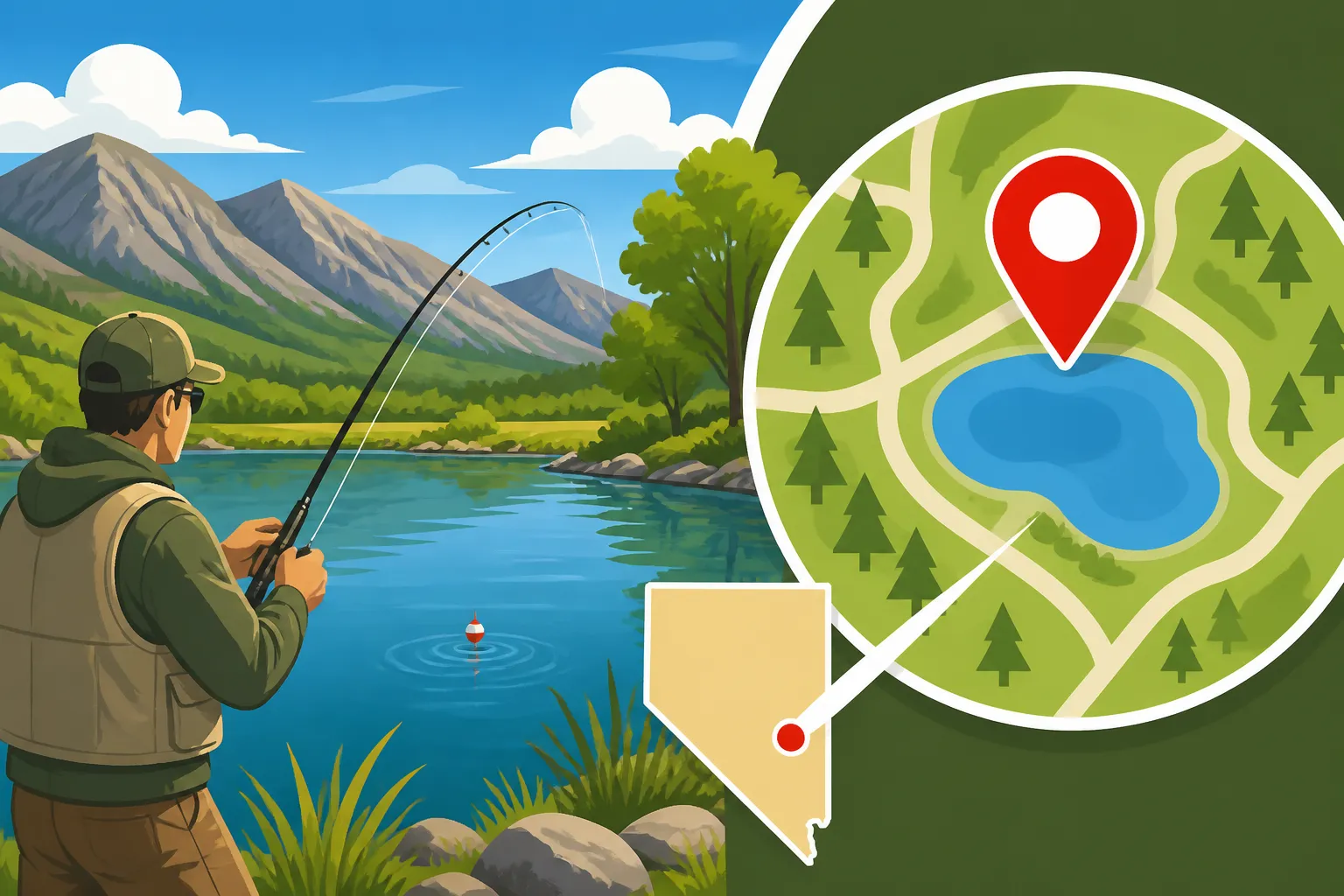
Spring Valley State Park fishing pond location
It can be incredibly frustrating to pack up the car, rally the family, and drive out to a promising fishing spot, only to find yourself wandering around, unsure where the best access points are or even where the fabled fishing pond actually is. Nevada offers some truly spectacular fishing, but sometimes pinpointing that perfect, tranquil spot can be a challenge. This guide is here to take the guesswork out of your next adventure, specifically focusing on the Spring Valley State Park fishing pond and everything you need to know to make your trip a success.
Spring Valley State Park: A High Desert Oasis for Anglers
Nestled in the remote eastern part of Nevada, Spring Valley State Park is truly a gem, offering a surprising contrast to the arid landscapes that define much of the state. Many anglers hear "Nevada" and immediately think of the vastness of Lake Mead or the unique challenge of Pyramid Lake. However, for those seeking a more serene, intimate fishing experience, especially one that's family-friendly and surrounded by stunning natural beauty, Spring Valley State Park stands out. It's not just a place to cast a line; it's an escape, a chance to reconnect with nature, and often, a place to create cherished memories with loved ones.
The park itself is characterized by its rolling hills, ancient basalt flows, and the stunning Eagle Valley Reservoir, which is the heart of its recreational offerings. The air is often crisp, the skies are usually clear, and the quiet can be profound, broken only by the chirping of birds or the gentle splash of a rising fish. It’s a wonderful place to unwind, whether you’re a seasoned angler or introducing a youngster to the joys of fishing for the very first time. For more information on great spots across the state, check out our guide on the Best Places to Fish in Nevada.
What Makes Spring Valley Unique
Unlike some of Nevada's larger, more bustling reservoirs, Spring Valley offers a sense of tranquility and a more manageable scale, which is especially appealing for those with younger children or anyone looking to avoid crowded boat ramps. The reservoir is not massive, making it easier to explore and understand the fish patterns. Plus, the surrounding geology tells a story millions of years old, adding an extra layer of wonder to your outing. The historical remnants, like the stone cabins and old ranch buildings, hint at a past where hardy pioneers eked out a living from this very land, giving you a sense of connection to Nevada's rich history as you cast your line.
Beyond the Fishing Pond: Park Amenities
Spring Valley State Park isn't just about the water. It boasts well-maintained campgrounds with facilities that make an overnight stay comfortable, even in this remote setting. There are restrooms, picnic areas, and hiking trails that wind through the dramatic landscapes, offering opportunities for birdwatching and photography. For those interested in extended stays, finding a good spot to pitch a tent or park an RV is usually straightforward, providing a full weekend or even longer to truly immerse yourself in the natural beauty and fishing opportunities. It's this blend of accessible fishing and comfortable amenities that truly sets Spring Valley apart.
Pinpointing the Spring Valley State Park Fishing Pond
Okay, let's get down to the brass tacks: finding the actual fishing pond at Spring Valley State Park. While the official name is Eagle Valley Reservoir, many locals and visitors affectionately refer to it as the "fishing pond" due to its intimate size compared to larger bodies of water. It's the central attraction for anglers within the park.
Getting There: Directions and Access
Spring Valley State Park is located about 18 miles east of the small town of Pioche in Lincoln County, Nevada. If you're coming from Las Vegas, it's roughly a 3-hour drive north on US-93. From Reno, it's a considerably longer haul, closer to a 6-hour drive, heading southeast.
Once you turn off US-93, you'll be on a paved road that leads directly into the park. The park entrance fee (or a valid Nevada State Parks pass) will be required. After entering the park, follow the signs that clearly lead to "Eagle Valley Reservoir." The reservoir is prominently situated and easily accessible by vehicle. There are several designated parking areas and access points around its perimeter, including near the campground and day-use picnic areas. Unlike some remote spots where you might need to hike miles, the main fishing areas around Eagle Valley Reservoir are very convenient.
A fantastic way to plan your travel and even find local guides in the area is through platforms like FishingBooker. They can help you visualize distances and even connect you with experts who know the exact coordinates of the best spots within the park.
Shoreline Access and Boat Launch Facilities
One of the great things about Eagle Valley Reservoir is the ample shoreline access. You don't necessarily need a boat to have a successful day of fishing here. There are numerous spots along the banks that are perfect for setting up a folding chair, casting out, and relaxing. Many of these areas are relatively flat and easy to navigate, making them ideal for families with young children or anglers with mobility considerations.
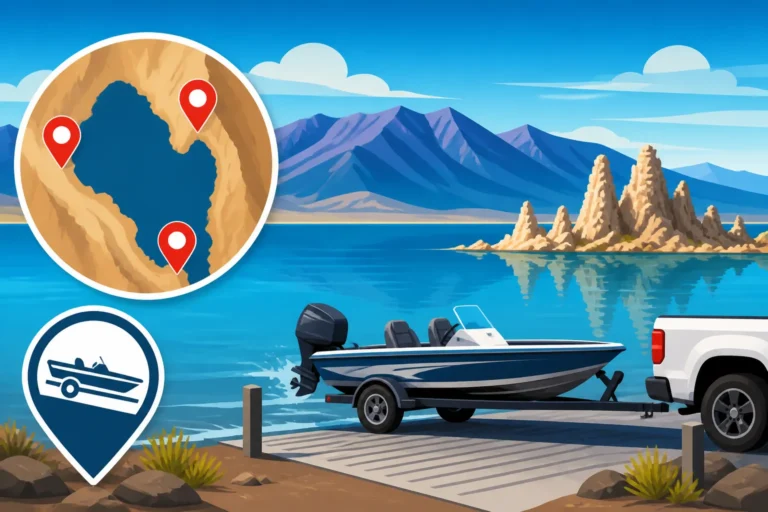
For those who prefer to fish from the water, there is a paved boat launch ramp available. This ramp is suitable for everything from small johnboats and kayaks to larger fishing boats, depending on the current water levels. While larger vessels are welcome, many anglers find that a kayak, canoe, or small aluminum boat is perfect for exploring the reservoir's nooks and crannies. Remember to always check local regulations regarding Nevada Boat Registration and Titling Guide before launching.
The size of the reservoir means you can quickly reach different areas, and even float tube fishing is popular here, allowing for quiet stealthy approaches to fishing spots. The ease of access, combined with the calm waters, makes it a welcoming environment for all types of fishing enthusiasts.
Fishing Opportunities and Species at Spring Valley
Now that you know where to go, let's talk about what you can expect to catch! Eagle Valley Reservoir is primarily known as a trout fishery, thanks to regular stocking efforts by the Nevada Department of Wildlife (NDOW). This commitment to stocking makes it a reliable spot for anglers, ensuring a good chance of success, which is especially motivating for beginners. If you're looking for specific stocking dates, make sure to check the Nevada Trout Stocking Schedule.
Primary Fish Species
The star of the show at Spring Valley is undoubtedly the Rainbow Trout. These feisty fish are stocked frequently and provide excellent sport for anglers using a variety of techniques. You'll find them ranging from pan-sized eaters to respectable fighters, making every hook-up exciting. They are often found cruising the shallower areas in cooler months and moving to deeper, cooler waters during the warmer parts of summer.
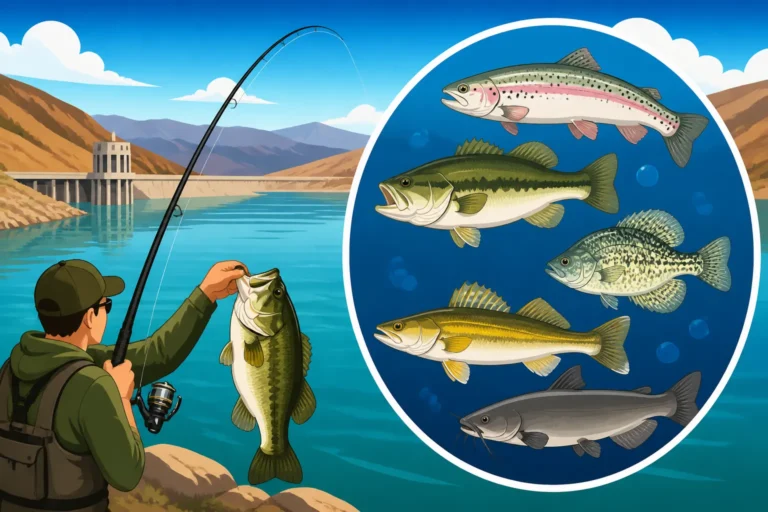
While Rainbow Trout dominate, you might also encounter other species. Brown Trout are occasionally present, though less common. These can grow to impressive sizes and are known for their cunning, offering a greater challenge. Occasionally, you might also hook into Smallmouth Bass, which thrive in the rocky structures and can be a lot of fun on light tackle. These provide a different kind of fight and a nice change of pace from trout fishing.
| Species | Common Size Range | Best Season | Preferred Bait/Lure | Notes |
|---|---|---|---|---|
| Rainbow Trout | 10-18 inches | All Year | PowerBait, Worms, Small Spinners, Flies | Regularly stocked, great for all skill levels. |
| Brown Trout | 12-24+ inches | Spring/Fall | Minnow imitations, Jerkbaits, Streamers | Less common, offers a greater challenge for experienced anglers. |
| Smallmouth Bass | 8-15 inches | Late Spring/Summer | Small Crankbaits, Soft Plastics, Jigs, Crawfish imitations | Target rocky areas and drop-offs. |
Recommended Techniques and Baits
For the most consistent success with rainbow trout, traditional baits like PowerBait (especially in bright colors like rainbow or chartreuse) and nightcrawlers fished off the bottom with a small weight and a floating marshmallow or PowerBait float are highly effective. A simple bobber and worm setup is also fantastic, particularly for kids, letting them watch the bobber dance and dip. When it comes to Best Bait for Nevada Trout, these are tried and true.
Lure anglers will do well with small spinners (like Mepps, Rooster Tail, or Panther Martin) in silver, gold, or brass finishes. Small spoons also work, especially when cast and retrieved at varying depths. Fly fishermen will find success with nymphs (like Prince Nymphs or Copper Johns) and small streamers during the cooler months, and even dry flies when hatches occur in the spring and early summer. If you're new to the area, considering a guided trip through a service like FishingBooker could give you a real edge, as local guides know exactly what's biting and how to fish it.
For smallmouth bass, target rocky points, submerged structures, and drop-offs. Small crankbaits, jigs tipped with soft plastics, and even a simple Carolina rig with a plastic crawfish imitation can entice bites. These bass are known for their strong fights, so be prepared for some exciting action!
Planning Your Visit to Spring Valley State Park
A successful fishing trip requires a bit of planning, and Spring Valley State Park is no exception. While it’s generally an accessible and friendly destination, being prepared ensures a smooth and enjoyable experience.
Nevada Fishing Licenses and Permits
Before you even think about casting a line, ensure you have a valid Nevada fishing license. This is a non-negotiable requirement for anyone aged 12 and older. You can easily purchase a license online through the Nevada Department of Wildlife (NDOW) website, or at many sporting goods stores across the state. For a comprehensive overview, check out our Nevada Fishing License Guide and our detailed breakdown of the Nevada Fishing License Cost Breakdown.
There are various license options available, from 1-day permits, perfect for a short trip, to annual licenses for residents and non-residents. Make sure to purchase the appropriate license for your duration of stay and residency status. Always keep your license with you while fishing; game wardens do patrol the area.
It's also crucial to familiarize yourself with the Nevada Fishing Regulations Explained for the Eastern Region (where Spring Valley is located). These regulations cover bag limits, size restrictions, and any specific rules for Eagle Valley Reservoir. Ignorance of the law is not an excuse, and violations can result in hefty fines. The daily bag limit for trout, for instance, is typically a concern for many anglers. Knowing the Nevada Statewide Bag Limits Explained will keep you compliant.
Best Times to Fish and Visit
Spring and Fall are arguably the absolute best times to visit Spring Valley State Park for fishing. During these seasons, the weather is mild, the fish are active, and the crowds are generally lighter. The water temperatures are ideal for trout, and they are often found in shallower waters, making them easier to target. Early morning and late afternoon are prime times for activity.
Summer can also be productive, especially if you get out early in the day before the sun gets too intense. As the day heats up, trout will often retreat to deeper, cooler waters, making them harder to reach from shore. However, evening fishing can sometimes pick up as temperatures drop. For specific insights into seasonal changes, refer to our guide on Nevada Fishing Seasons by Month.
Winter offers a unique opportunity for ice fishing, provided the ice is thick enough and safe. Always check with the park rangers or NDOW for current ice conditions before venturing out. Safety is paramount when ice fishing.
Essential Gear and What to Bring
Beyond your fishing license and gear, consider these essentials for your trip:
- Sun Protection: Nevada sunshine can be intense, even in cooler months. Bring sunscreen, a wide-brimmed hat, and polarized sunglasses to protect yourself.
- Water: Stay hydrated! Pack plenty of water, especially if you're planning a full day of fishing or hiking.
- Snacks/Food: There are no food services within the park, so pack all your meals and snacks. Picnic areas are available for day use.
- Layered Clothing: Temperatures can fluctuate dramatically from morning to afternoon, especially in the spring and fall. Dressing in layers is always a good idea.
- First-Aid Kit: A basic first-aid kit is always wise for any outdoor adventure.
- Camera: The scenery at Spring Valley is beautiful, so you'll want to capture those memories, whether of a trophy catch or a stunning sunset.
- Cooler with Ice: If you plan on keeping your catch, a good cooler with plenty of ice is essential to keep your fish fresh, especially in the warmer months.
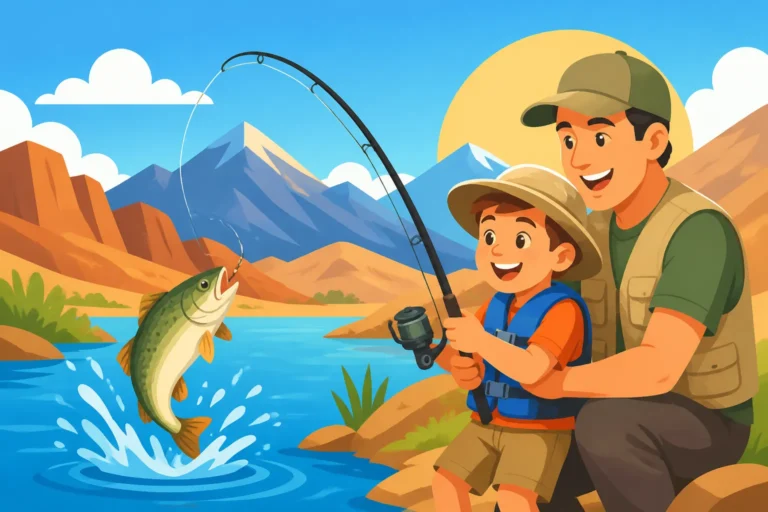
For those planning to make it a family outing, a trip to Spring Valley State Park provides an excellent opportunity to introduce children to fishing. The ease of access, the predictable fishing for stocked trout, and the beautiful, relatively safe environment make it an ideal classroom for young anglers. And if you're ever looking for a more personalized experience, don't hesitate to check out options with local guides on FishingBooker, who can tailor a trip specifically for your family's needs and skill levels.
Disclaimer
Please remember that fishing regulations, conditions, and park amenities can change. Always verify the most current information with the Nevada Department of Wildlife (NDOW) and Spring Valley State Park directly before planning your trip. Fish populations and success rates are subject to many factors, including weather, water levels, and angler pressure. Fish responsibly and practice Leave No Trace principles.