Is Baker Lake near Great Basin good for trout?
It's incredibly frustrating when you're planning a fishing trip, especially to a scenic spot like Great Basin National Park, and you can't get a clear answer on whether the fishing is actually worthwhile. You don't want to drive all that way, haul your gear up to a remote lake, only to find the fish aren't biting or the lake is barren. This guide is here to cut through the uncertainty and give you the real scoop on trout fishing at Baker Lake, helping you decide if it's the perfect destination for your next angling adventure.
Baker Lake's Trout Fishing Potential Near Great Basin National Park
When you're dreaming of escaping the Nevada heat and casting a line in a serene mountain setting, Baker Lake often pops up on the radar, especially if you're exploring the wonders of Great Basin National Park. But for many anglers, the question remains: is it truly a good trout fishing destination, or just another pretty face in the wilderness? Let's dive deep into what makes Baker Lake a unique spot and what you can genuinely expect when you visit.
Understanding Baker Lake's Unique Environment
Baker Lake isn't your average roadside pond. Tucked away at an elevation of roughly 10,500 feet, it's a true high-mountain gem. This elevation plays a massive role in everything from the water temperature to the fish species that thrive here. The lake is primarily fed by snowmelt and natural springs, ensuring a consistent supply of cold, crystal-clear water throughout the open season. This pristine environment is crucial for trout, as they need cold, oxygen-rich water to survive and flourish. Because it's a glacial cirque lake, the depths can vary significantly, offering diverse habitats from shallow rocky edges to deeper pockets where larger fish might lurk during warmer periods.
The clarity of the water at Baker Lake is often breathtaking, allowing you to sometimes spot fish cruising the shallows on a calm day. While beautiful, this also means the fish can be exceptionally spooky. Any sudden movements or bright colors on your part might send them darting for cover, making stealth a key component of successful fishing here. The surrounding landscape, dominated by towering peaks like Wheeler Peak and ancient bristlecone pines, adds to the sense of wilderness, but it also means the weather can change rapidly. Be prepared for anything from bright sunshine to sudden thunderstorms, even in the middle of summer. Understanding this delicate ecosystem is the first step to unlocking its fishing potential.
The Trout Species You'll Find at Baker Lake
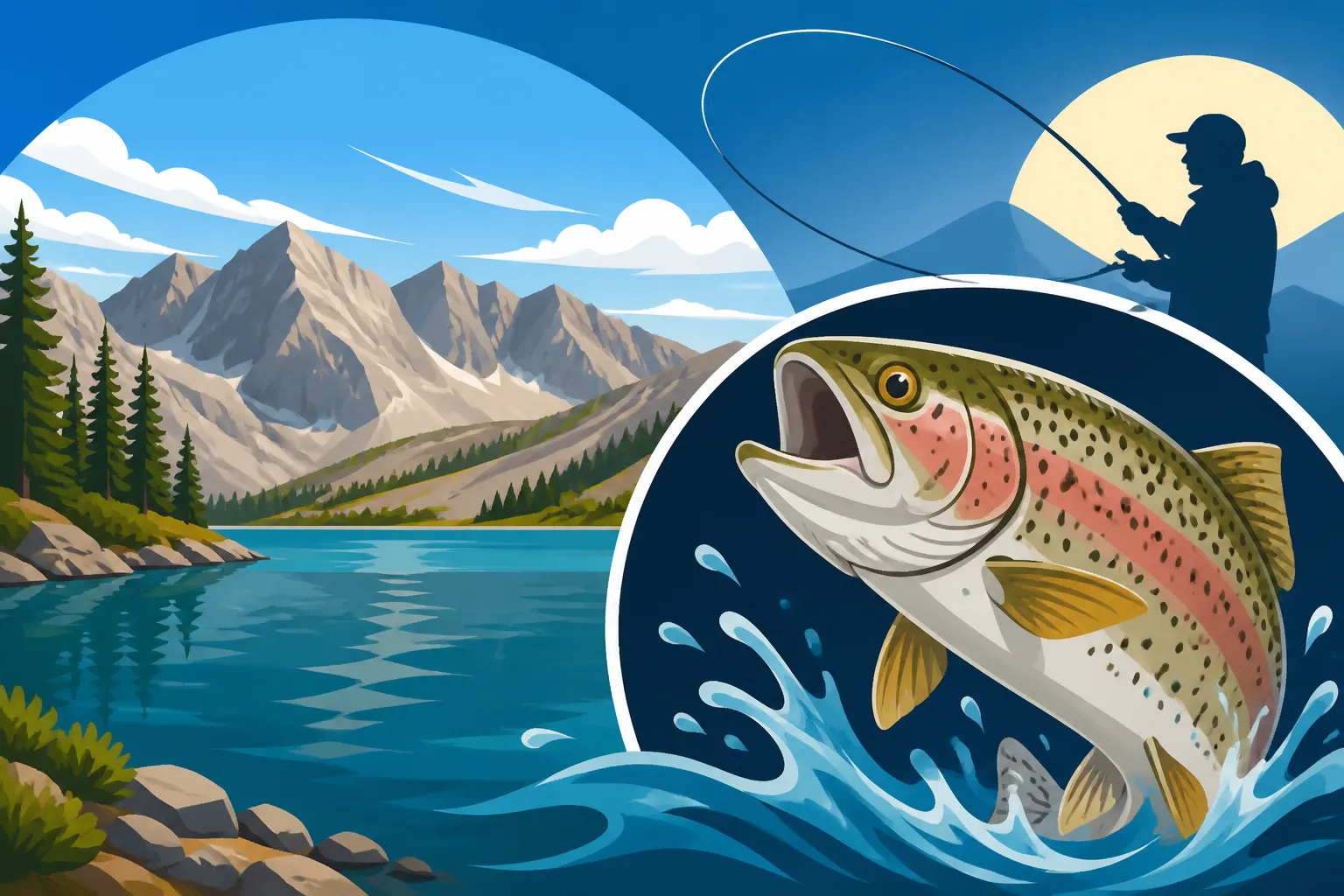
So, what finned residents call Baker Lake home? Historically, Baker Lake has been known for its healthy populations of Brook Trout and Rainbow Trout. The Nevada Department of Wildlife (NDOW) actively manages these high-elevation lakes, often stocking them to maintain robust fishing opportunities. Brook Trout, with their distinctive worm-like markings and vibrant colors, are often smaller but fiercely aggressive, making them a blast to catch on light tackle. Rainbow Trout, known for their silvery bodies and iridescent pink stripe, can grow larger and provide a spirited fight.
Sometimes, depending on stocking programs and natural migrations from interconnected waters (though less common in such isolated high-alpine lakes), you might also encounter Cutthroat Trout, which are native to many Western waters and prized for their unique markings and strong fighting abilities. These high-elevation trout are typically opportunistic feeders, preying on insects, small crustaceans, and even smaller baitfish if available. Their diet varies with the season, and understanding what they're likely to be eating will significantly influence your lure or fly selection. While not known for "trophy" sized fish in the sense of massive lake trout or bass, Baker Lake offers consistent action for respectable pan-sized to medium trout that are perfect for a fresh meal over a campfire.
Accessibility and Fishing Pressure
One of the defining characteristics of Baker Lake, and what contributes to its pristine nature, is its relative inaccessibility. You can't just drive up to it. The lake requires a moderate to strenuous hike to reach, typically via the Baker Lake Trail, which is around 5.6 miles roundtrip with an elevation gain of over 1,000 feet. This means that while it's certainly not an untouched wilderness where no one ever fishes, it doesn't experience the same heavy fishing pressure as more easily accessible lakes.
The effort required to reach Baker Lake acts as a natural filter, keeping the crowds down. You're more likely to encounter hikers and backpackers than a throng of anglers. This lower pressure means the fish can sometimes be less wary than those in heavily fished urban ponds or roadside lakes. However, the clear water still demands a subtle approach. For those willing to put in the legwork, the reward is often a peaceful fishing experience surrounded by unparalleled natural beauty, far from the hustle and bustle. If you're looking for a quieter, more reflective fishing trip where the journey is as much a part of the experience as the fishing itself, Baker Lake could be an excellent choice. Platforms like FishingBooker can help you find local guides if you prefer a supported trek into such remote spots.
Best Strategies for Catching Trout at Baker Lake
Fishing in a high-elevation lake like Baker Lake requires a slightly different approach than your typical lowland reservoir. The clear, cold water, combined with the unique feeding habits of mountain trout, means you'll need to be mindful of your gear, techniques, and the prevailing conditions.
Recommended Gear and Tackle for High Mountain Lakes
When packing for Baker Lake, think light and versatile. You'll be hiking, so every ounce counts.
- Rods and Reels: A light to ultralight spinning rod (5-6 feet) paired with a small spinning reel (500-1000 size) spooled with 4-6 lb monofilament or fluorocarbon line is ideal for casting smaller lures and feeling subtle bites. For fly anglers, a 3-5 weight fly rod is perfect for casting small dries, nymphs, and streamers. Remember, the fish here aren't usually giants, so lighter tackle makes the fight much more enjoyable.
- Lures: Small inline spinners are incredibly effective for Brook and Rainbow Trout. Think Panther Martins, Mepps Aglias, or Rooster Tails in sizes 0-2. Colors like gold, silver, black, or even rainbow trout patterns tend to work well in clear water. Small spoons, like Kastmasters or Daredevils, can also be productive, especially if you need to cast a bit further or fish deeper.
- Bait: If bait fishing is allowed (always check the specific regulations for Great Basin National Park waters), PowerBait, small worms, or salmon eggs can be very successful, particularly for recently stocked trout. Use a small hook (size 10-14) and a light leader to keep your presentation natural.
- Flies: For fly fishing, a diverse selection is key. When insects are hatching, small dry flies like Adams, Parachute Adams, or Caddis patterns (size 14-18) can be deadly. If fish are feeding subsurface, nymphs like Hare's Ears, Prince Nymphs, or Pheasant Tails (size 12-16) are excellent choices. Small streamers like Woolly Buggers (black, olive, or brown) can also entice aggressive strikes. You might want to check our guide on how to Fly Fishing in Nevada for more detailed fly patterns.
- Terminal Tackle: Always carry a variety of small split shot, swivels, and extra leaders (2-4 lb test for spinning, 4x-6x for fly fishing) to adjust to conditions. A small pair of pliers or forceps for hook removal and a measuring tape are also handy.
Effective Techniques for Baker Lake's Waters
The clear, still waters of Baker Lake demand a refined approach.
- Stealth and Presentation: Approach the shoreline quietly. Long casts are often better to avoid spooking fish. For spinning gear, a slow, steady retrieve with a spinner or spoon is often all it takes. Experiment with retrieve speeds and occasional pauses. When using bait, a slip-sinker rig that allows the fish to take the bait without feeling resistance can be very effective.
- Targeting Structure: Look for features that attract fish. Inlets and outlets are often hotspots, as they provide current and bring in food. Rocky points, submerged logs (if present), or areas with deeper drop-offs near the shore can also hold fish. During bright midday hours, trout often retreat to deeper, cooler water or seek shade under overhanging vegetation.
- Float Tubing or Wading: While bank fishing is entirely possible, a float tube can give you access to more of the lake and allow for quieter approaches to prime areas. If wading, proceed slowly and carefully, as the bottom can be rocky and uneven. You might also find some excellent Nevada Fishing Spots by Region if you're looking for other locations that allow float tubing.
- Reading the Water: Pay attention to what the fish are doing. Are there signs of surface activity (rising fish)? If so, try a dry fly or a small bubble-and-fly rig. If there's no surface activity, fish deeper with nymphs, streamers, or spinners. Observing insect hatches is crucial for fly anglers.
Seasonal Considerations for Optimal Fishing
Like all high-mountain lakes, Baker Lake's fishing season is highly dependent on weather and snowpack.
- Late Spring/Early Summer (June-July): This is often when the lake "ices out" and becomes accessible. The period right after ice-out can be fantastic, as hungry trout are actively feeding after a long winter. Check the Nevada mountain lake ice-out timing for the most up-to-date information. The weather can be unpredictable, so be prepared for cold temperatures and potential snow. As summer progresses, hatches become more prevalent, offering excellent dry fly opportunities.
- Mid to Late Summer (August-September): This is typically the most reliable time for pleasant weather and good fishing. Fish will be well-distributed throughout the lake. Early mornings and late evenings are often the most productive, as trout will be more active in cooler water. Midday might require fishing deeper. This is often considered the Best high-elevation lake for summer trout fishing in Nevada due to its consistent conditions.
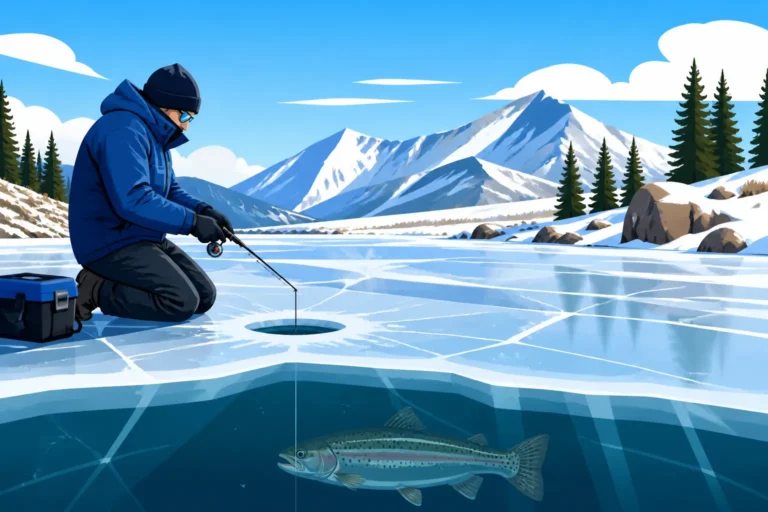
- Fall (Late September-October): The foliage around the lake can be stunning, and the fishing can be superb as trout aggressively feed before winter. However, access can become challenging as temperatures drop and early snowfalls are possible. The lake will eventually freeze over, becoming inaccessible for open-water fishing.
Always consult the Great Basin National Park and NDOW websites for current conditions and regulations before you go, especially regarding trail accessibility and ice-out reports.
Navigating Regulations and Enhancing Your Trip to Baker Lake
A successful fishing trip isn't just about catching fish; it's also about respecting the environment, adhering to regulations, and ensuring a safe and enjoyable experience. Baker Lake, being within a National Park, has specific rules to follow.
Essential Nevada Fishing Regulations Specific to High Mountain Lakes
Before you even tie your first knot, make sure you're legally prepared. Everyone aged 12 and older needs a valid Nevada fishing license. You can purchase these online through the NDOW website or at various licensed vendors throughout the state. Keep in mind that a standard Nevada fishing license covers Baker Lake; you don't need a special Pyramid Lake Permit here, nor do you need a separate Nevada Trout Stamp unless you are fishing specific waters where it's explicitly required (which is usually for specific premium trout waters, not typically general high-mountain lakes like Baker). If you're unsure about specific requirements, our Nevada Fishing License Guide is a great resource.
It's absolutely crucial to check the current Nevada Fishing Regulations Explained booklet, especially for the specific region (Eastern Nevada) and any localized rules for Great Basin National Park. While general statewide limits apply, high-elevation lakes can sometimes have special restrictions on daily limits, size limits, or bait usage to protect fragile trout populations. For instance, the Nevada Trout Daily Limit Rules are typically 3-5 trout per day, but always double-check. Often, single-barbless hooks are encouraged or even required in sensitive areas to promote catch and release and minimize harm to the fish. Adhering to these regulations helps preserve the incredible fishing opportunities at Baker Lake for future generations.
Beyond Fishing: Making the Most of Your Great Basin Visit
Your trip to Baker Lake isn't just about the fishing – it's an opportunity to immerse yourself in one of Nevada's most spectacular natural areas. Great Basin National Park offers an abundance of activities that can complement your angling adventure.
- Hiking: The trail to Baker Lake itself is a fantastic hike, but there are numerous other trails in the park, ranging from easy strolls to challenging climbs up Wheeler Peak. Consider exploring the ancient Bristlecone Pine groves, which are truly awe-inspiring.
- Camping: Backcountry camping is an option near Baker Lake with a permit from the National Park Service, offering an unparalleled wilderness experience. Alternatively, there are developed campgrounds closer to the park entrance, like Baker Creek Campground or Lower Lehman Creek Campground, which provide amenities if you prefer not to rough it entirely. Waking up to the crisp mountain air and the sounds of nature is an incredible way to start your fishing day.
- Stargazing: Great Basin National Park is an International Dark Sky Park, boasting some of the darkest skies in the lower 48 states. On a clear night, the Milky Way is a breathtaking spectacle, and it's a perfect way to unwind after a day of casting.
- Lehman Caves: Don't miss the chance to explore the incredible formations within Lehman Caves. Ranger-led tours offer a fascinating look at this underground wonder.
- Preparation is Key: Given the remote nature of Baker Lake and its high elevation, preparation is paramount. Pack plenty of water, high-energy snacks, layers of clothing for fluctuating temperatures, rain gear, and a first-aid kit. Inform someone of your hiking and fishing plans, especially if you plan to venture off main trails. Sun protection is critical at high altitudes, so bring a wide-brimmed hat, sunglasses, and high-SPF sunscreen. Even a short trip can become uncomfortable quickly if you're not prepared for sudden weather shifts. Services are limited within the park, so bring everything you need. If you're unfamiliar with the area, consider booking a trip through a service like FishingBooker, which often connects you with knowledgeable local guides who can enhance your safety and success.
Ultimately, Baker Lake offers a truly rewarding experience for the prepared angler seeking solitude and the beauty of high-mountain trout fishing. It's not just about the catch; it's about the entire journey and the unforgettable natural setting.
Trout Species and Bait/Lure Recommendations for Baker Lake
| Trout Species | Common Size Range (inches) | Best Bait Options (if allowed) | Effective Lures | Preferred Fly Patterns | Notes |
|---|---|---|---|---|---|
| Brook Trout | 6-12 | Small worms, salmon eggs | Small inline spinners (0-1), tiny spoons | Woolly Buggers, Hare's Ears, Caddis | Aggressive, often found in shallower areas. |
| Rainbow Trout | 8-16 | PowerBait, worms, salmon eggs | Inline spinners (1-2), small spoons, small jigs | Prince Nymph, Pheasant Tail, Adams | Strong fighters, can be found throughout the lake. |
Disclaimer
The information provided in this guide is for general informational purposes only. Fishing conditions, regulations, and access can change rapidly. Always consult the official Nevada Department of Wildlife (NDOW) regulations and Great Basin National Park advisories before planning your trip. Practice Leave No Trace principles and prioritize safety in the wilderness.