Nevada Fishing Spots by Region
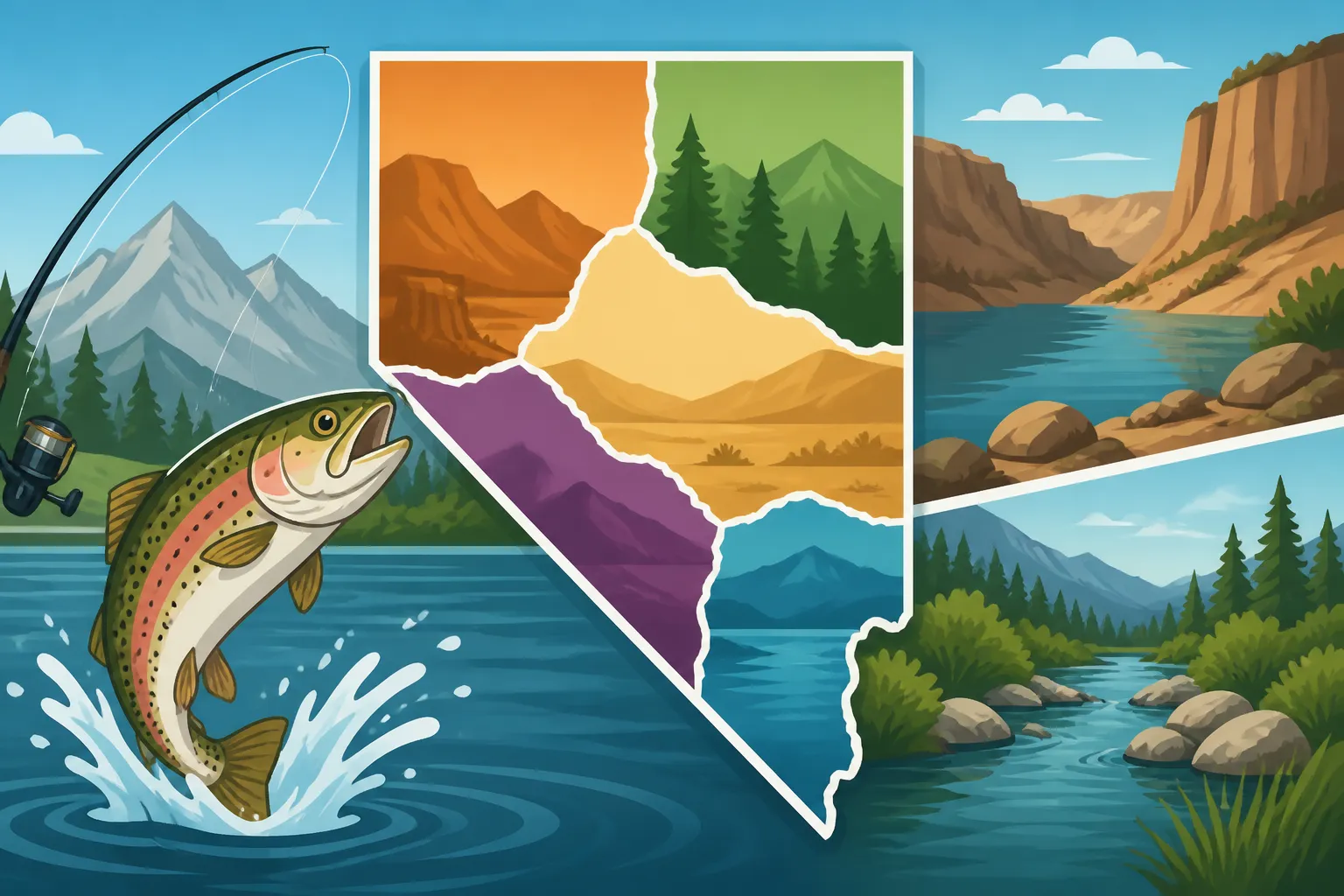
Navigating the vast and varied landscapes of Nevada to find the perfect fishing spot can be a real head-scratcher, whether you're a seasoned angler or just starting out. With everything from high alpine lakes to desert reservoirs and meandering rivers, figuring out where to cast your line for the best chance at a great catch can feel overwhelming. This guide is here to untangle that complexity, breaking down Nevada's diverse fishing spots by region, giving you the insider scoop on what to expect, and helping you plan your next unforgettable angling adventure.
Southern Nevada Fishing: The Desert Oasis Region
When most people think of Southern Nevada, images of glitzy casinos and endless desert usually come to mind. But what many don't realize is that this region is home to some truly incredible fishing opportunities, offering a stark and beautiful contrast to the typical desert landscape. We're talking about massive reservoirs carved by the Colorado River and surprising urban oases teeming with fish.
Lake Mead's Immense Waters
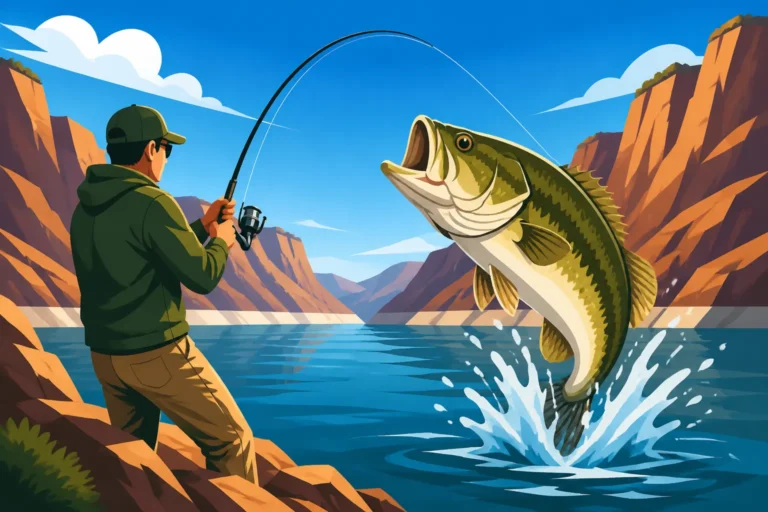
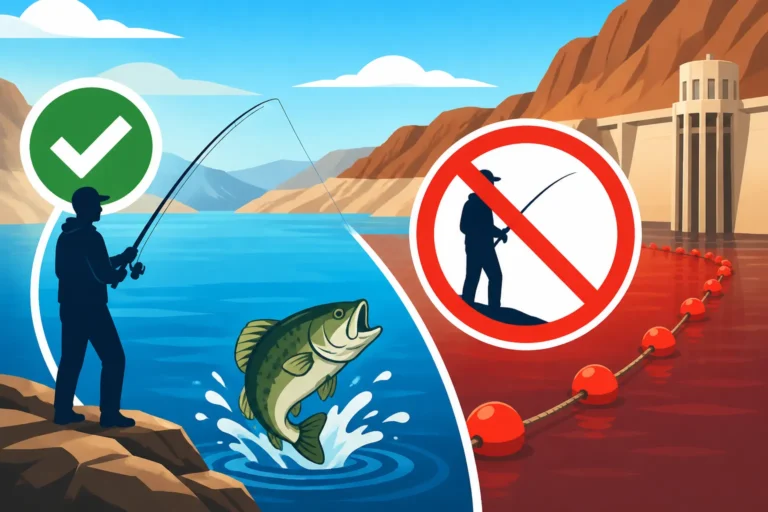
Lake Mead, a colossal reservoir formed by the Hoover Dam, is undoubtedly the jewel of Southern Nevada fishing. It's a place that can feel intimidating simply due to its sheer size, stretching across vast distances with countless coves, points, and deep channels. For years, anglers have flocked here for the chance to battle powerful striped bass, and though the fishery has faced its challenges, it remains a bucket-list destination. These "stripers" often school up and create impressive boils on the surface, especially during the warmer months, making for an electrifying experience when you hit them just right.
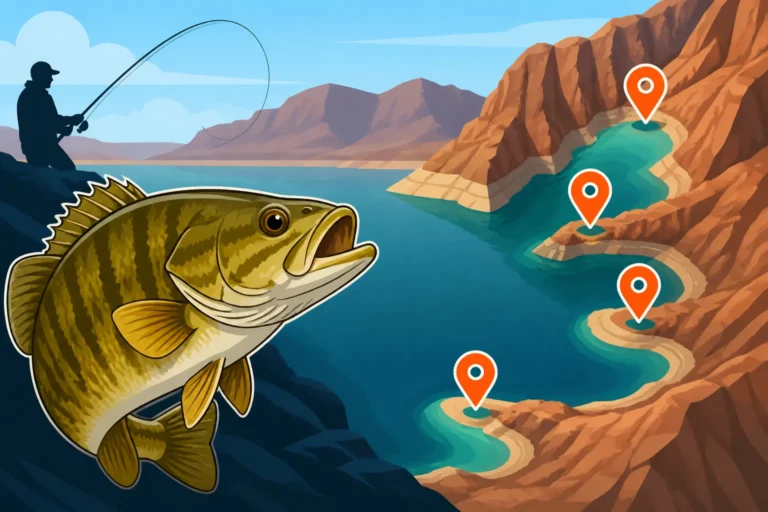
Beyond the iconic stripers, Lake Mead also boasts healthy populations of largemouth and smallmouth bass, which thrive among the submerged structure and rocky shorelines. The key to finding them is often to understand the lake's constantly fluctuating water levels and how fish adapt to new cover or deeper haunts. Anglers often have success targeting bass in coves and around prominent points, using everything from crankbaits to soft plastics. Additionally, channel catfish can be found in abundance, particularly in the shallower, warmer coves, offering a different kind of fight and a tasty dinner. Understanding the nuances of fishing on such a grand scale is crucial, and it's why many first-timers often consider booking a guided trip through platforms like FishingBooker to shorten the learning curve and get straight to the action on this immense body of water.
Lake Mohave's Clear Depths
Just downstream from Lake Mead, nestled between the Black Mountains and the Newberry Mountains, lies Lake Mohave, another impressive reservoir along the Colorado River. While often overshadowed by its larger neighbor, Lake Mohave offers a distinct and often fantastic fishing experience, particularly known for its exceptionally clear, deep waters and excellent trout fishing in certain sections. The water clarity here is remarkable, sometimes reaching depths of 30 feet, which requires a different approach from the often-turbid waters of other reservoirs.
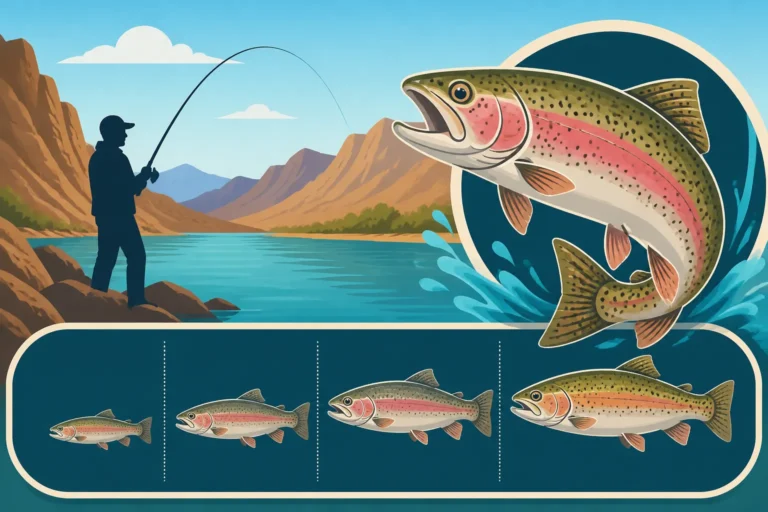
The stretch of water near Willow Beach is particularly famous for its rainbow trout, which are regularly stocked by the Nevada Department of Wildlife (NDOW) and can grow to impressive sizes in the cold, clear water fed directly from the bottom of Hoover Dam. Anglers often fish for them from shore or small boats, using power bait, worms, or small spoons. Further down the lake, the warmer, shallower sections hold excellent populations of striped bass, largemouth bass, and smallmouth bass, much like Lake Mead, but often with less pressure. The rocky coves and steep drop-offs provide ideal habitat for bass, and the clear water means stealth and long casts are often rewarded. Lake Mohave's serene beauty and less crowded conditions can make for a truly peaceful and productive fishing day, a welcome escape from the hustle and bustle. For more specific guidance on navigating permits and regulations, be sure to check out our detailed guide on Nevada Fishing Regulations Explained.
Las Vegas Urban Pond Gems
For those living in or visiting the Las Vegas area and craving a quick fishing fix without a long drive, the urban pond program is an absolute lifesaver. These easily accessible ponds offer a fantastic opportunity for families and beginners, and they're regularly stocked with a variety of fish, ensuring consistent action. These aren't wild, remote waters; they're designed for convenience and a high chance of success, which is incredibly validating for anyone who's ever spent hours on a lake with no bites.
Popular spots like Floyd Lamb Park, Sunset Park, Lorenzi Park, and Boulder City Pond are managed specifically for recreational angling. During the cooler months, these ponds are frequently stocked with rainbow trout, providing excellent opportunities for light tackle fishing. As temperatures rise in the spring and summer, channel catfish often take center stage, offering a fun fight and delicious table fare. These ponds also typically hold populations of sunfish and sometimes even largemouth bass. The beauty of these urban ponds is their accessibility – you can often fish from paved pathways or grassy banks, making them perfect for kids or anglers with limited mobility. Just remember that specific rules, like bait restrictions or daily limits, might apply to individual ponds, so always check the local signage or the latest NDOW regulations. If you're wondering, "Do kids need a fishing license in Nevada?", our article on Nevada Fishing License Age Requirements has all the details.
Western Nevada Fishing: High Sierra and Historic Waters
Venturing into Western Nevada brings a dramatic shift in scenery and fishing opportunities. Here, the landscape transitions from high desert scrub to the towering peaks of the Sierra Nevada, offering pristine alpine lakes, ancient sagelands, and legendary rivers. This region truly showcases Nevada's incredible diversity, challenging anglers with varying conditions and rewarding them with unique catches.
Lake Tahoe's Alpine Majesty
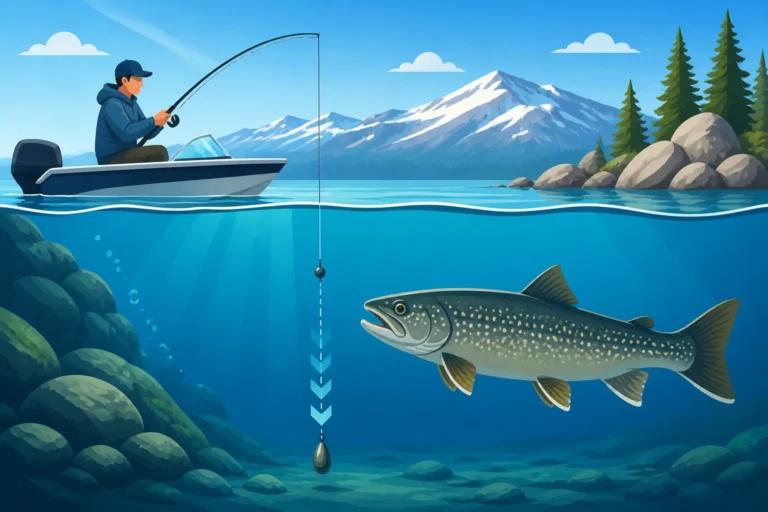
Straddling the border between Nevada and California, Lake Tahoe is an undisputed gem, renowned worldwide for its breathtaking beauty and incredible clarity. But beneath its sapphire surface lies a deep, cold-water fishery that holds some of Nevada's most prized game fish, primarily Mackinaw trout (also known as lake trout). Fishing Tahoe is an experience unto itself, with the surrounding Sierra Nevada peaks providing a stunning backdrop to every cast. These deep-water predators require specialized techniques, often involving trolling at significant depths, sometimes hundreds of feet down, to reach them.
While Mackinaw are the main draw, Lake Tahoe also harbors rainbow trout and brown trout, particularly in the shallower coves and near creek inlets during certain times of the year. For those who prefer shore fishing, the Nevada side offers various access points, though success can be more challenging without a boat. When planning a trip here, it's crucial to understand the dual-state regulations. While a Nevada fishing license covers the Nevada side, a California license is needed for their side, and reciprocal agreements exist for some areas. Make sure to consult our Lake Tahoe Nevada Fishing License Rules guide to understand where your license is valid. Lake Tahoe is not just about catching fish; it's about immersing yourself in one of nature's most spectacular settings, and even a slow day of fishing here is a day well spent.
Pyramid Lake's Ancient Treasures
A truly unique and world-renowned fishery, Pyramid Lake is an ancient remnant of Lake Lahontan, located entirely within the Pyramid Lake Paiute Reservation northeast of Reno. This intensely blue, saline lake is the only place on Earth where the Lahontan cutthroat trout (LCT) grows to truly massive, trophy sizes, often exceeding 15 pounds and sometimes topping 20. The history and culture surrounding Pyramid Lake are as rich as its fishery, making it a must-visit for any serious angler. This isn't just a lake; it's a sacred place with specific rules and a very distinct ecosystem that demands respect and a specialized approach.
Fishing Pyramid Lake is often done from shore, utilizing specialized "ladders" or standing platforms to cast out into the deeper water. Fly fishing with stripping streamers and indicator nymphing are popular techniques, as is spin fishing with spoons, jigs, and swimbaits. The LCT are incredible fighters, known for their powerful runs and aerial acrobatics. Beyond the LCT, the lake is also home to the ancient and endangered cui-ui sucker, a fish protected by tribal regulations, and Sacramento perch, a unique native species. Remember, a state fishing license is NOT valid here; you must purchase a separate tribal permit, which can be easily obtained online or at local tackle shops on the reservation. You can find comprehensive details on obtaining your necessary permits in our Pyramid Lake Fishing Permit Guide. This lake is a testament to conservation efforts and offers a chance at a truly once-in-a-lifetime catch.
Truckee River's Flowing Riches
Flowing from Lake Tahoe eastward, the Truckee River carves its way through the Sierra Nevada foothills and past Reno, offering a prime cold-water fishery. This river is a fly angler's paradise, but also provides excellent opportunities for spin fishermen targeting trout. The Truckee is primarily known for its wild populations of brown trout and rainbow trout, which thrive in its cold, oxygenated waters. The river's character changes significantly along its course, from fast-flowing, rocky sections upstream to slower, meandering stretches as it passes through urban areas.
Finding success on the Truckee often involves "reading the water" – identifying seams, riffles, pools, and undercut banks where trout lie in wait for insects or baitfish. Popular access points can be found near the town of Verdi, through Reno, and further east. The river is heavily regulated, with many sections designated for catch-and-release only, often with barbless hook requirements, reflecting its status as a premier wild trout fishery. Anglers often use nymphing techniques, dry flies during hatches, or small spinners and spoons. The beauty of river fishing is the constant change and the challenge of adapting to the current, making each catch feel hard-earned and incredibly rewarding. If you're keen on landing one of these beauties, our article on How to Fish for Trout in Nevada offers some excellent tips.
Topaz Lake's High Desert Appeal
Situated on the Nevada-California border south of Carson City, Topaz Lake is a picturesque high-desert reservoir popular for both fishing and recreational boating. Known for its clear waters and surrounding mountain views, it's a favorite among local anglers, especially during its peak seasons. The lake is primarily managed as a put-and-take trout fishery, receiving regular stockings of rainbow trout from both Nevada and California agencies.
Beyond the stocked rainbows, Topaz Lake also holds good populations of brown trout, especially larger, more elusive specimens that feed on smaller baitfish. Smallmouth bass have also established themselves in the rocky areas, offering a different challenge. Anglers typically fish from shore, docks, or boats, using a variety of methods. Trolling with lures like Rapalas or Kastmasters is effective for trout, as is still fishing with power bait, worms, or salmon eggs. For bass, plastics and crankbaits worked near rocky structures can be very productive. Topaz Lake truly shines in the spring and fall when temperatures are mild and the fish are most active, providing a beautiful setting for a relaxed day of fishing that still offers plenty of action. Many visitors opt for boat rentals to explore its vastness, and services found on sites like FishingBooker can connect you with local guides who know the lake's hot spots.
Northeastern Nevada Fishing: Wild West Trout Country
Northeastern Nevada, often referred to as "Elko Country," offers a rugged, vast, and often uncrowded fishing experience. This region is a true gem for those seeking solitude and excellent cold-water fishing, primarily focused on various species of trout in reservoirs and high mountain lakes. The landscapes here are dramatic, characterized by expansive sagebrush flats giving way to towering mountain ranges like the Ruby Mountains, creating a unique backdrop for your angling pursuits.
Wildhorse Reservoir's Northern Charm
Wildhorse Reservoir, located northeast of Elko, is arguably the crown jewel of Northeastern Nevada fishing. This large, high-desert reservoir is a true multi-species fishery, offering excellent opportunities for rainbow trout, brown trout, and especially yellow perch, which are not common in many other Nevada waters. The reservoir is formed by the Owyhee River and sits at a relatively high elevation, which means it experiences distinct seasons, including a popular ice fishing period in winter.
Anglers flock to Wildhorse for its reputation for producing large rainbow and brown trout, often caught trolling spoons or lures, or still fishing with bait from boats or the ample shoreline. The yellow perch population is incredibly prolific, providing fast action and delicious table fare, particularly through the ice in winter. These perch are often targeted with small jigs tipped with bait. The reservoir also holds a unique hybrid known as the tiger trout, a sterile cross between a brown trout and brook trout, known for its aggressive nature and beautiful markings. Fishing Wildhorse Reservoir requires adaptability to changing conditions and fish movements, but the rewards can be substantial, with many anglers reporting trophy-sized catches across multiple species. It’s also a fantastic place for family camping and fishing trips, offering both convenience and wild beauty. For detailed information about specific fish species, our Nevada Fish Species Guide is an invaluable resource.
Ruby Lake's Hidden Sanctuary
Tucked away in the scenic Ruby Valley, Ruby Lake National Wildlife Refuge offers a truly unique and serene fishing experience. This expansive wetland area, fed by natural springs, is a haven for migratory birds and various wildlife, but it also boasts a surprisingly robust warm-water fishery, a pleasant change from the ubiquitous trout. The refuge is known for its dense aquatic vegetation and network of channels, providing ideal habitat for its resident fish.
The primary target species at Ruby Lake are largemouth bass, which grow to impressive sizes in the nutrient-rich waters, and various panfish, including bluegill and crappie. Fishing here often involves navigating through lily pads and weed beds, making weedless lures and topwater presentations particularly effective for bass. For panfish, simple bobber-and-bait rigs or small jigs can provide continuous action, making it a fantastic spot for kids or those looking for a relaxing day. Due to its status as a wildlife refuge, specific regulations and access rules apply, so it's always wise to check with the refuge office or the latest NDOW guidelines before you go. The quiet, natural setting of Ruby Lake is a refreshing departure from more heavily trafficked waters, offering a chance to connect with nature while enjoying some excellent fishing.
Eastern Nevada's State Park Reservoirs
Eastern Nevada is dotted with several smaller, yet incredibly productive, state park reservoirs that are often overlooked by anglers focusing on larger, more famous waters. These hidden gems, including South Fork State Recreation Area, Cave Lake State Park, Comins Lake, and Eagle Valley Reservoir, provide excellent trout fishing in picturesque settings, often with convenient amenities like campgrounds and boat launches. They're typically stocked regularly by the NDOW, ensuring consistent fishing opportunities, which is a blessing for those who've experienced frustrating days on unstocked waters.
- South Fork State Recreation Area: Located south of Elko, South Fork Reservoir is a popular spot for rainbow trout and brown trout, with some bass and wiper (a hybrid striped bass) also present. It's a great all-around fishery, suitable for trolling, bank fishing, and even ice fishing in winter.
- Cave Lake State Park: Near Ely, Cave Lake is a beautiful high-elevation lake known for its rainbow trout and even some tiger trout. Its scenic beauty, combined with consistent stocking, makes it a family favorite. Both shore fishing and small boat fishing are popular here.
- Comins Lake: Also close to Ely, Comins Lake is a smaller reservoir that offers solid trout fishing, especially in the spring and fall. It's easily accessible and often less crowded than some other spots, providing a peaceful experience.
- Eagle Valley Reservoir: Situated near Pioche, Eagle Valley is another excellent trout fishery within a state park. It’s stocked regularly with rainbows and can offer great action, especially for those using power bait or worms from the bank.
These state park reservoirs are fantastic for a quick trip or a weekend getaway, offering a more intimate fishing experience than the massive lakes. They truly embody the spirit of the Wild West with their rugged, natural surroundings, and they are excellent places to bring the family to introduce them to the joys of fishing. For specific stocking schedules that can greatly increase your chances of success, check out the Nevada Trout Stocking Schedule on the NDOW website.
Central Nevada Fishing: Remote and Rugged Waters
Central Nevada is a vast expanse of open country, where long drives and remote landscapes are the norm. Fishing in this region often means getting off the beaten path and experiencing Nevada's raw, untamed beauty. While fewer major fishing destinations exist compared to other regions, those that do are unique and offer a distinct angling adventure, appealing to those who crave solitude and a sense of discovery.
Rye Patch Reservoir's Expansive Waters
Located on the Humboldt River, east of Lovelock, Rye Patch Reservoir is one of Central Nevada's most significant fisheries. This large reservoir is known for its diverse fish populations and can offer excellent action, particularly for warm-water species. While it might not have the dramatic mountain backdrops of Lake Tahoe or the trophy reputation of Pyramid Lake, it consistently produces good fishing for a variety of species.
Rye Patch is a prime destination for wipers (hybrid striped bass), which are known for their aggressive strikes and powerful fights. These hard-fighting fish are often targeted by trolling, casting large crankbaits, or jigging. The reservoir also supports healthy populations of channel catfish, especially in the warmer, shallower coves, providing great opportunities for bait fishing. Walleye, a highly prized game fish for their delicious table fare, are also present, though they can be more challenging to target successfully. Additionally, largemouth and smallmouth bass, as well as crappie and white bass, contribute to the reservoir's diverse fishery. Its wide-open spaces mean you can often find uncrowded areas to fish, even on busy weekends. Rye Patch provides a classic desert reservoir fishing experience, requiring anglers to adapt to its unique conditions and uncover its hidden hotspots.
Walker Lake's Unique History
Walker Lake, a natural terminal lake located south of Fallon, holds a bittersweet place in Nevada's fishing history. Historically, it was a thriving home to a distinct population of Lahontan cutthroat trout, providing an incredible fishery for decades. However, due to significant water diversions from its primary inflow, the Walker River, the lake's water level has drastically receded over the years, leading to increased salinity and a severe decline in its fish populations.
While the lake's glory days as a trophy LCT fishery are largely in the past, ongoing efforts by various agencies aim to restore the Walker River flow and improve the lake's ecological health. As of recent times, fishing opportunities have become extremely limited due to the harsh conditions. It serves as a stark reminder of the delicate balance of desert ecosystems and the impact of human activity. While it's no longer a primary fishing destination, its story is an important one for anyone interested in Nevada's natural history and the future of its fisheries. Visiting Walker Lake today is more about appreciating its unique geological features and understanding the conservation challenges facing Nevada's precious water resources.
Understanding Nevada's Diverse Fishing Environments
Nevada's fishing landscape is a testament to its unique geography, spanning vastly different climates and topographies. From the snow-capped Sierra Nevada to the scorching desert basins, each region presents its own set of environmental characteristics that profoundly influence the type of fish you'll find and the techniques you'll need to employ. Understanding these variations is key to becoming a successful and adaptable angler in the Silver State.
From Alpine to Arid: Ecosystem Variations
The extreme diversity of Nevada's ecosystems directly dictates its fishing opportunities. In the western reaches, the alpine environment of the Sierra Nevada, exemplified by Lake Tahoe, means deep, cold, oxygen-rich waters. These conditions are ideal for cold-water species like Mackinaw trout, which thrive in the depths, and wild brown and rainbow trout in the clear, fast-flowing rivers like the Truckee. The challenges here include dealing with rapid weather changes, significant depths, and the need for specialized gear to target fish in these pristine, often very clear waters. The short summers and long winters mean a distinct seasonal fishing calendar.
Moving eastward into the high desert environments, such as Pyramid Lake or Wildhorse Reservoir, the conditions change dramatically. While still often cold-water fisheries, these lakes exist in more arid, exposed landscapes. Water levels can fluctuate more dramatically, and alkalinity can be a factor, particularly in Pyramid Lake. These waters support robust populations of Lahontan cutthroat trout, various stocked trout species, and hearty warm-water fish. Anglers must contend with intense sun, sometimes strong winds, and the need to adapt to fish movements influenced by temperature and forage availability in a more open environment.
Finally, the low desert and urban environments of Southern Nevada, including Lake Mead, Lake Mohave, and the Las Vegas urban ponds, present another set of unique challenges and opportunities. Here, water temperatures can soar in summer, pushing fish deeper or making early morning and late evening fishing essential. These waters are perfect for warm-water species like striped bass, largemouth bass, and catfish. The sheer scale of these reservoirs, coupled with fluctuating water levels, means understanding fish migrations and habitat changes is crucial. The urban ponds, while small, offer consistent, accessible fishing due to frequent stocking, catering to a different kind of angling experience entirely. Each of these environmental shifts requires a mental shift in your angling approach, from your choice of bait and lures to your presentation and even the time of day you choose to fish. For a deeper dive into seasonal fishing trends across the state, consider reading our Best Time of Year to Fish in Nevada article.
Stocking Programs and Wild Populations
Nevada's fisheries are a fascinating blend of self-sustaining wild populations and meticulously managed stocking programs. Understanding this distinction is vital for setting expectations and choosing your fishing destinations. The Nevada Department of Wildlife (NDOW) plays a crucial role in maintaining and enhancing fishing opportunities across the state, ensuring that anglers have consistent chances at a catch.
Wild Populations: Certain waters, particularly high-elevation streams and rivers like parts of the Truckee River, support healthy, reproducing populations of native and naturalized fish. The Lahontan cutthroat trout in Pyramid Lake, for instance, represents a remarkable conservation success story for a native species. These wild fisheries often have stricter regulations, such as catch-and-release only or barbless hook requirements, aimed at protecting and preserving the genetic integrity and health of these populations. Catching a wild trout is often considered a higher achievement by many experienced anglers due to the fish's natural resilience and wariness.
Stocking Programs: A significant portion of Nevada's fishing success, particularly in reservoirs, urban ponds, and accessible lakes, relies heavily on NDOW's extensive stocking programs. Millions of trout, catfish, and sometimes even bass or wipers, are stocked annually, providing a reliable source of fish for anglers. This is particularly true for rainbow trout in many waters and channel catfish in urban ponds during specific seasons. These "put-and-take" fisheries are incredibly popular because they offer a high likelihood of success, making them perfect for beginners, families, and those who enjoy bringing home fresh fish for dinner. Knowing when and where these stockings occur (often published by NDOW) can dramatically improve your chances of a productive day. It's this combination of robust wild populations in some areas and well-managed stocking programs in others that makes Nevada such a diverse and exciting state for anglers of all skill levels. Remember that rules like Nevada Statewide Bag Limits Explained apply to all fish, wild or stocked.
Planning Your Regional Fishing Adventure
Embarking on a fishing trip in Nevada, especially when exploring different regions, requires a bit more than just grabbing your rod and reel. The vast distances, varied regulations, and unique environmental conditions across the state mean that thoughtful planning can make all the difference between a frustrating outing and a truly memorable adventure.
Essential Gear and Preparations by Region
Your tackle box and gear setup will look very different depending on whether you're chasing trophy cutthroat at Pyramid Lake, deep-water Mackinaw at Tahoe, or striped bass in the desert heat of Lake Mead. Tailoring your gear to the specific region and target species is paramount for success.
For Southern Nevada's large reservoirs like Lake Mead and Lake Mohave, you'll want versatile setups capable of handling powerful fish. Medium to heavy action spinning or baitcasting rods, spooled with strong braided or monofilament line, are essential for battling stripers, bass, and catfish. You'll need a good selection of lures including various spoons, swimbaits (especially shad-imitating colors for stripers), crankbaits, and soft plastics for bass. If targeting catfish, bottom-fishing rigs with stink baits, worms, or cut bait will be key. Given the intense desert sun, don't forget broad-brimmed hats, polarized sunglasses, sunscreen, and plenty of water. A quality cooler is also a must for keeping your catch fresh in the heat.
In Western Nevada's high alpine and ancient waters, specialized gear takes precedence. For Lake Tahoe's Mackinaw, a sturdy boat, downriggers, and heavy trolling rods with deep-diving plugs or large spoons are often necessary. Pyramid Lake demands its own specific approach: long fly rods (9-10 weight) for stripping streamers or spin rods for casting heavy spoons and jigs from shore. Waders are almost a necessity here for comfortable wading into the cold water. On the Truckee River, light action fly rods (4-6 weight) for nymphing or dry flies, or ultra-light spinning gear with small spinners, are ideal for wild trout. The colder conditions here mean layering clothing, and sturdy, waterproof boots are often recommended.
Northeastern Nevada's trout country like Wildhorse Reservoir, often calls for a mix of techniques. For stocked trout, light to medium action spinning rods with power bait, worms, or small spoons and spinners work well. If you're targeting perch, a jigging setup with small jigs is effective. In winter, ice fishing gear including an auger, ice fishing rods, and a shelter are essential. For the more vegetated waters of Ruby Lake, weedless bass lures like Texas-rigged worms or topwater frogs will be your best friends. Regardless of the region, always carry a small first-aid kit, a multi-tool, and be aware of your surroundings, especially in remote areas. Consider consulting a local tackle shop or an experienced guide (perhaps found through FishingBooker) who can provide up-to-the-minute advice on what's biting and with what gear. Our extensive guide on Nevada Fishing Gear Essentials will help you prepare thoroughly.
Navigating Permits and Regulations
Before you even think about casting a line in Nevada, understanding the state's fishing license requirements and local regulations is non-negotiable. This is where many eager anglers run into trouble, often due to overlooking a specific permit or misunderstanding a bag limit. Nevada's regulations can vary significantly from one body of water to another, reflecting the diverse ecosystems and management goals.
First and foremost, nearly all anglers over the age of 12 need a valid Nevada Fishing License Guide to fish in public waters. This applies to both residents and non-residents, and licenses can be purchased online through the NDOW website, at authorized vendors like sporting goods stores, or at some marinas. There are various license types, including annual, 1-day, 5-day, and combination hunting/fishing licenses, so choose what best fits your trip duration. If you plan to target trout in certain waters, you might also need a separate trout stamp. However, specific exemptions apply, such as on Nevada's Nevada Free Fishing Day Guide, when no license is required for anyone.
Beyond the general state license, some iconic fishing spots have their own unique permit requirements. As previously mentioned, Pyramid Lake requires a separate tribal permit, and your state license is not valid there. Lake Tahoe, being an interstate water body, has reciprocal agreements, but it's crucial to understand which license covers which parts of the lake. Moreover, specific bodies of water will have their own bag and possession limits, size restrictions, and sometimes even bait or tackle restrictions (e.g., barbless hooks only on certain river sections). These can change seasonally or annually, so always consult the latest NDOW fishing regulations booklet or website before you head out. Failing to do so can result in hefty fines and a ruined fishing trip. Think of it as your angler's roadmap – you wouldn't drive cross-country without directions, so don't fish without understanding the rules!
Hiring a Local Guide for Success
While self-reliance is part of the angling spirit, sometimes, especially when exploring a new and complex region like Nevada, bringing in a local expert can dramatically elevate your experience and success rate. Hiring a local fishing guide, whether for a full-day trip or even just a few hours, is often the smartest investment an angler can make, particularly for first-timers or those targeting specific, challenging species.
A good local guide brings an unparalleled wealth of knowledge to the table. They know the water intimately: where the fish are holding based on the time of year, weather conditions, and recent stocking reports. They understand the subtle nuances of presentation, the most effective baits and lures for that particular day, and how to navigate any tricky regulations or access points. For instance, a guide on Lake Mead will know exactly where the stripers are boiling, while a Pyramid Lake guide can teach you the precise techniques for landing a trophy Lahontan cutthroat. Guides also often provide all the necessary specialized gear, meaning you don't have to invest in expensive equipment for a one-off trip.
Beyond just catching fish, a guide can teach you invaluable techniques, share local fishing lore, and point out hidden spots you’d never find on your own. Platforms like FishingBooker make it incredibly easy to find and book reputable, licensed guides across all regions of Nevada, complete with reviews and transparent pricing. This not only increases your chances of a successful and memorable day on the water but also ensures you're fishing safely and responsibly, respecting the local environment and regulations. For anyone venturing into Nevada's diverse fishing spots, especially for a bucket-list species or a complex fishery, a guide isn't just a luxury; it's often the best path to success and a deeper appreciation of the region's angling opportunities.
Nevada's Fishing Regions at a Glance
To help you visualize the diverse opportunities, here's a quick overview of what each region generally offers. This isn't exhaustive, of course, but it gives you a good starting point for your planning.
| Region | Key Water Bodies | Primary Target Species | General Fishing Style | Key Challenges/Notes |
|---|---|---|---|---|
| Southern Nevada | Lake Mead, Lake Mohave, Las Vegas Urban Ponds | Striped Bass, Largemouth/Smallmouth Bass, Catfish, Rainbow Trout | Boat/Shore Fishing, Trolling, Bait Fishing, Jigging | Intense summer heat, fluctuating water levels, vastness of lakes, specific regulations. |
| Western Nevada | Lake Tahoe, Pyramid Lake, Truckee River, Topaz Lake | Lahontan Cutthroat Trout, Mackinaw Trout, Rainbow/Brown Trout, Smallmouth Bass | Fly Fishing, Trolling (deep water), Shore (ladder) Fishing, River Wading | Specialized permits (Pyramid Lake), deep-water techniques, cold weather, dual-state rules. |
| Northeastern Nevada | Wildhorse Reservoir, Ruby Lake, State Park Reservoirs | Rainbow/Brown Trout, Yellow Perch, Largemouth Bass, Tiger Trout | Shore/Boat Fishing, Ice Fishing (seasonal), Weedless Lures (Ruby Lake) | Remote access, seasonal ice fishing, specific refuge rules (Ruby Lake). |
| Central Nevada | Rye Patch Reservoir, Walker Lake | Wipers, Channel Catfish, Walleye, Bass | Trolling, Bait Fishing, Casting Large Lures | Remoteness, fluctuating conditions, historical challenges (Walker Lake). |
Disclaimer
Please be aware that fishing regulations, conditions, and fish populations can change. Always check the latest Nevada Department of Wildlife (NDOW) regulations and local advisories before heading out on any fishing trip. Safety should always be your top priority when enjoying Nevada's beautiful waters.