Summer Fishing Techniques for Hot Desert Lakes
Trying to fish Nevada's desert lakes in the scorching summer heat can feel like trying to catch a ghost – the fish seem to vanish, and the sun beats down relentlessly. It's a common frustration for anglers in our beautiful, yet often brutal, desert landscape. But don't despair! This comprehensive guide is here to equip you with the best summer fishing techniques for hot desert lakes, helping you locate those elusive catches and enjoy your time on the water, even when the thermometer is soaring.
Understanding How Summer Heat Affects Fish Behavior
When the Nevada summer kicks in, the heat isn't just uncomfortable for us; it fundamentally changes the environment for our finned friends. Understanding these changes is the first step to figuring out where they've gone and how to entice them to bite. It's a complete shift from the cooler spring or fall fishing we might be used to.
Water Temperature and Oxygen Levels
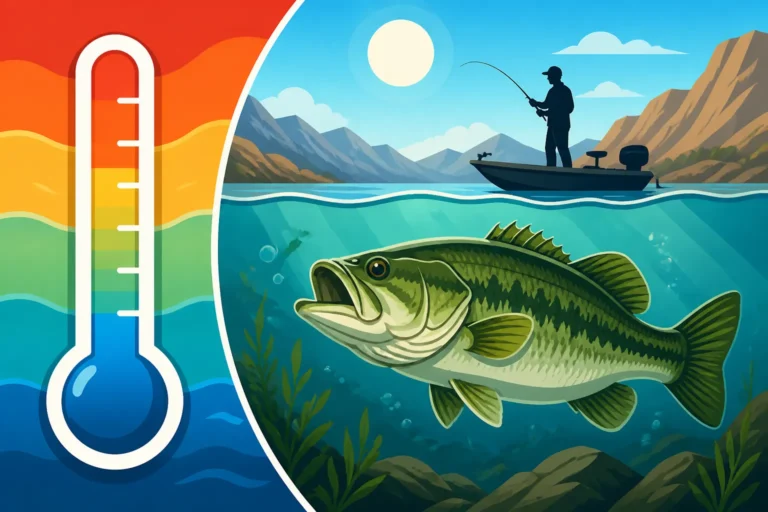
As air temperatures climb, so does the surface water temperature of lakes like Lake Mead or Lake Mohave. Warmer water holds less dissolved oxygen, which is crucial for fish respiration. Think of it like a hot, stuffy room for us – it's just harder to breathe and be active. Fish, being cold-blooded, are highly sensitive to these changes. They're not going to be cruising the sun-baked shallow flats when the oxygen levels are plummeting.
This phenomenon drives fish into deeper, cooler water where oxygen levels are more stable and temperatures are tolerable. This deeper water often forms what's known as a thermocline – a layer where the water temperature changes rapidly with depth. Finding this thermocline can be like discovering a hidden fish haven. If you're seeing fish on your sonar but they're not biting shallow, it's a good bet they've moved down, searching for that sweet spot of comfort. Understanding this movement is critical to cracking the code on summer fishing in Nevada's intense climate.
Fish Behavior Changes
With the heat and reduced oxygen, fish metabolism slows down. They become less active and often feed less aggressively or during specific, shorter windows. Instead of chasing down prey in open water, they'll conserve energy, often hunkering down near structure or in shaded areas. This means your usual fast-paced retrieve might need to be rethought. They're not going to expend a lot of energy if a meal isn't worth the effort.
Many species, particularly trout and bass, will seek out submerged structures like rock piles, ledges, old creek beds, or even standing timber if it exists. These spots offer both cooler water and ambush points for less energy-intensive feeding. It's also why early mornings and late evenings become so vital, as these are the brief periods when surface temperatures are lowest, and fish might venture shallower to feed before retreating to the depths. Patience becomes a virtue, and targeting specific, cooler habitats is paramount.
Capitalizing on Early Morning and Late Evening Windows
Even in the dog days of summer, there are golden hours when Nevada's desert lakes come alive. These periods are often your best bet for consistent action, and missing them means missing out on the most comfortable and productive fishing.
Shallow Water Ambush Points
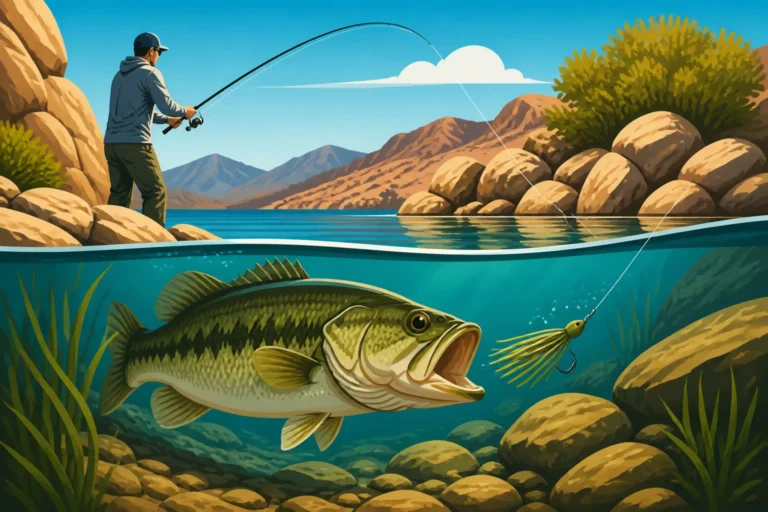
As the sun begins to rise or dip below the horizon, the intense solar radiation lessens, allowing surface water temperatures to cool slightly. This brief reprieve can draw baitfish and, consequently, predator fish like largemouth bass and striped bass, into shallower water to feed. Look for areas with access to deeper water nearby – rocky points, coves with drop-offs, or submerged vegetation lines are prime ambush spots.
These windows are usually short, often just an hour or two at dawn and dusk. During this time, fish are more active and willing to chase. Using topwater lures can be incredibly exciting as fish smash them on the surface. When fishing during these times, focus on covering water quickly to locate active fish, then slow down your presentation once you find them. The "Best Time of Day to Fish in Summer Heat" is undoubtedly these twilight hours.
The Golden Hour Tactics
The "golden hour" isn't just for photographers; it's a prime fishing time. In the morning, this means before the sun fully clears the horizon and starts baking the lake. In the evening, it's the period right as the sun is setting and for about an hour afterward. During these times, fish feel safer to move into shallower feeding grounds because the light is low, making them less visible to aerial predators and allowing them to stalk prey more effectively.
For species like bass, try throwing buzzbaits, poppers, or walking baits along shorelines, around docks, or near prominent structure. For striped bass, especially at lakes like Lake Mead, throw smaller swimbaits or topwater plugs near points where they might be herding baitfish. This is also a good time to experiment with spinnerbaits or shallow-diving crankbaits. Remember, the fish are looking to feed efficiently before the heat forces them back to the comfort of deeper water. Your presentations should be energetic enough to grab their attention but also subtle enough not to spook them in the low light.
Going Deep to Find Cooler Waters
When the sun is high and the surface water feels like a bath, the vast majority of game fish in Nevada's desert lakes have one thing on their mind: finding cooler, more oxygenated water. This means anglers need to shift their focus from the shoreline to the depths.
Locating Thermoclines and Structure
Your boat's fish finder becomes your best friend in the summer. It's not just about seeing fish; it's about interpreting the water column. Look for distinct temperature changes on your sonar, which often indicate a thermocline. This is where you'll typically find a concentration of baitfish and, subsequently, the predator fish. Most species will suspend just above, within, or just below this comfortable layer.
Beyond the thermocline, identifying deep-water structure is paramount. Underwater humps, ledges, creek channels, and submerged timber provide fish with both sanctuary and ambush points. In a lake like Lake Mohave, vast underwater canyons can hold massive schools of fish. Focus your efforts on these features. Don't be afraid to drift over these areas repeatedly, studying your sonar for signs of life. The "Deep Water Techniques for Lake Mead Bass" often revolve around precisely these strategies.
Vertical Jigging and Drop-Shotting
Once you've located fish holding deep or suspending, vertical jigging and drop-shotting become incredibly effective techniques. Vertical jigging involves dropping a metal jig, spoon, or heavy swimbait directly down to the fish and working it with sharp lifts and falls. This mimics a wounded baitfish and can trigger reaction strikes from otherwise lethargic fish. Brands like Rapala offer excellent jigging spoons that are widely available on Amazon.
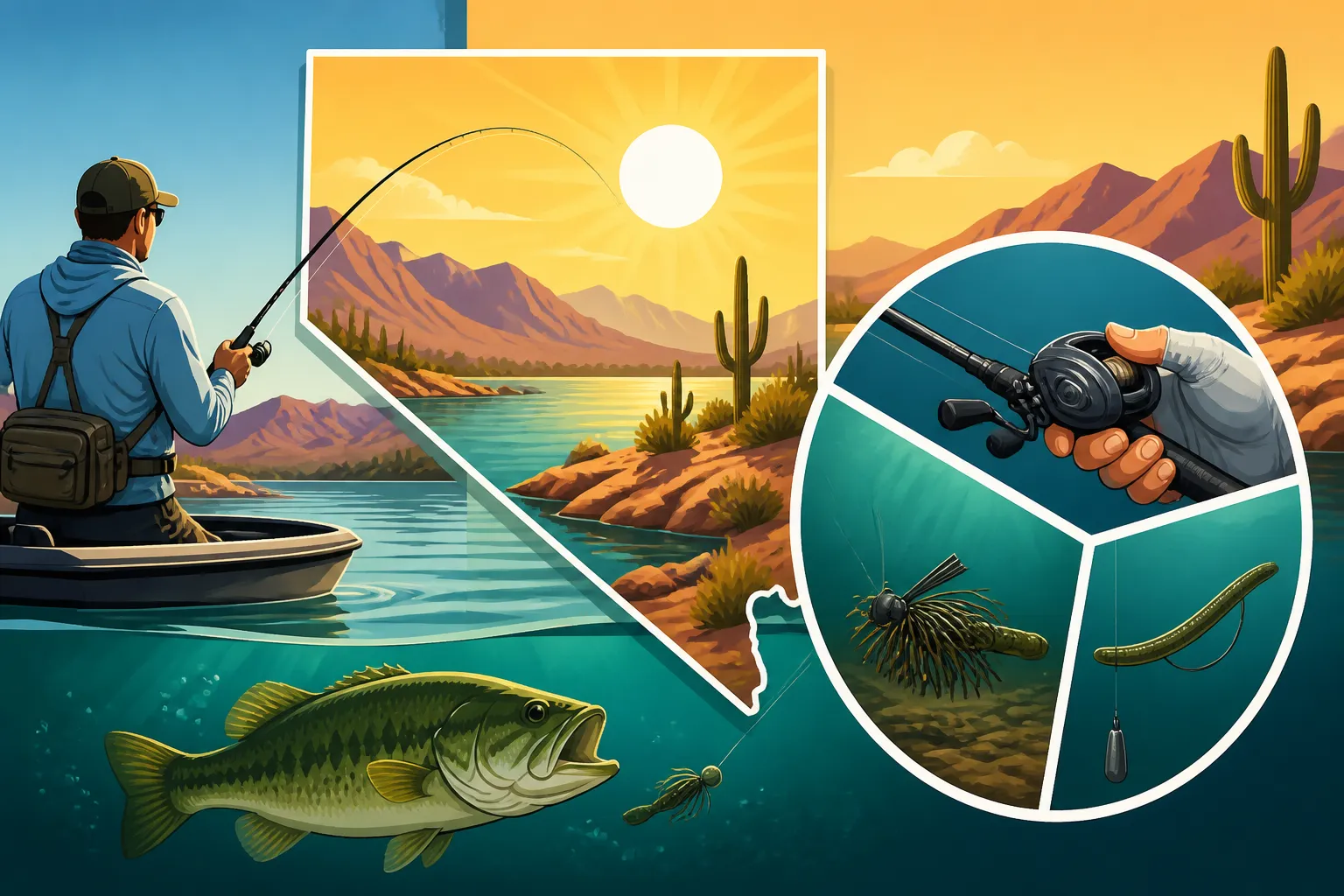
Drop-shotting is a finesse technique that excels when fish are finicky. It involves tying a hook directly to your main line, leaving a tag end below for attaching a weight. This allows your soft plastic bait to hover tantalizingly at the fish's eye level, even when your weight is on the bottom. It's a subtle presentation that can coax bites from hesitant fish. Vary your retrieve, letting the bait sit still, gently shaking it, or slowly lifting it off the bottom. Remember to pay close attention to light bites; often, deepwater summer fish will just "mush" the bait.
Trolling for Deepwater Species
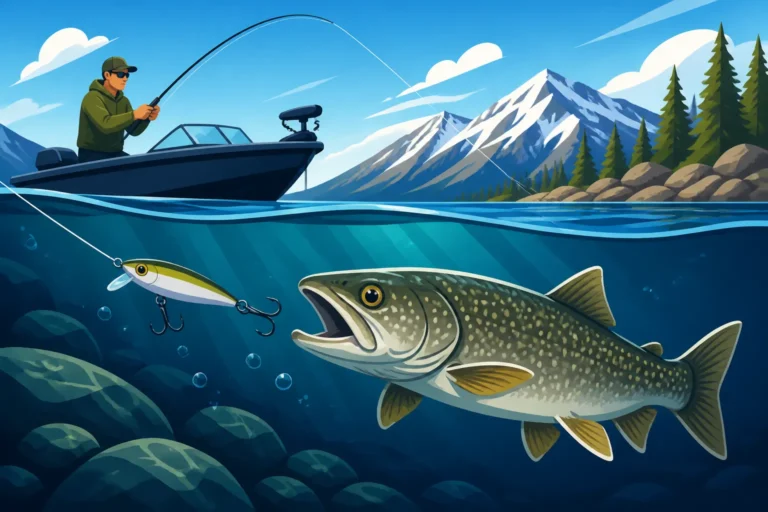
Trolling is another fantastic way to cover large areas and present baits at specific depths for deepwater species. This technique is particularly popular for targeting Mackinaw trout in Lake Tahoe or striped bass in Lake Mead. By using downriggers or weighted lines, you can accurately place crankbaits, spoons, or even live bait at the exact depth where fish are holding.
Experiment with different trolling speeds and lure colors until you find what triggers bites. Pay attention to your fish finder to ensure your lures are running at the same depth as the fish. Some anglers even use planer boards to spread out their lines, covering a wider swath of water. This systematic approach allows you to explore vast stretches of water and locate scattered schools of fish that might not respond to stationary presentations.
The Secret Weapon: Night Fishing
When the sun is an oppressive force during the day, the night offers a completely different, and often incredibly productive, fishing experience on Nevada's desert lakes. The water cools, fish become more active, and the serene quiet adds an extra layer of enjoyment.
Choosing the Right Spots for Night Action
Just like during the day, choosing your location wisely is key for successful night fishing. However, fish patterns can shift under the cover of darkness. Many species, especially striped bass and channel catfish, will move much shallower at night than they would during the day. Look for lighted areas, if available, such as docks or marinas, as these lights attract baitfish, which in turn attract predators.
Otherwise, focus on shallow flats adjacent to deep water, submerged points, or rocky shorelines. These areas provide easy access to deeper sanctuary if needed but offer abundant feeding opportunities in the cooler, darker shallows. The "Night Fishing Techniques for Striped Bass" often highlight these very spots for maximum success. Also, if you're targeting catfish, look for calmer coves with soft bottoms where they might be foraging.
Lighting and Safety Considerations
Safety is paramount when fishing at night. Always have multiple light sources, including a powerful headlamp and a reliable lantern. A good quality waterproof headlamp is a game-changer for tying knots or navigating your gear. You can find excellent options on Amazon. Make sure your boat's navigation lights are fully functional and carry extra batteries. If fishing from shore, let someone know your plans and location.
Visibility is naturally limited, so take extra care when casting, walking near the water, or operating a boat. Be mindful of others on the water, as they might not see you as easily. It's also wise to have a basic first-aid kit readily accessible. The tranquility of night fishing is undeniable, but it comes with increased responsibility for your safety and the safety of others.
Nocturnal Baits and Lures
Fish behave differently at night, and their senses are adapted to low-light conditions. This means your bait and lure choices might need to change as well. Many fish rely more on their lateral line (to detect vibrations) and scent during darkness. For striped bass, large topwater plugs that make a lot of commotion, or swimbaits that displace water, can be incredibly effective. Glow-in-the-dark lures or those with rattles can also be a huge advantage.
For catfish, strong-smelling baits like cut bait (sardines, shad, anchovies), chicken livers, or commercial stink baits are king. They'll follow the scent trail directly to your hook. Night crawlers are also a universal favorite for many species. Consider using light-emitting bobbers or glow sticks attached to your line to help detect bites, as visual cues are minimal. Night fishing opens up a whole new world of opportunity for those willing to embrace the darkness.
Adapting Your Tackle and Bait for Summer Heat
Summer fishing in Nevada isn't just about finding the fish; it's also about having the right tools for the job. The extreme conditions demand specific considerations for your tackle and bait to ensure you're effective and prepared.
Line Selection for Clear, Deep Water
Nevada's desert lakes are often incredibly clear, especially in deeper sections. This means fish have excellent visibility, and they can be easily spooked by thick, visible lines. Fluorocarbon line is your best friend here. It's nearly invisible underwater, has low stretch for better sensitivity, and excellent abrasion resistance against rocky structures. Consider a leader of fluorocarbon even if your main line is braided. The "Best Line for Desert Reservoir Fishing" in summer is almost always fluorocarbon, especially for finesse techniques.
For heavier applications, like jigging for stripers or trolling, a braided main line with a fluorocarbon leader offers the best of both worlds: superior casting distance and strength from the braid, combined with the invisibility of fluorocarbon. The extreme UV radiation from the sun can also weaken monofilament over time, so check your line frequently for nicks and wear.
Choosing Heat-Resistant Baits and Lures
While soft plastic baits are incredibly effective, extreme heat can turn them into a gooey mess if not stored properly. Keep them out of direct sunlight in your boat or tackle box. Consider carrying a small, insulated bag for your most used plastics to prevent them from melting or deforming. Hard baits like crankbaits, jerkbaits, and spoons are generally unaffected by the heat, making them reliable choices.
Live bait, if you're using it, requires even more care. Minnows, shad, or worms need to be kept in a well-aerated bait cooler with fresh, cool water. A portable aerator, often powered by D-cell batteries, is an essential item. If your live bait dies, it quickly becomes ineffective, so invest in proper bait care, especially on a scorching day.
Essential Gear for Desert Sun
Beyond your rod and reel, several items become absolutely non-negotiable for summer fishing in Nevada. First, sun protection: a wide-brimmed hat, UPF-rated long-sleeve shirts, and plenty of high-SPF sunscreen are vital. The reflection off the water intensifies the sun's rays. Secondly, a good pair of polarized sunglasses will not only protect your eyes but also help you spot submerged structure and even fish in clearer waters. You can find excellent fishing apparel and eyewear on Amazon.
Finally, hydration is critical. Carry way more water than you think you'll need, and consider electrolyte drinks. A high-quality cooler is indispensable for keeping your drinks cold and, if you're successful, your catch fresh. Look for coolers known for their ice retention, as cheaper models simply won't cut it in 100+ degree heat. Having this "Desert Fishing Gear and Sun Protection" ready will make your trip far more enjoyable and safer.
Prioritizing Safety in the Nevada Summer
Fishing in Nevada's summer heat can be incredibly rewarding, but it's equally important to acknowledge the inherent dangers. The desert environment demands respect and preparation. Your safety and well-being should always come before chasing that trophy catch.
Hydration and Sun Protection
This can't be stressed enough. Dehydration and heatstroke are real, serious risks when temperatures soar past 100 degrees Fahrenheit, which is common in summer around lakes like Lake Mead, Lake Mohave, or even Pyramid Lake. Drink water constantly, even if you don't feel thirsty. By the time you feel thirsty, you're already starting to dehydrate. Avoid excessive caffeine and alcohol, as they can contribute to dehydration.
Layering light-colored, loose-fitting, breathable clothing, preferably with UPF (Ultraviolet Protection Factor) ratings, will help reflect sunlight and keep you cooler. A wide-brimmed hat that shades your face and neck, and UV-blocking polarized sunglasses, are not optional – they're essential. Reapply sunscreen frequently, especially if you're sweating or getting wet. Taking breaks in the shade, if possible, is also a smart move to let your body cool down.
Boat and Shoreline Precautions
If you're out on the water, ensure your boat is in top condition. Overheating engines, dead batteries, or other mechanical failures can quickly turn a fun day into a dangerous situation, especially on vast lakes. Always carry a fully charged cell phone, but don't rely solely on it for emergencies, as service can be spotty in remote areas. A VHF radio is a much more reliable communication tool on larger bodies of water. Make sure you have all required safety equipment, including enough life jackets for everyone on board, a whistle or horn, and a fire extinguisher. You can review the general requirements in a guide like "Nevada Boat Registration for Anglers."
For shore anglers, be aware of your surroundings. The desert can be home to snakes, scorpions, and other wildlife. Wear appropriate footwear, watch where you step, and avoid reaching into blind spots. Inform someone of your fishing plans and expected return time. The scorching ground and intense sun can also quickly turn a short walk into a heat emergency, so plan your access and egress points carefully, always considering the most direct route to shade or your vehicle.
Common Summer Fishing Challenges and Solutions
| Challenge | Why it Happens | Summer Solution |
|---|---|---|
| Fish aren't biting | High water temps, low oxygen, fish are lethargic. | Target deeper, cooler water. Fish low-light periods (dawn/dusk/night). Use finesse. |
| Sunburn/Heatstroke | Intense UV, high ambient temps, dehydration. | Hydrate constantly. Wear UPF clothing, wide-brimmed hat, polarized sunglasses. Seek shade. |
| Bait dying quickly | Warm water in bait wells, direct sun exposure. | Use insulated bait cooler with aerator. Change water frequently with cooler water. |
| Lures melting/deforming | Soft plastics left in direct sun. | Store soft plastics in a shaded, cooler spot or insulated bag. Use hard baits more. |
| Engine Overheating | High ambient temps, heavy load on boat. | Check cooling system before trip. Monitor gauges. Avoid prolonged high-RPM runs. |
| Difficulty seeing fish | Glare off bright water, fish are deep. | Polarized sunglasses are essential. Use a quality fish finder to locate deep schools. |
Embracing the Nevada Fishing Regulations
Before you even cast a line, especially when exploring new techniques or locations, it's absolutely crucial to be familiar with the local rules and regulations. Nevada's waters, while diverse, all fall under specific guidelines designed to protect fish populations and ensure sustainable fishing for everyone. You can always refer to the comprehensive guide on "Nevada Fishing Regulations Explained" to ensure you're compliant.
Knowing your limits is not just about avoiding a fine; it's about being a responsible angler. Different lakes, like Pyramid Lake, might have entirely separate permit requirements and unique regulations regarding catch limits, size restrictions, or even specific gear rules. For instance, you’ll need a specific permit to fish at Pyramid Lake in addition to your state license. It's always best to check the latest Nevada Department of Wildlife (NDOW) regulations booklet or website before heading out. This ensures you're fishing legally and contributing to the health of Nevada's incredible fisheries.
Disclaimer
Fishing, boating, and outdoor activities inherently involve risks. The information provided in this guide is for general informational purposes only and should not be considered a substitute for professional advice or personal judgment. Always prioritize safety, adhere to all local, state, and federal regulations, and be prepared for changing weather and environmental conditions. The author and publisher are not responsible for any accidents, injuries, or damages that may occur as a result of using this information.