How to fly fish a high mountain stream
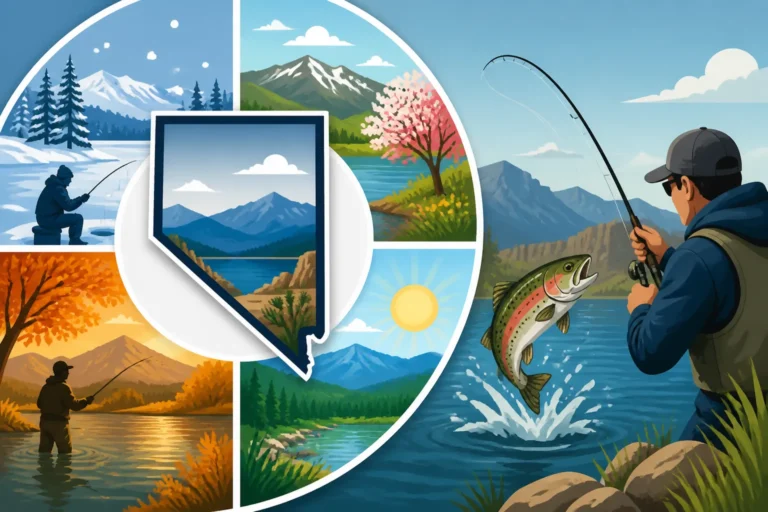
Oh, the allure of a high mountain stream in Nevada! There's nothing quite like escaping the desert heat and finding yourself amidst towering pines and crystal-clear, ice-cold water, casting a fly line for some beautiful, wild trout. But let's be honest, those serene scenes can feel a million miles away when you're staring at your tackle box, wondering where to even begin. Fly fishing these unique, often challenging environments requires a specific approach that's different from casting on a big lake or a wider river. This guide is here to demystify the process, helping you gear up, read the water, and master the techniques to make your high mountain stream fly fishing dreams a reality.
Gearing Up for Success: Essential Tackle for Nevada's Mountain Streams
Before you even think about wading into that pristine water, you need the right tools for the job. High mountain streams in Nevada aren't like the broad, powerful rivers where you might cast big streamers or nymph rigs. They're often tighter, brushier, and demand a more delicate, precise approach. Trust me, showing up with your heavy bass rod or a super long lake fly rod will lead to more frustration than fish!
Rod, Reel, and Line Selection
For these intimate waters, discretion is key. You'll want a fly rod that's shorter and lighter than what you might use elsewhere. A rod in the 7-foot to 8-foot range, in a 2-weight to 4-weight class, is generally perfect. This shorter length allows you to navigate dense streamside vegetation without constantly snagging, and the lighter weight provides the sensitivity needed for smaller trout and the delicate presentations required. It also makes those close-quarters roll casts a breeze!
Pair this with a matching small, lightweight fly reel. The reel's primary purpose here is to hold your line, not to fight big fish that strip line (though a strong drag is always nice to have!). For fly line, a weight-forward floating line that matches your rod weight is ideal. This type of line helps you cast accurately in tight spots and keeps your flies on the surface or near it for dry fly or nymphing techniques. Don't forget a tapered leader, usually 7.5 to 9 feet long, ending in a tippet of 5X or 6X for maximum stealth, especially on clear, low-water days. You can always grab a multi-pack of tippet spools on Amazon to make sure you're covered for various conditions. If you're looking for recommendations, check out our guide on Best Fly Rod for High Mountain Streams.
Waders, Boots, and Streamside Comfort
While some high mountain streams are small enough to rock-hop, many will require you to get in the water. Quality waders and wading boots are non-negotiable for comfort and safety. Neoprene waders are great for colder mountain water, but breathable waders are often more versatile for Nevada's varying temperatures, especially if you're hiking a bit to get to your spot. Look for boots with good ankle support and felt soles or studded rubber soles for traction on slippery, moss-covered rocks. Nobody wants a twisted ankle far from the trailhead!
Beyond waders, think about stream-side essentials. A small backpack or sling pack is perfect for carrying your flies, extra tippet, a small first-aid kit, water, snacks, and a rain jacket – because mountain weather can change in a heartbeat. A pair of polarized sunglasses will not only protect your eyes from UV rays but also help you spot fish and submerged obstacles, making a huge difference in your success. Lastly, a small net with a rubber bag is excellent for safely landing and releasing fish, minimizing stress on these precious wild trout.
Reading the Water: Finding Fish in Mountain Streams
This is where the magic happens and where many anglers get stumped. High mountain streams, though smaller, have all the classic trout lies you'd find in bigger rivers, just on a more miniature scale. Learning to "read the water" means understanding where trout hide, feed, and feel safe.
Identifying Prime Trout Lies
Trout, especially in smaller streams, are always looking for three things: food, cover, and a break from the current. Your job is to identify spots that offer these advantages. Look for:
- Pools and Eddies: Any deeper, slower water created by bends, rocks, or fallen logs. These are prime resting and feeding zones. Trout will often sit at the head of a pool, waiting for food to wash in, or along the edges of an eddy where the current is slower.
- Seams and Current Breaks: The line where fast water meets slow water is a super highway for food and a great place for trout to ambush prey without expending too much energy. Look for these behind large rocks, logs, or along the banks.
- Undercut Banks and Overhanging Vegetation: These offer excellent cover from predators and harsh sunlight. Trout will tuck themselves into these spots, darting out to grab a passing meal. Don't be afraid to cast right up against the bank, sometimes even under it if you can manage the precision.
- Riffles and Runs: Shallower, faster-moving sections that create oxygen-rich water and dislodge insects. While trout might not hold in the fastest part, the downstream ends of riffles often transition into deeper runs or pockets where fish will hold.
Always approach these spots stealthily. These fish are wild and often spooky. A heavy footfall on the bank or a shadow cast over the water can send them darting for cover, making your efforts futile. If you're keen on understanding trout behavior in various Nevada waters, our guide on How to Fish for Trout in Nevada offers even more insights.
Understanding the Food Source
High mountain stream trout are opportunistic feeders. They'll eat whatever is available, and what's available often depends on the season and location. While major hatches might be less frequent and intense than on larger rivers, knowing the general insect life helps. Caddisflies, mayflies (especially small BWO and PMD patterns), stoneflies, and midges are common. Crucially, don't overlook terrestrials like grasshoppers, ants, and beetles, especially during warmer months when they might fall into the water.
Often, the trout in these streams are less picky about exact fly patterns than they are about presentation. A well-presented generic nymph or dry fly will usually do the trick. However, carrying a variety of patterns, including some that mimic locally abundant insects, is always a good idea. You can usually find a great selection of these smaller, stream-specific flies at local tackle shops or online retailers like Amazon.
Casting and Presentation Techniques for Tight Quarters
This is where many anglers get frustrated in mountain streams. Long, sweeping casts are rarely possible, and often counterproductive. You need to adapt your casting style to the environment.
Short, Accurate Casting
Forget the picture-perfect 60-foot loops you see in magazines. In high mountain streams, you'll be making a lot of short, accurate casts, often only 10 to 25 feet. The key is precision, not distance. Practice these techniques:
- The Roll Cast: This is your best friend in tight, brushy spots where there's no room for a backcast. It allows you to launch your line forward with a simple, fluid motion off the water. It's fantastic for getting a fly into small pockets or along undercut banks.
- The Bow-and-Arrow Cast: When you absolutely cannot backcast or roll cast, this technique is a lifesaver. Hold the fly between your fingers, bend the rod back like a bow, and release the fly as you straighten the rod, sending it springing forward. It's a highly accurate, though very short-range, cast.
- Sidearm Casts: Keeping your cast low, parallel to the water's surface, helps you get under overhanging branches and reduce line drag from wind.
- Mending and Drift: Once your fly is on the water, you're not done! "Mending" involves repositioning your fly line on the water to counteract currents and ensure your fly drifts naturally, free of drag. A drag-free drift is absolutely crucial, especially with dry flies and nymphs. Trout are experts at detecting unnatural movement. Practice upstream and downstream mends to keep your fly flowing at the same speed as the current. This can sometimes be the difference between a fish hitting your fly or ignoring it completely.
Remember, quiet entry and minimal disturbance are paramount. If you spook a fish in a small pocket, you might spook every other fish in that same stretch of water. Take your time, approach carefully, and aim for that perfect, subtle presentation.
Stealth and Approach
Because these streams are often crystal clear and the trout wild, your approach matters as much as your cast.
- Walk softly: Heavy footsteps send vibrations through the bank and water, alerting fish to your presence.
- Stay low: Crouch or kneel as you approach likely looking spots. Your silhouette against the sky is a dead giveaway.
- Wear drab clothing: Bright colors stand out against natural backdrops. Earth tones blend in better.
- Fish upstream: Whenever possible, fish upstream. This allows you to approach the fish from behind, as trout typically face into the current to feed. It also means your casts are generally going away from you, presenting the fly first before your line drifts over the fish. This is a fundamental principle of effective stream fishing.
- First cast counts: Often, the first cast into a prime lie is your best chance. Make it count! If you splash or miscast, you might put the fish down.
By employing these techniques, you'll increase your chances of fooling even the wariest of trout in these secluded havens. And if you’re fishing waters where regulations allow, don’t forget to familiarize yourself with Nevada Barbless Hook and Bait Rules to ensure you're compliant.
Fly Selection and Strategic Tactics
Choosing the right fly and employing effective tactics can elevate your success from just casting to actually catching. High mountain streams often have hungry fish, but they're not always easy to fool.
Essential Fly Patterns
When heading to a high mountain stream, I always make sure my fly box has a good selection of these tried-and-true patterns:
| Fly Type | Description & Use | Common Patterns | When to Use |
|---|---|---|---|
| Nymphs | Imitate aquatic insect larvae, typically fished sub-surface. The most consistent producers. | Pheasant Tail, Hare's Ear, Prince Nymph, Copper John | Year-round, especially when no surface activity. Dead-drifted. |
| Dry Flies | Imitate adult insects on the surface. Exciting to fish, visual strikes. | Parachute Adams, Elk Hair Caddis, Royal Wulff | During hatches, or when fish are rising. Warm, calm days. |
| Terrestrials | Imitate land-based insects that fall into the water. Very effective in summer/fall. | Ant, Beetle, Grasshopper (Chernobyl Ant, Dave's Hopper) | Warm months (July-September), especially after windy days. |
| Streamers | Imitate baitfish or larger insects. Less common in tiny streams, but can entice larger trout in deeper pools. | Woolly Bugger (black, olive) | Deeper pools, after rain, or when searching for aggressive fish. |
For a more in-depth look at what trout in Nevada respond to, especially if you're exploring smaller tributaries, check out our guide on Best Nymph Patterns for Nevada Trout Streams. It provides excellent detail on specific sizes and colors that work well.
Tactics for Different Water Types
Vary your approach based on the section of stream you're fishing:
- Pocket Water: These are small, turbulent sections with rocks and mini-eddies. Use short, accurate casts with a heavily weighted nymph or a dry-dropper rig. The idea is to get your fly down quickly and drift it through the pocket before the current sweeps it away. Don't overlook even the smallest pockets; big fish can hide in surprisingly small spots.
- Pools: In deeper, calmer pools, a longer, drag-free drift is critical. Fish nymphs under an indicator or high-floating dry fly, or try stripping small streamers along the bottom or edges. If fish are rising, switch to dry flies that match the hatch (or a general attractor pattern if you don't see specific insects). Remember, these fish have more time to inspect your fly, so presentation becomes even more important.
- Runs and Riffles: These faster sections are perfect for a quick, precise presentation of nymphs or dry flies. Focus on seams and edges where the current is slightly slower, allowing a trout to hold comfortably. Keep your line off the water as much as possible to avoid drag.
Catch and Release Best Practices
Many of Nevada's high mountain streams are home to wild, native trout that are highly susceptible to stress. Practicing proper catch and release techniques is essential for the long-term health of these fisheries. Always handle fish gently with wet hands, keep them in the water as much as possible, and use a net to minimize handling. Remove hooks quickly using forceps or pliers. If you're using barbless hooks, removal is much easier and less damaging. For a full breakdown of how to ensure the survival of your catch, refer to our article on Catch and Release Techniques for Trout.
Fly fishing high mountain streams is an incredibly rewarding experience, offering solitude, stunning scenery, and the chance to connect with truly wild fish. While it demands a specific set of skills and gear, the effort is more than worth it. Whether you’re planning a multi-day backpacking trip to a remote alpine lake or just a day trip to a roadside creek, having the right knowledge will dramatically improve your chances of a successful and memorable outing.
Disclaimer
This article is for general informational purposes only and does not constitute professional advice. Laws, prices and regulations vary by location and change over time. Consult a qualified professional for guidance on your specific situation.