How to fish a power bait for stocked trout
Ever feel like those freshly stocked trout in Nevada ponds are mocking you? You see them swimming, sometimes right near the bank, but they just won't bite your traditional worms or spinners. It’s a common frustration, especially when you've carved out precious time for a relaxing day of fishing. This comprehensive guide is here to unravel the mystery of fishing PowerBait for stocked trout, ensuring your next trip to a Nevada urban pond or reservoir is far more successful and filled with those satisfying tugs on your line.
Understanding Stocked Trout Appetites: Why PowerBait Works So Well
When you're trying to catch those freshly introduced rainbow trout, it's easy to assume they're just like wild trout. But the truth is, hatchery-raised trout live a very different life than their wild counterparts, and their dietary preferences reflect that. Understanding this key difference is your first step to success.
The Pellet Diet Connection
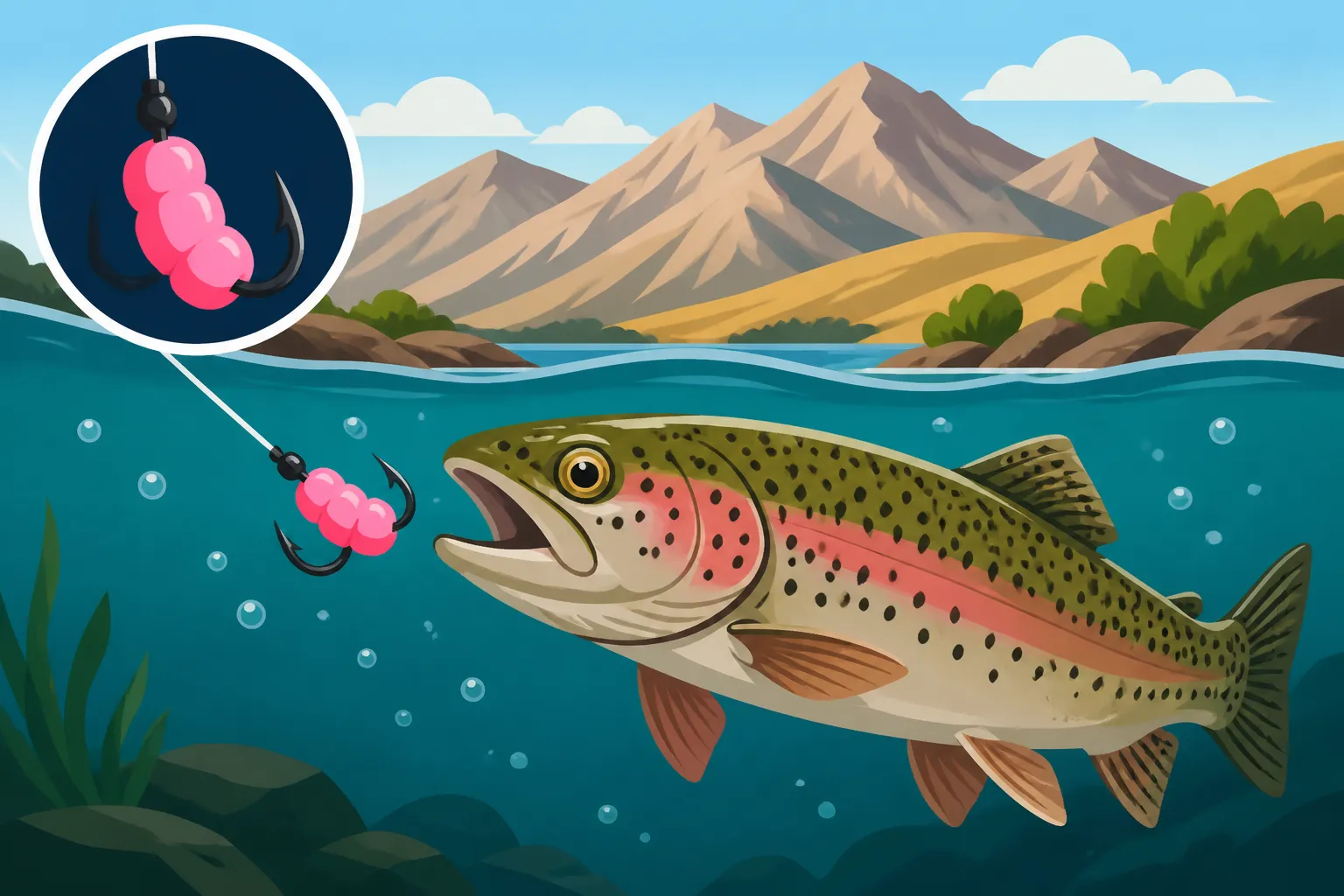
Think about how these fish are raised: in hatcheries, they're fed a consistent diet of protein-rich pellets. They become accustomed to the smell, taste, and texture of these uniform food sources. When they're released into a new environment, like one of Nevada's many urban ponds or reservoirs, they don't immediately switch to chasing live insects or small minnows with the same vigor a wild trout would. Instead, they often seek out something familiar. This is where PowerBait shines. Its formulation is designed to mimic the appearance, scent, and even the buoyancy of those hatchery pellets. It's comfort food for a newly stocked trout!
When trout are initially released, they might be a bit disoriented. They're often in a new, larger body of water than they've ever known, surrounded by unfamiliar sights and sounds. Their primary instinct is to find food, and their ingrained preference for pellets makes PowerBait an incredibly enticing option. It's less about matching the hatch and more about matching their upbringing.
Buoyancy and Scent: The Key Attractors
One of the most innovative aspects of PowerBait, especially the dough and nugget varieties, is its buoyancy. Unlike a regular worm or corn kernel that sinks to the bottom and can get lost in silt or weeds, PowerBait floats. This is crucial for stocked trout because they often cruise just off the bottom or suspend in the water column looking for food. A floating bait, presented correctly, puts the offering directly in their line of sight, making it impossible to ignore. The subtle lift helps it stand out from debris and allows it to sway naturally with currents, appearing more lifelike.
Beyond buoyancy, the strong, consistent scent of PowerBait is a major draw. While trout have decent eyesight, their sense of smell is incredibly acute. The scent disperses in the water, creating a powerful attractant that can call in fish from a distance. Even if a trout doesn't immediately see your bait, it can follow the scent trail directly to your hook. This is particularly effective in murkier waters where visibility might be limited, or when fish are scattered.
Building Your PowerBait Arsenal: Varieties and Uses
Just like any good chef has a variety of ingredients, a successful angler using PowerBait for stocked trout should have a few different options in their tackle box. The market offers a surprising range of PowerBait products, each with its own advantages. You can find a fantastic array of PowerBait options, various hook sizes, and the right split-shot weights on platforms like Amazon, making it easy to stock up before your next outing.
PowerBait Dough: The Classic Choice
The original PowerBait dough is arguably the most popular and recognized form. It comes in small jars, often resembling colorful modeling clay. Its consistency allows anglers to mold it around their hook, creating various shapes and sizes to match the trout's current preference. This versatility is a huge advantage. You can form it into a small ball, a teardrop shape, or even a worm-like cylinder.
- Versatility in Shape: The ability to mold the dough is key. A small, pea-sized ball is often perfect for recently stocked trout who are used to eating small pellets. If the fish seem a bit more cautious, a slightly elongated shape might look more natural.
- Color Selection: PowerBait dough comes in an astonishing array of colors, from vibrant neons like chartreuse and orange to more natural shades like rainbow or cheese. While color can sometimes be debated, having a selection is wise. On bright, sunny days, a more subdued color might work, while on overcast days or in murky water, a bright color can provide that extra visibility needed to grab attention. Don't be afraid to experiment! Often, the "hot" color changes day by day, or even hour by hour, so it's good to have options.
PowerBait Nuggets and Gulp! Options
Beyond the traditional dough, PowerBait also offers pre-formed nuggets and the innovative Gulp! series. These variations provide convenience and sometimes a different texture or action that can be precisely what the trout are looking for.
- Nuggets for Convenience: PowerBait nuggets are essentially pre-formed, small, buoyant balls of PowerBait. They're incredibly convenient because there's no molding required. You simply grab a nugget and thread it onto your hook. This is great for beginners or when you want to re-bait quickly. They offer the same buoyant and scent advantages as the dough but in a ready-to-use format.
- Gulp! for Scent Dispersion and Action: The Berkley Gulp! line, while technically not "PowerBait dough," is often used interchangeably by anglers because it's designed with similar goals: maximum scent dispersion and attraction. Gulp! typically comes in soft plastic forms like minnows, worms, or maggot shapes, soaked in a powerful scent liquid. While some Gulp! products are buoyant, others are designed to sink slowly, offering a different presentation. The primary advantage of Gulp! is its incredible scent release, which some argue is even stronger and disperses faster than traditional PowerBait dough. This can be especially effective when you're targeting less active fish or need to cover a wider area with a strong scent trail. From PowerBait dough to the Gulp! line, Amazon offers a comprehensive selection that ensures you're prepared for any scenario.
Having a mix of these options allows you to adapt to the conditions and the trout's mood. Sometimes they want the soft, moldable texture of the dough, other times the quick-rigging convenience of a nugget, or the potent scent and action of a Gulp! bait.
Rigging Up for Success: Essential Setups for PowerBait
Getting your PowerBait into the water effectively is just as important as choosing the right bait. For stocked trout, two primary rigs stand out for their effectiveness: the sliding sinker rig (often called a Carolina rig by bass anglers) and the simple bobber rig. Both are straightforward to tie and maximize the bait's floating properties.
The Sliding Sinker Rig (Bottom Rig)
This rig is a favorite for presenting PowerBait near the bottom, where many stocked trout often cruise. The key is the sliding sinker, which allows the line to pass through freely, so a biting fish doesn't feel the weight of the sinker, making them less likely to drop the bait.
- Components: You'll need a small egg sinker or slip sinker (1/8 oz to 1/4 oz is usually plenty for pond fishing), a small swivel, a leader of about 18-36 inches of fluorocarbon or monofilament line, and a single hook. For most stocked trout, a size 10 or 12 treble hook or a size 6 or 8 single bait hook works well. The treble hook is often preferred for PowerBait dough because it gives more points for the dough to adhere to, helping it stay on.
- Assembly:
- First, thread your main line (from your reel) through the hole in the egg sinker.
- Next, tie your main line to one end of the swivel using a strong knot like a Palomar or improved clinch knot.
- Then, tie your leader material to the other end of the swivel. The leader should be lighter test than your main line in case you get snagged, allowing you to only lose the hook and leader, not your entire rig.
- Finally, tie your hook to the end of the leader.
- Mould your PowerBait around the hook, ensuring the hook point is fully covered but still exposed enough to catch the fish's mouth. The goal is to make a small, buoyant ball or teardrop that floats up off the bottom.
- Advantages in Nevada Waters: This rig is fantastic for places like the urban ponds in Las Vegas such as Floyd Lamb Park Fishing Ponds or Sunset Park Fishing Pond, where you want your bait to hover just above the silty or somewhat weedy bottom. It allows the PowerBait to present naturally, swaying with subtle underwater currents, attracting trout that are cruising for an easy meal. This rig is also great for when you want to cast a good distance, as the compact sinker and bait combination flies well.
The Bobber Rig (Float Rig)
The bobber rig is simplicity itself and incredibly effective for targeting trout suspended higher in the water column or when fishing in shallower areas. It's also ideal for beginners or kids because it provides a visual indication of a bite.
- Components: A small slip bobber or clip-on bobber, a few split-shot weights, a leader, and a small hook (size 10 or 12 treble or size 6 or 8 single bait hook are good starting points). Don't forget to check Amazon for deals on quality ultralight spinning rods and reels that pair well with these setups.
- Assembly:
- If using a slip bobber, thread your main line through the bobber stopper, then the bead, then the bobber. If using a clip-on bobber, simply clip it to your main line.
- Tie your hook directly to the main line, or use a short leader of 12-18 inches if preferred.
- Crimp one or two small split-shot weights a few inches above the hook. These weights are just enough to counteract the buoyancy of the PowerBait slightly, allowing it to suspend more naturally, or to help sink it a bit if you're using a buoyant bait like the dough or nuggets.
- Mold your PowerBait around the hook, again ensuring the hook is covered.
- Advantages for Versatility: This rig is excellent for adjusting your fishing depth. With a slip bobber, you can slide the bobber stopper up or down to fish at practically any depth, from just a foot below the surface to several feet down. For a successful trip, remember to check the Nevada Trout Stocking Schedule and fish near where the fish were introduced. It’s also very visual, making it exciting to watch the bobber dance and then plunge when a trout takes the bait. This rig can be particularly useful in smaller impoundments or when fish are actively feeding closer to the surface, as they often do in the cooler months or early mornings. You can learn more about how to fish for trout with a bobber to fine-tune your technique.
| Rig Type | Key Components | Target Depth | Advantages | Best For |
|---|---|---|---|---|
| Sliding Sinker Rig | Slip sinker, swivel, leader, hook, PowerBait | Near bottom (floating up) | Natural presentation, fish don't feel weight | Deeper water, windy conditions, wary trout |
| Bobber Rig | Bobber, split-shot, hook, PowerBait | Adjustable (surface to mid-depth) | Visual bite indication, easy depth adjustment | Shallower water, active fish, beginners, kids |
Mastering the Presentation: Tactics for Enticing Bites
Having the right PowerBait and rig is only half the battle. How you present that bait and your approach to fishing are equally critical for hooking those elusive stocked trout. Patience, observation, and subtle adjustments can make all the difference.
Casting, Waiting, and Observing
One of the biggest mistakes anglers make when using PowerBait is being too impatient. Unlike active lure fishing, PowerBait often requires a more passive approach.
- The Cast: Aim for areas where trout are likely to congregate. Look for deeper pockets, shaded areas, or points that extend into the water. In ponds, trout often hug the banks or structure when first introduced. Cast your rig out smoothly, trying not to splash too much. If using the sliding sinker rig, let it settle completely to the bottom. If using a bobber rig, let it drift naturally with any current or breeze.
- The Wait: This is where patience comes in. Give the scent time to disperse and the fish time to find your offering. Sometimes a bite will come immediately, but often it takes 10-20 minutes, or even longer, for a fish to commit. Set your rod in a holder or prop it securely, keeping a loose line but not so much that you can't feel a subtle tap. This is especially true when fishing for stocked trout right after a stocking event; they might be a bit timid at first. You'll want to review the Best time of day to fish after stocking for more insights.
- Observation is Key: Watch your line carefully. A trout bite on PowerBait is often subtle—a slight twitch, a slow pull, or if using a bobber, a gentle dip or drift. Don't be too quick to set the hook. Let the fish take the bait fully. Many anglers wait until the line starts steadily moving away or the bobber disappears completely before setting.
Subtle Adjustments for Tricky Fish
Sometimes, trout can be finicky. What worked an hour ago might not work now. Being ready to make small changes can turn a slow day into a productive one.
- Depth Adjustment: If you're not getting bites with your bottom rig, try adjusting your leader length. A longer leader will float your PowerBait higher off the bottom, while a shorter one keeps it closer. If using a bobber, experiment with different depths. Trout move throughout the water column depending on temperature, light, and their comfort level. A slight change in depth can put your bait right in front of them. This is crucial when fishing in a Nevada desert reservoir, where water levels and temperatures can fluctuate.
- Bait Size and Color: If your usual pea-sized ball isn't working, try a slightly smaller or larger piece of PowerBait. Sometimes a more aggressive fish wants a bigger meal, while wary trout prefer a tiny, unassuming morsel. Similarly, if your go-to chartreuse isn't producing, switch to orange, rainbow, or even a natural white. Remember, what they were fed in the hatchery might not always be the exact color of your bait, but a variety of bright and natural tones can trigger a bite.
- Movement (or Lack Thereof): While PowerBait fishing is generally passive, a very slow, almost imperceptible retrieve can sometimes entice a hesitant fish. After letting your rig sit for a while, give your reel a single, slow crank, then pause again. This subtle movement can make the PowerBait appear like a drifting pellet, triggering an instinctive strike. However, often the best approach is to let the bait sit completely still, allowing its buoyancy and scent to do the work.
Essential Gear for PowerBait Fishing
Beyond the bait and rig, having the right supporting gear will significantly enhance your experience and success when fishing for rainbow trout.
- Rod and Reel: An ultralight or light action spinning rod (5-7 feet) paired with a small spinning reel spooled with 4-6 lb test monofilament or fluorocarbon line is ideal. This setup provides the sensitivity to detect subtle bites and enough backbone to handle stocked trout, which can put up a surprising fight. If you're looking for a good starting point, consider a Best tackle for a beginner angler guide.
- Tackle Box Essentials: A small tackle box with spare hooks, split-shot weights, swivels, and a selection of PowerBait jars is all you really need. A pair of needle-nose pliers for hook removal and a small stringer or cooler to keep your catch fresh are also good to have. Don't forget to pack a pair of clippers for your line!
- Comfort and Safety: Sunscreen, a hat, and plenty of water are vital for any Nevada fishing trip, especially during warmer months. A comfortable chair if you're bank fishing, and possibly a small net for landing fish, can also make the experience more enjoyable and help ensure a smooth catch and release if that's your goal.
By combining the right bait, a well-tied rig, and mindful presentation, you'll find PowerBait to be an incredibly effective tool for catching stocked trout across Nevada's diverse fishing opportunities. The satisfaction of a bent rod and a fish on the line after successfully deciphering their preferences is truly rewarding.
Disclaimer
This article is for general informational purposes only and does not constitute professional advice. Laws, prices and regulations vary by location and change over time. Consult a qualified professional for guidance on your specific situation.