Difference between fishing largemouth and smallmouth bass
It's a common dilemma for anglers, especially those new to Nevada's diverse waters: you're out there, reeling in a feisty bass, and you wonder, "Is this a largemouth or a smallmouth?" While both are incredible sport fish that provide thrilling action, knowing the subtle (and sometimes not-so-subtle) differences can drastically improve your success. This guide will walk you through everything you need to know to tell these two black bass species apart, understand where they live, and most importantly, how to adjust your fishing techniques to consistently land more of each.
Understanding Nevada's Black Bass Brothers: Largemouth vs. Smallmouth
Before we dive into the nitty-gritty, let's appreciate that both largemouth and smallmouth bass are members of the sunfish family, specifically the Micropterus genus, often called "black bass." They share many characteristics that make them formidable predators and highly sought-after game fish across Nevada's lakes and reservoirs. However, their preferences for habitat, diet, and behavior diverge significantly, requiring a shift in your approach if you want to target one over the other.
The Largemouth Bass: The Classic Ambush Predator
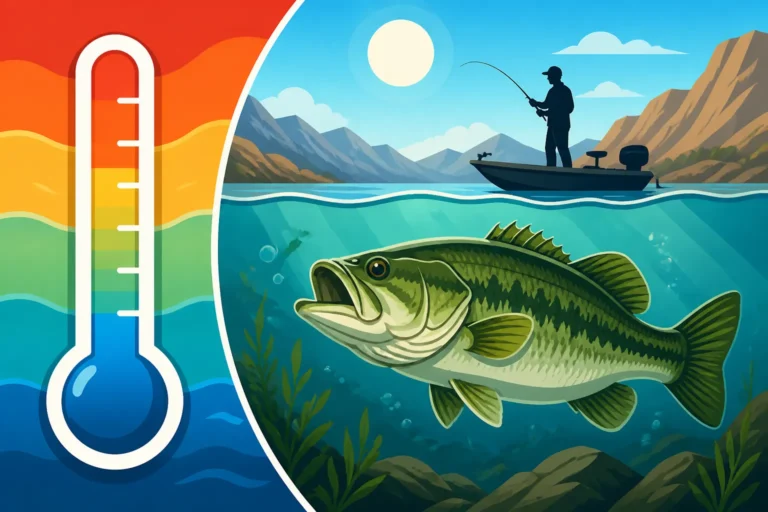
The largemouth bass is arguably the most iconic freshwater game fish in North America, and for good reason! They're aggressive, grow to impressive sizes, and put up a fantastic fight. In Nevada, you'll find healthy populations in many of our warmer, nutrient-rich lakes and ponds. Think of the largemouth as the king of cover – they thrive in areas with plenty of submerged vegetation, fallen trees, brush piles, and docks, where they can lie in wait, perfectly camouflaged, ready to ambush unsuspecting prey. For a deeper dive into their specific haunts, check out our guide on Largemouth Bass Habitat at Lake Mead.
The Smallmouth Bass: The Feisty Fighter of Clear Water
Smallmouth bass, often called "bronzebacks" for their distinctive coloration, might not always reach the sheer size of their largemouth cousins, but they more than make up for it with their tenacious fighting spirit. These fish are absolute bulldogs, renowned for their hard pulls, acrobatic jumps, and refusal to give up. Unlike largemouth, smallmouth prefer cooler, clearer water with rocky bottom structures, gravel, and current. They're less about ambush and more about chasing down their prey in open water. If you're looking to specifically target these incredible fighters, our article on Smallmouth Bass Fishing in Nevada offers invaluable tips.
Spotting the Differences: Identification & Preferred Hangouts
Knowing which bass you've hooked starts with a quick visual inspection. Beyond that, understanding their preferred environments will tell you a lot about where to cast your line.
Key Visual Cues for Identification
While both bass species share a general torpedo-shaped body, there are a few definitive features that will help you quickly identify your catch. No more guessing games at the boat ramp!
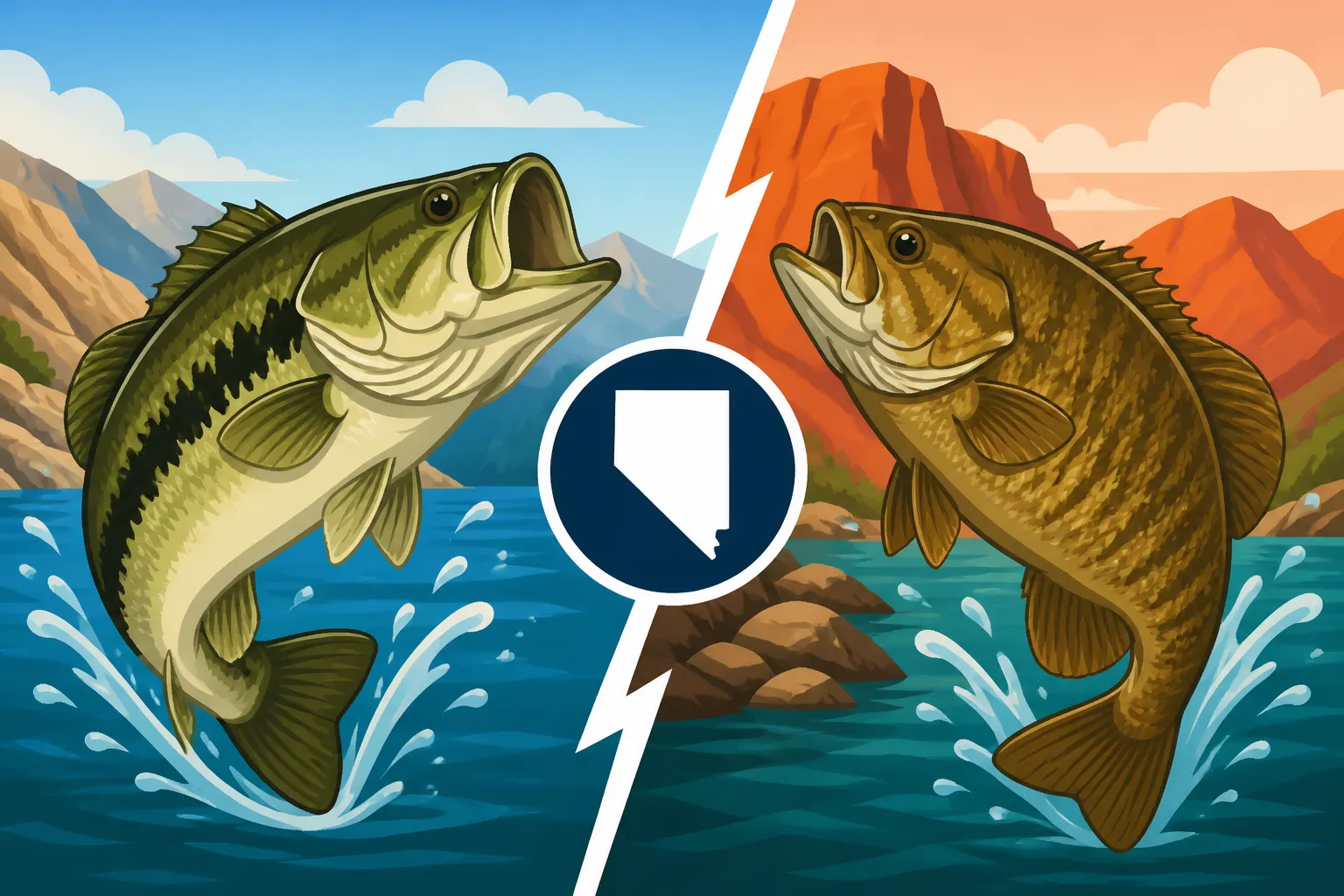
- The Jawline Test: This is the most reliable method. For a largemouth bass, if you close its mouth, the hinge of its jaw (the maxillary bone) will extend beyond the rear edge of its eye. For a smallmouth bass, the jaw hinge will typically not extend past the rear edge of the eye, often stopping directly beneath it. This one trick alone will save you from a lot of head-scratching.
- Dorsal Fin Distinction: Look at the dorsal fin (the one on top of its back). A largemouth bass has a distinct, deep notch in its dorsal fin, almost appearing like two separate fins. A smallmouth bass, on the other hand, has a more continuous, shallowly notched dorsal fin. It's subtle, but once you know what to look for, it's quite clear.
- Coloration and Markings: While coloration can vary based on water clarity and diet, largemouth bass generally have a more pronounced dark, horizontal stripe or band running along their sides, often appearing as blotches. Their bodies are typically green. Smallmouth bass usually have vertical bars or splotches on their sides, giving them a more mottled, bronze, or brownish appearance. Their eyes can also appear more reddish.
- Body Shape and Size: Largemouth tend to be a bit more robust and stocky, especially as they grow larger, with a deeper body. Smallmouth are often more streamlined and slender, built for speed and fighting current.
Here's a quick reference table to help you distinguish between the two:
| Feature | Largemouth Bass | Smallmouth Bass |
|---|---|---|
| Jawline | Extends beyond the rear edge of the eye | Does not extend past the rear edge of the eye |
| Dorsal Fin | Deep, distinct notch, almost appearing as two fins | Shallow, continuous notch, appearing as one fin |
| Coloration | Greenish body, prominent dark horizontal stripe | Bronzy to brownish, vertical bars or splotches |
| Body Shape | More robust, stocky, deeper body | More streamlined, slender, built for agility |
| Preferred Water | Warmer, often murkier, with abundant vegetation | Cooler, clearer, rocky bottoms, current |
Habitat Preferences: Where Each Bass Calls Home
Understanding where each species prefers to live is half the battle in catching them. You wouldn't look for a bear in a desert, and you shouldn't expect to consistently find smallmouth in a weed bed designed for largemouth.
- Largemouth's Lush Lairs: Largemouth bass are typically found in warmer, shallower, and often more turbid waters with ample cover. This means weed beds (like hydrilla, coontail, lily pads), submerged timber, brush piles, docks, and even shaded overhangs. They are true ambush predators, using this cover to hide and dart out to strike prey. Lakes like Lake Mead and many of Nevada's urban ponds are prime largemouth territory, especially in coves and backwaters. Our detailed guide on Largemouth Bass Fishing in Nevada delves into their preferences and prime spots.
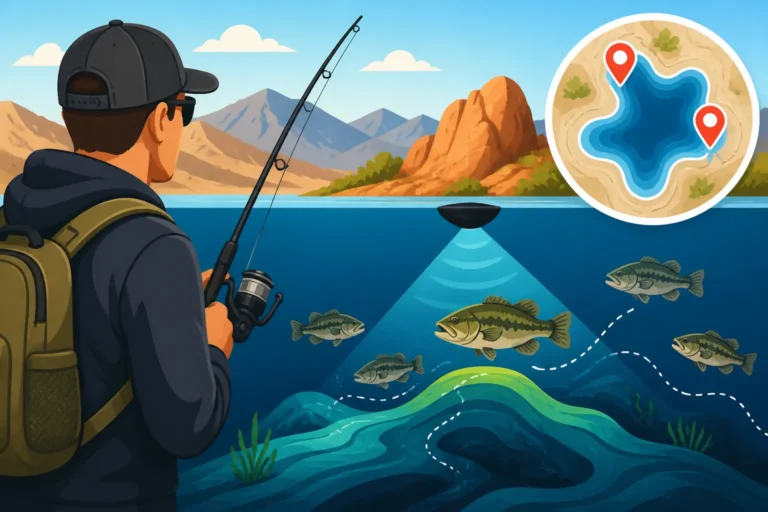
- Smallmouth's Rocky Realms: Smallmouth bass, on the other hand, gravitate towards cooler, clearer water with rocky or gravel bottoms. They love current, so you'll often find them in rivers, deeper sections of reservoirs with rock piles, ledges, drop-offs, and points. Think of the deep, clear waters of Lake Mohave, Lake Tahoe (on the Nevada side), or the Truckee River. They patrol these areas, often in small schools, actively hunting crawfish and baitfish. If you're fishing a spot with current and hard bottom structure, you're likely in smallmouth country. To learn more about where to find these hard-fighting fish, explore our Smallmouth Bass Habitat at Lake Mead article.
Tailoring Your Approach: Fishing Techniques for Each Species
Once you can identify them and know their typical haunts, the next step is to adjust your fishing techniques. What works wonders for a largemouth might be completely ignored by a smallmouth, and vice versa.
Tactics for Largemouth: Attacking the Cover
Fishing for largemouth bass is all about targeting dense cover and eliciting a reaction strike. They're often less picky about subtle presentations and more about something invading their territory.
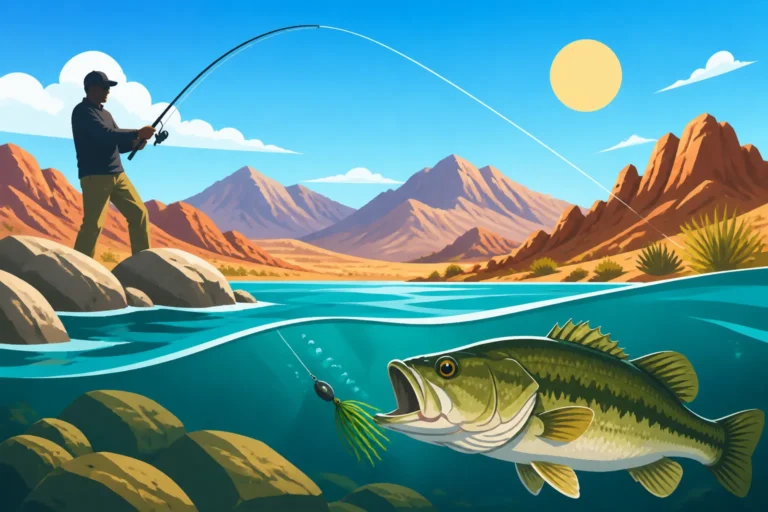
- Heavy Cover Combat: When you're fishing heavy vegetation, submerged trees, or thick brush, you need lures that can get in and out without snagging. This means Texas-rigged worms, weedless jigs, and topwater frogs or rats. Cast right into the thickest stuff, let your lure sink for a moment, and work it slowly. The strike often comes as the bait falls or moves past a piece of cover. This is where a sturdy rod, like those mentioned in Best Fishing Rods for Nevada Lakes, and heavier line really pay off.
- Topwater Explosions: Largemouth bass love to strike on the surface, especially during low light conditions (dawn, dusk) or on overcast days. Poppers, walk-the-dog baits, and buzzbaits are excellent choices. Cast them near cover and retrieve them with an erratic, attention-grabbing action. There's nothing quite like a largemouth exploding on a topwater lure!
- Punching and Flipping: For truly dense mats of vegetation or impenetrable brush, "punching" or "flipping" a heavy jig or creature bait through the cover can be incredibly effective. This technique requires specialized heavy tackle and pinpoint accuracy, but it can pull out giant bass that no other method can reach.
- Soft Plastics and Crankbaits: For slightly less dense cover or open pockets within it, soft plastics (like senkos, worms, and creature baits) rigged weightless or with a light Texas rig are deadly. They have a natural fall that largemouth can't resist. Diving crankbaits that deflect off submerged timber or rocks near cover can also trigger aggressive strikes. Many anglers stock up on their favorite soft plastics from retailers like Amazon, ensuring they have a wide variety of colors and styles on hand.
Tactics for Smallmouth: The Hunt for Structure
Smallmouth bass fishing is often about covering water, finding rocky structure, and presenting baits that imitate crawfish or baitfish. They're typically more discerning and respond well to finesse presentations or lures that mimic their natural prey in clear water.
- Finesse is Key: In the clear waters smallmouth inhabit, lighter lines and more subtle presentations often win the day. Drop shot rigs, Ned rigs, and shaky head jigs with small soft plastic baits are incredibly effective. These allow you to slowly work the lure along rocky bottoms, drop-offs, and ledges, mimicking crawfish or small baitfish. For deeper understanding of specific lure types, check out Best Lures for Nevada Bass.
- Tube Jigs and Grubs: Tube jigs, especially in colors resembling crawfish (greens, browns, pumpkinseed), are legendary for smallmouth. Cast them near rocky points or current breaks and let them tumble and crawl along the bottom. Small grub jigs also work wonders, retrieved with a steady retrieve or a hop-and-fall action.
- Crankbaits and Jerkbaits: Smallmouth are aggressive predators, and they will chase down reaction baits. Smaller diving crankbaits in crawfish or baitfish patterns, retrieved rapidly over rocky bottom, can trigger powerful strikes. Jerkbaits are also fantastic, especially in cooler water, as their erratic darting action can draw smallmouth from a distance.
- Topwater Action (But Different): While largemouth love topwater in cover, smallmouth often hit topwater lures (like poppers or walking baits) when they're feeding on baitfish near rocky points or shoals, especially during calm periods. They're usually chasing schools of bait, so look for active feeding signs.
- Blade Baits and Underspins: These lures are excellent for probing deeper water or current seams. Blade baits provide a lot of vibration and flash, while underspins combine a jig head with a small spinner blade, offering both flash and a natural swimming action.
Gearing Up: The Right Tools for the Job
Having the right equipment won't just make fishing easier; it will directly contribute to your success when targeting either largemouth or smallmouth. Your rod, reel, line, and even your choice of specific lures are tailored to their unique behaviors and habitats.
Rods and Reels: Matching the Fight
The type of fight and the environment demand different rod and reel setups for each bass species. You wouldn't bring a knife to a gunfight, nor a trout rod to a thick largemouth jungle.
- Largemouth Heavy Hitters: For largemouth, especially when fishing heavy cover, you'll want a medium-heavy to heavy power rod with a fast action. This provides the backbone needed to rip fish out of weeds and heavy cover, and the sensitivity to feel bites. Baitcasting reels are often preferred for their power and ability to handle heavier lines and lures. A good quality baitcasting reel, like those you can find on Amazon, will allow for accurate casting into tight spots. Line choices typically range from 15-20 lb fluorocarbon or monofilament, or even 30-65 lb braided line, especially when punching through mats. To explore optimal choices for power and action, consult our article on Best Fishing Rods for Nevada Lakes.
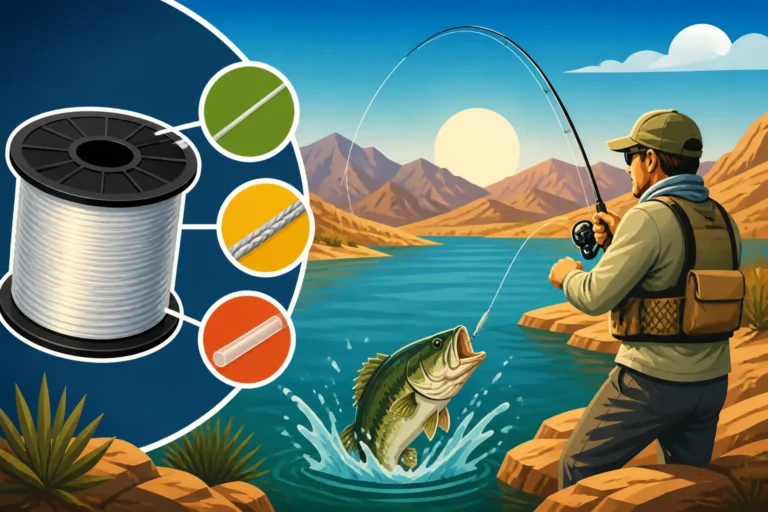
- Smallmouth Finesse & Power: Smallmouth anglers often use a slightly lighter setup, leaning towards medium to medium-heavy power spinning rods with a fast action. This combination offers excellent sensitivity for feeling those subtle bites on finesse presentations and the flexibility to handle the powerful runs and jumps of a bronzeback. Spinning reels excel with lighter lines and baits, allowing for longer, more accurate casts. Consider 6-10 lb fluorocarbon or braided line with a fluorocarbon leader for stealth in clear water. For specific recommendations, our guide on Best Baitcasting Reels for Bass Fishing provides helpful insights, even if you opt for spinning gear, as the principles of quality and smooth drag apply universally.
Lure Selection: What's on the Menu?
Both species eat a variety of prey, but their preferred dining habits influence what lures work best.
- Largemouth's Lush Buffet: Largemouth are opportunistic feeders that love a big, easy meal. Their diet primarily consists of baitfish (shad, bluegill), crawfish, frogs, and even small rodents or birds that fall into the water.
- Go-To Lures: Jigs (especially skirted jigs with craw trailers), Texas-rigged worms and creature baits, spinnerbaits, chatterbaits, topwater frogs, large crankbaits, and swimbaits are all fantastic choices. Colors that mimic bluegill, shad, or crawfish are always good bets. You can find an incredible variety of these bass fishing essentials on Amazon.
- Smallmouth's Rocky Delicacies: Smallmouth have a strong preference for crawfish and baitfish (like gobies, minnows, and shad), but they're often found in areas where these prey items are smaller or require more active hunting.
- Go-To Lures: Tube jigs, Ned rigs, drop shot worms, small grub jigs, hair jigs, small crankbaits, jerkbaits, and blade baits are highly effective. Colors like green pumpkin, brown, watermelon, and silver/shad patterns are often top performers. Don't underestimate the power of a small jig-and-trailer combo or a shaky head worm when they're being finicky. For a detailed list of what these fish crave, check out our guide on Best Lures for Nevada Bass.
Ultimately, whether you're chasing the explosive power of a largemouth from dense cover or the relentless fight of a smallmouth from rocky depths, understanding their individual characteristics and adapting your approach will lead to more successful and satisfying days on the water in Nevada. Remember, a little knowledge goes a long way in turning those "mystery bass" into targeted triumphs!
Disclaimer
This article is for general informational purposes only and does not constitute professional advice. Laws, prices and regulations vary by location and change over time. Consult a qualified professional for guidance on your specific situation.