Striped Bass Feeding Patterns
Striped bass feeding patterns in Nevada reservoirs like Lake Mead and Lake Mohave explained through biology and schooling behaviors.
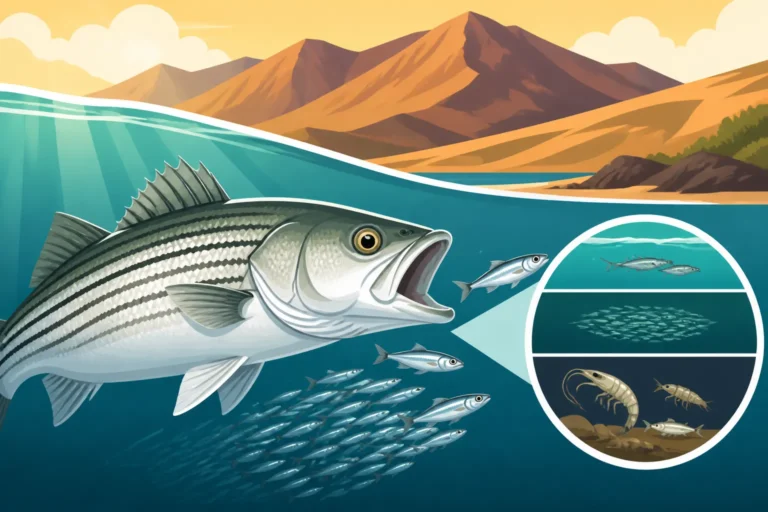
Striped bass feeding patterns in Nevada reservoirs like Lake Mead and Lake Mohave explained through biology and schooling behaviors.

Lake Mead striped bass sizes, typical growth rates, and environmental factors explaining what anglers can expect to catch.
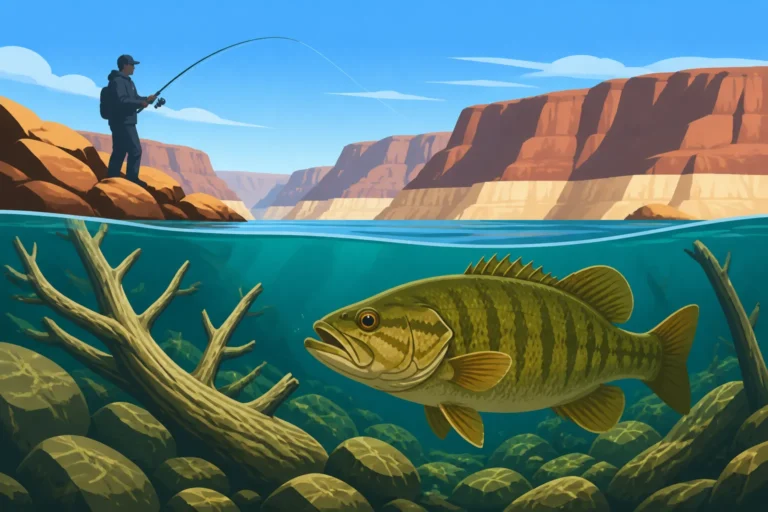
Smallmouth bass habitats at Lake Mead involve rocky banks, water clarity, and fluctuating seasonal water levels that impact local fish.
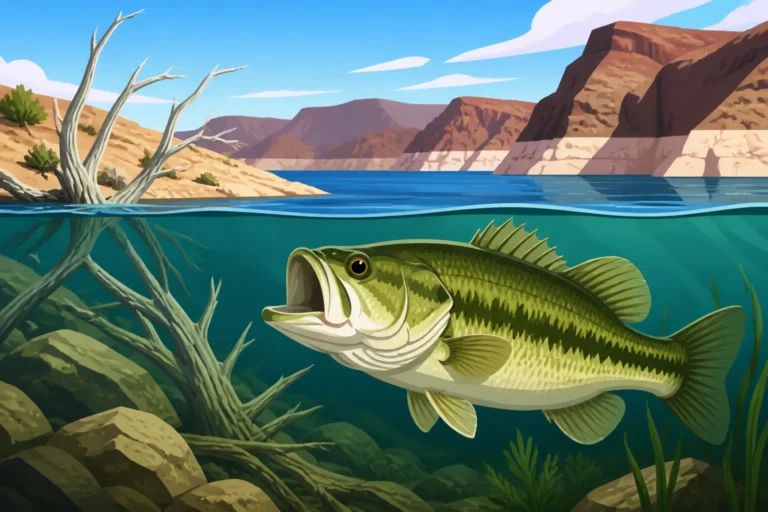
Lake Mead water levels, clarity, and temperature dictate largemouth bass habitat, revealing how fluctuating desert reservoir conditions impact fish locations.
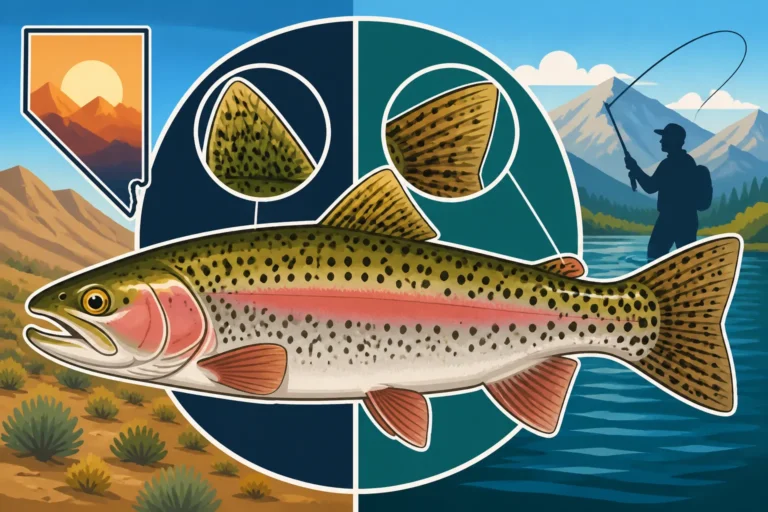
Bowcutt trout hybrid identification helps Nevada anglers recognize crosses to follow fishing regulations and protect native species.
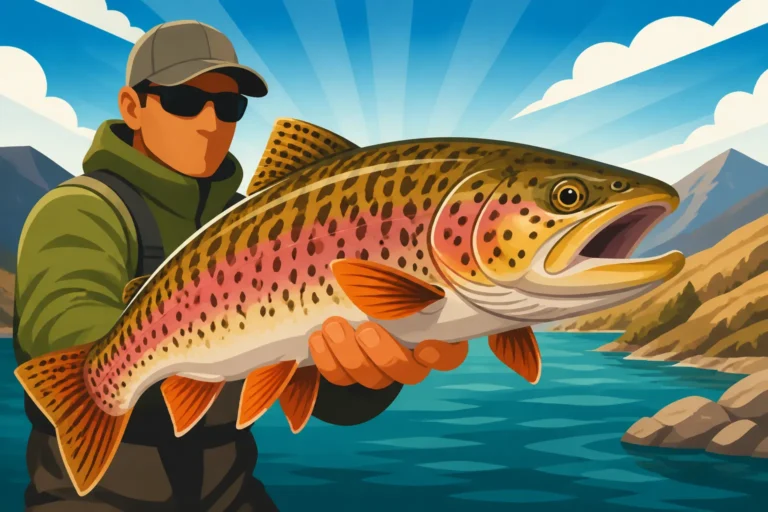
Tiger trout at Wildhorse Reservoir are sterile hybrids of brown and brook trout featuring distinct markings and aggressive feeding habits.
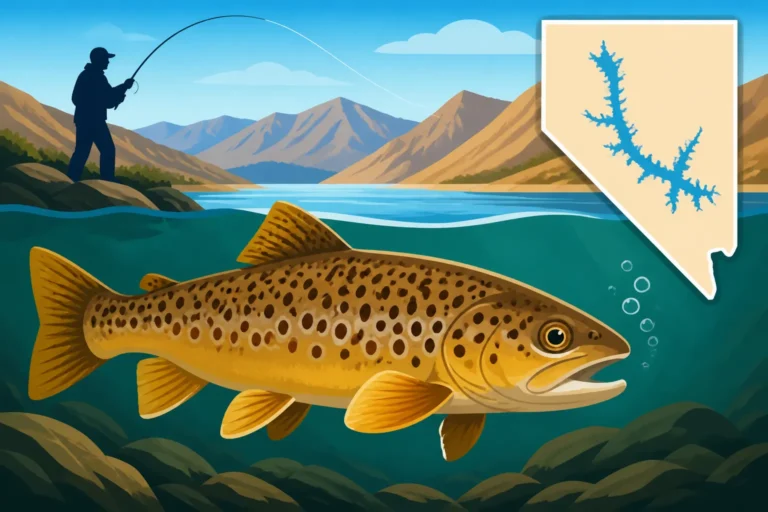
Brown trout populations in Nevada reservoirs provide challenging fishing for anglers who learn their unique high desert habits and seasonal movements.
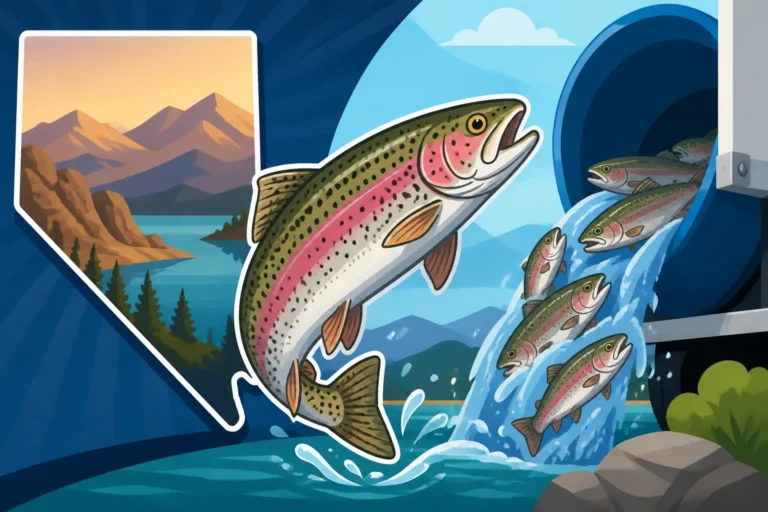
Nevada rainbow trout stocking sizes, ranging from small fingerlings to catchable fish, dictate angler tackle choices and expectations.
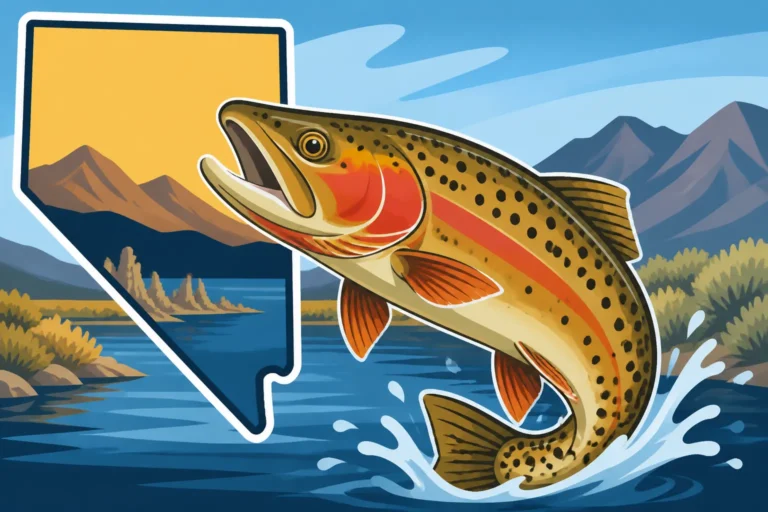
Nevada state records and impressive size milestones for Lahontan cutthroat trout reveal legendary catches at Pyramid Lake.
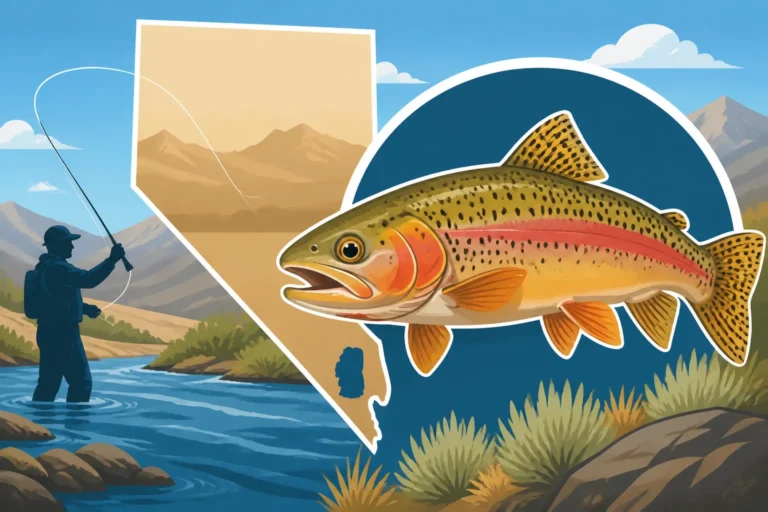
Nevada’s state fish is a protected species that grows very large at Pyramid Lake, so correct identification helps anglers follow rules and release spawners.