Are Lahontan cutthroat trout endangered?
It’s a valid question that many passionate anglers in Nevada ponder: are Lahontan cutthroat trout truly endangered? For those of us who cherish the unique beauty of Nevada’s high desert fisheries, especially the incredible experience of fishing for these magnificent fish, understanding their conservation status is crucial. This guide will dive deep into the journey of the Lahontan cutthroat trout, from their historical abundance to their dramatic decline, the efforts to bring them back, and what their current status means for us as responsible anglers.
The Iconic Lahontan Cutthroat Trout: A Nevada Treasure
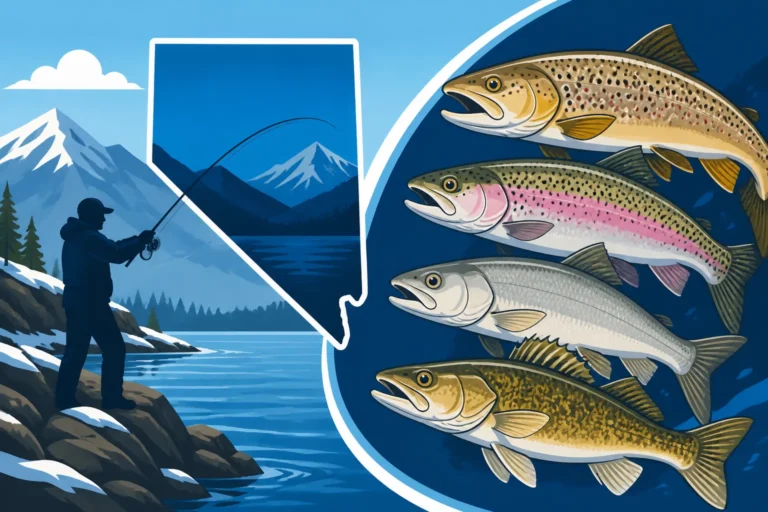
The Lahontan cutthroat trout (LCT) isn't just any fish; it's a living relic, a true icon of the Great Basin. For centuries, these incredible trout thrived in the ancient Lake Lahontan system, which once covered much of what is now Nevada. Imagine a vast inland sea, teeming with these speckled beauties, growing to truly impressive sizes. Early accounts speak of fish weighing dozens of pounds, a testament to the rich, unique ecosystem they inhabited. This fish is inextricably linked to the history and ecology of our state, particularly at places like Pyramid Lake, which remains one of their last strongholds.
What Makes LCT So Special?
These aren't your typical stocked rainbow trout, though those are wonderful in their own right. Lahontan cutthroat trout are a distinct subspecies of cutthroat, known for their large spots, their often vibrant coloration, and, most famously, the reddish "cutthroat" markings under their jaw. But it's more than just their looks. They adapted to incredibly harsh, saline environments, developing resilience that few other trout possess. Their life cycle often involves migrating upstream to spawn, an incredible journey that speaks to their hardy nature. The thought of losing such a unique and historically significant species is a heavy one, which is why the question of their endangered status carries so much weight. You can learn more about their unique traits in Lahontan Cutthroat Trout Identification.
Their Historical Range and Abundance
Before European settlement, Lahontan cutthroat trout were found across a vast expanse of the Great Basin, from the Truckee River, Carson River, and Walker River systems flowing into Pyramid Lake and Walker Lake, all the way to smaller, isolated populations in streams and springs. They were a cornerstone of the ecosystem, providing food for countless wildlife and indigenous peoples. Their sheer numbers and size were legendary. Anglers could often find them in huge schools, making for incredible fishing opportunities. The stories from early settlers and explorers paint a picture of an angler's paradise, a far cry from the more precarious position these fish found themselves in later. This historical context is vital when we talk about their conservation, as it gives us a baseline for what these magnificent fish are truly capable of when their habitat is healthy and abundant.
The Decline: Why LCT Faced Extinction
The vibrant historical picture, unfortunately, began to fade dramatically in the late 19th and early 20th centuries. A combination of factors, driven primarily by human activities, led to a catastrophic decline in Lahontan cutthroat trout populations. It wasn't one single event, but a cascade of impacts that pushed this resilient species to the brink.
Habitat Destruction and Alteration
The most significant blow to the LCT was undoubtedly the widespread alteration and destruction of their habitat. As Nevada grew, so did the demand for water. Dams were built on rivers like the Truckee, Carson, and Walker to divert water for agriculture, mining, and growing communities. While these projects brought vital resources to the burgeoning state, they had devastating consequences for the trout. Dams blocked critical spawning migrations, preventing fish from reaching their ancestral breeding grounds. Water diversions reduced flows, drying up streams and lowering lake levels, shrinking the available habitat. Imagine a fish trying to swim upstream to spawn, only to find a massive concrete wall in its way, or its spawning grounds turned into dry land. It's a truly heartbreaking scenario that played out across the region. This loss of accessible, healthy spawning and rearing habitat was a death knell for many populations.
Overfishing and Introduction of Non-Native Species
Compounding the habitat issues were overfishing and the introduction of non-native fish species. In the early days, with no real understanding of sustainable fisheries management, LCT were caught in massive numbers, often commercially, without thought for future populations. People didn't realize the impact they were having.
But perhaps even more insidious was the introduction of other fish. Rainbow trout, brown trout, and various warm-water species were stocked into LCT waters, sometimes to provide more diverse fishing opportunities, other times simply due to a lack of understanding of the consequences. These introduced species often competed with LCT for food and habitat, preyed on their young, or, in the case of rainbow trout, hybridized with them, diluting their unique genetic purity. This genetic introgression was a massive concern, as it threatened the very identity of the Lahontan cutthroat trout. When a species starts to lose its unique genetic makeup, it faces an existential threat that is incredibly difficult to reverse. These factors together created a perfect storm that drove LCT populations down to dangerously low levels.
The Federal Listing and Its Implications
By the mid-20th century, the situation was dire. Many LCT populations were extirpated (locally extinct), and the remaining few were hanging on by a thread. Recognizing the critical state of the species, the U.S. Fish and Wildlife Service listed the Lahontan cutthroat trout as endangered under the Endangered Species Act (ESA) in 1970. This was a monumental step, providing federal protection and triggering a nationwide effort to recover the species.
Initially, being listed as "endangered" meant strict protections, including prohibitions on harming the fish or its habitat, and mandates for recovery plans. While vital, this designation also created some challenges, occasionally leading to complex bureaucratic hurdles for projects near LCT habitats. The goal was to bring them back from the brink, and the ESA provided the legal framework to begin that arduous journey. This listing wasn't just a label; it was a desperate plea for survival for a species that was disappearing before our eyes.
Conservation Efforts and Current Status
The designation of "endangered" sparked decades of intensive conservation work. Scientists, government agencies, tribal nations, and passionate volunteers have poured immense resources into restoring Lahontan cutthroat trout populations. It's a testament to human determination when we truly set our minds to righting past wrongs.
Recovery Plans and Reclassification
Following the endangered listing, comprehensive recovery plans were developed. These plans focused on restoring habitat, removing non-native species, reintroducing LCT into historic waters, and establishing captive breeding programs to safeguard genetic diversity. A huge part of this involved improving water quality and ensuring adequate flows in critical rivers and streams. In some cases, fish screens were installed on water diversions to prevent trout from being sucked into irrigation canals, a simple yet effective measure.
Thanks to these persistent efforts, some populations began to rebound. By 1975, due to these successful recovery efforts, the status of some Lahontan cutthroat trout populations was reclassified from "endangered" to threatened.
So, to directly answer the burning question: Are Lahontan cutthroat trout endangered? Currently, most Lahontan cutthroat trout populations are listed as "threatened" by the federal government. This means they are no longer considered in immediate danger of extinction throughout all or a significant portion of their range, but they are still vulnerable and likely to become endangered in the foreseeable future if conservation measures are relaxed. It's a significant improvement, but it doesn't mean the work is done. It's a delicate balance, and constant vigilance is required.
Key Conservation Success Stories
One of the greatest success stories revolves around Pyramid Lake, home to the largest and most robust population of Lahontan cutthroat trout. The Pyramid Lake Paiute Tribe, who hold sovereign rights over the lake, have been at the forefront of conservation. They established a hatchery program that has been instrumental in restocking the lake with pure-strain LCT, helping to bring back the "giant" cutthroat that once roamed these waters. Their management practices, including specific angling regulations and habitat restoration in the Truckee River, have been critical. Anglers visiting Pyramid Lake understand this commitment, which is why a special Pyramid Lake Tribal Fishing Permit is required, separate from the Nevada Fishing License Guide.
Other successes include the restoration of populations in various streams and reservoirs across Nevada, such as the restoration work in the Humboldt River basin, where efforts have focused on habitat improvement and reintroductions. These ongoing projects showcase how dedicated conservation can genuinely bring a species back from the brink, providing hope for even more widespread recovery.
Challenges and Ongoing Efforts
Despite these successes, challenges remain. Drought, climate change, and continued habitat fragmentation are constant threats. Invasive species, like the cui-ui fish's struggles, also continue to impact native ecosystems. Maintaining genetic purity in reintroduced populations is an ongoing scientific endeavor. Funds are always needed for research, habitat work, and enforcement. Many organizations and government agencies continue their efforts, often seeking public support through grants, donations, or even sales of fishing gear where a portion of proceeds might go to conservation, often found on platforms like Amazon. It's a long game, and there's no room for complacency.
Here's a quick look at the federal conservation status:
| Status Category | Definition | Implications for LCT |
|---|---|---|
| Endangered | In danger of extinction throughout all or a significant portion of its range. | The initial classification for LCT in 1970, indicating immediate threat. |
| Threatened | Likely to become endangered in the foreseeable future throughout all or a significant portion of its range. | Current classification for most LCT populations due to successful recovery efforts. Still requires strong protection. |
| Recovered | No longer meets the definition of endangered or threatened. | The ultimate goal for LCT, which some populations are moving towards but not yet achieved fully. |
How Anglers Can Be Part of the Solution
As anglers, we have a vital role to play in the continued recovery and protection of Lahontan cutthroat trout. Our actions on and off the water directly impact these magnificent fish. It's not just about what permits we buy; it's about our overall ethic and approach to fishing.
Adhering to Regulations and Best Practices
First and foremost, always, always adhere to fishing regulations. These aren't arbitrary rules; they are carefully crafted by wildlife biologists to protect fish populations and ensure sustainable angling for future generations. This includes respecting Nevada statewide bag limits explained, size limits, and seasonal closures. For LCT, this is especially critical, as even small changes in catch rates can impact a vulnerable population.
When you're fishing for LCT, especially at places like Pyramid Lake, understanding the specific rules is paramount. For example, Pyramid Lake Season and Bag Limit Rules are designed to protect the spawners. Using barbless hooks is often required or strongly encouraged because it significantly reduces harm to fish during catch and release. Many responsible anglers choose to use barbless hooks for all their fishing, making it easier to release fish unharmed. If you need new hooks, you can easily find a wide selection of barbless options on Amazon.
Catch and Release Techniques
Many LCT fisheries, particularly for larger, trophy-sized fish, emphasize or even require catch and release. This practice is absolutely essential for the survival of the species. Knowing how to properly handle a fish you intend to release can make all the difference. Always try to minimize the time the fish is out of the water. Handle it gently with wet hands, supporting its body. Avoid touching its gills or eyes. If you can, use a knotless, rubberized net to land the fish, as traditional nylon nets can strip away their protective slime coat.
For detailed guidance, check out How to Handle and Release Lahontan Cutthroat Trout. Understanding Why catch and release is required at Pyramid Lake helps solidify the importance of these practices. It’s about ensuring that the fish you release has the best possible chance of survival and goes on to spawn, contributing to the next generation of these incredible trout.
Supporting Conservation Efforts
Beyond individual angling practices, there are broader ways to contribute. Support organizations dedicated to LCT conservation, whether through donations, volunteering, or simply spreading awareness. Education is powerful. Teach others, especially younger anglers, about the importance of protecting these unique fish and their habitats.
Consider purchasing fishing licenses and permits, like the Nevada Annual Fishing License Renewal or specialized permits, which often direct funds directly back into fisheries management and conservation programs. Every dollar spent on a legitimate license or permit helps fund the efforts that keep these fish swimming. Even buying specific books on Nevada fishing conservation from Amazon can indirectly support the authors and publishers who highlight these crucial issues.
By staying informed, fishing responsibly, and advocating for the health of our waters, we can all play a part in ensuring that the Lahontan cutthroat trout not only survive but truly thrive for generations to come.
Disclaimer
This article is for general informational purposes only and does not constitute professional advice. Laws, prices and regulations vary by location and change over time. Consult a qualified professional for guidance on your specific situation.