Where to catch a tiger trout in Nevada
It's a common frustration when you hear whispers about a unique, beautiful fish like the tiger trout, but then struggle to pinpoint exactly where in the vast Nevada landscape you might actually encounter one. Anglers dream of those distinctive stripes and the powerful fight, but knowing where to cast your line for such a specific, and often elusive, species can feel like searching for a needle in a desert haystack. This comprehensive guide is designed to cut through that confusion, giving you the inside scoop on the best places and methods to find tiger trout in the Silver State, helping you turn those whispers into a memorable catch.
The Elusive Appeal of the Tiger Trout
Before we dive into the "where," let's spend a moment appreciating why the tiger trout captures the imagination of so many anglers. These aren't your everyday rainbow or even your native Lahontan cutthroat. They possess a certain mystique, born from their unique biology and stunning appearance, making them a true trophy for those dedicated enough to pursue them.
A Hybrid Marvel: What Exactly is a Tiger Trout?
A tiger trout is, quite literally, a marvel of nature's subtle artistry, though in this case, often a marvel of human intervention! It's a sterile, intergeneric hybrid, meaning it's a cross between two different genera: a female brown trout (Salmo trutta) and a male brook trout (Salvelinus fontinalis). This genetic blending results in a fish that often displays the best characteristics of both parents – the aggressive nature of the brown trout combined with the vibrant coloring of the brook trout.
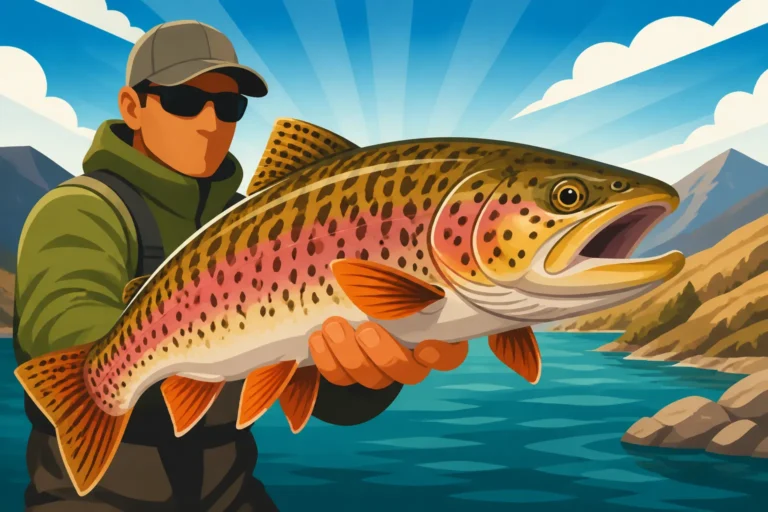
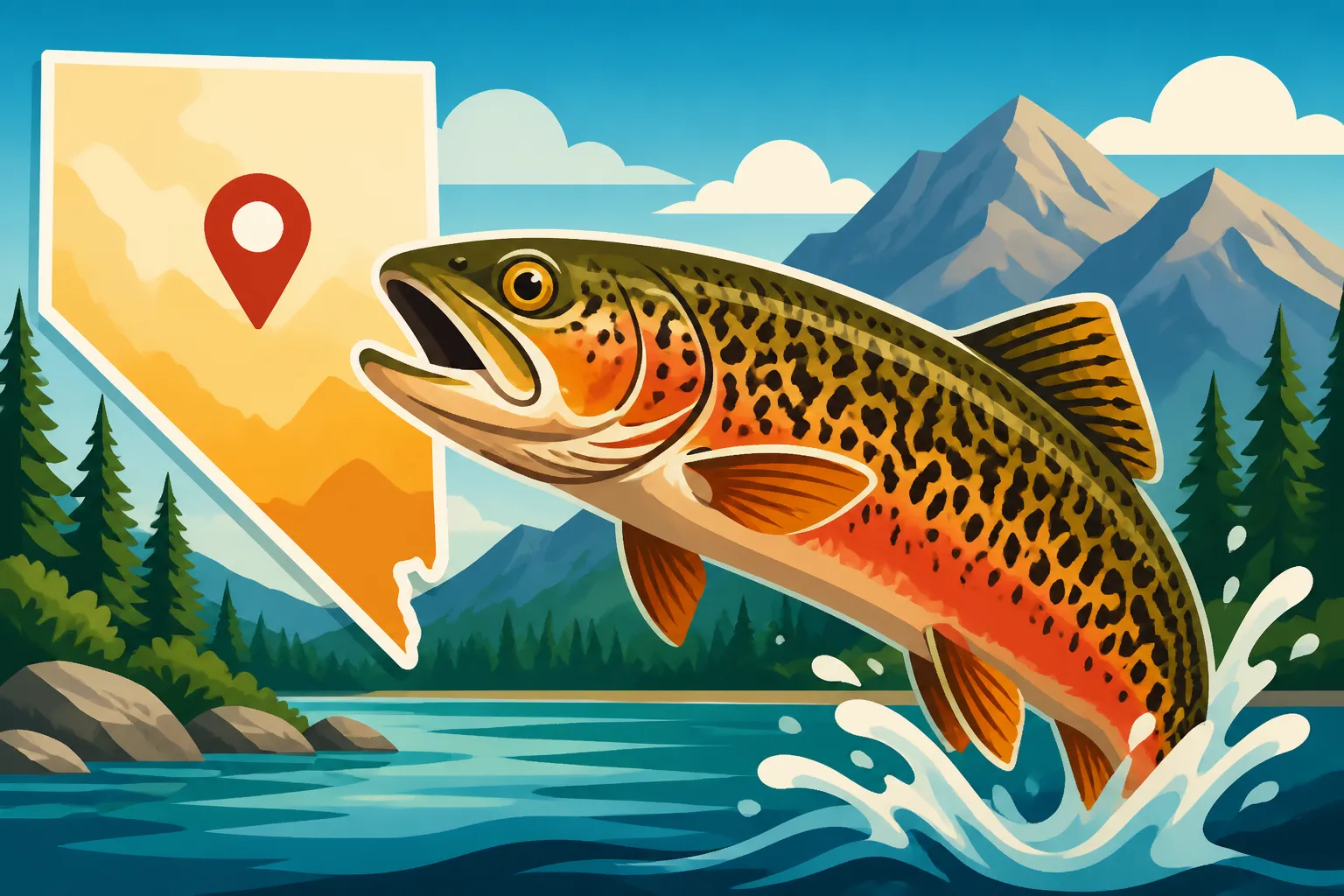
What truly sets them apart visually are those breathtaking vermiculations. Unlike the distinct spots of most trout, tiger trout exhibit an intricate, maze-like pattern of dark wavy lines against a lighter, often greenish-yellow or olive background. These patterns resemble the stripes of a tiger, hence their fitting name. Because they are sterile, tiger trout dedicate all their energy to growth rather than reproduction, which means they can grow quite large and put up an incredible fight on the line. They're not naturally occurring in the wild; rather, they are typically produced in hatcheries and then stocked into specific waters, which makes finding them a direct result of knowing where these stocking efforts have been focused.
Why Nevada is a Hotspot for These Striped Beauties
While tiger trout aren't native to Nevada, the Nevada Department of Wildlife (NDOW) has recognized their value as a unique sport fish and a potent tool for fisheries management. The decision to stock tiger trout in certain Nevada waters is often strategic. Because they are sterile, they won't reproduce and impact native fish populations, yet they grow quickly and aggressively, providing an excellent angling opportunity. This makes them ideal for waters where NDOW wants to enhance fishing without introducing a self-sustaining, non-native species that could outcompete or hybridize with existing fish.
Nevada's diverse aquatic environments, from large reservoirs to high-elevation lakes, offer a range of habitats that can support these hardy hybrids. The cooler, well-oxygenated waters found in many of the state's trout fisheries are perfectly suited for their growth and survival. NDOW's stocking programs ensure that anglers have a chance to pursue these fascinating fish, though they are often concentrated in specific, well-managed locations. These stocking efforts transform certain lakes and reservoirs into true "hotspots" where the chances of encountering a tiger trout are significantly higher than anywhere else in the state. If you're serious about targeting these unique fish, keeping an eye on the Nevada Trout Stocking Schedule is paramount.
Key Nevada Waters Where Tiger Trout Thrive
When it comes to tiger trout in Nevada, one name consistently rises to the top: Wildhorse Reservoir. While other locations might occasionally hold a few, or see experimental stockings, Wildhorse is truly the undisputed champion for these striped beauties.
Wildhorse Reservoir: The Premier Destination
If you're asking "Where to catch a tiger trout in Nevada?" the answer, for most anglers, begins and ends with Wildhorse Reservoir. Located in northeastern Nevada, roughly 65 miles north of Elko, this large, high-elevation reservoir is practically synonymous with tiger trout fishing in the state. NDOW has consistently stocked Wildhorse with tiger trout, making it the most reliable spot to target them.
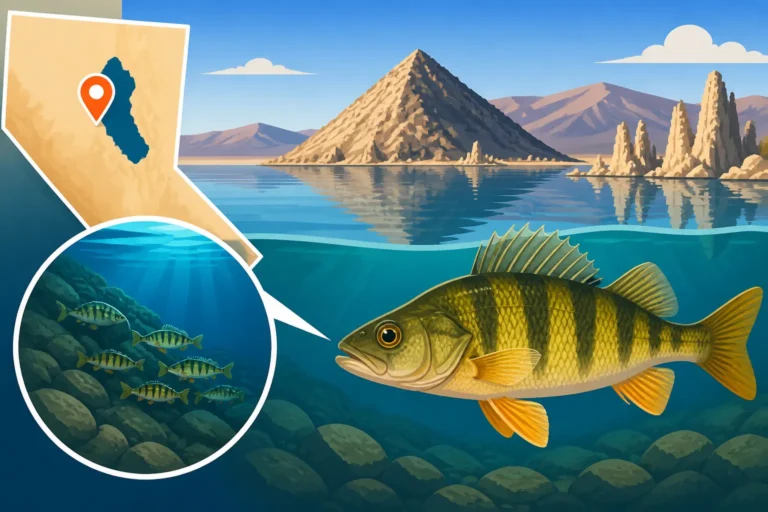
Wildhorse Reservoir offers an expansive fishery, covering thousands of surface acres at an elevation that keeps the water cool enough for trout, even during the warmer months. It's not just tiger trout here; the reservoir is also home to rainbow trout, brown trout, and yellow perch, providing a diverse angling experience. The tiger trout thrive in this environment, preying on the abundant baitfish, particularly the yellow perch, which contributes to their impressive growth rates. Anglers frequently report catching tiger trout here ranging from respectable pan-sized fish to true trophy specimens, often exceeding several pounds.
Fishing Wildhorse can be done effectively from both shore and boat. The reservoir features various access points, including a popular boat ramp and camping facilities, making it a great destination for a multi-day trip. Shore anglers often target rocky points, drop-offs, and areas near submerged structures. For boat anglers, trolling can be highly productive, especially when covering larger areas and searching for schools of baitfish that the tiger trout will follow. Many resources, including our detailed Wildhorse Reservoir Nevada Fishing Guide, can help you plan your visit and maximize your chances of success.
Other Potential High-Elevation Opportunities
While Wildhorse Reservoir is undoubtedly the king of tiger trout fishing in Nevada, it's worth noting that NDOW sometimes conducts experimental or limited stockings in other high-elevation lakes or reservoirs across the state. These occurrences are much rarer and less consistent than at Wildhorse, but they do happen. Generally, these alternative spots share characteristics with Wildhorse: they are typically cooler, often deeper bodies of water with good forage bases and suitable trout habitat.
Examples might include certain alpine lakes in the Ruby Mountains or other state parks with suitable conditions. However, relying on these locations for a guaranteed tiger trout catch is a gamble. NDOW's stocking priorities can shift, and the success rates of these smaller, less consistent programs can vary significantly. Therefore, it's absolutely crucial to consult the most recent Nevada Trout Stocking Schedule published by NDOW before planning a trip to any location other than Wildhorse specifically for tiger trout. This will give you the most up-to-date information on where these unique fish have been introduced. Without a confirmed stocking, your chances of finding a tiger trout elsewhere are slim, making a trip to Wildhorse your best bet by far.
Mastering the Art of Catching Tiger Trout
Catching tiger trout requires a combination of the right gear and smart techniques. These hybrids are known for their aggressive strikes and powerful fights, so being prepared is key to landing one of these striped beauties.
Selecting the Right Gear for the Challenge
When targeting tiger trout, you'll want gear that can handle a strong, fast-moving fish. A medium-light to medium action spinning rod, typically in the 6 to 7-foot range, is an excellent all-around choice. This provides enough backbone to cast lures effectively and battle larger fish, while still offering the sensitivity to feel subtle bites. Pair this with a reliable spinning reel in the 2000 or 2500 size, spooled with 6 to 8-pound test monofilament or fluorocarbon line. Monofilament offers good shock absorption and stretch, which can be forgiving during intense runs, while fluorocarbon is nearly invisible underwater and very abrasion resistant. For those wanting a wide selection of proven gear, including rod and reel combos specifically designed for trout fishing, checking out options on Amazon can be incredibly helpful for comparing brands and features.
If you're primarily fly fishing, a 5 or 6-weight fly rod with a matching reel and a weight-forward floating line will serve you well. For leaders, a 9-foot tapered leader ending in 4x or 5x tippet is a good starting point. Remember that Nevada fishing regulations can vary by specific water, so always double-check the current Nevada Fishing Regulations Explained before you head out, especially concerning things like barbless hooks or specific tackle restrictions. Investing in quality gear for a day on the water can make all the difference, and a quick search on Amazon for "Nevada fishing gear essentials" will show you a wealth of options.
Proven Lures and Baits for Aggressive Biters
Tiger trout are opportunistic and aggressive feeders, making them susceptible to a variety of lures and baits. Given their predatory nature and often larger size, they respond very well to presentations that mimic baitfish or trigger an aggressive strike.
For artificial lures, spinners like Mepps Aglias or Panther Martins in sizes #2 to #4 are consistently effective. Colors like silver, gold, and brass, especially with orange or yellow accents, tend to work wonders. Spoons, such as Kastmasters or Little Cleos, in similar metallic colors, are also highly productive, particularly when cast out and retrieved with a varied stop-and-go action that imitates a wounded fish. Small crankbaits or jerkbaits that dive a few feet can also entice strikes, especially those with natural baitfish patterns. Don't forget to check out the selection of these lures on Amazon, where you can often find multi-packs or specific colors that might be harder to locate locally.
When it comes to natural baits, traditional offerings work well. PowerBait, especially in bright colors like chartreuse, orange, or rainbow, fished off the bottom with a sliding sinker rig, is a classic trout catcher. Worms, whether nightcrawlers or smaller garden worms, fished under a bobber or on a simple bait rig, are always a solid choice. Shiners or anchovies, if permitted by regulations, can also be deadly, especially for larger tiger trout, as they are a direct imitation of a meal. Ensure you check Nevada Barbless Hook and Bait Rules for the specific water you are fishing, as regulations on live bait can vary.
Strategic Approaches: From Shore to Boat to Ice
How you approach fishing for tiger trout will largely depend on your access and the season. Each method has its advantages, and understanding them can significantly boost your success rate.
Shore Fishing: This is often the most accessible way to fish, especially at Wildhorse Reservoir. Focus your efforts around points, submerged structures, or areas where the bank drops off quickly into deeper water. Tiger trout, like other trout species, will patrol these areas looking for food. Casting spinners or spoons and retrieving them at varying depths and speeds is a great technique. If using bait, a bottom rig with PowerBait or a worm can be incredibly effective, especially if you cast it out and let it soak for a while. Remember to move along the shoreline if you're not getting bites; sometimes a slight change in location is all it takes to find active fish.
Boat Fishing: Having a boat opens up vast possibilities, allowing you to access areas unreachable from shore and cover much more water. Trolling is a hugely popular and effective method for tiger trout, especially at Wildhorse. Using small spoons, spinners, or even shallow-diving crankbaits trolled at slow speeds (1.5 to 2.5 mph) at varying depths can be very productive. Downriggers or lead core line can help you get your lures down to where the fish are holding, particularly during the warmer months when trout move deeper. Drifting with bait, especially nightcrawlers or small minnows, can also be a killer technique when you've located a school of fish.
Ice Fishing: During the winter months, when Nevada's high-elevation lakes like Wildhorse freeze over, ice fishing becomes a viable and often very rewarding option for tiger trout. You'll need appropriate Ice Fishing Gear for Nevada Lakes including an auger to drill holes and a jigging rod or tip-ups. Small jigging spoons, ice flies, or even tiny jigs tipped with a mealworm or PowerBait are excellent choices. Watch your fish finder closely to locate schools of fish and adjust your depth accordingly. Safety is paramount when ice fishing; always check ice thickness and conditions before venturing out.
Regardless of your chosen method, persistence and adaptability are key. Tiger trout are aggressive, but they can also be finicky. Don't be afraid to experiment with different lures, baits, colors, and retrieve speeds until you find what they're hitting on that particular day.
Navigating Seasons and Conditions for Optimal Success
Knowing where to find tiger trout is only half the battle; understanding when to fish for them and how environmental conditions influence their behavior can dramatically improve your chances of a successful outing. Like all trout, tiger trout are highly sensitive to changes in their environment.
Best Seasons and Times: When to Plan Your Trip
Tiger trout, like their brown and brook trout ancestors, generally prefer cooler water temperatures. This means that certain seasons and times of day offer a better window of opportunity for catching them in Nevada.
Spring and Fall: These are arguably the prime seasons for tiger trout fishing in Nevada. In the spring, as ice melts and water temperatures begin to rise from their winter lows, tiger trout become incredibly active, feeding aggressively after a period of slower metabolism. NDOW often conducts trout stockings in the spring, so newly introduced fish are often easier to catch as they adjust to their new environment and feed voraciously. Similarly, in the fall, as summer heat dissipates and water temperatures cool down, tiger trout experience another burst of activity. They are feeding heavily in preparation for winter, making them highly receptive to lures and baits. The cooler air temperatures also make for a much more comfortable fishing experience for anglers. You can dive deeper into these seasonal patterns by checking out our Nevada Fishing Seasons by Month guide.
Summer: While tiger trout can still be caught in the summer, it typically requires more effort and strategic thinking. During the hottest parts of the Nevada summer, trout will retreat to deeper, cooler, more oxygenated waters. This means early mornings and late evenings, or even night fishing if permitted, become the most productive times. Targeting deep water using trolling methods or heavily weighted baits and jigs will be your best bet. Avoid the midday heat when the fish are usually lethargic and hunkered down.
Winter: As mentioned with ice fishing, winter can also be a productive season, particularly through the ice on lakes like Wildhorse. Once the ice cover is stable, the fish tend to concentrate in certain areas, and with the right techniques, you can enjoy some fantastic winter angling. Keep an eye on the weather; extreme cold snaps can make fish less active, while more moderate winter days can see good feeding windows.
Understanding Water Dynamics and Weather Impacts
Fish are highly attuned to their environment, and tiger trout are no exception. Paying attention to water dynamics and weather patterns can give you a significant advantage.
Water Temperature: This is perhaps the most critical factor for trout. Tiger trout thrive in water temperatures generally between 45-65°F (7-18°C). When temperatures stray too far outside this range, their activity levels decrease dramatically. In summer, as surface temperatures climb, they'll seek out thermal refuges in deeper water, near springs, or in shaded areas. In winter, they'll remain active but might be slower, requiring a more subtle presentation. Knowing how to read a thermometer or having a fish finder with a temperature sensor can be invaluable.
Water Clarity: Clear water is common in many Nevada trout fisheries, especially in high-elevation reservoirs. In clear water, fish are more wary, so using lighter line, smaller baits, and more natural lure colors can be effective. If the water is stained or murky (perhaps after heavy rains or snowmelt), fish rely more on scent and vibration. This is when larger, more brightly colored lures or scented baits can shine, as they provide a stronger visual and olfactory presence.
Weather Fronts: Like many predatory fish, tiger trout can be influenced by approaching or passing weather fronts. Often, fishing can be excellent just before a cold front moves in, as fish go on a feeding binge in anticipation of a drop in barometric pressure and less favorable conditions. After a cold front, however, fishing can become much tougher. The fish may become sluggish and less willing to bite. During these tough times, slowing down your presentation, using smaller baits, and focusing on deeper holding areas can sometimes coax a strike. Consistent, stable weather, especially during spring and fall, generally provides the most reliable fishing.
Taking all these factors into account – the right location, appropriate gear, effective techniques, and an understanding of seasonal and environmental influences – will put you in the best possible position to land one of Nevada's truly unique and striking tiger trout.
| Location | Primary Access | Typical Size Range (lbs) | Best Season | Key Characteristics |
|---|---|---|---|---|
| Wildhorse Reservoir | Shore, Boat | 1-5+, Trophy Potential | Spring, Fall, Ice | Consistently stocked, abundant forage (perch), diverse habitat |
| Other High-Elevation Lakes (Rare) | Limited Shore, Hike-in | Variable, generally smaller | Spring, Early Summer, Fall | Sporadic stocking, small populations, check NDOW reports |
Disclaimer
This article is for general informational purposes only and does not constitute professional advice. Laws, prices and regulations vary by location and change over time. Consult a qualified professional for guidance on your specific situation.