What a Sacramento perch is
Have you ever been flipping through a Nevada fishing guide or chatting with a local angler and heard whispers of the "Sacramento perch," only to scratch your head and wonder what on earth they were talking about? It’s a common experience! This isn't your average panfish, and its story in the Silver State is as unique as the fish itself. If you're looking to understand this enigmatic native, why it’s so special, and where you might encounter one, you've come to the right place.
The Unique Identity of the Sacramento Perch
The Sacramento perch (scientific name: Archoplites interruptus) isn't just another fish; it's a living piece of Nevada's natural history. Unlike many of the more common sunfish and bass species that are often introduced, this particular perch holds a truly special, often overlooked, status as the only native sunfish species west of the Rocky Mountains. That alone makes it a remarkable creature.
A Native Nevada Gem
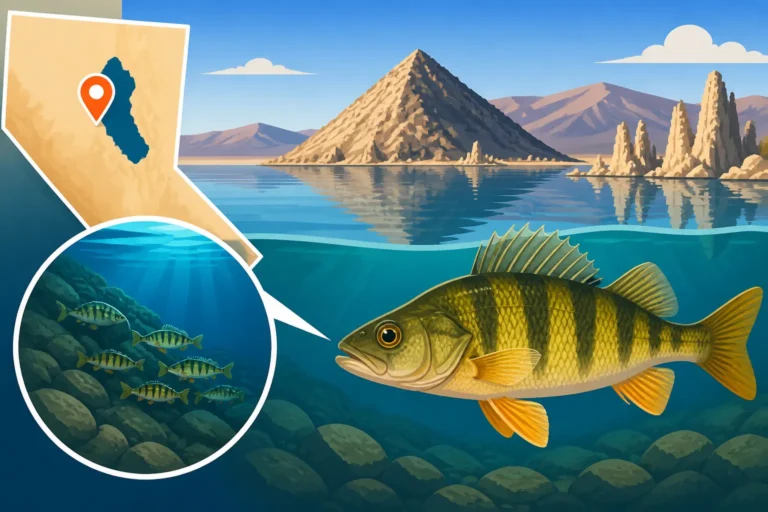
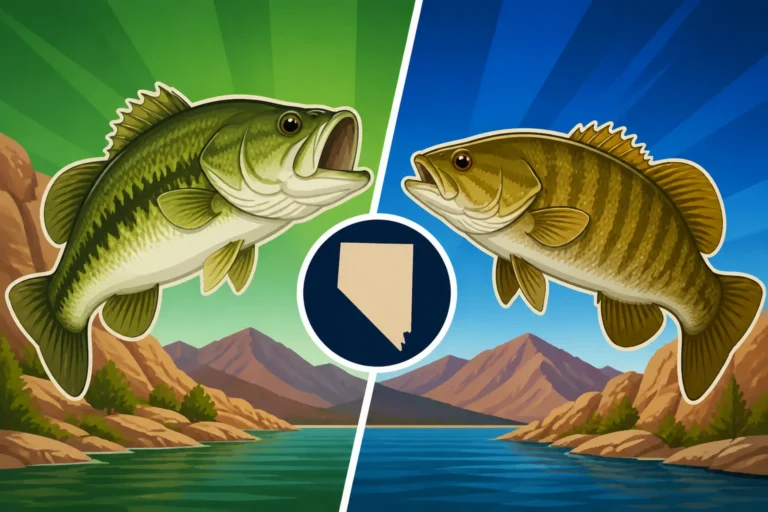
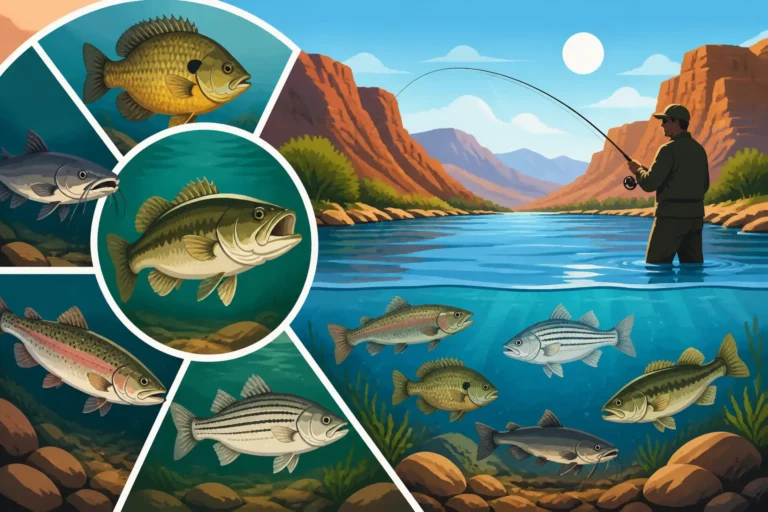
Imagine a time before extensive dams and diversions, when rivers like the Truckee, Carson, and Walker flowed freely into vast terminal lakes. This was the original domain of the Sacramento perch, an adaptable fish perfectly suited to the conditions of the arid West. They evolved in these unique environments, developing resilience to fluctuating water levels and varying temperatures. However, with the introduction of numerous non-native species – everything from largemouth bass to various panfish – their populations dwindled dramatically due to competition and predation. Today, their primary stronghold is a testament to their perseverance: the iconic Pyramid Lake. This makes every Sacramento perch you might encounter in Nevada not just a fish, but a rare glimpse into the state's pristine aquatic past. It’s a species that truly belongs here, a part of the landscape that deserves our respect and attention.
Physical Characteristics and Identification
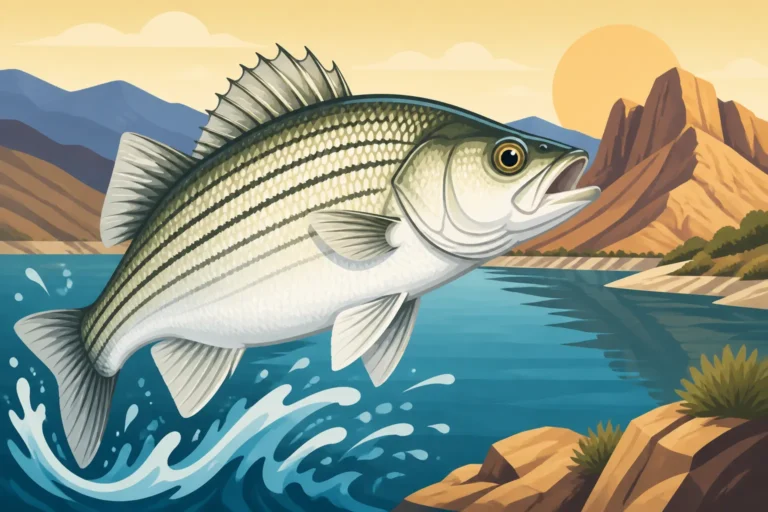
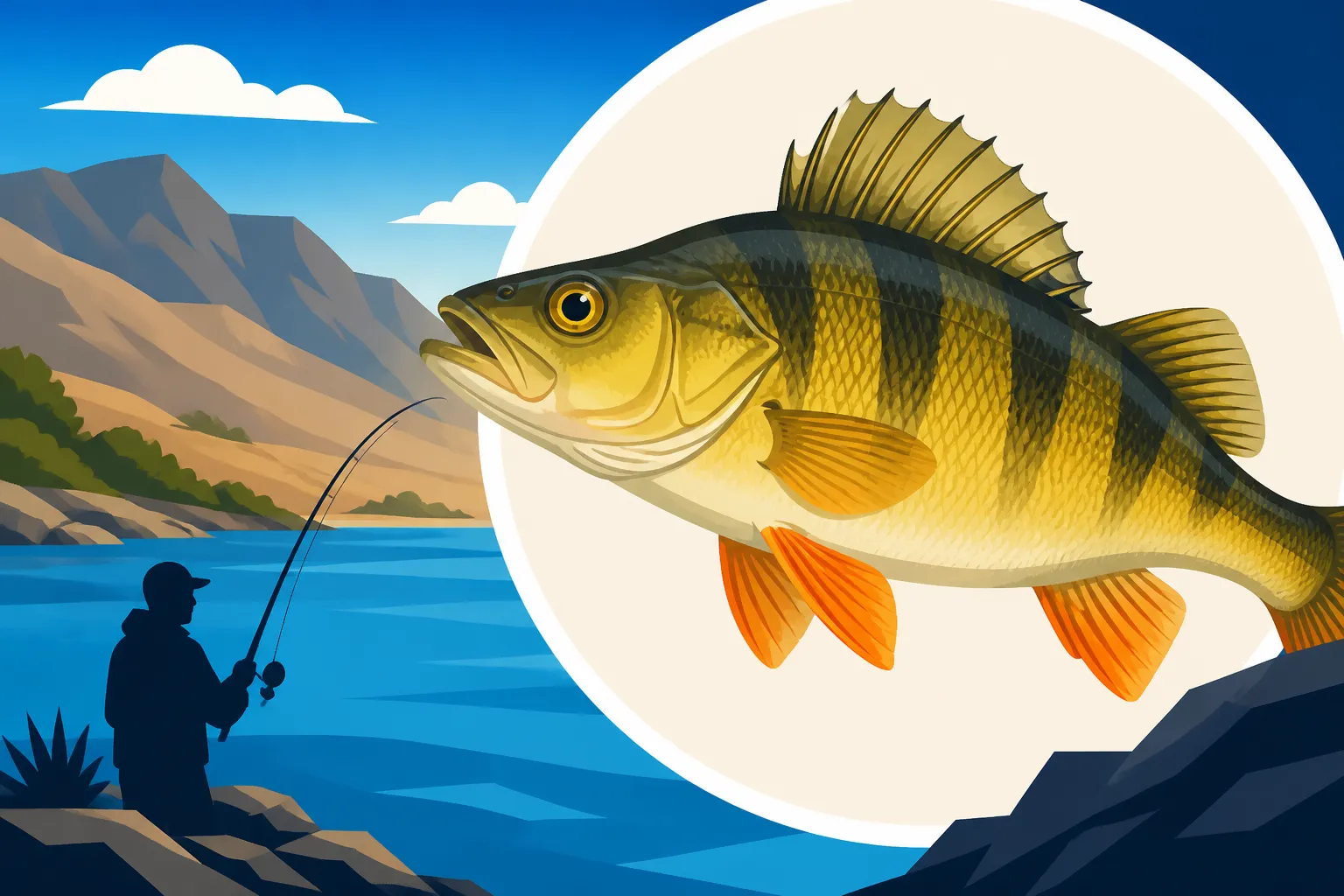
When you picture a "perch," you might think of the yellow perch common in other parts of the country. Ditch that image! The Sacramento perch has its own distinct look. They are generally deeper-bodied than most true perches, more resembling a sunfish or crappie, but with a unique, somewhat flattened profile. Their coloration can vary, often a dusky olive-green to bronze on the back, fading to lighter sides and a whitish belly. What truly sets them apart are the distinct, irregular dark spots and blotches that create a broken, horizontal stripe pattern along their sides – hence the "interruptus" in their scientific name.
As for size, while Sacramento perch can grow larger in ideal conditions, they typically range from 6 to 12 inches, with larger individuals occasionally pushing towards 2-3 pounds. They have a fairly large mouth, an indication of their predatory nature. Distinguishing them from other sunfish can be tricky for the untrained eye, but paying attention to those broken, blotchy patterns is key. Their dorsal fin, like other sunfish, is spiny in the front and soft-rayed in the back, often appearing somewhat spiky. Understanding these features is crucial, especially if you're trying to identify a catch, as certain regulations might apply.
Habitat and Preferred Waters
Sacramento perch are remarkably adaptable, but they tend to thrive in warm, often turbid waters with ample vegetation and structure. They are quite tolerant of saline or alkaline conditions, which explains their survival in places like Pyramid Lake. Historically, they would have been found in the slow-moving backwaters, sloughs, and shallow lakes of the Lahontan basin. These areas provided cover from predators and abundant insect and smaller fish forage.
At Pyramid Lake, their preferred habitat usually involves the shallower, warmer coves and bays, often associated with tufa formations or submerged vegetation if present. They aren't typically found in the deeper, colder waters that the Lahontan cutthroat trout often prefer. Knowing their habitat preferences is half the battle when trying to locate them. They tend to stick to areas where they can ambush prey and find refuge, making structure, drop-offs, and weed lines prime targets. When the sun warms the shallower waters, these areas become particularly attractive for Sacramento perch seeking food and comfort.
Why Sacramento Perch are So Distinctive (and Challenging) for Anglers
Angling for Sacramento perch isn't like casting for bluegill in a pond. Their unique history and biology make them a fascinating, albeit sometimes challenging, target. Their survival against the odds has molded them into a resilient species.
Behavior and Feeding Habits
Sacramento perch are opportunistic feeders. They are primarily insectivores when young, munching on aquatic insects, larvae, and small crustaceans. As they grow, their diet shifts to include smaller fish, making them effective predators within their ecosystem. They're not generally sight-feeders in the way a trout might be; instead, they often rely on vibrations and movement, especially in less clear water. They tend to be more active during dawn and dusk, or during periods of overcast weather, often retreating to deeper or more structured areas during the brightest parts of the day.
Unlike some other sunfish, they aren't always found in dense, aggressive schools, though you might find several congregated in a prime feeding spot. Their behavior is often a reflection of their environment and the constant pressure they've faced from introduced species. They are survivors, and that survival instinct dictates much of their feeding and movement. Understanding these subtle behavioral cues can be key to unlocking their patterns and, ultimately, getting them to bite.
Fishing Techniques and Tackle Considerations
Given their predatory nature and preferred habitat, a finesse approach often works best for Sacramento perch. You'll want to think light tackle, similar to what you might use for crappie or larger bluegill.
Here’s a breakdown of effective strategies and gear:
- Rods and Reels: A light to ultralight spinning rod (5-6 feet) paired with a small spinning reel spooled with 4-6 pound test monofilament or fluorocarbon line is ideal. You want enough sensitivity to feel subtle bites but also enough backbone to handle a spirited fight. For a good selection, many anglers start their search on Amazon for reliable light tackle setups.
- Baits: Live bait can be highly effective. Small minnows, crickets, grasshoppers, and worms are all great choices. Remember, general regulations might have rules on what kind of bait you can use, so always check the local rules for Nevada Fishing Regulations Explained.
- Lures: Small jigs (1/32 to 1/16 ounce) tipped with a piece of worm or a small soft plastic grub are fantastic. Colors like chartreuse, white, and black often perform well. Small spinners and spoons, particularly those mimicking minnows or insects, can also draw strikes. Again, a quick browse on Amazon can reveal an impressive array of micro-jigs and small crankbaits perfect for perch.
- Presentation: Since they often relate to structure and cover, casting near tufa rock formations, submerged logs, or weed edges is critical. A slow, steady retrieve with occasional pauses is usually more effective than a fast, erratic one. Consider using a bobber rig to suspend your bait or jig just above the structure where perch might be lurking. This technique is often helpful when trying to present an offering without snagging too often.
- Timing: As mentioned, dawn, dusk, and overcast days can be prime times. Look for areas where the water is a bit warmer in the spring and fall.
| Tackle Type | Recommended Use | Notes |
|---|---|---|
| Rod | Ultralight to Light Spinning (5-6 ft) | Excellent sensitivity for subtle bites, manageable for smaller fish |
| Reel | Small Spinning Reel (500-1000 size) | Balances well with light rods, holds sufficient light line |
| Line | 4-6 lb Monofilament or Fluorocarbon | Good for sensitivity and low visibility |
| Baits | Small Minnows, Crickets, Worms, Grasshoppers | Live bait often highly effective, check local bait regulations |
| Lures | 1/32 – 1/16 oz Jigs (w/grubs), Small Spinners, Spoons | Mimics insects and small baitfish, retrieve slowly |
| Hooks | Size 8-12 Aberdeen or Baitholder Hooks | Matches smaller baits, thin wire helps prevent snagging |
While you're gearing up, remember that you might find some of the Best Fishing Rods for Nevada Lakes are perfectly suited for these smaller, more delicate species too.
Conservation Status and Management
The story of the Sacramento perch is deeply intertwined with conservation. They are considered a species of special concern in some areas due to their dramatic population declines outside of Pyramid Lake. The introduction of non-native fish, particularly predatory bass and more aggressive panfish, decimated their historical populations by outcompeting them for food and habitat, as well as preying on their young.
Today, efforts are made to protect and, in some cases, reintroduce Sacramento perch into suitable waters where they can thrive without the intense competition from introduced species. Their strong presence at Pyramid Lake is largely due to the unique, harsh environment that many non-native fish cannot tolerate as well. Anglers who are lucky enough to catch a Sacramento perch should treat it with care. Understanding Nevada Fishing Regulations Explained and especially the specific rules at Pyramid Lake, is essential. For many, simply catching and releasing these native treasures is the preferred approach, ensuring their future for generations to come. This makes them not just a game fish, but a symbol of Nevada's natural heritage.
Where to Find Sacramento Perch in Nevada
When it comes to finding Sacramento perch in Nevada, one location truly stands out as their primary sanctuary.
Pyramid Lake: The Primary Stronghold
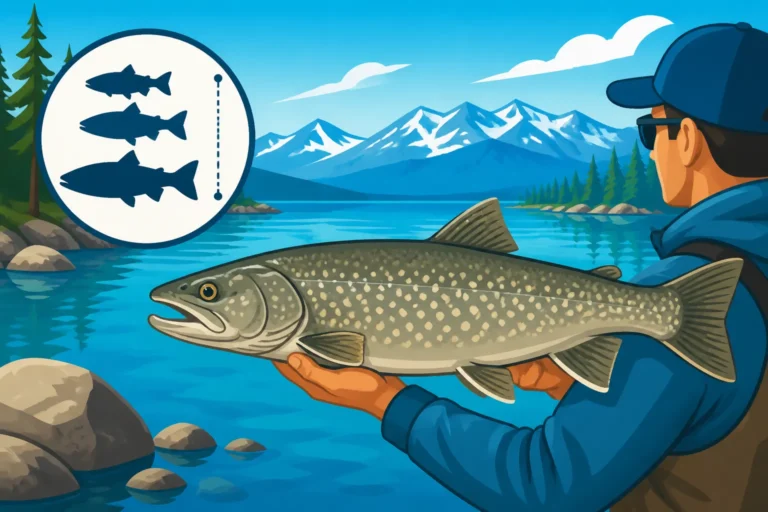
Without a doubt, Pyramid Lake, located northeast of Reno, is the place to find Sacramento perch in Nevada. This magnificent, ancient lake, famous for its trophy Lahontan cutthroat trout, also provides the unique conditions that have allowed Sacramento perch to persist. The lake's high salinity and alkaline water create an environment that's less hospitable to many of the non-native species that outcompeted the perch elsewhere. The abundant tufa rock formations, underwater structures, and various bays and coves offer ideal habitat.
Anglers targeting Sacramento perch at Pyramid Lake will want to focus on the shallower, protected bays and coves, especially those with some form of structure. Areas like Sutcliffe, Popcorn, or Pelican points might hold them, particularly where there are rocky outcrops or submerged vegetation (though sparse in the lake). You might even catch them while targeting cutthroat trout, though they typically prefer slightly warmer and shallower water than the massive trout. Don't forget, Pyramid Lake is on tribal land, so you'll need a special Pyramid Lake Tribal Fishing Permit in addition to your state license. Always check the Pyramid Lake Season and Bag Limit Rules before you go, as regulations can vary and are strictly enforced. Understanding Where Sacramento perch live at Pyramid Lake specifically will greatly improve your chances.
Other Potential or Historical Locations
While Pyramid Lake is the undisputed king of Sacramento perch fishing in Nevada, they have been historically found in other parts of the Lahontan basin, and there have been reintroduction efforts in limited, controlled environments. However, these populations are generally small, highly localized, and often not open to public fishing, or simply too rare to consistently target. You might hear whispers of them in certain isolated ponds or reservoirs, but for all intents and purposes, if you want to fish for Sacramento perch in Nevada, Pyramid Lake is your destination.
It's a stark reminder of the challenges native fish face in an altered landscape. Their limited distribution underscores the importance of protecting the few remaining strongholds. The fact that they share their unique ecosystem with other incredible species like the Cui-ui Fish at Pyramid Lake only adds to the lake's ecological significance.
Regulations and Catch Limits
As with any species, especially a native one with a delicate conservation status, understanding and adhering to regulations is paramount. While specific regulations can change, and you should always consult the most current Nevada Department of Wildlife (NDOW) regulations booklet or their website, here's a general overview.
- State Regulations: For most statewide waters, Sacramento perch fall under the general sunfish or panfish regulations, if they are even present. These typically allow for generous daily limits.
- Pyramid Lake Regulations: This is where it gets critical. Because Pyramid Lake is managed by the Pyramid Lake Paiute Tribe, their fishing regulations supersede state regulations. It's common for them to have specific rules for all species, including Sacramento perch. These might include daily possession limits, legal fishing hours (Pyramid Lake legal fishing hours), and specific access points (Pyramid Lake Shoreline Access Points). Make sure you verify these rules directly from the Pyramid Lake Paiute Tribe's official sources or when you purchase your tribal permit.
It's crucial to practice ethical angling, especially with a species that has faced such historical pressures. Consider catch-and-release for most Sacramento perch to help ensure their populations remain healthy. By being informed and responsible, we can all contribute to the continued legacy of this truly unique Nevada fish.
Disclaimer
This article is for general informational purposes only and does not constitute professional advice. Laws, prices and regulations vary by location and change over time. Consult a qualified professional for guidance on your specific situation.