What a cui-ui fish is
Nevada's vast landscapes hold many natural wonders, but few are as unique and historically significant as the ancient waters of Pyramid Lake. Within this immense, terminal desert lake lives a fish you might have only heard whispers about: the Cui-ui. It’s not a fish you’ll typically be targeting with your rod and reel, and for good reason, as it's a vital, protected part of this unique ecosystem. This guide will dive deep into what makes the Cui-ui so special, where it lives, its remarkable conservation story, and what its presence means for anglers enjoying Pyramid Lake.
What Exactly is a Cui-ui Fish?
The Cui-ui (pronounced kwee-wee) is a large, long-lived sucker fish, scientifically known as Chasmistes cujus. Unlike the more familiar bottom-feeding suckers you might find in many lakes and rivers, the Cui-ui is a highly specialized filter feeder. Imagine a fish that sifts microscopic plants and animals from the water column, rather than grubbing along the lakebed. That's the Cui-ui. They are truly ancient, considered a "living fossil" due to their unique evolutionary history, having adapted to the harsh and ever-changing conditions of the Great Basin for millions of years.
These fascinating fish are quite distinct in appearance. They typically have a long, slender body, reaching up to two feet in length and weighing several pounds, though some have been observed larger. Their mouths are uniquely adapted for their filter-feeding lifestyle—small and downturned, almost like a vacuum cleaner nozzle. When you look closely, you'll see a small, fleshy projection (a "papilla") on the lower lip, which helps them filter tiny organisms from the water. Their coloring can range from olive-green to silvery, often with darker backs and lighter bellies, allowing them to blend into the deep, often turbulent waters of Pyramid Lake.
One of the most remarkable aspects of the Cui-ui is their longevity. These fish can live for an astonishing 40 years or more, making them one of the longest-living freshwater fish species in North America. This long lifespan is crucial for their survival in an environment that can experience significant changes in water levels and flow, allowing them multiple opportunities to spawn successfully during favorable conditions. Their slow growth rate and late maturity, however, also contribute to their vulnerability, as it takes a long time for new generations to replenish the population.
Where Do Cui-ui Fish Live?
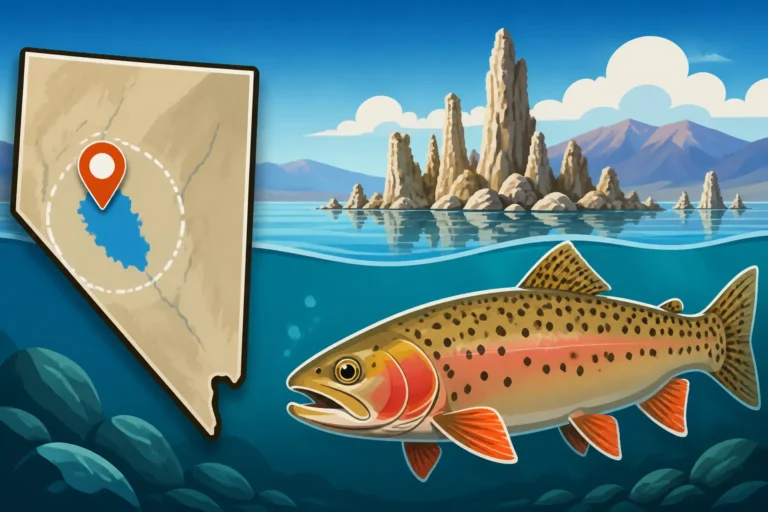
The Cui-ui's habitat is incredibly specific and a testament to the unique geography of Nevada. These fish are endemic, meaning they are found nowhere else on Earth, to Pyramid Lake in western Nevada. This large, saline desert lake, fed primarily by the Truckee River, is their only home. Imagine a fish that has evolved over millennia to thrive in a single, isolated body of water—that's the Cui-ui. The lake itself is a marvel, the remnant of ancient Lake Lahontan, which once covered much of Nevada during the last ice age.
Historically, the Cui-ui would migrate from Pyramid Lake up the Truckee River to spawn. This annual migration was a spectacular event, with thousands of fish moving upstream to reproduce in the shallower, fresher waters of the river. However, human development, particularly the construction of Derby Dam in the early 20th century, cut off the Cui-ui's access to their traditional spawning grounds. This had a devastating impact on the population, nearly driving them to extinction. Today, considerable effort is made to ensure they can access suitable spawning habitat or to facilitate their reproduction through artificial means.
While the adults live in the deep, open waters of Pyramid Lake, filtering for their food, their dependency on the Truckee River for spawning highlights a critical vulnerability. The complex interplay between the lake's water levels, the river's flow, and the availability of suitable spawning gravels makes their survival a delicate balancing act. Understanding these hydrological connections is key to their ongoing recovery efforts. You can often find detailed scientific reports and educational materials about the Pyramid Lake ecosystem through online retailers like Amazon, offering a deeper dive into the science behind these amazing fish.
The Cui-ui's Endangered Status and Conservation Efforts
The story of the Cui-ui is a stark reminder of how human activities can impact even the most resilient species. Due to the construction of Derby Dam and subsequent diversions of the Truckee River, which blocked access to their spawning grounds, the Cui-ui population plummeted. By the mid-20th century, they were teetering on the brink of extinction. It was a crisis that galvanized conservationists and the Pyramid Lake Paiute Tribe, who have a deep cultural and historical connection to this fish.
In recognition of its precarious state, the Cui-ui was listed as a federally endangered species. This designation triggered significant efforts to protect and restore the species. One of the primary focuses has been to find ways to restore the Cui-ui's access to spawning grounds in the Truckee River. This has involved modifying water management practices, constructing fish ladders and screens, and even actively trapping and trucking fish upstream during critical spawning periods. These are huge, multi-agency projects, showcasing the dedication to saving this unique fish.
Another critical component of conservation is artificial propagation. Fish hatcheries, operated by the Pyramid Lake Paiute Tribe and federal agencies, play a vital role in raising Cui-ui from eggs collected during spawning runs and then releasing them back into Pyramid Lake. This ensures that new generations are constantly being introduced to bolster the wild population, giving them a fighting chance even when natural spawning conditions aren't ideal. These efforts are often supported by public awareness campaigns and the sale of educational materials, sometimes found on platforms like Amazon, that explain the importance of the Cui-ui and the challenges it faces. Is the cui-ui fish endangered? provides more context on this critical issue.
Fishing for Cui-ui
This is where understanding the Cui-ui’s protected status becomes critically important for anglers. While Pyramid Lake is world-famous for its trophy Lahontan Cutthroat Trout, the Cui-ui is a different story entirely. Given their federally endangered status, it is illegal to intentionally fish for, take, or possess a Cui-ui. This isn't just a suggestion; it's a strict regulation designed to protect this incredibly vulnerable species. For anglers, this means that while you're enjoying the incredible fishing opportunities at Pyramid Lake, you must be prepared to identify and immediately release any Cui-ui you might accidentally catch.
Accidental catches, while rare, can happen, especially if you're fishing near the bottom with bait that smaller Cui-ui might accidentally ingest. If you do happen to catch a Cui-ui, the protocol is straightforward and crucial for its survival. Handle the fish with extreme care, minimize its time out of the water, and release it as gently and quickly as possible. Avoid touching its gills or eyes, and if it's deeply hooked, cut the line as close to the hook as you can rather than trying to remove the hook, which can cause more damage. This approach aligns with best practices for handling any protected or sensitive species, including the impressive Lahontan Cutthroat Trout found in the same waters. Can you keep a cui-ui if you catch one at Pyramid Lake? explores this further.
When fishing at Pyramid Lake, remember that it operates under specific tribal regulations, separate from statewide Nevada fishing licenses. You'll need a Pyramid Lake Fishing Permit Guide from the Pyramid Lake Paiute Tribe, and it's essential to understand their specific Pyramid Lake Season and Bag Limit Rules. These rules are designed to protect all native species, including both the Cui-ui and the Lahontan Cutthroat Trout in Nevada. If you are curious about the general fishing licenses, you can find more information about Is a Nevada state fishing license valid at Pyramid Lake?. Always consult the official Pyramid Lake fishing regulations before heading out, as they are updated regularly and often include specific details about protected species and proper handling techniques. You can even find specific gear on Amazon, such as knotless landing nets, that are designed to minimize harm to fish during catch and release.
Here's a quick comparison of the two iconic native species of Pyramid Lake:
| Feature | Cui-ui (Chasmistes cujus) | Lahontan Cutthroat Trout (Oncorhynchus clarkii henshawi) |
|---|---|---|
| Species Type | Sucker (Lake Sucker Family) | Trout (Salmonid Family) |
| Diet | Filter feeder, primarily zooplankton and algae | Predatory, eats smaller fish, insects, crustaceans |
| Max Size (Typical) | Up to 2 feet, around 2-4 lbs | Can exceed 20 lbs (trophy size), often 5-10 lbs |
| Lifespan | Up to 40+ years | Typically 8-10 years, larger individuals older |
| Habitat | Endemic to Pyramid Lake, spawns in Truckee River | Native to Pyramid Lake and Truckee River, also stocked widely |
| Conservation Status | Federally Endangered (Illegal to target or possess) | Federally Threatened (Specific to Pyramid Lake LCT strain) |
| Angling Interest | Not a game fish, must be immediately released if caught | Highly sought-after game fish, subject to strict regulations |
| Cultural Significance | Deeply significant to Pyramid Lake Paiute Tribe | Deeply significant to Pyramid Lake Paiute Tribe and anglers |
The continued existence of the Cui-ui is a testament to dedicated conservation efforts and the resilience of nature when given a chance. Knowing about this fish and respecting its protected status enhances your understanding and appreciation of Pyramid Lake's unique environment, making your angling experience even richer. For more information on general regulations, you can read Pyramid Lake legal fishing hours and check out the Pyramid Lake shoreline access points. Always be a responsible angler, and help protect the precious wildlife of Nevada.
Disclaimer
This article is for general informational purposes only and does not constitute professional advice. Laws, prices and regulations vary by location and change over time. Consult a qualified professional for guidance on your specific situation.