Biggest black bass ever caught at Lake Mead
There's a special kind of thrill that comes with chasing a true giant, especially when you're casting your line into a legendary water body like Lake Mead. Many anglers dream of pulling a monster bass from its depths, and the stories of those colossal catches fuel our imaginations and drive our efforts. If you've ever wondered about the biggest black bass ever landed in this iconic Nevada reservoir, you're not alone. This guide will dive deep into the allure of Lake Mead's black bass, discuss the official and unofficial giants, and share strategies for chasing your own trophy catch.
The Allure of Lake Mead's Black Bass Fishery
Lake Mead, with its vast expanse and unique desert canyon environment, has long been a storied destination for bass anglers. While its ecology has shifted over the decades, the dream of a true trophy black bass still pulses through its waters. We're talking about those thick-shouldered, deep-bellied fish that make your heart pound when they hit.
Understanding Black Bass Species in Nevada
When we talk about "black bass" in Nevada, especially in a place like Lake Mead, we're primarily focusing on two species: the largemouth bass and the smallmouth bass. Each has its own characteristics and preferred habitats within the reservoir, and both offer incredible angling opportunities for those seeking a heavyweight fight.
Largemouth bass are typically the bigger of the two, known for their larger mouths (extending past the eye) and often found lurking in cover like submerged brush, rock piles, or shaded coves. They are ambush predators, often holding tight to structure, waiting for an unsuspecting meal to swim by. The hunt for a trophy largemouth usually involves picking apart cover with heavy gear. Smallmouth bass, on the other hand, are recognized by their slightly smaller mouths (ending before the eye) and are famous for their bronze-colored bodies and powerful, acrobatic fights in open water. They tend to prefer clearer, cooler water and rocky structures, points, and ledges. Catching a big smallmouth often means covering water and targeting specific underwater contours. Both are phenomenal game fish, but the "biggest black bass" often refers to the hefty largemouth. You can learn more about Largemouth Bass Fishing in Nevada and Smallmouth Bass Fishing in Nevada in our other guides.
Historical Context of Lake Mead's Bass Fishery
Lake Mead's bass fishery has a rich history, with periods of incredible abundance and trophy-sized fish. In its heyday, especially during times of higher water levels and stable forage bases, Lake Mead was renowned for producing gargantuan largemouth bass. These were the days when anglers would regularly pull in bass exceeding the 10-pound mark, making national headlines and attracting fishermen from all corners of the country. The reservoir's vastness, combined with its unique desert environment, created an ideal habitat for these powerful fish. As water levels have fluctuated and ecological dynamics have shifted, the fishery has evolved, presenting new challenges and opportunities for anglers. Despite these changes, the genetic potential for truly massive bass still exists, and dedicated anglers continue to pursue these elusive giants.
Chasing the Record: What Defines a "Biggest Catch"?
The term "biggest black bass ever caught at Lake Mead" can be a little nuanced. There's the official state record, and then there are the legendary, often undocumented, catches that circulate among local anglers. Both are fascinating parts of Lake Mead's fishing lore.
The Nevada State Record for Largemouth Bass
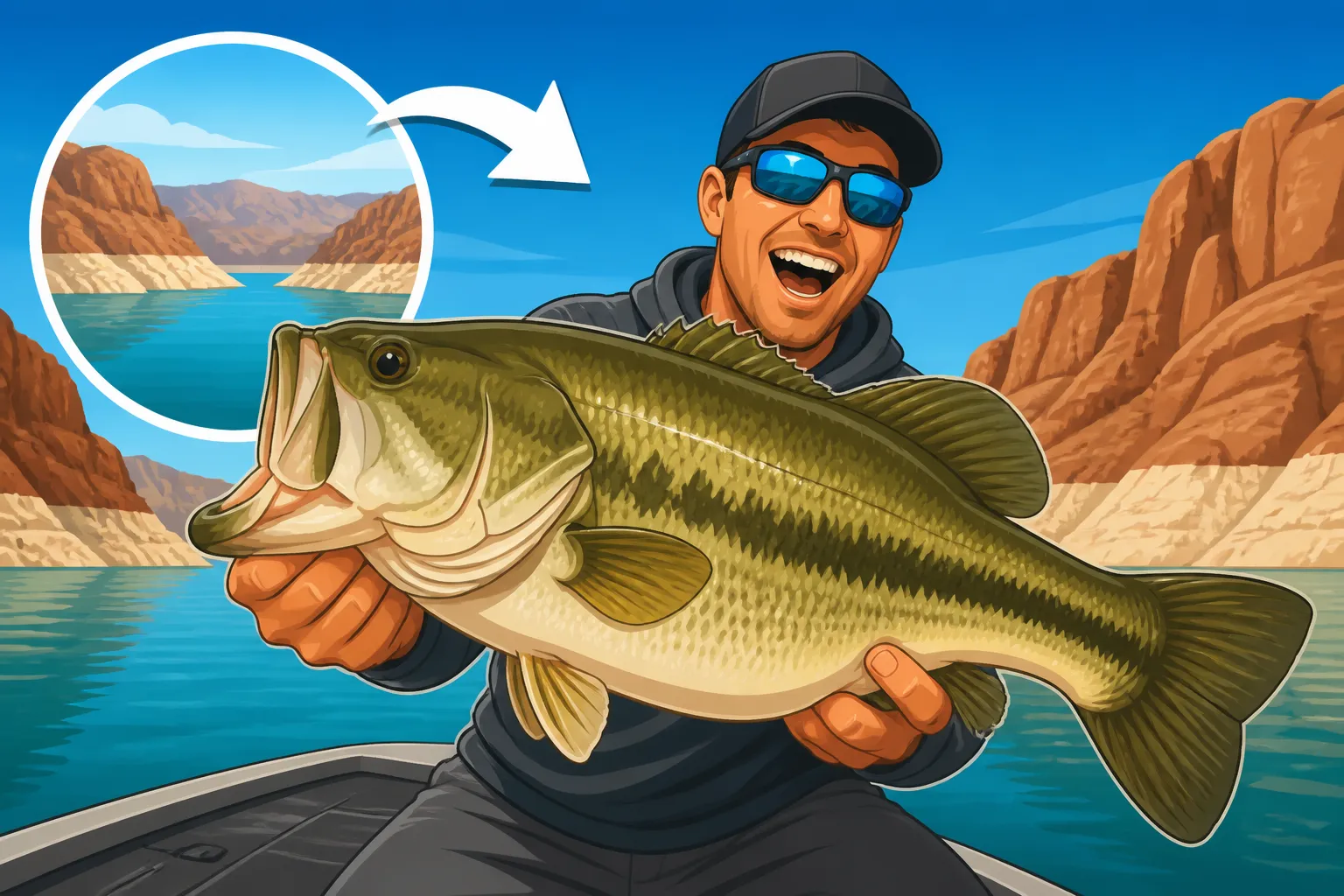
For many serious anglers, the ultimate goal is to land a fish that officially makes it into the record books. The Nevada state record for largemouth bass is a truly impressive specimen. This fish, caught right here in Lake Mead, weighed in at a whopping 12 pounds, 4 ounces. It was caught by Mike O'Shea back in 1999, and it stands as a testament to the incredible potential of this reservoir. This record isn't just a number; it represents a fish that was likely many years old, a survivor of countless seasons, and a true apex predator in its environment. When you're out on the water, remember that a fish of this caliber is a rare beast, a once-in-a-lifetime catch that requires skill, patience, and a healthy dose of luck. You can check out the full Nevada State Record Fish List for other impressive catches.
Unofficial Giants and Angler Tales
Beyond the official state record, there are countless stories of monster bass caught and released, or simply not officially weighed, that contribute to the mystique of Lake Mead. I've heard tales from seasoned veterans about largemouths pushing 13 or even 14 pounds that were either released back into the water after a quick photo or weighed on a scale that wasn't certified. These aren't just fish stories; sometimes, they're honest accounts from anglers who prioritize the health of the fish over official recognition.
For many, the sheer experience of battling such a powerful creature is its own reward. The memory of a 10-pound-plus bass thrashing at the side of the boat, its huge mouth gaping, is something that stays with an angler forever, regardless of whether it broke a record. These unofficial giants serve as a constant reminder that Lake Mead still holds incredible potential, and every cast could be the one that connects you with a true leviathan. It's these kinds of encounters that keep anglers coming back, year after year, hoping to write their own chapter in the lake's storied history.
Strategies for Landing a Trophy Black Bass at Lake Mead
Catching a truly massive black bass at Lake Mead isn't just about luck; it's about understanding the environment, the fish's behavior, and employing the right tactics. Trophy bass are often solitary, cunning, and require a different approach than simply catching numbers of smaller fish.
Prime Times and Locations
Timing and location are absolutely crucial when you're targeting big bass. The best time of year to catch trophy largemouths at Lake Mead generally revolves around the pre-spawn and spawn periods, typically from late winter through spring when the water temperatures start to rise. During these months, big females move into shallower areas, often near spawning flats, rocky points, and sheltered coves, looking to feed heavily before and during the spawn. This makes them more accessible and aggressive. Another excellent time can be the fall, when cooling water temperatures trigger a feeding frenzy as bass prepare for winter. You can learn more about Best Time of Year to Fish in Nevada to help plan your trips.
As for locations, look for areas with significant cover and structure. This includes deep rock piles, submerged brush, ledges, steep drop-offs, and canyon walls with hidden crevices. Coves with a mix of rock and scattered vegetation (if present) can be goldmines. Areas like Hemenway Bay, Government Wash, and the countless canyons and inlets offer diverse habitats. Large bass often position themselves near abrupt changes in depth or structure, using these spots as ambush points. Don't be afraid to explore new areas; sometimes the most overlooked spots hold the biggest fish. Always remember to check Nevada Fishing Regulations Explained before heading out, as rules can vary by waterbody.
Tackle and Techniques for Monster Bass
When you're after a double-digit bass, you need to step up your gear. Finesse techniques can catch fish, but to land a true monster, especially around heavy cover, you need robust tackle. For largemouth bass, this often means heavier baitcasting setups.
Here's a breakdown of what you might need:
- Rods: Opt for medium-heavy to heavy power rods, typically 7 to 7.5 feet in length. This gives you the backbone to pull a big fish out of cover and make long casts.
- Reels: High-quality baitcasting reels with a strong drag system are essential. Look for models with a good retrieve ratio that can handle heavy lines.
- Line: Don't skimp on line strength. Fluorocarbon lines in the 15-20 lb test range are excellent for their invisibility and sensitivity. Braided lines (30-65 lb test) are often favored for flipping and pitching into heavy cover due to their strength and no-stretch properties, often with a fluorocarbon leader.
- Lures: Big bass eat big baits. For largemouths, consider large swimbaits (both hard and soft plastic), oversized jigs, deep-diving crankbaits that mimic large baitfish, and Texas-rigged or Carolina-rigged large plastic worms or creature baits. For smallmouths, reaction baits like crankbaits, jerkbaits, and spinnerbaits can be effective, as well as tube baits or dropshot rigs fished on rocky structure.
- Swimbaits: These are often key for targeting the biggest fish. Large paddle-tail swimbaits or articulated hard swimbaits can entice a trophy strike.
- Jigs: Heavy jigs (1/2 oz to 1 oz) with bulky trailers are excellent for flipping into deep cover or dragging along ledges.
- Plastic Worms/Creature Baits: Texas-rigging a 10-inch worm or a large creature bait can be deadly.
- Hooks: Always use sharp, strong hooks. Straight-shank or extra-wide gap (EWG) hooks are popular for plastics.
Many of these specialized items can be found readily on platforms like Amazon, where you can browse a wide selection of brands and styles to match your specific needs for Best Tackle for Nevada Bass Fishing. Don't forget to explore our guide on Best Lures for Nevada Bass for more specific recommendations. For boat anglers, considering the right vessel can also make a huge difference, especially on a large body of water. Check out Best Boats for Nevada Reservoir Fishing for insights into that aspect.
Preserving the Legacy: Catch, Care, and Conservation
Landing a truly enormous bass is an incredible achievement, but the responsibility doesn't end when the fish is in the net. To ensure these magnificent creatures continue to thrive and provide opportunities for future generations, responsible angling practices are paramount.
Responsible Angling Practices
When you hook into a monster bass, the fight can be grueling for both you and the fish. It's vital to handle it with care to maximize its chances of survival, especially if you plan on releasing it.
- Land the Fish Quickly: While it's tempting to enjoy the fight, prolonged battles can exhaust a large fish, making it harder for it to recover. Apply steady pressure and try to land it as efficiently as possible.
- Use a Net: A large, rubberized landing net is your best friend. It supports the fish's entire body, preventing damage to its fins, scales, and slime coat, and keeps hooks from getting tangled in mesh. Avoid dragging the fish onto rocky banks if possible.
- Minimize Out-of-Water Time: A bass cannot breathe out of water. Keep the fish submerged as much as possible, only bringing it out for a quick photo and measurement. Every second out of water is stressful.
- Support the Fish's Body: When holding a large bass for a photo, always support its entire body horizontally. Never hold a heavy bass vertically by its jaw alone, as this can severely damage its internal organs and jaw structure. Use one hand to grip the lower jaw and the other to support its belly.
- Gentle Release: If releasing, gently place the fish back into the water, head first, and hold it upright until it swims away under its own power. Sometimes, gently moving it back and forth to push water over its gills can aid in recovery.
These practices aren't just good etiquette; they're crucial for the long-term health of Lake Mead's bass population.
Documenting Your Catch for the Ages
While the state record is officially weighed and verified, you can still document your personal best with precision. Modern tools make it easier than ever to capture the moment accurately.
- Measure Accurately: Use a reliable measuring board to get an accurate length. Lay the fish flat, with its mouth against the bump board and its tail compressed to get the longest measurement.
- Weigh with a Digital Scale: While not always certified for official records, a high-quality digital fishing scale can give you a very accurate weight for your personal records. Make sure the scale is zeroed out before use. You can find durable, waterproof digital scales easily on Amazon.
- Capture Quality Photos: Have your camera ready! Take photos quickly and efficiently while prioritizing the fish's health. Get a good side profile shot, a picture with you holding it (properly supported!), and maybe one showing its release. These photos are invaluable memories.
- Note the Conditions: Jot down the date, time, location, water temperature, weather conditions, and the bait/lure used. This information can be invaluable for future trips and for understanding fish behavior. Keeping a detailed fishing journal can be incredibly rewarding, helping you to spot patterns over time and fine-tune your approach for bigger and better catches.
By following these guidelines, you not only increase your chances of landing a trophy bass but also contribute to the conservation of this incredible resource. The thrill of the catch is immense, but the satisfaction of knowing you've done your part to protect the fishery is even greater.
Disclaimer
This article is for general informational purposes only and does not constitute professional advice. Laws, prices and regulations vary by location and change over time. Consult a qualified professional for guidance on your specific situation.