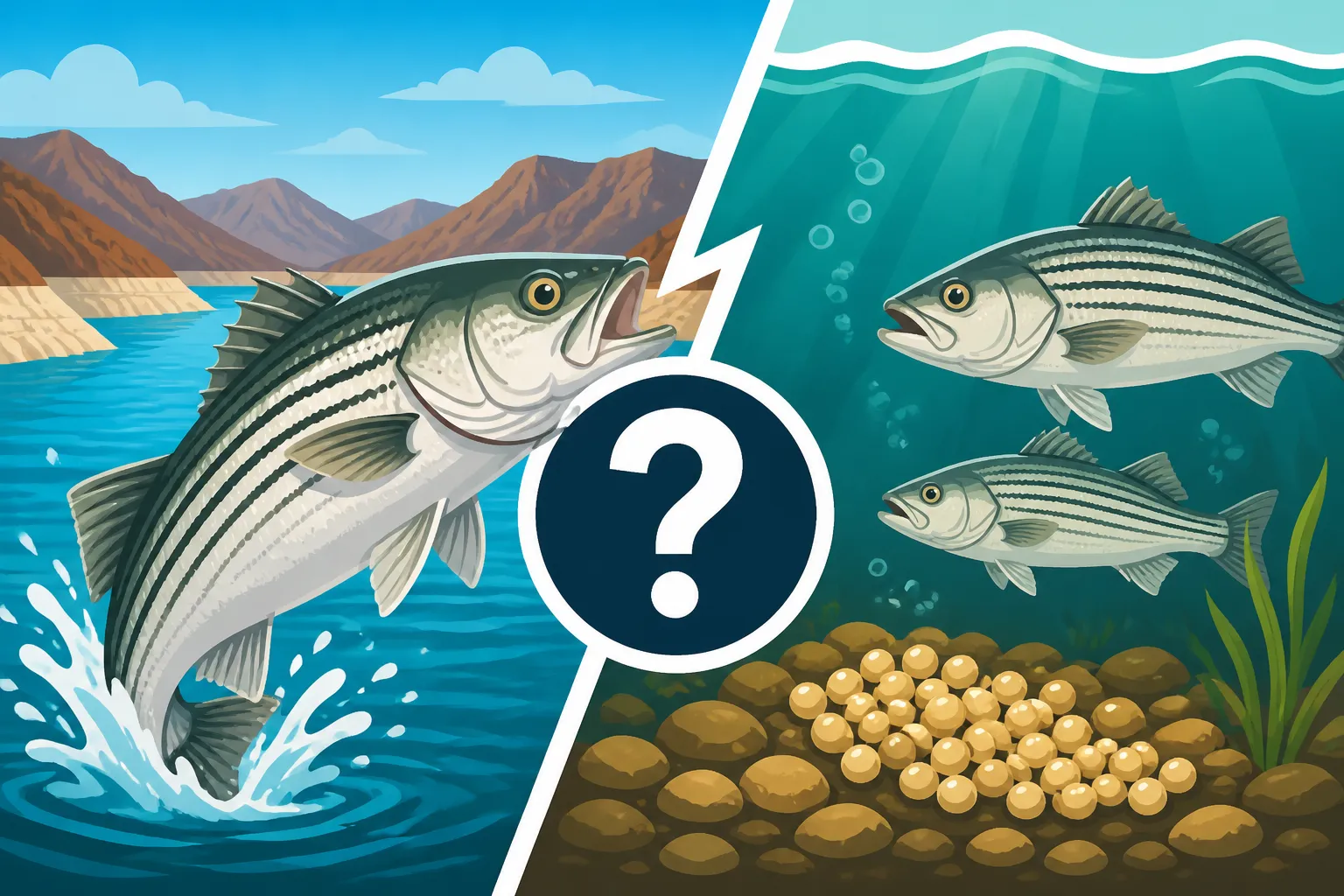
Do striped bass reproduce naturally in Lake Mead?
One of the most enduring questions anglers have about Lake Mead, particularly for those passionate about chasing the hard-fighting striped bass, is whether these magnificent fish actually reproduce naturally within the vast stretches of the reservoir. It’s a common misconception, and it deeply impacts how we understand and appreciate this unique fishery. This guide will dive deep into the fascinating world of Lake Mead's striped bass, exploring their origins, their biological needs for reproduction, and the crucial role humans play in sustaining their numbers in this iconic Nevada waterway.
The Striped Bass Story in Lake Mead: An Origin Tale
The presence of striped bass in Lake Mead is a true testament to human intervention in shaping ecosystems for sport and management. These fish weren't always here, and their journey to becoming one of the lake's most popular game species is quite a tale.
Not Native to Nevada Waters
It’s important to understand right from the start that striped bass ( Morone saxatilis ) are not native to Nevada, nor are they native to the Colorado River system that feeds Lake Mead. Their original home is the Atlantic coast of North America, where they thrive in estuaries and coastal waters, migrating into freshwater rivers to spawn. They were intentionally introduced to the American West, including the Colorado River system, primarily for two reasons: to create a new sport fishery and to help control burgeoning populations of non-native forage fish.
The introduction of stripers to Lake Mead occurred in the mid-20th century. Like many other non-native species introduced across the country, they quickly adapted to their new environment, finding an abundance of food—especially threadfin shad—and ample space in the vast reservoir. This initial success led to the development of the incredible fishery we know today. For more on this popular species, check out our Striped Bass Fishing in Nevada guide.
Understanding Striped Bass Spawning Needs
To truly grasp why natural reproduction is such a complex question for Lake Mead stripers, we need to look at what these fish require to successfully spawn in the wild. Striped bass have a very specific set of environmental demands for their eggs to develop properly.
Unlike many fish that lay eggs on substrate or in nests, striped bass eggs are semi-buoyant. This means they need to remain suspended in the water column for several days after fertilization to hatch. This critical suspension is achieved by spawning in rivers with sufficient current and length. The eggs drift downstream, bouncing along with the flow, until they hatch into larvae. Factors like water temperature, dissolved oxygen levels, and turbidity also play vital roles. If the current is too weak, the eggs settle to the bottom and suffocate or are consumed by predators. If the river section isn't long enough, the eggs might be swept into stiller waters or a lake before they've had a chance to fully develop and hatch. It’s a delicate balance, and any disruption can lead to a complete failure of the spawning event.
The Truth About Natural Reproduction in Lake Mead
Now for the big question: Do striped bass reproduce naturally in Lake Mead? The straightforward answer is no, not in a way that creates a self-sustaining population. While they certainly engage in the act of spawning, the unique characteristics of Lake Mead prevent those spawning attempts from consistently leading to successful natural recruitment of young fish into the population.
The Lake Mead Environment: A Mismatch for Reproduction
Lake Mead, for all its vastness and beauty, simply doesn't offer the ideal conditions that striped bass need for successful, self-sustaining natural reproduction. The primary reason lies in the lack of a sufficiently long, free-flowing riverine environment where their semi-buoyant eggs can drift and develop.
When striped bass in Lake Mead attempt to spawn, they typically do so in the upper reaches of the reservoir, often near the inflows of the Virgin and Muddy Rivers, or where the Colorado River enters the lake. While these areas might provide some current, the flow is generally not sustained enough over a long enough distance to keep the eggs suspended for the critical incubation period. The eggs, unable to remain in suspension, will eventually sink to the bottom. Once settled on the lakebed, they face a myriad of challenges: low oxygen levels, siltation, predation, and ultimately, they simply don't develop into viable fry. This means that year after year, even if millions of eggs are laid, very few, if any, survive to adulthood through natural means in Lake Mead. The ecology of the lake and its management are deeply intertwined, as discussed in our comprehensive Lake Mead Nevada Fishing Guide.
Spawning Attempts Are Not Successful Spawning
It's crucial to differentiate between striped bass attempting to spawn and successfully reproducing. Stripers in Lake Mead absolutely exhibit spawning behaviors. During the spring and early summer, typically when water temperatures reach suitable levels, you'll find them schooling in large numbers, often in shallow bays or near inflowing river sections. Males and females will release eggs and milt into the water, driven by their biological imperative.
However, as we've discussed, these efforts rarely translate into viable offspring that contribute significantly to the lake's population. It's a biological "dead end" for the vast majority of eggs and larvae due to the environmental constraints. Without the long, free-flowing river stretches that define their native habitats, the delicate chain of reproduction is broken. Anglers might observe fish splashing and schooling, believing a spawn is successfully underway, but from a population standpoint, these are largely unproductive events. This is a critical factor for understanding the Striped Bass Size and Growth at Lake Mead, as their growth is tied to abundant food, not necessarily natural reproduction within the lake itself.
Maintaining the Lake Mead Striped Bass Fishery: The Human Factor
Given the challenges of natural reproduction, you might wonder how Lake Mead continues to boast such a thriving striped bass population. The answer lies squarely in human intervention and strategic management.
The Vital Role of Stocking
The robust striped bass fishery in Lake Mead is almost entirely dependent on extensive and consistent stocking programs implemented by wildlife agencies, primarily the Nevada Department of Wildlife (NDOW). These agencies recognize the immense popularity of striped bass among anglers and understand that without regular introductions of hatchery-raised fish, the population would dramatically decline over time.
Each year, millions of striped bass fingerlings (young fish) are raised in hatcheries and then released into Lake Mead. These stocked fish are the backbone of the fishery, ensuring that there are always plenty of stripers for anglers to pursue. This continuous stocking is a costly and resource-intensive undertaking, but it’s essential to maintain the ecosystem balance and provide recreational opportunities. The success of these stocking efforts means that anglers can enjoy a fantastic fishing experience, knowing that the lake is regularly replenished. These programs are a core part of broader Nevada Fishing Regulations Explained and management plans for various species.
Ecological Impact and Management
The introduction and continued stocking of striped bass have had significant ecological ramifications for Lake Mead. As a voracious predator, striped bass play a dominant role in the lake's food web. Their primary diet consists of smaller forage fish, particularly threadfin shad, which were also introduced to the lake. The interplay between the striped bass population and their forage base is a constant consideration for wildlife managers.
Managing this dynamic involves balancing the desire for a thriving sport fishery with the overall health of the ecosystem. Decisions regarding stocking numbers, bag limits, and size restrictions are made to ensure a sustainable fishery while attempting to minimize negative impacts on other species, some of which may be native. It's a complex task, especially in a reservoir environment that is constantly changing due to factors like water levels and climate. Understanding these dynamics is crucial for any angler who wants to be truly informed about the resources they enjoy. You can often glean insights into their diet by observing Striped Bass Feeding Patterns at various times of the year.
What This Means for Anglers
Understanding that Lake Mead's striped bass population is primarily sustained through stocking rather than natural reproduction has some important implications for anglers. It shapes expectations, influences fishing strategies, and highlights the significance of management efforts.
A Stable, Stocked Fishery
The good news for anglers is that the reliance on stocking creates a relatively stable and predictable fishery. While natural populations can fluctuate wildly due to environmental factors, a stocked fishery, assuming consistent agency effort, provides a more reliable supply of fish. This means you generally don't have to worry about a "failed spawn" leading to a significant drop in catch rates a few years down the line. The focus, therefore, shifts from preserving a breeding population to managing the harvest of a stocked one.
However, this doesn't mean anglers can disregard rules. Adhering to Nevada Statewide Bag Limits Explained and other regulations remains crucial. These limits are set to distribute the catch fairly among anglers and to ensure that the stocked fish grow to a desirable size and are available throughout the year. It also ensures the overall health of the individual fish in the population and the availability of forage.
Best Practices for Striper Fishing
Knowing that the striped bass are essentially "farmed" and released means that their behavior might differ slightly from a purely wild population. These fish are driven by the search for food, and understanding the movements of their primary forage (threadfin shad) is often the key to locating them. Stripers in Lake Mead are often found schooling in open water, chasing baitfish, or congregating around submerged structures.
Anglers should focus on techniques that mimic baitfish, such as casting topwater lures during boils, jigging with spoons or plastic baits in deeper water, or trolling with crankbaits. Early mornings and late evenings are often prime times, especially during warmer months, but stripers can be caught throughout the day. It's also helpful to remember that larger concentrations of fish might be found near areas where they were recently stocked, though they disperse quickly. For specific techniques, our Jigging Techniques for Lake Mead Stripers article offers some excellent insights. And always remember, knowing the Best Time of Year to Fish in Nevada for stripers will give you an edge. Whether you're fishing from shore or using a boat (which might require looking into the Nevada Boat Registration and Titling Guide), understanding the dynamics of this stocked fishery will enhance your success.
| Aspect | Naturally Reproducing Species (e.g., some wild trout) | Stocked Species (e.g., Lake Mead Striped Bass) |
|---|---|---|
| Primary Reproduction | Self-sustaining via successful spawning | Primarily by human intervention (stocking) |
| Egg Viability | High; environmental conditions support development | Low; environment often unsuitable for development |
| Population Fluctuation | Can vary significantly year-to-year based on spawn success | More stable due to consistent stocking |
| Management Focus | Protecting spawning habitat, ensuring successful spawns | Optimizing stocking, managing harvest limits |
| Angler Impact on Pop. | Overharvest can directly impact future generations | Harvest impacts current stocked population |
| Ecosystem Role | Integral to natural food web | Introduced predator, managed for sport |
For anglers looking to try for other species, or just to expand their knowledge, resources like How to Catch Mackinaw Trout at Lake Tahoe provide interesting contrasts in fishing strategies and species management. Even though they are also predators, the dynamics are quite different. It's all part of the fascinating world of Nevada fishing!
Disclaimer
This article is for general informational purposes only and does not constitute professional advice. Laws, prices and regulations vary by location and change over time. Consult a qualified professional for guidance on your specific situation.