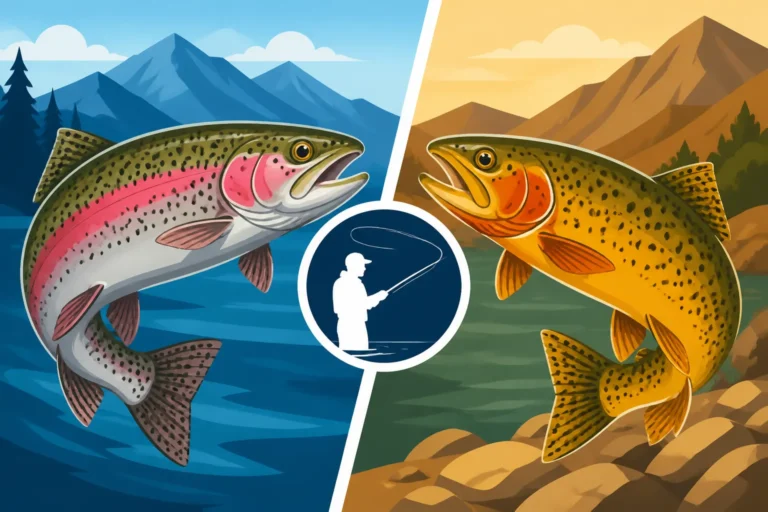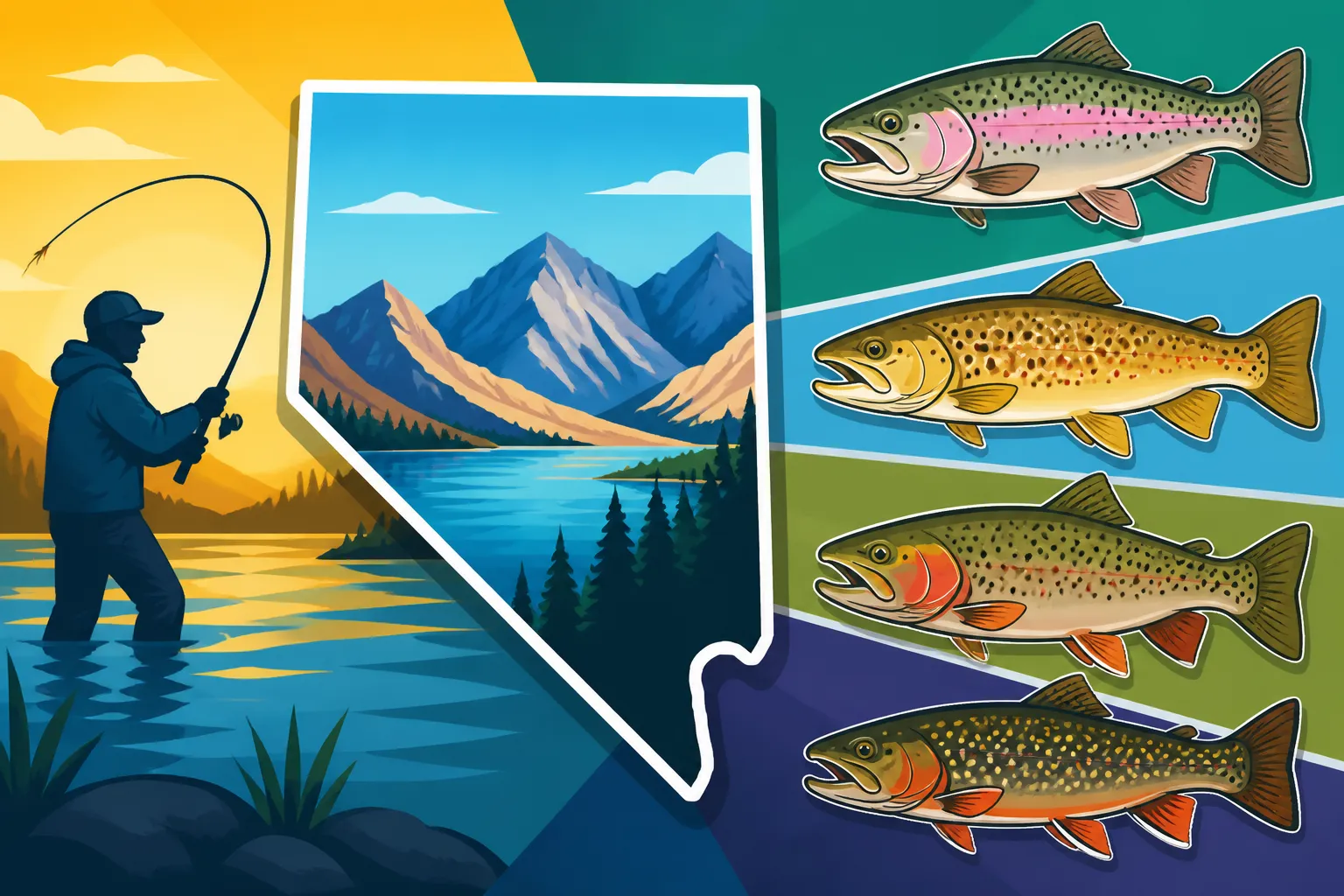
Daily limit for each trout species in Nevada
One of the trickiest parts about fishing in Nevada isn't just finding the fish, but keeping track of all the rules! It can be incredibly frustrating to head out to a beautiful lake or stream, have a fantastic day of catching, only to realize you've accidentally kept one too many, or the wrong size, of a particular trout species. This guide is here to help you navigate the often-confusing world of trout daily limits in Nevada, making sure your next angling adventure is both successful and fully compliant with the Nevada Department of Wildlife (NDOW) regulations.
Why Daily Limits Matter for Nevada's Trout
Fishing is a cherished pastime in Nevada, offering everything from serene high-mountain streams to expansive desert reservoirs. But with so many anglers, both residents and visitors, enjoying these waters, it's crucial to manage fish populations responsibly. That's where daily limits come in. These regulations aren't arbitrary; they're carefully designed by the Nevada Department of Wildlife to ensure sustainable fisheries for future generations. It’s all about balancing the thrill of the catch with the vital need for conservation. Without these limits, even the most robust trout populations could quickly dwindle, leading to fewer fish and poorer fishing experiences for everyone down the line.
The limits often vary based on the specific species of trout, the body of water you're fishing, and even the time of year. This complexity is what often trips up even seasoned anglers. You might be accustomed to one rule for rainbow trout in an urban pond, but then find a completely different set of stipulations when targeting Lahontan cutthroat trout in a remote, high-desert lake. It's a system that can feel like a moving target, but understanding the core principles and knowing where to check for those crucial local exceptions is key to staying out of hot water with game wardens. NDOW works tirelessly to stock many waters and manage wild populations, and adhering to these limits is how we all contribute to their success.
Understanding Daily and Possession Limits
Before we dive into the specific numbers for different trout species, it's essential to clarify the difference between a "daily limit" and a "possession limit." This is a point of confusion for many anglers, and getting it wrong can lead to unintended violations.
- Daily Limit: This is the maximum number of fish of a particular species (or combination of species) that you are allowed to catch and keep in a single calendar day. For example, if the daily limit for rainbow trout is 5, you can only keep 5 rainbow trout between midnight and midnight. Once you've kept your 5, any additional rainbow trout you catch must be immediately released unharmed. If you decide to keep fewer than your daily limit and then return to the water later the same day, you can only keep fish until you reach that daily total.
- Possession Limit: This refers to the total number of fish you are allowed to have in your possession at any given time, regardless of when they were caught. This includes fish in your cooler, in your vehicle, at your campsite, or at home in your freezer. Typically, the possession limit is set to twice the daily limit, but this isn't always the case, and sometimes it's the same as the daily limit, especially for sensitive species or specific waters. So, if you're on a multi-day fishing trip, you need to be extra mindful of your possession limit. You can only accumulate fish up to that possession total over several days. For instance, if the daily limit is 5 and the possession limit is 10, you could keep 5 on day one and another 5 on day two, but then you couldn't keep any more until you've eaten or otherwise disposed of some of your fish, bringing your total possession below the limit again.
Always think about both limits when planning your trip, especially if you're heading out for more than a single day or have multiple anglers in your group. It's not uncommon to see a boat pulled over by a game warden for a quick check, and they'll be looking at both what's in your livewell and what might be stashed in a cooler or even the trunk of your car.
The Nitty-Gritty: Daily Limits by Trout Species and Water Type
Nevada is home to several species of trout, both native and introduced, and the regulations can vary significantly depending on where you're fishing. It's truly a mosaic of rules, which can be a bit daunting, but focusing on the most common species and major fisheries can simplify things. Always remember that these are general guidelines, and specific water bodies often have their own unique rules. It's your responsibility as an angler to check the latest Nevada Fishing Regulations Explained booklet or the NDOW website for the exact rules for your chosen fishing spot before you cast a line.
Here’s a breakdown of the typical daily limits for trout species you’ll encounter across the Silver State:
| Trout Species | General Daily Limit | General Possession Limit | Notes/Common Exceptions |
|---|---|---|---|
| Rainbow Trout | 5 | 10 | This is the most common stocked trout. Many urban ponds and easily accessible reservoirs follow this general rule. However, some specific waters might have lower limits or size restrictions. Always check local signage or the NDOW guide. |
| Brown Trout | 5 | 10 | Brown trout often share the same general limits as rainbow trout in mixed fisheries. In some specific rivers or streams with wild populations, there might be lower limits, slot limits, or catch-and-release only regulations to protect breeding stock. |
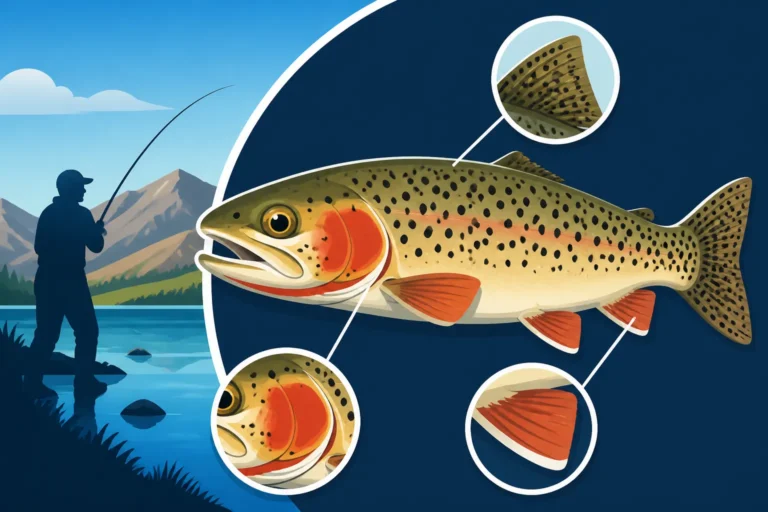
| Lahontan Cutthroat Trout | 2 | 4 | This is a critically important native species, especially at Pyramid Lake. The limit here is typically 2 fish, with a slot limit (usually 17-20 inches, only one over 20 inches) to protect spawning fish. Any fish outside the slot limit or over the daily limit must be immediately released unharmed. Pyramid Lake has its own separate permit requirements and tribal regulations which supersede state rules. See Pyramid Lake Fishing Permit Guide for more details. |
| Brook Trout | 5 | 10 | Found mainly in high-elevation lakes and streams, brook trout usually fall under the general trout limits. In some areas where they are abundant and potentially outcompeting other species, there might be no limit at all, or very liberal limits, to encourage harvest. Always verify! |
| Lake Trout (Mackinaw) | 2 | 4 | This primarily applies to Lake Tahoe. The daily limit is typically 2, often with a size restriction (e.g., minimum 20 inches). Lake Tahoe also falls under bi-state regulations (Nevada and California), so understanding Lake Tahoe Nevada Fishing License Rules is key. |
| Tiger Trout/Bowcutt Trout | 5 | 10 | These are hybrid trout species found in specific waters like Wildhorse Reservoir. They typically follow the general trout limits, but always check for specific water body rules, especially if there's a unique management plan in place. |
Keep in mind that NDOW's definition of "trout" for general limits often combines several species under one umbrella. For instance, a "general trout limit" of 5 might mean a combined total of 5 rainbow, brown, brook, or tiger trout, not 5 of each. This is why paying close attention to the specific wording in the regulations is so important.
If you’re planning a trip to a well-known trophy fishery, like those featured in Trophy Trout Waters in Nevada, it's almost guaranteed there will be special rules in place to protect those larger fish. These might include reduced daily limits, slot limits (where only fish within a certain size range can be kept), or even catch-and-release only sections.
Navigating Special Regulations and Exceptions
While the general limits provide a good starting point, Nevada is renowned for its specific, often localized, regulations. This is where it can get genuinely complex, and a little extra homework can save you a lot of headache (and potential fines). Trust me, nobody wants to cut a great fishing trip short because they misunderstood a rule.
Many major fisheries and unique ecosystems have their own set of rules that override the statewide general limits. These exceptions are put in place for specific conservation efforts, to manage unique species, or to balance recreational pressure.
Pyramid Lake: A World Apart
If you plan on fishing for the iconic Lahontan cutthroat trout, especially the giant ones, at Pyramid Lake, you are stepping into a regulatory world completely distinct from the rest of Nevada. Pyramid Lake is on tribal land, managed by the Pyramid Lake Paiute Tribe, and their regulations supersede NDOW's statewide rules. You’ll need a tribal fishing permit, not a state Nevada Fishing License Guide, and their daily limits for Lahontan cutthroat trout are specific and strictly enforced.
Typically, the daily limit for Lahontan cutthroat trout at Pyramid Lake is two fish. However, there is often a very specific slot limit, for example, only one fish over 20 inches, or fish between 17 and 20 inches must be released. These rules are designed to protect the breeding stock of these magnificent native trout. Always, always check the current Pyramid Lake Paiute Tribe Fishing Regulations before heading out. They are usually available online or at local tackle shops around the lake. Respecting these rules is not just about legality; it's about respecting the tribe's conservation efforts for a species that is vital to their heritage.
Lake Tahoe: Interstate Rules
Fishing the Nevada side of Lake Tahoe also comes with its own set of unique rules, as it’s shared with California. Here, the primary trout species you'll encounter that has special limits is the Mackinaw (Lake Trout). While rainbow and brown trout might fall under more general limits, the Mackinaw often has a daily limit of two fish, typically with a minimum size of 20 inches. Again, this is to manage the population and prevent overfishing of these deep-water giants.
It's critical to understand the nuances of bi-state waters. Your Nevada Fishing License Guide is valid on the Nevada side, but if you venture into California waters (which can happen easily on a large lake like Tahoe), you would need a California license. Game wardens from both states patrol these waters, so clarity on your location and proper licensing is paramount. The specific rules for Lake Tahoe can usually be found in both the Nevada and California fishing regulation booklets, so cross-referencing is a good idea.
Urban Ponds and Stocked Waters
Many of Nevada's urban ponds, particularly those in the Las Vegas area like Floyd Lamb Park or Sunset Park Pond, are heavily stocked with rainbow trout by NDOW, often on a regular schedule. While these usually adhere to the general statewide trout limits, it's not uncommon for these specific waters to have slightly different rules, especially regarding specific hours of operation or special youth fishing days. These rules are often posted prominently at the fishing location, so take a moment to read the signs before you start fishing. These are fantastic spots for beginners or families, and the regulations are usually straightforward. You can usually find the Nevada Trout Stocking Schedule online to plan your visits for the best chances of success.
Combined Species Limits
One aspect that often confuses anglers is the "combined species limit." Sometimes, the regulations don't just state a limit for "rainbow trout" but a general "trout" limit. This means that your total catch of all trout species (rainbow, brown, brook, tiger, etc., excluding Lahontan cutthroat and Mackinaw which typically have separate, more restrictive limits) cannot exceed the stated number. For example, if the general trout daily limit is 5, you can't keep 5 rainbow trout and 5 brown trout; your combined total for these species must be 5. This is another area where a quick check of the current Nevada Statewide Bag Limits Explained is invaluable.
It's truly a testament to the diverse waters of Nevada that such varied rules exist. Always consult the official Nevada Fishing Regulations booklet, available at NDOW offices, many sporting goods stores, or on their website. Many anglers keep a digital copy on their phone, which is a smart move.
Responsible Angling Beyond the Limit: Conservation and Best Practices
While knowing the daily limits is crucial, being a responsible angler goes beyond simply adhering to the numbers. It involves understanding the spirit of conservation behind these regulations and practicing ethical fishing methods. In Nevada's often delicate desert and mountain ecosystems, every angler plays a role in protecting our valuable fish resources.
Catch and Release Techniques
Even if you're well within your daily limit, practicing catch and release, especially for larger or non-target fish, is a fantastic way to contribute to healthy fish populations. Many anglers choose to release most of their catch, only keeping a few for the dinner table. This is particularly important for species like the Lahontan cutthroat trout, where slot limits or catch-and-release is often mandatory to protect the population's future.
If you plan to release fish, it's essential to do so in a way that maximizes their survival. This means:
- Handle Fish Gently: Avoid squeezing fish, especially around their belly.
- Keep Them Wet: Try to keep the fish in the water as much as possible, especially during warm weather.
- Use Barbless Hooks: Barbless hooks, or hooks with pinched barbs, make it much easier to remove the hook quickly and with less damage to the fish's mouth. Many anglers buy hooks like these in bulk on Amazon for easy rigging.
- Proper Hook Removal: Use needle-nose pliers or a de-hooking tool to remove hooks cleanly. If the fish is deeply hooked, cut the line as close to the hook as possible rather than tearing at its insides.
- Revive the Fish: If a fish seems sluggish, hold it gently in the water, facing into a mild current, and allow water to flow over its gills until it swims away on its own power.
Understanding and implementing Catch and Release Techniques for Trout is not just good sportsmanship; it's a vital part of conservation, especially for those trophy-sized fish that contribute significantly to the gene pool.
Respecting the Resource and Other Anglers
Beyond the limits, always remember that you're sharing the outdoors. Pack out everything you pack in, and perhaps even a little extra litter you find. Leave no trace. Be mindful of noise levels, especially in popular areas, and respect other anglers' space. A day on the water is meant to be relaxing for everyone.
Having the right gear to support responsible angling can make a difference. A reliable measuring tape or fish ruler (often found in fishing accessories on Amazon) can ensure you're accurately assessing fish size against slot limits. A good quality cooler can help you keep any fish you decide to harvest fresh, preventing waste. Also, a sturdy landing net, preferably one with a rubberized mesh, minimizes damage to fish you intend to release.
By understanding the regulations, practicing responsible angling, and continually educating yourself through resources like the Nevada Fishing License Guide or the official NDOW regulations, you contribute to a vibrant and sustainable fishing future for all in Nevada. Happy fishing, and may your lines be tight (within the legal limits, of course!).
Disclaimer
This article is for general informational purposes only and does not constitute professional advice. Laws, prices and regulations vary by location and change over time. Consult a qualified professional for guidance on your specific situation.