Can you catch tilapia in Nevada?
It's a really interesting question that many anglers ponder when they think about the diverse fish species in Nevada: can you actually catch tilapia here? While Nevada is famous for its trout, bass, and unique Pyramid Lake Lahontan cutthroat, the idea of finding a warm-water species like tilapia can be intriguing. This guide will explore whether these fish are present in Nevada, why it's a complicated topic, and what you need to know if you ever encounter them on your fishing adventures.
Understanding Tilapia in Nevada Waters
Tilapia are a group of freshwater cichlid fish native to Africa and the Middle East, renowned worldwide for their rapid growth and adaptability, making them a popular aquaculture species. However, their very adaptability also makes them a significant ecological concern when introduced into non-native environments.
The Origin Story: Where Do Tilapia Come From?
So, how would a fish native to warm African waters end up in the desert state of Nevada? It's typically a story of human intervention, often well-intentioned but sometimes misguided. Globally, tilapia have been introduced to many regions for food production in aquaculture farms or, in some cases, as a biological control for aquatic vegetation. They're hardy fish, tolerant of a wide range of water conditions, which allows them to thrive and reproduce quickly in places far from their native home.
In Nevada, any presence of tilapia would primarily stem from accidental releases from aquaculture operations, or more concerningly, unauthorized stocking by individuals who might not understand the potential environmental consequences. Think about it: if someone has an aquarium full of tilapia and decides they're too big or too much work, releasing them into a local pond might seem harmless. But that's exactly how non-native species can become established and wreak havoc. The warm climate in some parts of Nevada, particularly in the southern regions around Las Vegas and along the Colorado River, provides conditions where these fish could potentially survive and even reproduce, if they find themselves in the right body of water.
Identifying Tilapia: What to Look For
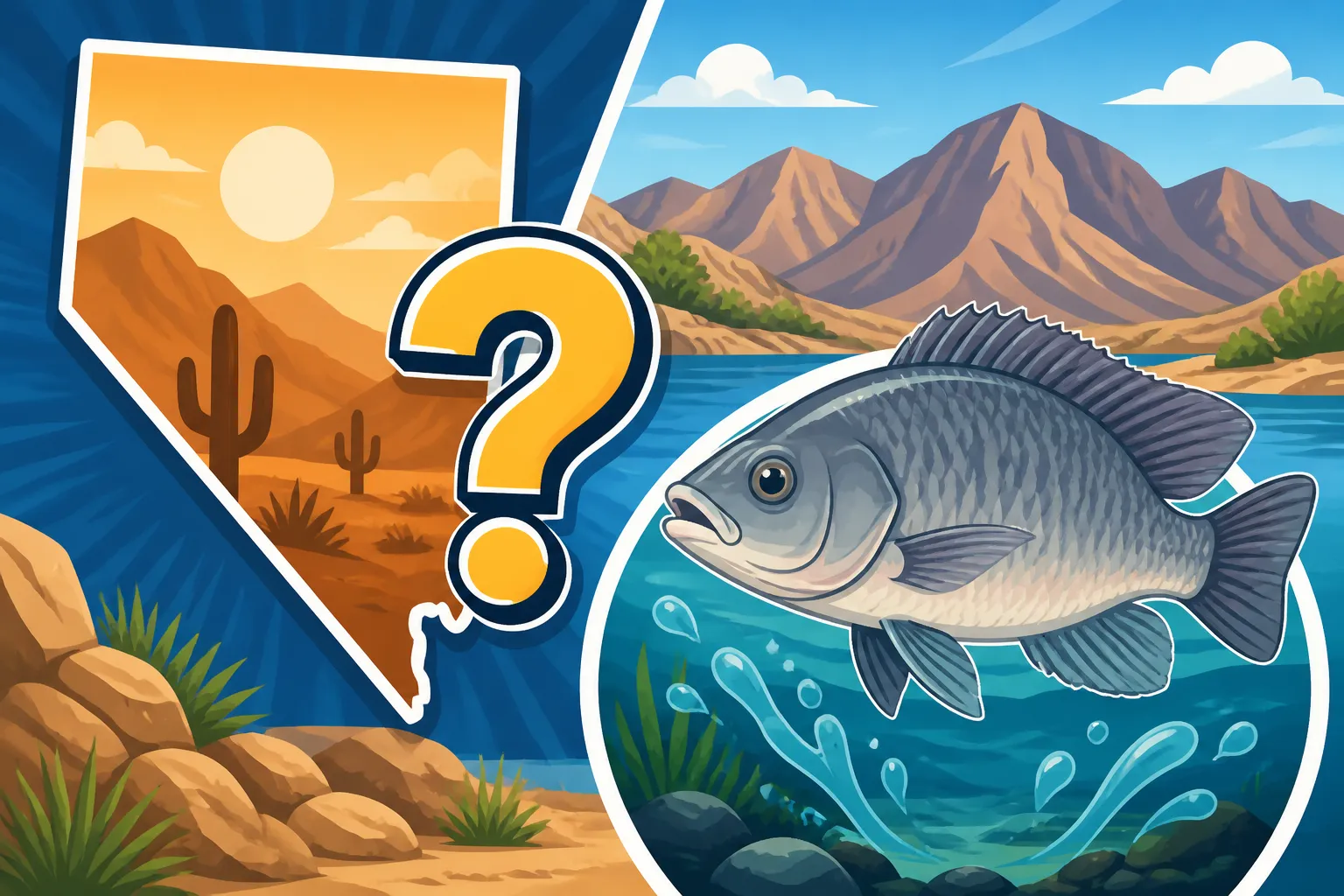
If you're out fishing and suspect you've caught a tilapia, knowing how to identify it is key. There are several species of tilapia, but they generally share some common characteristics. They tend to have deep, laterally compressed bodies, meaning they're somewhat flat side-to-side, similar to a sunfish or a crappie, but often larger. Their dorsal fin is typically long, with spiny rays in the front portion and soft rays towards the back, often continuous rather than distinctly separated. Many species exhibit distinct patterns or markings, especially on their fins.
Size-wise, tilapia can vary greatly. Some species might only reach a few inches, while others can grow over a foot long and weigh several pounds. Their coloration can range from silvery to olive green, sometimes with dark bars or spots. It's easy to confuse them with other panfish, especially if you're not used to seeing them. Always remember to check your local fishing regulations or a reliable fish identification guide if you're unsure.
Why Tilapia Are a Concern for Nevada's Ecosystems
While the idea of catching a new species might be exciting for some, the presence of tilapia in Nevada's waters is generally viewed with concern by environmental agencies like the Nevada Department of Wildlife (NDOW). Tilapia are notoriously aggressive and efficient competitors. They can outcompete native fish species for food resources, like insects, algae, and small aquatic organisms, and disrupt spawning areas. Their rapid reproductive rates mean they can quickly establish large populations, further intensifying competition and potentially altering the delicate balance of the aquatic ecosystem.
Beyond competition, tilapia can also degrade water quality by stirring up bottom sediments as they feed and nest, leading to increased turbidity. This can harm aquatic plants and other organisms that rely on clear water. For Nevada, a state with many unique and often fragile aquatic ecosystems, protecting native species and habitats from invasive threats is a top priority. This is why understanding and adhering to regulations regarding non-native species is so critical for responsible anglers. The rules are there to protect the waters we all love to fish.
Where You Might Actually Find Tilapia in Nevada
Nevada isn't exactly brimming with tilapia, and it's certainly not a species regularly stocked or managed for sport fishing. However, under very specific circumstances, you might encounter them.
Warmer Waters: The Key to Tilapia Survival
The primary factor determining where tilapia could survive in Nevada is water temperature. Being tropical fish, they absolutely need warm water to thrive and reproduce. Our vast, high-desert lakes and rivers, particularly those that experience cold winters, are generally unsuitable for their long-term survival. However, there are exceptions.
Areas fed by geothermal springs or canals with consistently warmer water, especially in the southern part of the state, could potentially harbor populations. Urban ponds in places like Las Vegas, which might not freeze solid in winter and receive supplemental water, could also offer a suitable, albeit limited, habitat. These specific conditions create microclimates that allow warm-water species, even non-native ones, to persist. For instance, the lower Colorado River system, which includes parts of Lake Mead and Lake Mohave, has documented instances of tilapia over the years due to its consistently warmer temperatures. These larger, more stable warm-water systems are far more likely candidates than, say, a high mountain lake in the Ruby Mountains.
Accidental Introductions and Unauthorized Stocking
The most common way tilapia get into non-native waters is through human action, sometimes intentionally, sometimes not. As mentioned before, escapes from aquaculture facilities, or the illegal dumping of aquarium fish, are prime culprits. You might wonder who would illegally stock a fish. Unfortunately, some people believe they are "improving" a local fishing spot or providing a food source, unaware of the severe ecological damage they can inflict.
These unauthorized introductions are a major headache for wildlife agencies. It’s impossible to police every backyard pond or every angler's intentions. This makes education and angler awareness incredibly important. It's crucial for us as responsible stewards of Nevada's natural resources to understand why moving fish from one body of water to another, or releasing non-native species, is a big no-no. It compromises the health and biodiversity of our precious waterways and can lead to costly and often unsuccessful eradication efforts. If you ever hear of someone planning such an act, gently educating them on the potential harm is a great first step, or reporting it to the appropriate authorities.
Specific Locations to Consider
While tilapia aren't widespread or actively managed in Nevada, historically, they have been observed in certain warm-water environments. The most likely places would be:
- Portions of the Lower Colorado River System: This includes specific coves or backwaters of Lake Mead Nevada Fishing Guide and Lake Mohave Nevada Fishing Guide, particularly where shallower, warmer waters persist year-round. These large reservoirs have complex ecosystems and can sometimes sustain species that might struggle elsewhere.
- Geothermally Influenced Waters: Any smaller, isolated ponds or springs that maintain consistent warm temperatures due to geological activity could theoretically host tilapia. These are often niche environments but can be ideal for such species.
- Urban Ponds in Southern Nevada: Some managed urban ponds, especially those that are regularly stocked with trout during cooler months and might retain warmer temperatures in summer, could potentially have rogue populations. However, NDOW actively manages these ponds, and they are usually vigilant about invasive species.
It's vital to stress that these are potential locations or historical observations, not guarantees of current thriving populations. Always consult the latest Nevada Fishing Regulations Explained from NDOW, as regulations regarding invasive species are critical and can change.
Fishing for Tilapia in Nevada: Techniques and Considerations
If you happen to be in an area where tilapia are known to exist and you decide to try catching them, the techniques aren't particularly complex. However, the legal and ethical considerations are paramount.
Simple Techniques: How to Target Them
Tilapia aren't generally considered a challenging sport fish, but they can be fun to catch, especially for beginners or kids, if you find them. They are often found in shallow, weedy areas or near structure where they feed on algae, detritus, and small invertebrates.
- Bait: They are opportunistic feeders. Small pieces of corn, bread, worms, or even tiny chunks of hot dog can be effective. PowerBait, often used for trout, can also sometimes attract them.
- Rigging: A simple bobber rig with a small hook (size 8 or 10) fished a few feet under the surface is often all you need. You can also fish a small piece of bait on the bottom with a tiny split shot weight.
- Lures: While primarily bait-eaters, very small jigs or micro-spoons might occasionally tempt them, especially if they resemble small insects or plant matter.
These fish tend to bite gently, so a sensitive rod and paying close attention to your bobber or line are important. If you're looking for basic gear for this kind of casual fishing, you can often find affordable options on platforms like Amazon, from simple rod and reel combos to starter tackle boxes.
Legalities and Regulations: What You Need to Know
This is the most critical section when discussing non-native species like tilapia. In Nevada, it is generally illegal to transport or release live non-native fish into any body of water without explicit authorization from the Nevada Department of Wildlife (NDOW). This is a crucial regulation designed to prevent the spread of invasive species and protect our native fish populations.
If you catch a tilapia in Nevada, the responsible action is to not release it back into the water. This is often a strict regulation for invasive species, and it's for good reason—to prevent further ecological damage. The exact rules can vary, so you absolutely must check the most current Nevada Fishing Regulations Explained booklet or the NDOW website before you head out. These regulations will specify what to do with invasive species if caught. There may also be specific rules about Nevada statewide bag limits explained for other species you might be targeting.
What to Do If You Catch a Tilapia
So, you've hooked a tilapia. Now what?
- Identify: Confirm it's actually a tilapia. If you're unsure, try to identify it using a reliable guide or app.
- Do Not Release: As stated, the most important rule is do not return it to the water. This is crucial for protecting native species and ecosystems.
- Dispose Properly: The most common directive for invasive species is to harvest and properly dispose of the fish. This usually means taking it home, humanely dispatching it, and either consuming it (if safe and desired, though quality can vary depending on water source) or disposing of it in the trash. Never leave dead fish on the bank, as this can attract pests or spread disease.
- Report (Optional but Encouraged): If you believe you've found a new or expanding population of tilapia, especially in an unexpected location, consider reporting it to NDOW. This information can help them monitor and manage invasive species threats.
Remember, the goal isn't necessarily to target tilapia in Nevada, but to be prepared and responsible if you do catch one.
Why You Might Not Want to Fish for Tilapia (and What to Target Instead)
While catching any fish can be fun, focusing on tilapia in Nevada comes with environmental implications and overlooks the incredible diversity of legitimate sport fish available.
Ecological Impact vs. Recreational Value
The main reason to be cautious about tilapia is their status as an invasive species. The recreational value of catching them pales in comparison to the potential harm they can inflict on Nevada's precious aquatic environments. Every tilapia caught and not released helps protect native fish by reducing the invasive population, but actively encouraging their spread or targeting them without understanding the rules can be problematic.
Our efforts as anglers should ideally align with conservation goals. Supporting healthy ecosystems means prioritizing native species and responsible angling practices. This approach ensures that future generations can enjoy the unique fishing experiences Nevada offers, from the delicate Lahontan Cutthroat Trout in Nevada to the robust Largemouth Bass Fishing in Nevada.
More Rewarding Game Fish in Nevada
Instead of focusing on a potentially invasive species, Nevada boasts a fantastic array of game fish that offer far more rewarding and sustainable angling experiences.
- Trout: Nevada is a trout paradise! From abundant rainbow trout (often stocked) to native Lahontan cutthroat, and even some brown trout in specific waters, trout fishing is a cornerstone of the state's angling scene. Places like Wildhorse Reservoir, Lake Tahoe, and numerous mountain streams are prime Best Nevada Trout Lakes destinations. Learn more about How to Fish for Trout in Nevada.
- Bass: Both largemouth and smallmouth bass thrive in many of Nevada's reservoirs, offering exciting action for anglers. Lake Mead and Lake Mohave are renowned for their bass fishing, with plenty of opportunities to catch trophy-sized fish. You can find detailed guides on How to Fish for Bass in Nevada.
- Striped Bass: For those who love a hard-fighting fish, the striped bass in Lake Mead and Lake Mohave are a major draw. These powerful fish can grow very large and provide an unforgettable angling experience. Check out How to Fish for Striped Bass in Nevada.
- Catfish: Channel catfish are plentiful in many of Nevada's warmer reservoirs and urban ponds, offering excellent night fishing opportunities and a delicious meal. Learn about Channel Catfish Fishing in Nevada.
These are just a few examples of the diverse and exciting fishing opportunities that are not only legal but also actively managed and encouraged by NDOW.
Discovering Nevada's True Fishing Gems
Nevada's angling landscape is incredibly varied, from high alpine lakes to vast desert reservoirs and urban ponds. Each offers unique challenges and rewards. Rather than chasing a non-native species, immerse yourself in the richness of what Nevada truly has to offer. Spend a weekend fly fishing the Truckee River for wild trout, or take the family to one of the well-stocked Las Vegas Nevada Urban Pond Fishing Guide for a fun day catching rainbow trout or panfish. Explore the deep waters of Lake Tahoe for Mackinaw Lake Trout at Lake Tahoe, or experience the thrill of Pyramid Lake's giant cutthroat.
Embrace the local regulations, learn about the native species, and enjoy the pristine beauty of Nevada's diverse aquatic environments. You'll find a lifetime of fishing adventures focusing on the species that belong here and contribute positively to our outdoor heritage.
Here's a quick comparison of Tilapia to some common, desirable Nevada game fish:
| Feature | Tilapia | Rainbow Trout | Largemouth Bass |
|---|---|---|---|
| Native To | Africa/Middle East | Pacific Ocean (introduced worldwide) | Eastern & Central North America (introduced here) |
| Nevada Status | Non-native, invasive concern | Non-native, widely stocked and managed | Non-native, widely established and managed |
| Preferred Temp | Warm water (above 60°F/15°C) | Cool to cold water (45-65°F/7-18°C) | Warm water (65-80°F/18-27°C) |
| Typical Size | 6-12 inches (can vary) | 8-20 inches (stocked to trophy) | 10-22 inches (common to trophy) |
| Diet | Algae, detritus, small invertebrates | Insects, small fish, crustaceans | Small fish, crayfish, insects, frogs |
| Sport Value | Moderate (panfish) | High (aggressive fighters, beautiful fish) | High (strong fighters, acrobatic) |
| Conservation | Removal encouraged due to invasive risk | Managed for sport, catch limits apply | Managed for sport, catch limits apply |
Disclaimer
This article is for general informational purposes only and does not constitute professional advice. Laws, prices and regulations vary by location and change over time. Consult a qualified professional for guidance on your specific situation.