Nevada Boater Education Course Options
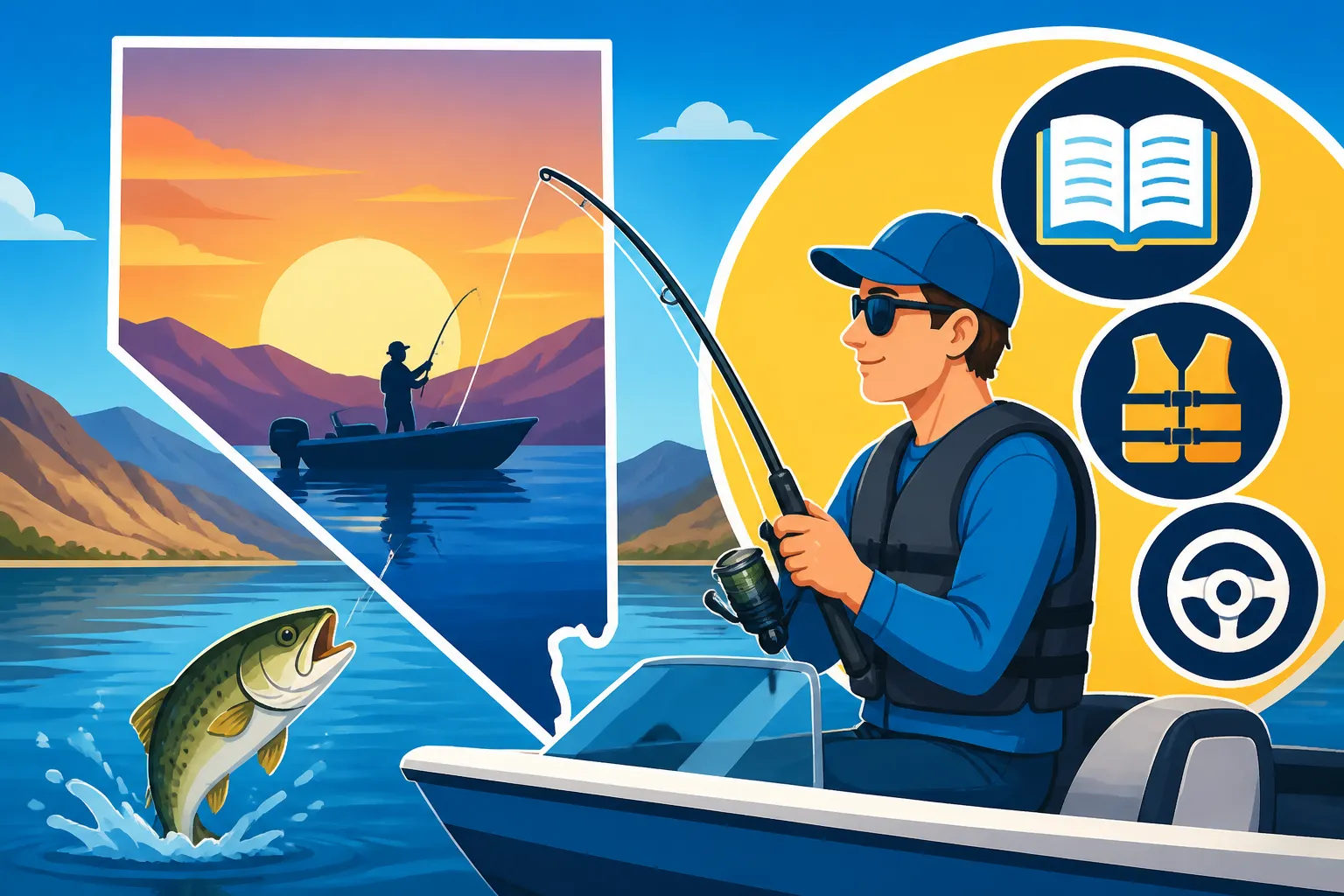
There's nothing quite like the feeling of being out on a Nevada lake, the sun on your face, the wind in your hair, and the open water stretching out before you. Whether you're chasing trophy bass on Lake Mead, trolling for Mackinaw on Lake Tahoe, or simply enjoying a peaceful afternoon cruise, Nevada's waterways offer incredible experiences. However, with that freedom comes a big responsibility. Many folks don't realize that operating a boat, especially a motorized one, comes with specific rules, and often, a mandatory education requirement. It can feel like a bureaucratic hurdle, but trust me, understanding Nevada's boater education options is crucial not just for staying legal, but for ensuring a safe and enjoyable time for everyone on the water. This guide will walk you through everything you need to know about getting your Nevada boater education card.
Why Boater Education is Essential in Nevada
Let's be real, nobody wants to spend their precious time off sitting in a classroom or clicking through an online course when they could be out on the water. But when it comes to boating, a little education goes a very long way. It’s not just about ticking a box; it’s about protecting yourself, your passengers, and everyone else who shares our beautiful Nevada lakes and rivers. Think of it as investing in your peace of mind and your future enjoyment.
Understanding Nevada's Boating Safety Mandates
The Nevada Department of Wildlife (NDOW) is responsible for regulating boating safety in the state, and they've put these requirements in place for some very good reasons. Boating accidents, while thankfully not an everyday occurrence, can be serious, and often, they're preventable. These mandates aim to reduce those risks. The core of it is ensuring that anyone operating a vessel has a fundamental understanding of navigation rules, safety procedures, and responsible boating practices. It’s like getting your driver's license for the road; you wouldn't just jump in a car and go without knowing the rules, would you?
The frustration for many comes from feeling like it's just another hoop to jump through, especially if you've been boating for years or decades in other states. However, Nevada's waters can present unique challenges, from the sheer size and busy nature of places like Lake Mead to the deep, cold waters of Lake Tahoe. Local conditions, unique regulations, and even specific species of fish can mean different rules apply. Knowing the general laws, speed limits, right-of-way rules, and how to handle emergencies are all part of the curriculum. The state isn't trying to make it harder to get on the water; they're trying to make sure everyone comes back off the water safely. You can find more details on general requirements in our guide to Nevada Boater Education Card Requirement.
The Benefits Beyond Compliance
Beyond simply obeying the law, taking a boater education course offers tangible benefits. First and foremost, it enhances your confidence on the water. Knowing how to react in an unexpected situation – like a sudden storm, an engine malfunction, or an encounter with another vessel – can turn a potentially dangerous situation into a manageable one. It's not just about what to do, but how to do it safely and efficiently.
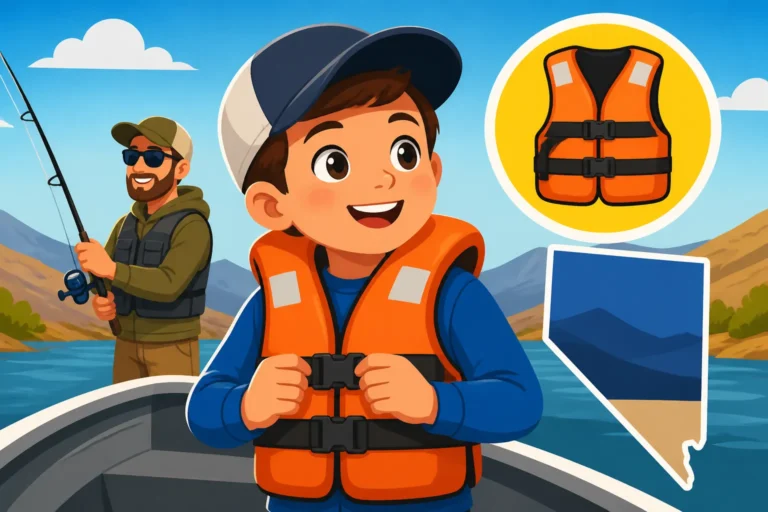
Secondly, it actually makes your boating experience more enjoyable. When you understand the "rules of the road" and common courtesy, you can relax more, knowing you’re navigating safely and responsibly. You’ll be better equipped to prevent accidents, handle minor issues yourself, and generally have a smoother day. Plus, who wants the stress of a potential citation? Understanding rules like those for Nevada Life Jacket Requirements for Kids or proper navigation signals can save you a headache and a fine. Finally, some insurance companies even offer discounts for boaters who have completed an approved education course. So, while it feels like a small investment of time, the return in safety, peace of mind, and even potential savings is absolutely worth it.
Who Needs a Boater Education Card in Nevada
This is often where the confusion begins for many boaters. The rules aren't always crystal clear, and they can depend on your age, the type of boat you operate, and even when you were born. It's easy to assume that if you're an experienced boater, these rules don't apply to you, but Nevada has specific mandates that cast a wide net to ensure safety across the board. Don't let a misunderstanding spoil your day on the lake – take a moment to understand if you fall into one of these categories.
Age Requirements and Exemptions
In Nevada, the primary requirement for boater education is tied to age. Generally, if you're operating a boat with a motor of 15 horsepower or more, and you were born on or after January 1, 1983, you're required to possess a Nevada Boater Education Card. This means if you're a younger boater, or if you've recently moved to Nevada and fit this age criteria, you'll need to complete an approved course. This isn't just for newcomers; long-time Nevada residents who meet the birthdate criteria also need the card.
Now, there are some exemptions, of course. For example, if you're operating a boat on a private lake or pond, the state's public waterway rules typically don't apply. Also, if you're operating a vessel under the direct supervision of another person who is at least 18 years old and holds the required boater education card, you may be temporarily exempt. However, the intent of the law is to ensure widespread knowledge, so relying on exemptions isn't usually the best long-term strategy for regular boaters. For a more detailed look at who needs one, check out Nevada Boater Education Card Age Cutoff and Who needs a boater education card in Nevada.
Specific Vessel Types and Operator Rules
The "15 horsepower or more" rule is key. This generally covers most powerboats, personal watercraft (like jet skis), and larger fishing boats. If you're out on a quiet lake with an electric trolling motor or a small outboard motor under 15 horsepower, you typically aren't subjected to the same mandatory education requirements. However, this doesn't mean you shouldn't consider taking a course – safety knowledge is always a good thing, regardless of your vessel's size.
What about non-motorized vessels? If you're paddling a kayak, canoe, or stand-up paddleboard, you're generally exempt from the mandatory boater education card. But remember, general navigation rules, proper lookout, and carrying essential safety gear like life jackets still apply. Even a small craft can capsize or get into trouble, especially on large, busy bodies of water. For those considering larger vessels, you might also want to familiarize yourself with Nevada Boat Registration and Titling Guide as that's a whole other set of requirements often applicable to the same types of boats that need the education card. It’s always best to check the latest NDOW regulations, because rules can evolve, and you don’t want to be caught off guard by an enforcement officer while enjoying your day.
Navigating Your Boater Education Course Options
Alright, so you've figured out that you need a boater education card. Now what? The good news is that Nevada offers several convenient ways to fulfill this requirement, catering to different learning styles and schedules. You don't necessarily have to spend a full weekend cooped up in a classroom, though that's an option too! Finding the right fit for you is key to making the process as smooth as possible.
NDOW-Approved Online Course Providers
For many people, especially those with busy schedules or who prefer to learn at their own pace, online courses are a lifesaver. These courses are typically self-paced, allowing you to stop and start as needed, tackling the material when it's convenient for you. You'll work through modules covering everything from navigation rules and waterway markers to emergency procedures and responsible environmental practices. The convenience factor is huge here – you can do it from your living room, on your lunch break, or even while traveling.
Several NDOW-approved providers offer these online courses. You'll want to make sure any course you choose is indeed approved by the state of Nevada to ensure your certificate is valid. These platforms often incorporate interactive quizzes, videos, and easy-to-understand explanations to keep the learning engaging. Once you complete the course material, there's usually a final exam that you'll need to pass to receive your certificate. You might even find some reputable course providers that offer digital study guides or flashcards, which can be super helpful.
In-Person Classroom Courses
For those who thrive in a traditional classroom setting, or who prefer direct interaction with an instructor, in-person courses are a fantastic option. These classes are typically offered by NDOW itself, local boating organizations, or even community colleges. The schedule is usually set, often over a weekend or a series of evenings, providing a structured learning environment.
The big advantage here is the ability to ask questions in real-time and get immediate clarification from experienced instructors. You'll also have the opportunity to interact with other future boaters, sharing experiences and learning from each other. Sometimes these classes even incorporate hands-on demonstrations or provide specific local insights that might be harder to glean from an online course. Check the NDOW website or local community calendars for upcoming courses in your area. Attending an in-person course can also sometimes be a good way to find out about local boating communities and resources, perhaps even learning about specific challenges or opportunities on local waterways like those at Lake Mead Nevada Fishing Guide or Lake Tahoe Nevada Fishing Guide.
Self-Study Materials and Resources
While not a direct path to certification on its own, utilizing self-study materials can greatly enhance your learning, no matter which course route you choose. NDOW often provides a free boating safety handbook or regulations booklet that is an invaluable resource. This booklet contains official regulations, navigation rules, and safety guidelines that will be covered in any approved course. It’s an excellent companion to any online or in-person program.
You can often pick up these handbooks at NDOW offices, some marinas, or even download them directly from the NDOW website. Additionally, a quick search on sites like Bass Pro Shops or Amazon might reveal supplementary study guides, flashcards, or practice test books that can help you solidify your understanding before taking the official exam. These materials can be particularly useful for reviewing key concepts and ensuring you're fully prepared for the final test. The more prepared you are, the less stress you'll feel when it comes time to earn that card!
What to Expect from a Nevada Boater Education Course
Stepping into a boater education course, whether virtual or in person, might feel a bit like going back to school. But unlike your high school history class, this is knowledge that directly impacts your safety and enjoyment on the water! Knowing what's coming can ease any anxiety and help you focus on absorbing the important information. It's a structured approach designed to ensure every cardholder has a baseline understanding of what it means to be a responsible boater.
Key Topics Covered in the Curriculum
The curriculum for a Nevada boater education course is quite comprehensive, designed to cover all the essential knowledge needed for safe boat operation. You'll dive deep into several critical areas. One major section will focus on Navigation Rules, which are essentially the "rules of the road" for the water. This includes right-of-way scenarios, understanding navigation lights, and how to safely pass or meet other vessels. You'll learn about different types of buoys and markers and what they signal – crucial for staying in safe waters and avoiding hazards.
Another significant component is Boating Safety Equipment. This isn't just about what's nice to have, but what is legally required on your vessel. Think about life jackets for everyone on board (especially those specific rules about Nevada Life Jacket Requirements for Kids), fire extinguishers, visual distress signals, sound-producing devices, and even things like anchor types suitable for Nevada's various lake beds. There's also a big focus on Environmental Responsibility, covering topics like preventing the spread of invasive species (a huge concern for Nevada's ecosystems) and proper waste disposal. You'll also learn about Emergency Procedures, such as what to do in case of a capsizing, fire, or person overboard situation. Finally, Boating Under the Influence (BUI) laws and prevention are thoroughly covered, emphasizing the severe dangers and legal consequences of impaired boating.
The Exam Process and Certification
Once you've worked your way through all the course material, the grand finale is typically a proctored exam. For online courses, this usually means a secure online testing environment. For in-person classes, it's a traditional written test. The exam is designed to ensure you've truly grasped the core concepts and aren't just memorizing answers. It's a test of practical knowledge, not just rote memorization. Don't worry, if you've paid attention and engaged with the material, you should be well-prepared.
Passing the exam is what earns you your official Nevada Boater Education Card. This isn't usually a physical card issued on the spot; instead, you'll typically receive a temporary certificate, and your permanent card will be mailed to you by NDOW or the course provider. It's essential to keep this card with you whenever you're operating a boat that requires it. Think of it like your driver's license – you need to be able to present it if requested by a game warden or law enforcement officer. This certification demonstrates that you've met the state's safety standards and are ready to enjoy Nevada's waters responsibly.
Keeping Your Boater Education Card Valid
The good news is that once you earn your Nevada Boater Education Card, it's generally valid for life! Unlike a driver's license that needs periodic renewal, this is a one-time requirement. This means you won't have to retake the course or the exam every few years. However, while the card itself doesn't expire, it's always a smart idea to stay current with any changes in Nevada's boating laws and regulations. NDOW publishes updated regulations periodically, and it's your responsibility as a boater to know them.
Think of it this way: the fundamental rules of navigation don't change much, but specific requirements for safety gear, environmental protections, or even designated boating areas might. So, while you won't need to renew your card, staying informed by reviewing the annual regulations booklet or checking the NDOW website is a great practice. This ensures that you're always operating legally and safely, even years after getting your initial certification. If you're ever in doubt about specific regulations, especially concerning new equipment or environmental concerns, don't hesitate to check official NDOW resources.
Frequently Asked Questions About Nevada Boater Education
It's completely normal to have a few lingering questions after learning about something as important as boater education. This isn't something most people deal with every day, and the rules can sometimes feel a bit convoluted. We're here to clear up some of the most common concerns and point you in the right direction for more help, ensuring you feel confident and prepared before heading out on any of Nevada's beautiful bodies of water.
Common Concerns and Clarifications
"Do I need a boater education card if I'm just visiting Nevada?"
Yes, if you meet the age and horsepower requirements, you generally do. Nevada recognizes boater education cards or certificates issued by other states, provided they are approved by the National Association of State Boating Law Administrators (NASBLA). So, if you have a valid card from your home state that meets NASBLA standards, you're likely good to go. However, it's always wise to double-check with NDOW or the course provider for specific reciprocity details, especially if you're planning an extended stay or frequently visit. This is important for our Nevada Out-of-State Angler Requirements too!
"Can a 15-year-old drive a boat with a motor in Nevada?"
This is a common question, and it has a nuanced answer. Generally, a person must be at least 12 years old to operate a motorboat or personal watercraft in Nevada, but if they are between 12 and 17 years old, they must either possess a boater education card or be accompanied by an adult (at least 18 years old) who holds a boater education card. So, while a 15-year-old can operate a boat, they need to either have their own card or have a qualified adult supervising them. For specific details on this, you can look up Can a 15-year-old drive a boat with a motor in Nevada?.
"Where can I find the official Nevada Boating Laws Handbook?"
The NDOW website is always the best place to find the most current official Nevada Boating Laws Handbook. You can usually download a PDF version for free, or you might be able to pick up a physical copy at NDOW offices, some larger marinas, or sporting goods stores like Bass Pro Shops. This handbook is truly your bible for understanding all the regulations beyond just the education card requirement.
"What if I lose my boater education card?"
If you lose your card, don't panic! Most approved online course providers have a system for issuing replacement cards for a small fee. If you took an in-person course through NDOW, you would contact them directly for assistance. It's a good idea to keep a digital copy of your certificate or a clear photo of your card on your phone, though always confirm if a digital version is acceptable as official proof in your specific situation.
Where to Find Additional Support
If you have questions that aren't covered here or need very specific clarification, your first and best resource is the Nevada Department of Wildlife (NDOW). Their website has a wealth of information, including frequently asked questions, contact details for their regional offices, and direct links to approved course providers. They are the ultimate authority on Nevada's boating regulations.
Another excellent resource is the US Coast Guard Auxiliary and the United States Power Squadrons. These volunteer organizations often provide additional boating safety courses, vessel safety checks, and can be great places to get advice and connect with experienced boaters. While their courses might not always be the primary path to the state-mandated education card, they offer invaluable supplementary knowledge and promote a strong culture of boating safety. Local marinas and reputable marine supply stores (like Bass Pro Shops, or even major online retailers like Amazon for general safety gear) can also sometimes offer guidance or point you to local resources. Remember, safe boating is a community effort, and there's plenty of support out there!
| Boater Education Options | Format | Key Advantages | Typical Cost (Check Provider) |
|---|---|---|---|
| Online Courses | Self-paced, web-based modules | Flexibility, learn anywhere/anytime | Varies by provider, usually a one-time fee |
| In-Person Classes | Structured classroom setting | Direct instructor interaction, hands-on sometimes | Varies by provider, may include materials |
| Self-Study Materials | NDOW handbook, supplementary guides | Free/low cost, reinforces learning | Free (NDOW handbook), varies (other guides) |
Disclaimer
This article is for general informational purposes only and does not constitute professional advice. Laws, prices and regulations vary by location and change over time. Consult a qualified professional for guidance on your specific situation.