Best sinker weight for bottom fishing a reservoir
One of the most frustrating things when you're out bottom fishing at a Nevada reservoir is feeling like your bait isn't where it needs to be, or worse, getting snagged constantly. Choosing the right sinker weight can feel like a mystery, leaving you wondering if you're making the right call for the conditions. This guide is all about demystifying sinker weights for bottom fishing in Nevada's diverse reservoirs, helping you present your bait effectively and keep those snags to a minimum.
Why Sinker Weight is Your Unsung Hero for Reservoir Bottom Fishing
When you're bottom fishing, the sinker isn't just there to get your bait down; it's a critical component in how your bait behaves, how well it stays put, and even how you detect bites. Many anglers, especially those new to the game or visiting from areas with different water conditions, overlook the nuances of sinker selection, thinking any weight will do. But in Nevada's varied reservoirs—from the deep, clear waters of Lake Tahoe to the sprawling expanses of Lake Mead or the often-windy Wildhorse Reservoir—the right sinker makes all the difference.
Think about it: if your sinker is too light, a subtle current, a slight breeze creating waves, or even a fish mouthing the bait could drag your entire setup away from the strike zone. You might be constantly reeling in, convinced you're getting bites, only to find your bait has simply shifted. On the flip side, a sinker that's too heavy can bury your bait in soft sediment, make it look unnatural, or prevent you from feeling those delicate takes from finicky fish. It can also lead to more snags, especially in rocky or brush-filled areas that are common in our desert lakes. The goal is always to find that perfect balance where your bait is held in place, yet still looks appealing and allows you to feel what's happening at the end of your line.
Decoding the Variables: What Impacts Your Sinker Choice in Nevada Reservoirs
Choosing the best sinker weight isn't a one-size-fits-all situation; it's a dynamic decision influenced by several key factors unique to the body of water you're fishing and the techniques you're using. Understanding these variables will empower you to adapt your setup for optimal results, whether you're targeting trout in a mountain lake or bass in a desert impoundment.
Water Conditions: Current, Depth, and Wind
Nevada's reservoirs can present a wide range of water conditions, sometimes even within the same lake on different days. Current is a huge factor. While large reservoirs might not have strong river-like currents throughout, subtle underwater currents caused by water flow from inlets, dams, or even temperature differentials can certainly move lighter rigs. If you're fishing near a dam outflow or a river channel, you'll need more weight to keep your bait stationary. Similarly, depth plays a role; deeper water often requires more weight simply to get your bait down efficiently and to overcome any drag from your fishing line itself. A shallow coves might only need a small split shot, but fishing a drop-off into 40 feet of water will demand something much heavier.
Then there's the wind, which is almost a constant companion in many parts of Nevada. A strong gust blowing across the surface creates waves, which in turn move your line and can easily displace a light sinker. If you're bank fishing on a windy day, you'll feel your line getting pushed around, dragging your bait along with it. In these conditions, upping your sinker weight isn't just about getting the bait down, but about anchoring it effectively against the forces of nature. Conversely, on a calm, windless day in a sheltered cove, you can often get away with a much lighter presentation, which can sometimes be more enticing to wary fish.
Target Species and Bait Type
The fish you're after and the bait you're using also heavily influence your sinker choice. If you're bottom fishing for aggressive striped bass at Lake Mead with a large chunk of anchovy or a big shiner, you'll often need a substantial sinker to keep that bait from flying off on the cast or getting dragged by the fish's initial tugs. These fish aren't usually picky about a heavy sinker. However, if you're trying to coax a finicky rainbow trout in one of the state's urban ponds or a high mountain lake using a small PowerBait nugget or a delicate worm, a lighter touch is usually preferred. Trout can be surprisingly sensitive to unnatural presentations, and a heavy sinker can make your bait look completely out of place.
Similarly, the bait itself has weight and buoyancy. A live worm or a buoyant piece of dough bait will behave differently underwater than a heavy chunk of cutbait. If your bait is naturally buoyant and you want it to float just off the bottom, a lighter sinker with a short leader might be perfect. But if you want a large, heavy bait to sink quickly and stay put, you'll need a more substantial weight. Consider the "action" you want your bait to have; do you want it to drift a little with the current, or be absolutely stationary? This will guide your sinker choice. When looking for tackle, keep an eye on options at places like Bass Pro Shops for specific species-focused terminal tackle.
Rod and Line Setup
Your fishing rod and line setup also play a crucial role in sinker selection. A very light action rod designed for panfish or finesse trout fishing simply won't be able to cast a heavy two-ounce sinker effectively, and trying to do so risks snapping your rod tip. Conversely, a heavy-action catfishing rod or a surf-casting rod can handle much larger weights with ease. The general rule of thumb is to match your sinker weight to the casting weight recommendations on your rod, which are usually printed near the handle.
Your fishing line's breaking strength (test) also needs to be considered. If you're using light monofilament line, say 4-6 lb test, a heavy sinker can put undue stress on the line during casting and retrieval, leading to break-offs. Heavier lines, like 10-20 lb test monofilament or braided lines, are far more capable of handling heavier sinkers without issue. Furthermore, lighter lines are more susceptible to being moved by current or wind, sometimes necessitating a slightly heavier sinker than you might otherwise use, just to counteract the line's drag. Having a good understanding of Best Line for Desert Reservoir Fishing can help you make these decisions.
Practical Guide to Sinker Selection: Matching the Weight to the Water
Now that we've covered the "why," let's get into the "how." Choosing the best sinker weight in a real-world scenario involves a bit of informed guesswork and a willingness to adapt. Here’s how to approach it for typical Nevada reservoir conditions.
Starting Light and Adjusting Up
A good rule of thumb for any new fishing spot or when conditions are uncertain is to start with a lighter sinker and gradually increase the weight until you achieve the desired stability. If you're fishing a relatively calm, shallow area (say, under 15 feet) with minimal wind and no strong currents, you might start with a 1/4 ounce or 1/2 ounce egg sinker or a small split shot. Cast it out and observe. Is your line moving too much? Is it settling where you want it? Are you feeling subtle bumps that might be snags or just the current moving your bait?
If you find your bait is drifting, or you can't feel the bottom effectively, it's time to bump up the weight. Try 3/4 ounce, then 1 ounce, and so on. This method helps you use the minimum amount of weight necessary, which often leads to a more natural bait presentation and better bite detection. Remember, the goal isn't to use the heaviest sinker possible, but the right sinker for the job. This iterative process of starting light and adjusting is especially useful when targeting more sensitive species like trout where a subtle presentation is key. Check out Best Tackle for Nevada Trout Fishing for more species-specific advice.
Heavier for Currents, Wind, and Depth
When faced with stronger currents, significant wind, or deeper fishing spots, don't hesitate to reach for heavier weights. For fishing the main channels of large reservoirs like Lake Mead or Lake Mohave, especially if there's any noticeable current or strong winds, weights ranging from 1 ounce to 3 ounces are quite common for bottom fishing, particularly for striped bass or catfish. The same goes for fishing deep drop-offs, where a heavier sinker gets your bait to the bottom quicker and helps maintain contact.
If you're fishing from a boat and anchoring in a specific spot, a heavier sinker can also help keep your bait directly under your boat, preventing it from swinging out too far. This is crucial for precise bait placement. For bank anglers dealing with a stiff breeze that's creating a big bow in their line, increasing sinker weight can help punch through the wind and keep the line tighter to the bottom. Sometimes, even using a specific sinker shape, like a pyramid sinker that digs into the bottom, can be more effective than just adding more weight with a round sinker. Having a variety of sinker weights on hand, from 1/8 oz up to 2-3 oz, is always a smart move. You can easily stock up on a good assortment from online retailers like Amazon.
Snags: The Enemy of Bottom Fishing
One of the biggest frustrations of bottom fishing, especially in rocky or brush-filled Nevada reservoirs, is getting snagged. Sometimes, a heavier sinker can paradoxically reduce snags if it helps your line stay tight and prevents your bait from drifting into trouble. However, in other situations, a lighter sinker that allows your bait to gently flow over obstacles might be better.
If you're constantly snagging, here are a few things to consider:
- Change Sinker Type: A flat-sided or "no-snag" sinker might glide over rocks better than a round egg sinker. For example, a "coin" or "spider" sinker designed to avoid snags can be invaluable.
- Use a Shorter Leader: If your bait is floating high above a snaggy bottom due to a long leader, it might swing into cover. A shorter leader keeps it closer to the sinker, hopefully on a clearer patch.
- Try a Breakaway Sinker: Some anglers use a very light monofilament line to attach their sinker, so if it snags, only the sinker breaks off, saving your main line and hook.
- Fish a Different Spot: Sometimes, the best solution to snagging is simply to move a few yards down the bank or reposition the boat slightly. Understanding Bank Fishing Techniques for Desert Lakes can give you more strategies for dealing with snags.
A Deep Dive into Sinkers: Types, Shapes, and When to Use Them
Knowing the different types of sinkers available is just as important as knowing how much weight to use. Each design has its advantages and disadvantages depending on the conditions and your target species. You'll find these varieties widely available at fishing shops.
| Sinker Type | Description | Best Use Cases | Drawbacks |
|---|---|---|---|
| Egg Sinker | Oval or egg-shaped, slides freely on the main line. | General bottom fishing, still water, light current, when subtle bite detection is important. | Can roll in strong current, snags in rocky bottoms. |
| Bullet Sinker | Tapered, aerodynamic shape, often used with Texas rigs. | Fishing through weeds, cover, or timber for bass. | Not ideal for strong currents, can roll on smooth bottoms. |
| Pyramid Sinker | Four-sided pyramid shape, designed to dig into soft bottoms. | Strong currents, surf fishing, soft sand or mud bottoms, windy conditions for anchoring bait. | Prone to snagging in rocky terrain, less sensitive. |
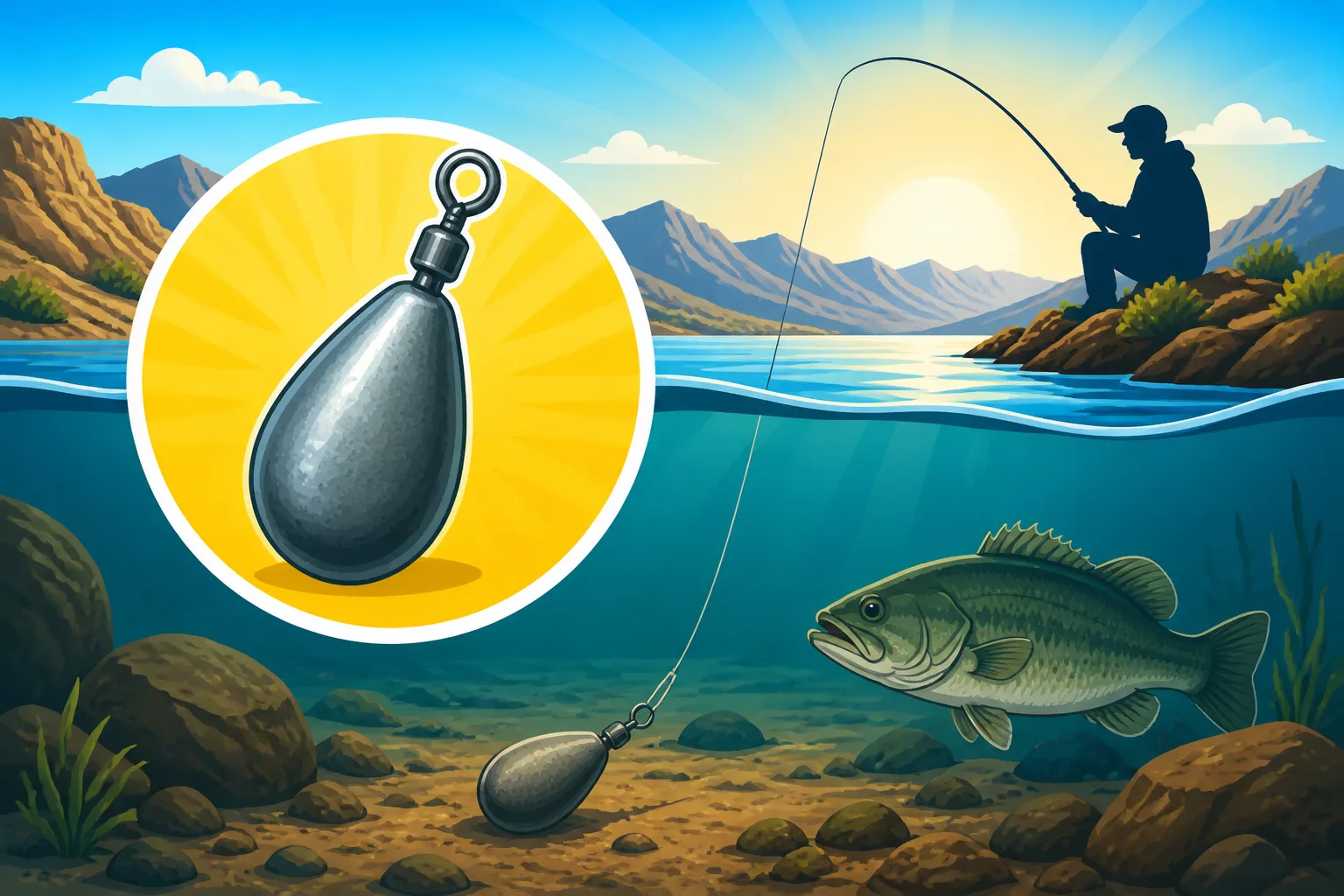
| Bank Sinker | Pear-shaped with a tapered end, usually a swivel molded in. | General bottom fishing, moderate currents, often used with bait rigs for catfish or larger species. | Can still roll in very strong currents, potential for snags in sharp rocks. |
| Split Shot | Small, round weights that pinch onto the line. | Finesse fishing, adding minimal weight, adjusting buoyancy, trout and panfish. | Very light, easily moved by current or wind, can damage line if clamped too hard. |
| Drop Shot Sinker | Tear-drop or cylinder shape, attached to a swivel, designed to be easily removed. | Drop shot rigs for bass (keeping bait suspended off bottom), rocky areas (less snagging). | Specific to drop shot technique, not for general bottom fishing. |
| Slinky Sinker | Cordura sleeve filled with lead shot, flexible and snag-resistant. | Extremely rocky or snag-prone bottoms, river fishing (glides over obstacles). | Not widely available, can be expensive, may not cast as far. |
Choosing the Right Sinker for Nevada's Specific Fisheries
Nevada's waters, from the vastness of Lake Tahoe to the desert-surrounded Lake Mead and the unique Pyramid Lake, each present their own challenges.
- Lake Mead and Lake Mohave: For striped bass and channel catfish, you'll often find yourself reaching for bank or egg sinkers in the 1 to 3-ounce range, especially if you're fishing deeper areas or experiencing wind. If you're targeting largemouth bass around structure, bullet weights for Texas rigs will be your go-to. How to Fish for Striped Bass in Nevada often involves heavier gear.
- Pyramid Lake: While known for its ladder fishing, if you're bottom fishing from shore or boat, bank or pyramid sinkers are common to keep your bait (often cutbait or PowerBait) in place against the lake's sometimes strong waves and currents. Weight can range from 1 to 4 ounces or more depending on conditions and distance. Make sure you check Pyramid Lake Fishing Permit Guide and tribal regulations for this unique fishery.
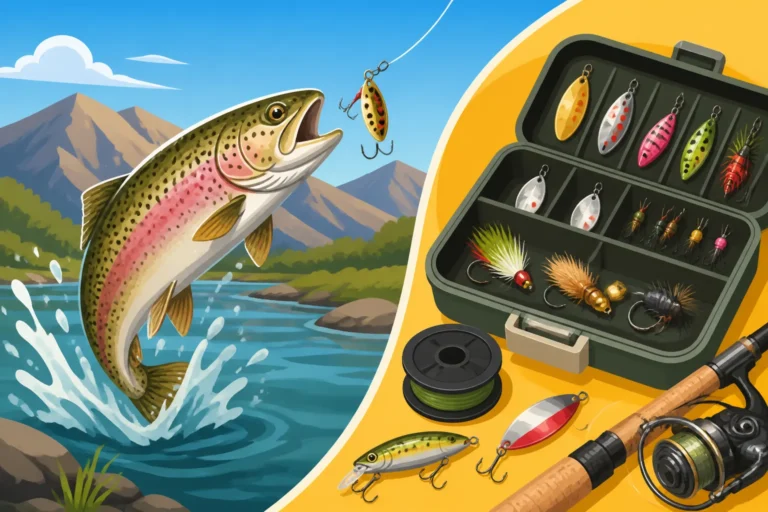
- High Mountain Lakes and Urban Ponds: For trout, finesse is typically the name of the game. Small egg sinkers, split shots, or even a few carefully placed removable weights are usually all you need. Think 1/8 ounce to 1/2 ounce at most, allowing your bait to drift naturally. This is where a subtle presentation with Best Tackle for Nevada Trout Fishing really shines.
- Rivers (e.g., Truckee River): While not reservoirs, river bottom fishing benefits from understanding sinker weight. For flowing water, pyramid or flat-sided bank sinkers that dig into the bottom are best to prevent your bait from constantly washing downstream. You'll need enough weight to hold, but not so much that it's unmovable.
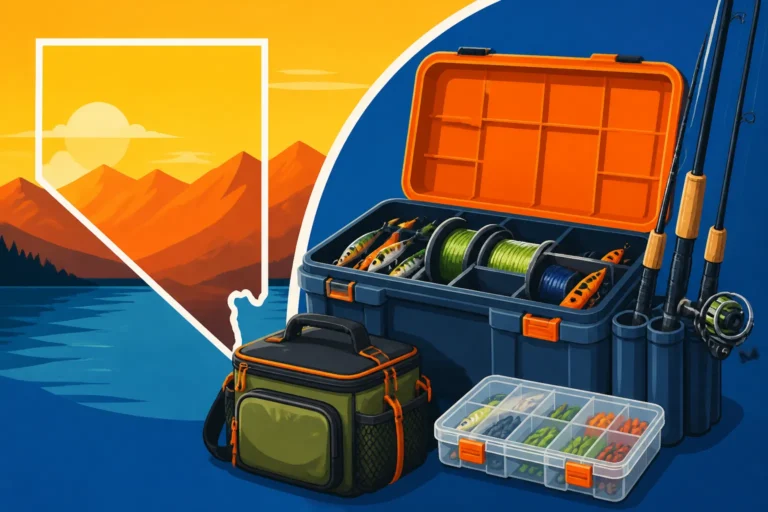
No matter where you're fishing in Nevada, having a diverse tackle box filled with various sinker types and weights, easily sourced from sporting goods stores like Bass Pro Shops or online platforms like Amazon, will ensure you're prepared for whatever the water throws at you. Don't be afraid to experiment, and pay close attention to how your bait is behaving underwater. That's the secret to successful bottom fishing.
Disclaimer
This article is for general informational purposes only and does not constitute professional advice. Laws, prices and regulations vary by location and change over time. Consult a qualified professional for guidance on your specific situation.