Do you need waders for fishing the Truckee River?
If you're gearing up for a fishing adventure on Nevada's iconic Truckee River, one question that often pops up for anglers, especially those new to the area or river fishing in general, is whether waders are truly necessary. The truth is, the answer isn't a simple yes or no; it depends heavily on your fishing style, the time of year, and what you hope to accomplish out on the water. This comprehensive guide will help you navigate the nuances of fishing the Truckee, detailing when waders are your best friend, when you might get by without them, and how to choose the right gear to make your trip comfortable and successful.
Understanding the Truckee River's Character
The Truckee River is a gem, flowing from Lake Tahoe through Reno and Sparks before emptying into Pyramid Lake. It's a lifeline in the high desert, known for its challenging yet rewarding trout fishing. But this river isn't a gentle, uniform stream; its character changes significantly along its course and throughout the seasons.
The Flow and Depth: More Than Meets the Eye
From its origins at Lake Tahoe to its final destination in Pyramid Lake, the Truckee River showcases a diverse range of water conditions. In some stretches, especially closer to Tahoe and in the upper canyons, you'll find faster flows, deeper runs, and rocky bottoms that demand careful navigation. Here, the water can be surprisingly cold and swift, even on a warm day. You might encounter deep pockets that are well over your knees, or stretches where the current could easily sweep you off your feet if you're not properly equipped. Further downstream, as it winds through urban areas like Reno, the river might appear calmer and shallower in certain sections, but deceptive deep holes and slippery, algae-covered rocks can still pose a challenge.
Many prime fishing spots are only accessible by wading, allowing you to get closer to structure, seams, and deeper pools where trout tend to hold. Without waders, you'd be limited to casting from the bank, potentially missing out on the best action. The bottom can be a mix of smooth river rock, slippery algae-covered stones, and soft sand or silt, all of which require stable footing.
Seasonal Changes and Water Levels
The Truckee River's water levels and temperatures are heavily influenced by snowmelt, precipitation, and dam releases from Lake Tahoe and other reservoirs. This means that conditions can vary dramatically from month to month, and even year to year.
- Spring (Snowmelt): Early spring, fueled by snowmelt, often brings high, fast, and very cold water. Wading can be difficult and even dangerous during this period, as the strong currents and submerged obstacles become more pronounced. Waders are absolutely crucial for protection from the cold and for any attempts at wading, though caution is paramount. This is often the time when the river is at its most powerful, and anglers might prefer to stick to bank fishing where possible.
- Summer: As summer progresses, water levels typically recede, and temperatures rise. This can make wading easier in some areas, but the water can still be quite chilly, especially in the mornings or after cooler nights. Algae growth can also increase, making rocks even more slippery. During the hottest parts of summer, responsible anglers also consider the stress that warmer water puts on trout, often opting for early morning or late evening fishing, or even taking a break until conditions improve.
- Fall: Autumn is often considered prime fishing season on the Truckee. Water levels usually stabilize, and temperatures cool down but remain comfortable. Wading is generally excellent during this time, with fish actively feeding before winter. The clarity of the water also tends to improve, making it a joy to be out on the river.
- Winter: The Truckee River rarely freezes completely, but winter brings consistently cold water temperatures. Waders are absolutely essential for comfort and safety if you plan to wade fish during these months. The fish are often slower, but dedicated anglers can find success with the right techniques. You'll want the best insulation you can get to truly enjoy your time on the water.
These seasonal shifts are why a flexible approach to your gear is key, and often, having waders on hand is the safest and most effective bet. If you're planning a trip, be sure to check current river conditions and flows before you head out. Understanding the Nevada Fishing Regulations Explained is always a good starting point before you even think about stepping into the water.
When Waders are Absolutely Essential (and When They're Not)
Deciding whether to don a pair of waders really boils down to your fishing intentions and the prevailing conditions. For many, the ability to truly immerse themselves in the river experience, both literally and figuratively, makes waders a non-negotiable part of their gear.
The "Must-Have" Scenarios
There are definite situations where leaving your waders at home would be a mistake, potentially leading to a cold, uncomfortable, or unproductive day on the Truckee.
- Cold Weather Fishing: Anytime the air temperature drops, or the water is particularly frigid (think spring runoff or winter excursions), waders are a must. They provide a crucial layer of insulation that keeps your body temperature stable, preventing hypothermia and allowing you to focus on fishing, not shivering. Trying to fish in cold water without proper insulation is not only uncomfortable but can be dangerous. If you're out in early spring targeting some of the Truckee's larger trout, you'll be thankful for the warmth.
- Accessing Prime Fishing Lies: Many of the best holding spots for trout—deep runs, current seams, behind large rocks, or under overhanging brush—are often out of casting range from the bank. Waders allow you to step into the river, position yourself optimally, and present your flies or lures effectively. Without them, you'd be confined to bankside casting, which, while possible, significantly limits your reach and presentation options, especially for techniques like Fly Fishing in Nevada or nymphing.
- Crossing the River: In many sections, the Truckee River is simply too wide or deep to cross without wading. If your fishing plan involves moving between banks to explore different spots or to follow a specific hatch, waders are essential. Always assess the depth and current carefully before attempting a crossing, and use a wading staff for added stability.
- Extended Time in the Water: If you plan on spending several hours actively wading and moving through the river, whether it's to cover a long stretch of water or to stand in a productive hole, waders ensure you stay dry and comfortable throughout your outing. The prolonged exposure to even moderately cold water without protection will eventually chill you to the bone.
When You Can Get By Without Them
While waders are often ideal, there are specific circumstances where you might be able to enjoy the Truckee without them, especially if you're planning a more casual approach or fishing during certain times of the year.
- Warm Weather and Shallow Access: On hot summer days, when river levels are lower and the water is relatively warm, you could potentially wet wade in shorts and sturdy wading boots or water shoes. This is an option for very shallow sections or if you're only planning to dip your feet in minimally. However, even in summer, the Truckee's waters can remain quite cool due to its Lake Tahoe origins, so be prepared for a brisk experience!
- Dedicated Bank Fishing Spots: There are various public access points and park areas along the Truckee, especially within Reno, that offer good bank fishing opportunities. If your intention is solely to cast from shore, often into urban ponds or easily accessible river bends, then waders might not be necessary. These spots are great for a quick outing or introducing kids to fishing, where staying dry and on solid ground is the priority. However, even in these areas, having waterproof footwear can be beneficial to navigate muddy banks or dew-covered grass.
- Short, Casual Trips: If you're just stopping by for a quick hour or two, perhaps to test a new lure or enjoy a sunset cast, and you know there's easy, dry bank access, you might forgo the waders. But remember, the moment you decide to chase a rising fish just a few feet further out, you'll likely regret leaving them in the car!
Different Types of Waders and Their Uses
When it comes to waders, it's not a one-size-fits-all situation. The type you choose significantly impacts your comfort, mobility, and warmth, directly influencing your experience on the Truckee.
- Breathable Waders: These are the most popular choice for river anglers, especially for fly fishing. Made from Gore-Tex or similar multi-layered synthetic fabrics, they allow perspiration to escape while preventing water from getting in. This is crucial for staying comfortable during active fishing, preventing that clammy feeling that can ruin a day. They are versatile enough for most seasons on the Truckee, especially when layered appropriately underneath for colder conditions. These typically come in a "stockingfoot" design, requiring separate wading boots. Many reputable brands offer excellent breathable waders, and you can often find great options at stores like Bass Pro Shops or through online retailers such as Amazon.
- Neoprene Waders: Think of these as a wetsuit for your legs. Neoprene waders offer superior insulation, making them ideal for very cold water fishing, such as late fall, winter, or early spring on the Truckee. The downside is that they don't breathe well, so they can become hot and sweaty during warmer weather or strenuous activity. They often come as "bootfoot" waders, with the boots permanently attached, offering simplicity but less customization in footwear.
- Hip Waders/Wading Pants: These are shorter versions, only coming up to your hips or waist. They are lighter and more maneuverable, perfect for shallow streams or situations where you only need to step into the water a little bit. On the Truckee, which often has deeper sections, hip waders are generally not sufficient for serious wading, but they might be an option for very specific, known shallow spots or just for getting to the water's edge without soaking your shoes.
- Bootfoot vs. Stockingfoot:
- Bootfoot waders have the boots permanently attached. They are quick to put on and take off and eliminate the need to buy separate boots. However, the fit of the boot might not be as precise, and they can be bulkier for packing.
- Stockingfoot waders have neoprene "socks" at the bottom, and you wear separate wading boots over them. This allows for a much better, more supportive fit for your feet and ankles, which is critical for safety and comfort when navigating slippery riverbeds. They are also more versatile, as you can choose boots specific to the terrain (e.g., felt soles, rubber soles, studded soles). For the varied and often challenging terrain of the Truckee, stockingfoot waders paired with quality wading boots are generally the preferred choice for most dedicated anglers.
Choosing the Right Waders for the Truckee River
Selecting the perfect pair of waders isn't just about staying dry; it's about optimizing your entire fishing experience on the Truckee. Comfort, durability, and safety should be your top priorities.
Material Matters: Breathable vs. Neoprene
The choice of material is arguably the most significant decision you'll make when buying waders for the Truckee River.
- Breathable Waders (Recommended for Most): For the majority of your fishing on the Truckee, especially if you're active and covering ground, breathable waders are the way to go. Brands often use proprietary fabrics like Gore-Tex, Toray, or various nylon/polyester blends with waterproof membranes. These materials excel at allowing body moisture (sweat) to escape, preventing you from feeling clammy inside, even during warmer days or after a hike to a remote spot. This breathability helps regulate your body temperature, keeping you comfortable whether the sun is shining or a light cloud cover rolls in. For colder conditions, you simply layer up underneath with fleece pants or thermal leggings. Look for models with reinforced knees and seat areas, as these are high-wear points when scrambling over rocks or kneeling on the bank. You can find excellent selections from manufacturers at stores like Bass Pro Shops or online platforms like Amazon.
- Neoprene Waders (For Winter Warriors): If your passion specifically lies in winter steelheading or fishing the Truckee when ice is forming on the banks, then neoprene waders become a strong contender. Their insulating properties are unmatched, providing a thick barrier against freezing water. However, neoprene doesn't breathe, so if you're hiking to your spot or fishing on a milder day, you'll quickly overheat and become uncomfortably sweaty. This makes them less versatile for year-round fishing but indispensable for extreme cold.
Ultimately, for year-round versatility and comfort on the Truckee, a good pair of breathable stockingfoot waders is usually the best investment. You can adapt them to various temperatures with appropriate layering, which is key to enjoying everything from spring runoff to fall hatches. For more specific advice, check out Best wader material for cold mountain streams.
Fit, Comfort, and Safety: More Than Just Size
A proper fit is crucial for both comfort and safety when wading the Truckee. Ill-fitting waders can restrict movement, cause chafing, or even compromise your balance in the current.
- Size and Layering: When trying on waders, make sure you have enough room to comfortably wear your typical layers underneath. You should be able to squat, raise your knees, and twist your torso without feeling any strain or tightness. Waders that are too tight will be uncomfortable and can wear out faster at the seams. Too loose, and you'll have excess material that can bunch up and make movement clumsy, potentially snagging on branches.
- Wading Boots: If you choose stockingfoot waders, your wading boots are equally important. They need to provide excellent ankle support and grip on slippery, uneven riverbeds. Look for boots with sturdy laces, drainage ports, and a comfortable fit. Consider felt soles for exceptional grip on algae-covered rocks (though check local regulations as some areas restrict felt to prevent invasive species spread), or sticky rubber soles, which are more versatile and often accepted everywhere. Studs can be added to rubber soles for extra traction.
- Wading Belt: Every pair of waders should come with a wading belt, and you should always wear it tightened securely around your waist. This isn't just to keep your pants up! In the event of a fall, a wading belt greatly reduces the amount of water that can rush into your waders, which could otherwise make you heavy and difficult to stand up or swim. It's a critical safety feature.
- Footwear with Bootfoot Waders: If you opt for bootfoot waders, pay close attention to the fit of the attached boots. Ensure they are comfortable, supportive, and provide adequate traction. You won't be able to swap them out, so getting the right fit initially is paramount.
Essential Wader Accessories
To complement your waders and enhance your safety and enjoyment on the Truckee, a few key accessories are highly recommended.
- Wading Staff: This is a non-negotiable safety item, especially if you're wading in unfamiliar territory, swift currents, or on slippery terrain. A sturdy, collapsible wading staff provides a third point of contact, helping you maintain balance, probe depth, and test for unstable footing before you commit your weight. It can literally be a lifesaver.
- Studded Soles/Cleats: For optimal grip on the notoriously slick rocks of the Truckee River, especially in faster currents or where algae is present, studded wading boots or add-on cleats for your rubber-soled boots are a game-changer. They bite into the slippery surface, providing superior traction and greatly reducing your risk of falling. Just be mindful if you're also walking on sensitive boat decks or inside vehicles, as they can cause damage.
- Repair Kit: Accidents happen. A small wader repair kit, typically including patches and waterproof glue, can save a fishing trip if you snag your waders on a branch or sharp rock. Keep one in your fishing pack, along with Nevada Barbless Hook and Bait Rules, in case you need to mend a tear mid-day.
- Gravel Guards: These are integrated into most stockingfoot waders but are sometimes separate. They fit over your wading boots and prevent gravel and sand from entering your boots and chafing your feet or wearing down your wader socks.
Alternatives to Full Wading and Safety Considerations
While waders open up incredible opportunities on the Truckee, they aren't the only way to fish, and sometimes, for safety or convenience, other methods are preferable.
High Boots and Bank Fishing: Staying on Dry Land
There are certainly days and locations on the Truckee where you can have a fantastic fishing experience without ever putting on a full pair of waders.
- Waterproof Hiking Boots or Knee-High Rubber Boots: For those who prefer to stay mostly on the bank, a good pair of waterproof hiking boots can go a long way. They allow you to navigate muddy or wet shoreline trails, step through shallow puddles, and get close to the water's edge without soaking your feet. If you anticipate slightly deeper, marshy areas, knee-high rubber boots or "muck boots" offer more protection. While they won't let you wade deep into the main current, they're excellent for accessing tricky bank spots or fishing some of the calmer, shallower sections of the river, especially within urban parks. This can be a great option for a casual afternoon or when bringing along family members who might not be equipped for full wading.
- Leveraging Public Access Points: The Truckee River has numerous public access points, particularly around Reno and Sparks, that are designed for easy bank fishing. Areas in city parks often feature clear pathways and relatively safe casting spots. While you might not reach every prime fish lie, you can still catch plenty of trout from these accessible locations. Anglers should always consult local regulations and signage for specific rules regarding access and fishing within city limits.
- Reading the River from Shore: A skilled bank angler learns to "read" the river from afar. They identify current breaks, deeper pockets, and likely holding spots that are within casting distance. Sometimes, simply observing the water for a while will reveal rising fish or subtle signs of activity that you can target effectively from the bank. This method requires patience and precision but can be very rewarding.
Kayaks, Rafts, and Boats: Floating the Truckee
For those looking to cover more water or reach areas inaccessible by wading or bank fishing, floating the Truckee River in a personal watercraft is an excellent option.
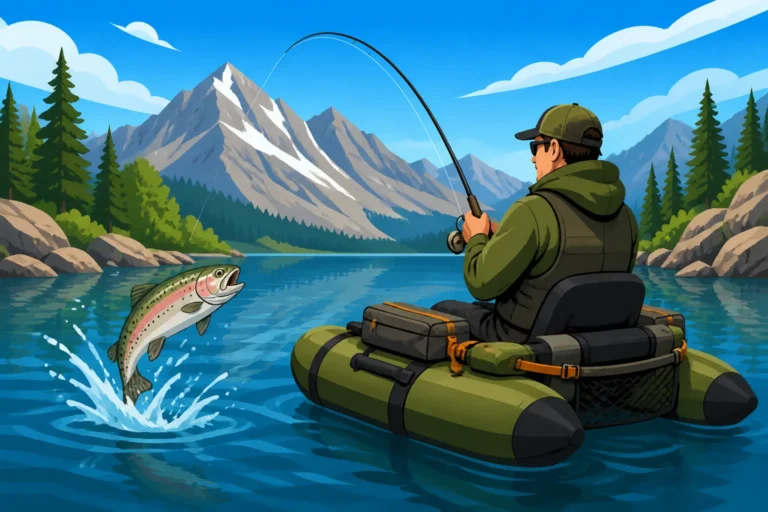
- Kayaks and Canoes: Small, maneuverable craft like fishing kayaks or canoes allow you to drift through different sections of the river, casting to various lies. This is particularly effective for covering long stretches of river and can be a fantastic way to experience the Truckee's natural beauty. You can often stop and wade small sections if you wish, bringing your waders along for those specific moments. Always adhere to Nevada fishing hours before sunrise and after sunset if planning early or late floats.
- Drift Boats and Rafts: For a more dedicated guided or group fishing experience, drift boats and rafts are commonly used on larger, navigable sections of the Truckee. These allow anglers to fish from the boat while a guide navigates the currents. This is a comfortable and effective way to target fish and is often preferred by fly anglers seeking to cover significant water with minimal effort.
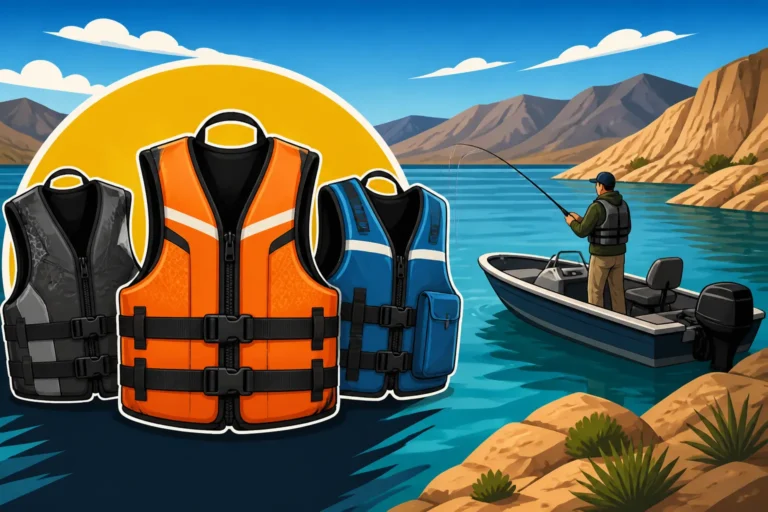
- Safety First on the Water: Regardless of the type of watercraft, safety should always be your priority. The Truckee River can have strong currents, submerged obstacles, and cold water. Always wear a personal flotation device (PFD), ensure your craft is stable and suitable for river conditions, and be aware of any rapids or dams downstream. Never float alone if possible, and let someone know your float plan.
Cold Water and Flow Safety: A Serious Consideration
The Truckee River, while beautiful, demands respect, especially when it comes to cold water and strong currents. This is where waders often become a vital safety tool, not just a comfort item.
- Hypothermia Risk: The water temperature in the Truckee River, fed by Lake Tahoe, remains cold year-round, even in summer. Prolonged exposure to cold water, especially if you get wet, can quickly lead to hypothermia. Waders, particularly neoprene or well-layered breathable ones, provide crucial thermal insulation. However, if your waders fill with water (e.g., from a fall), they can become a significant hazard, making it very difficult to get out of the water. This reinforces the importance of a snug wading belt.
- Strong Currents: The Truckee's flow can be powerful, particularly during spring runoff or after heavy rains. Strong currents can easily sweep an unprepared angler off their feet, even in seemingly shallow areas. Always use a wading staff to test depth and stability, move slowly and deliberately, and always face upstream to brace against the current. Avoid wading in conditions where the current feels too strong, or the water is too high.
- Slippery Rocks: The riverbed of the Truckee is often covered in smooth, algae-covered rocks, which are incredibly slippery. Quality wading boots with good soles (felt or studded rubber) are essential to prevent falls.
- Obstacles and Debris: Submerged logs, branches, and other debris can create tripping hazards or snag your waders. Always be aware of your surroundings and the river bottom.
- Knowing When to Stay Out: There will be times when river conditions (extremely high flow, dangerous ice, etc.) make wading unsafe, even with the best gear. Learning to recognize these conditions and opting for bank fishing or another day is the mark of a responsible and safe angler. Always prioritize your safety over catching a fish. When conditions allow, knowing How to fish for trout in Nevada can lead to a great day.
Conclusion
So, do you need waders for fishing the Truckee River? While it's technically possible to fish some sections from the bank, especially during warmer months or in urban areas, for serious anglers who want to access the best water, cover ground, and fish comfortably throughout the varied seasons, the answer is a resounding yes, waders are highly recommended and often essential.
Investing in a good pair of breathable stockingfoot waders, paired with sturdy wading boots and a reliable wading staff, will dramatically enhance your experience on the Truckee. They provide warmth, comfort, mobility, and most importantly, a vital layer of safety against the cold, swift waters. Whether you're a seasoned fly fisherman stalking trophy trout or a weekend warrior looking for a peaceful day on the river, the right wading gear will ensure your focus stays on the fishing, not on being cold, wet, or unsafe. Take the time to understand the river, prepare your gear, and always prioritize safety, and the Truckee River will reward you with unforgettable moments.
| Season | Waders Recommended? | Best Wader Type | Notes on Truckee Conditions |
|---|---|---|---|
| Spring | Absolutely Essential | Breathable (layered) | High flows, very cold snowmelt. Caution with wading. |
| Summer | Highly Recommended | Breathable | Moderate flows, water still cool. Wet wading possible in shallow areas, but brief. |
| Fall | Highly Recommended | Breathable | Stable flows, cooler temps. Prime wading season for active fish. Nevada Trout Season Dates |
| Winter | Absolutely Essential | Neoprene or Layered Breathable | Very cold water. Insulation is critical for comfort and safety. |
Remember that local regulations are key for any fishing trip. Make sure you're up-to-date on what's allowed and what's not. For fly anglers, don't forget that How to fish a dry fly in fast water often requires careful wading to get the perfect drift.
Disclaimer
This article is for general informational purposes only and does not constitute professional advice. Laws, prices and regulations vary by location and change over time. Consult a qualified professional for guidance on your specific situation.