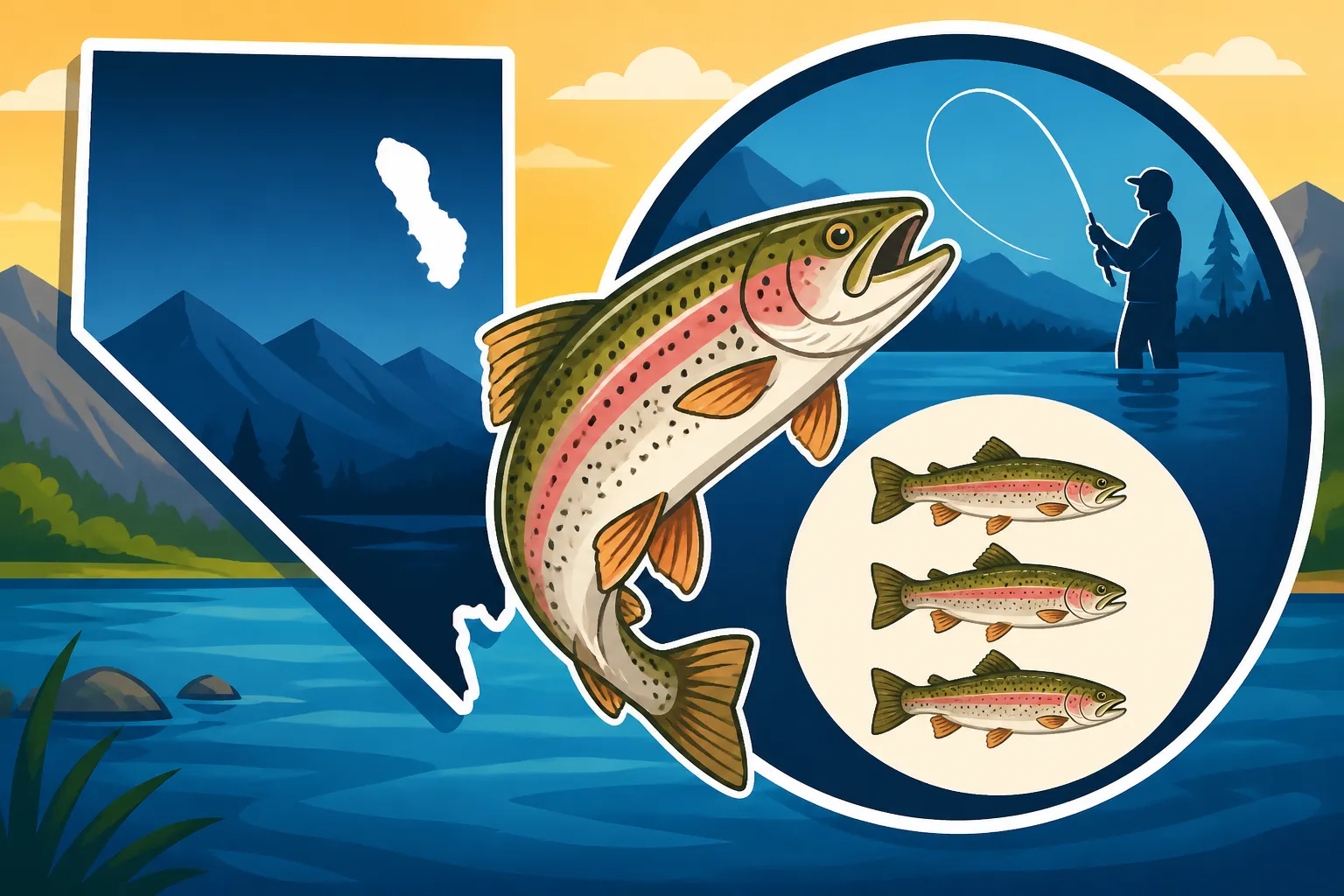
Nevada Trout Daily Limit Rules
Navigating the myriad of fishing regulations in Nevada can feel like trying to untangle a particularly stubborn fishing line, especially when it comes to trout. With different rules applying to various water bodies and species, it's easy to get confused about how many trout you can legally keep. This comprehensive guide will untangle those knots, clearly outlining the daily and possession limits for trout across the Silver State, ensuring you're compliant and ready for your next angling adventure.
Understanding Nevada's Trout Regulations Framework
Before you even cast a line, it's vital to grasp the foundational structure behind Nevada's fishing regulations. The rules aren't just arbitrary; they're carefully crafted to manage fish populations, ensure sustainable fishing, and protect the state's precious aquatic resources. Ignoring these rules can lead to significant penalties, so taking the time to understand them is an essential part of responsible angling.
Why Daily Limits Exist
Daily limits on trout, and other fish species, are a cornerstone of fisheries management. Their primary purpose is to prevent overfishing and maintain healthy, self-sustaining populations of fish. If anglers were allowed to keep an unlimited number of fish, it wouldn't take long for popular fishing spots to become depleted, especially with highly sought-after species like trout. These limits help distribute the catch among more anglers, provide an opportunity for fish to reproduce, and allow younger fish to grow to a mature size, contributing to the overall health and resilience of the ecosystem. It's a delicate balance between angler opportunity and conservation, and these limits are a key tool in maintaining that balance.
Key Regulatory Agencies and Resources
In Nevada, the primary authority overseeing fishing regulations is the Nevada Department of Wildlife (NDOW). This agency is responsible for managing all wildlife resources in the state, including fish. They conduct scientific surveys, monitor fish populations, stock waters, and, crucially, establish and enforce all fishing and hunting regulations. NDOW publishes an annual fishing season and regulations booklet, which is the official word on all things legal in Nevada's waters. You can find this invaluable resource on their website, at their offices, or at many sporting goods stores. Always make sure you have the most current version, as rules can change from year to year. Familiarizing yourself with the official Nevada Fishing Regulations Explained is step one for any angler.
Statewide vs. Special Water Rules
One of the biggest sources of confusion for anglers is understanding when statewide rules apply and when specific water body rules take precedence. Generally, NDOW establishes a set of statewide daily and possession limits for common trout species. These are the default rules that apply to most waters unless otherwise specified. However, many significant or unique fisheries in Nevada, like the iconic Pyramid Lake or the vast Lake Tahoe, have their own special regulations. These special rules are often more restrictive or have different size limits to protect unique populations (like the Lahontan cutthroat trout) or manage specific fishing pressures. It’s absolutely critical to check the specific regulations for each body of water you plan to fish, as assuming statewide rules apply everywhere can land you in hot water. Always prioritize the special regulations if they exist for your chosen fishing spot.
Statewide Daily and Possession Limits for Trout
For the majority of Nevada's rivers, streams, and smaller reservoirs not under special regulations, the statewide trout limits apply. Understanding these general rules is your starting point before delving into the nuances of specific trophy waters. It’s about knowing what you can take home and ensuring you don’t accidentally exceed your allowance.
General Trout Limits Explained
When fishing in most Nevada waters, the standard statewide daily limit for trout is usually set at a reasonable number to allow for enjoyment while protecting the fishery. Currently, the general statewide daily limit for trout is five trout, with a possession limit of ten trout. This typically applies to species like rainbow trout, brown trout, and brook trout found in many stocked and wild waters across the state. These limits are designed to provide ample opportunity for anglers to catch and keep a few fish for a meal, while also ensuring that enough fish remain in the water to continue the cycle. Remember, these general rules are superseded by any special regulations specific to a particular lake, river, or stream, so always double-check the local rules for your chosen destination. You can find a quick summary of the Nevada statewide trout daily limit to keep handy.
Differentiating Daily and Possession Limits
This is where many anglers, especially those new to the sport or visiting from out of state, often get tripped up.
The daily limit refers to the maximum number of fish of a particular species or aggregate species you can catch and keep in a single day. Once you've reached your daily limit for trout, you must stop fishing for trout for that day, or switch to purely catch-and-release fishing if the regulations allow it. You cannot simply put your five fish in a cooler, go back out, and catch another five. That's a common misconception.
The possession limit, on the other hand, refers to the maximum number of fish you can have in your possession at any given time, whether on your person, in your cooler, in your vehicle, or stored at your temporary lodging (like a motel room or campsite). The possession limit is almost always greater than or equal to the daily limit, and it accounts for multiple days of fishing. For example, if the daily limit is five trout and the possession limit is ten, you could fish on day one, keep five, then fish on day two, keep another five, and now have ten in your cooler. However, on day three, you couldn't keep any more until some of those ten had been consumed or processed. It's a system to allow for multi-day trips without immediately forcing anglers to stop fishing or process their catch.
Common Trout Species Covered by Statewide Rules
Nevada's waters are home to several species of trout that fall under these general statewide limits. The most commonly encountered, especially in stocked waters, are Rainbow Trout. These vibrant, hard-fighting fish are a favorite among anglers and are regularly stocked by NDOW in numerous lakes, rivers, and urban ponds across the state as detailed in the Nevada Trout Stocking Schedule. You’ll find them in places like urban ponds in Las Vegas, many high-elevation lakes, and various reservoirs.
Brown Trout, known for their elusive nature and often larger size, are also present in many Nevada waters, particularly in rivers and streams where they can be wild-spawned. They tend to be a bit more challenging to catch than rainbows but offer a rewarding experience. Lastly, Brook Trout, smaller but beautiful fish, are typically found in colder, high-elevation streams and small lakes, often in more remote areas. All three of these species generally adhere to the five trout daily, ten trout possession limit, unless specific water body regulations state otherwise. Always consult the official NDOW regulations booklet to confirm the rules for your specific target species and location.
| Species/Location | Daily Limit | Possession Limit | Special Size/Gear Rules | Notes |
|---|---|---|---|---|
| Statewide Trout | 5 | 10 | None (check specific waters) | Applies to Rainbow, Brown, Brook Trout in most general waters. |
| Pyramid Lake | 2 | 2 | One over 17", one under 17" | Lahontan Cutthroat Trout only. Barbless hooks required. |
| Lake Tahoe (NV Side) | 5 | 10 | Mackinaw: 2; Brown: 5; Rainbow: 5 | Combined limit of 5 trout. Mackinaw min. size 20". Other specific rules. |
| Wildhorse Reservoir | 5 | 10 | Check for Tiger Trout rules | Standard trout rules, but check for specific limits on tiger trout if present. |
| Urban Ponds (Las Vegas) | 3 | 6 | Stocked fish often smaller | Reduced limits due to high fishing pressure. Check specific pond. |
Specific Water Body Trout Regulations You Need to Know
While statewide regulations provide a baseline, many of Nevada's most renowned trout fisheries have unique rules tailored to their specific ecosystems and species. These special regulations are crucial to understand, as they often differ significantly from the general limits. Ignoring these can lead to fines, confiscation, or even loss of fishing privileges.
Pyramid Lake Lahontan Cutthroat Trout Rules
Pyramid Lake, located on the Pyramid Lake Paiute Reservation northeast of Reno, is world-famous for its massive Lahontan Cutthroat Trout (LCT). This ancient lake is one of the only places to catch these incredible fish, and as such, it operates under very specific tribal regulations, not standard NDOW state rules. To fish here, you need a special Pyramid Lake Fishing Permit Guide, purchased from the Paiute Tribe, in addition to any state license if you're not a tribal member.
The daily limit for Lahontan Cutthroat Trout at Pyramid Lake is extremely restrictive: two trout per day, with a possession limit of two trout. Furthermore, there's a strict size slot limit: one trout must be 17 inches or greater, and one must be under 17 inches. This means you can't keep two large fish, nor two small fish. This specific rule helps manage the trophy fishery by allowing smaller fish to grow and protecting a certain size class. Additionally, only barbless hooks are allowed at Pyramid Lake, and there are specific Pyramid Lake season and bag limit rules you must adhere to. The tribe is very serious about these regulations to protect this unique and vulnerable subspecies. Always double-check the current Pyramid Lake regulations before you go, as they can sometimes change seasonally. Getting caught with a barbed hook or an incorrect size limit can result in significant penalties.
Lake Tahoe Mackinaw Trout and Other Species Limits
Lake Tahoe, straddling the Nevada-California border, is another premier fishery with its own distinct rules, particularly for its resident Mackinaw (Lake Trout). On the Nevada side of Lake Tahoe, anglers need a valid Nevada fishing license, and the general daily limit for trout is five trout in the aggregate. This "aggregate" means the combined total of all trout species. However, there are sub-limits within that total. For Mackinaw Trout, the daily limit is two fish, with a minimum size of 20 inches. This means if you catch two Mackinaw over 20 inches, you've reached your Mackinaw limit, but you could still keep three other trout species (like Rainbow or Brown Trout) up to the aggregate total of five.
Brown and Rainbow Trout each have a daily limit of five, but again, the overall aggregate is five. It's designed to protect the large, slower-growing Mackinaw while still allowing for a reasonable catch of other trout. Additionally, be aware of specific bait restrictions or gear requirements on Lake Tahoe, especially for deep-water trolling which is popular for Mackinaw. Anglers should also understand that a Nevada fishing license is only valid on the Nevada side of Lake Tahoe; if you drift into California waters, you'll need a California fishing license. Consult the Lake Tahoe Nevada Fishing License Rules for complete details. The Daily limit for Mackinaw trout at Lake Tahoe is a crucial detail for any angler targeting these deep-water giants.
Wildhorse Reservoir and Other Northeastern Lakes
Northeastern Nevada boasts several fantastic trout fisheries, with Wildhorse Reservoir being one of the most prominent. Located near Elko, Wildhorse is known for its Rainbow Trout, Brown Trout, and sometimes even unique Tiger Trout (a sterile hybrid of brown and brook trout). While specific rules can sometimes be implemented for these unique hybrids, generally, Wildhorse Reservoir falls under the standard statewide daily limit of five trout, with a possession limit of ten trout. This often applies to other popular northeastern lakes and reservoirs as well, such as South Fork State Recreation Area, Cave Lake, and Comins Lake.
However, it's not uncommon for NDOW to implement special size restrictions or seasonal closures on specific species in these waters to help manage populations, especially for larger, wild-spawning trout. For example, some waters might have a slot limit for brown trout to protect breeding-size fish. Always check the current NDOW regulations booklet for the specific section pertaining to the Northeastern Region or the particular lake you plan to visit. These high desert and mountain reservoirs can offer exceptional fishing, but knowing the precise rules is key to a successful and legal trip.
Southern Nevada Urban Ponds and Community Fisheries
For anglers in Southern Nevada, particularly around the Las Vegas area, urban ponds and community fisheries provide accessible and often heavily stocked trout fishing opportunities. These ponds, like those at Floyd Lamb Park, Lorenzi Park, and Sunset Park, are managed to provide family-friendly fishing experiences, often receiving frequent stockings of Rainbow Trout, especially during cooler months.
Due to their accessibility and high fishing pressure, these urban ponds often have reduced daily limits compared to the statewide standard. Typically, the daily limit for trout in these urban ponds is three trout, with a possession limit of six trout. This lower limit helps ensure that more anglers have a chance to catch fish and prevents rapid depletion of recently stocked trout. While fishing these ponds, it's also important to be aware of other local rules, such as specific fishing hours, allowed bait types, or designated children-only fishing areas. These specifics are usually posted prominently at the park or found in the NDOW regulations. This makes urban fishing a great option for beginners or families, but always be mindful of the specific limitations to keep it fair for everyone.
Special Considerations and Exemptions for Trout Limits
Beyond the general and water-specific daily limits, there are a few other important considerations and potential exemptions that can influence how many trout an angler can keep. These often relate to age, fishing method, or specific conservation efforts.
Youth Anglers and Reduced Limits
Nevada actively encourages youth participation in fishing, and generally, children under 12 years old do not need a fishing license to fish in Nevada. This is fantastic news for families! However, while they don't need a license, they are still subject to the same daily and possession limits as licensed adults, unless specifically stated otherwise for a particular youth event or designated youth fishing area. NDOW often hosts special kids' fishing days, sometimes offering more relaxed rules or specific guidance, but the standard limits typically apply.
For youth aged 12 to 17, a junior fishing license is required. These licenses are usually less expensive than adult licenses. Once licensed, youth anglers are also subject to the standard daily and possession limits. The intent here is to teach responsible angling from a young age, instilling conservation practices while still allowing them to enjoy the thrill of the catch. Always refer to the Nevada Youth Fishing License Rules for the most current information regarding age-related requirements and regulations.
Catch and Release vs. Harvest Rules
The concept of catch and release fishing plays a significant role in managing trout populations, especially for sensitive species or trophy fisheries. In many situations, adhering to the daily limit means choosing which fish to keep and which to release. For example, if you're fishing a lake with a five-trout daily limit and you catch a small trout, you can choose to release it unharmed to grow larger, hoping to catch a bigger one later. You simply can't exceed the total number of fish you decide to harvest and keep.
However, some waters, or specific seasons within waters, might have mandatory catch and release rules for certain species or within specific size ranges. Pyramid Lake, with its slot limit, is a prime example where catch and release for fish outside the legal slot is implicitly required. The Truckee River, particularly in certain sections, also has strict catch and release regulations for trout to protect its wild populations. When catch and release is mandatory, it means no fish of that species or size can be kept, regardless of the daily limit. Always check the regulations for any specific catch and release mandates, and if you are practicing catch and release, ensure you do so with minimal harm to the fish. Products available on Amazon, like specialized fish handling gloves or hook removers, can help ensure a quick and safe release.
Combination Licenses and Trout Stamps
When planning your Nevada fishing trip, you might come across different types of licenses, including combination licenses and specific stamps. A "combination hunting and fishing license" in Nevada allows you to participate in both activities under one permit, often at a reduced cost compared to buying them separately. This is a common choice for outdoor enthusiasts who enjoy both pursuits throughout the year.
For trout fishing, particularly in certain designated trophy trout waters, you might also need a Nevada Trout Stamp. While a general fishing license covers most trout fishing, the trout stamp is an additional endorsement required by NDOW for specific waters or for harvesting certain trout species. Funds from trout stamp sales often go directly back into trout conservation and stocking programs. It's crucial to check if a trout stamp is required for the specific water you intend to fish, especially if you plan to keep any trout. Not all waters require a trout stamp, but missing this detail can lead to a violation even if you have a valid fishing license. For comprehensive details, refer to the Nevada Trout Stamp Requirements to ensure you're fully endorsed for your angling plans.
Navigating Regulation Changes and Staying Informed
Regulations are not static; they are dynamic tools that fisheries managers use to adapt to changing environmental conditions, fish populations, and angler pressure. What was legal last year might have changed this year, making it essential for every responsible angler to stay on top of the latest rules.
How Regulations Change Annually
The Nevada Department of Wildlife (NDOW) reviews and updates its fishing regulations on an annual basis. These changes are typically implemented at the start of the new license year, which usually begins on March 1st. The reasons for changes can be varied: new scientific data on fish populations might indicate a need for stricter or more lenient limits; environmental factors like drought or abundant water years can influence fish health; or even shifts in angler behavior might necessitate adjustments. For instance, if a specific lake's bass population is struggling, NDOW might implement new size or bag limits to give it a chance to recover. Conversely, if a stocked fishery is consistently producing well, limits might remain stable.
It's not just the daily and possession limits that can change. Sometimes, size restrictions, season dates, bait restrictions, or even designated fishing areas can be altered. This is why relying on outdated information, even a year-old regulations booklet, can be a risky endeavor. Always assume that regulations could have changed since your last trip or your last read-through.
Essential Resources for Up-to-Date Information
Staying informed about the latest trout limits and all other fishing regulations in Nevada is straightforward if you know where to look. The single most reliable and authoritative source is the official Nevada Department of Wildlife (NDOW) website. Their website will always host the most current fishing season and regulations booklet in PDF format, available for free download. This is your go-to resource.
Beyond the website, you can also:
- Visit NDOW Offices: Stop by a regional NDOW office (in Las Vegas, Reno, Elko, or Fallon) to pick up a physical copy of the regulations booklet and speak with a wildlife official if you have specific questions.
- Local Tackle Shops: Reputable local tackle and bait shops often carry the current regulations booklet and their staff are usually very knowledgeable about local rules. They can also be a great source of current fishing reports and tips.
- Online License Vendors: When you purchase your Nevada Fishing License Guide online, the platform often provides links to the current regulations, or even requires you to acknowledge that you've reviewed them.
Never rely solely on word-of-mouth or information from forums, as it might be outdated or misinterpreted. Always go to the official source to verify.
The Importance of the Nevada Fishing Regulations Explained Booklet
This might seem redundant, but it's impossible to overstate the importance of carrying and understanding the current Nevada Fishing Regulations Explained booklet or having access to its digital version on your phone. This isn't just a suggestion; it's practically a requirement for responsible fishing. This booklet details not only the daily and possession limits for trout (and all other species) but also specific rules for every major body of water, gear restrictions, bait rules, season dates, legal fishing hours, and definitions of terms that might be unfamiliar.
Think of it as your legal bible on the water. Game wardens can and will ask to see your license and may question you on your knowledge of regulations. Having the official document on hand demonstrates your commitment to compliance and can quickly resolve any misunderstandings. It's also a fantastic learning tool, helping you understand why certain rules are in place and how they contribute to the health of Nevada's diverse and valuable fisheries. Don't leave home without it, and give it a thorough read before heading out to a new fishing spot.
Disclaimer
Please remember that fishing regulations, including daily and possession limits, can change. While this guide provides a comprehensive overview based on current information, it is your responsibility to consult the most recent official Nevada Department of Wildlife (NDOW) fishing regulations booklet before you go fishing. NDOW's regulations are the final authority.