Lake Mohave Nevada Fishing Guide
Fishing on Lake Mohave can feel like stepping into a whole new world, especially if you're used to other Nevada waters. Its unique blend of clear, often deep water, bordered by rugged desert landscapes, can present a real challenge for anglers trying to figure out where the fish are hiding and what they're biting on. Many folks get out there, spend a beautiful day on the water, but come back empty-handed because they didn't quite crack the code of this incredible reservoir. This comprehensive guide is designed to demystify Lake Mohave, offering you the detailed insights, techniques, and location breakdowns you need to turn those frustrating outings into memorable, fish-filled adventures.
Getting to Know Lake Mohave – A Unique Angling Destination
Lake Mohave truly stands out among Nevada's fishing destinations. Nestled between the towering Black Canyon and Cottonwood Valley, it’s a long, narrow lake that often gets overshadowed by its much larger neighbor, Lake Mead. But don't let its comparatively smaller size fool you; Mohave offers some truly world-class fishing, especially for anglers willing to learn its unique quirks. Understanding the lake's fundamental characteristics is the first step toward consistent success.
Lake Mohave's Geography and Characteristics
Lake Mohave stretches for approximately 67 miles, formed by the impoundment of the Colorado River by Davis Dam. It's a remarkably clear body of water, often boasting visibility of 10 to 20 feet, which can be a double-edged sword for anglers. While it makes for stunning scenery, it also means the fish are often more wary and spooky, requiring more subtle approaches. The lake's depths vary dramatically, from shallow coves to plunges exceeding 100 feet, particularly in the northern sections near Hoover Dam, which connects it directly to Lake Mead. This diverse underwater topography, featuring numerous submerged rock ledges, steep drop-offs, and canyon walls, creates an intricate network of habitats for various fish species.
The shoreline is rugged and rocky, characteristic of the desert canyon environment, offering limited but rewarding bank access in certain areas. Throughout the lake, you'll find countless small coves and inlets, many with sandy bottoms that transition quickly to rocky structures. These coves are often crucial staging areas for bass during spawning seasons and provide ambush points for striped bass. Knowing these transitions and understanding how the lake's structure influences fish movement is key. The cold, clear water released from the bottom of Lake Mead through Hoover Dam significantly impacts the northern end of Mohave, creating a cooler, more trout-friendly environment, especially around Willow Beach, while the southern end near Katherine Landing tends to be warmer.
Understanding Lake Mohave's Water Levels and Climate
The water levels in Lake Mohave are primarily regulated by the operation of Hoover Dam upstream and Davis Dam downstream. While the levels can fluctuate, they are generally more stable than Lake Mead, which is good news for consistent fishing. However, even small changes can impact where fish hold, especially in shallow coves or around submerged points. Anglers often find that a slight drop in water levels can push fish off shallow flats into deeper cover, while rising levels might draw them closer to newly flooded vegetation or structure. Keeping an eye on these patterns through local reports can give you a significant advantage.
The climate around Lake Mohave is classic Mojave Desert: scorching hot summers and mild, often pleasant winters. Summer temperatures can easily soar above 100°F (38°C), making early morning or late evening fishing almost a necessity for both angler comfort and fish activity. The intense sun can drive fish deep during the day, seeking cooler, darker water. Conversely, winters are quite mild, with daytime temperatures often in the 50s or 60s Fahrenheit (10-20°C), making it a popular year-round destination for many. Wind can also be a significant factor, particularly in the long, open stretches of the lake. Strong winds can create choppy conditions, making boating challenging and affecting presentation, but they can also create current and oxygenation that activate baitfish and, consequently, predator species.
Prime Fish Species to Target in Lake Mohave
Lake Mohave is a diverse fishery, offering something for every type of angler. While it's particularly famous for a few key species, there are plenty of other opportunities that make every trip exciting. Knowing what you're targeting and understanding their habits is crucial for a successful outing.
The Abundant Striped Bass Population
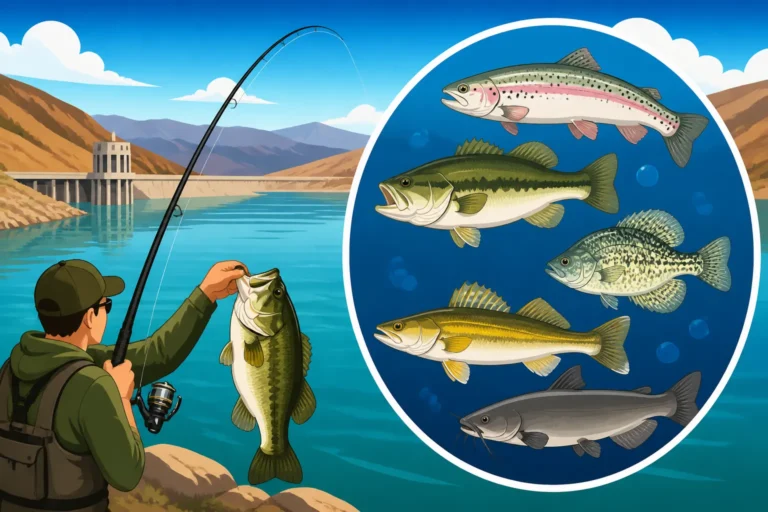
Lake Mohave is a legendary destination for striped bass, often producing both high numbers and trophy-sized fish. These powerful, hard-fighting fish thrive in the deep, clear waters of Mohave, benefiting from an abundant forage base, primarily threadfin shad and sometimes stocked rainbow trout. While the average striper caught might be in the 3-5 pound range, fish exceeding 20 pounds are caught annually, and true giants pushing 40-50 pounds are not uncommon, especially in the deeper, more open sections of the lake. The cooler water released from Hoover Dam creates an ideal environment for stripers, particularly in the upper half of the lake.
Striped bass are highly migratory within the lake, often following schools of baitfish. During the warmer months, they tend to move into deeper, cooler water during the day, only venturing into shallower coves at dawn, dusk, or under low light conditions to feed. In winter, they might congregate in large schools in deep water, making them challenging to locate but highly rewarding once found. They are aggressive predators, hitting a wide variety of baits and lures with ferocity. Anglers who consistently catch stripers understand their seasonal movements and adapt their techniques accordingly, from open-water trolling to vertical jigging. If you're looking for an unforgettable fight, Mohave's stripers are definitely worth targeting. For more in-depth knowledge on how to specifically target these powerful fish, be sure to check out our guide on How to Fish for Striped Bass in Nevada.
Largemouth and Smallmouth Bass Opportunities
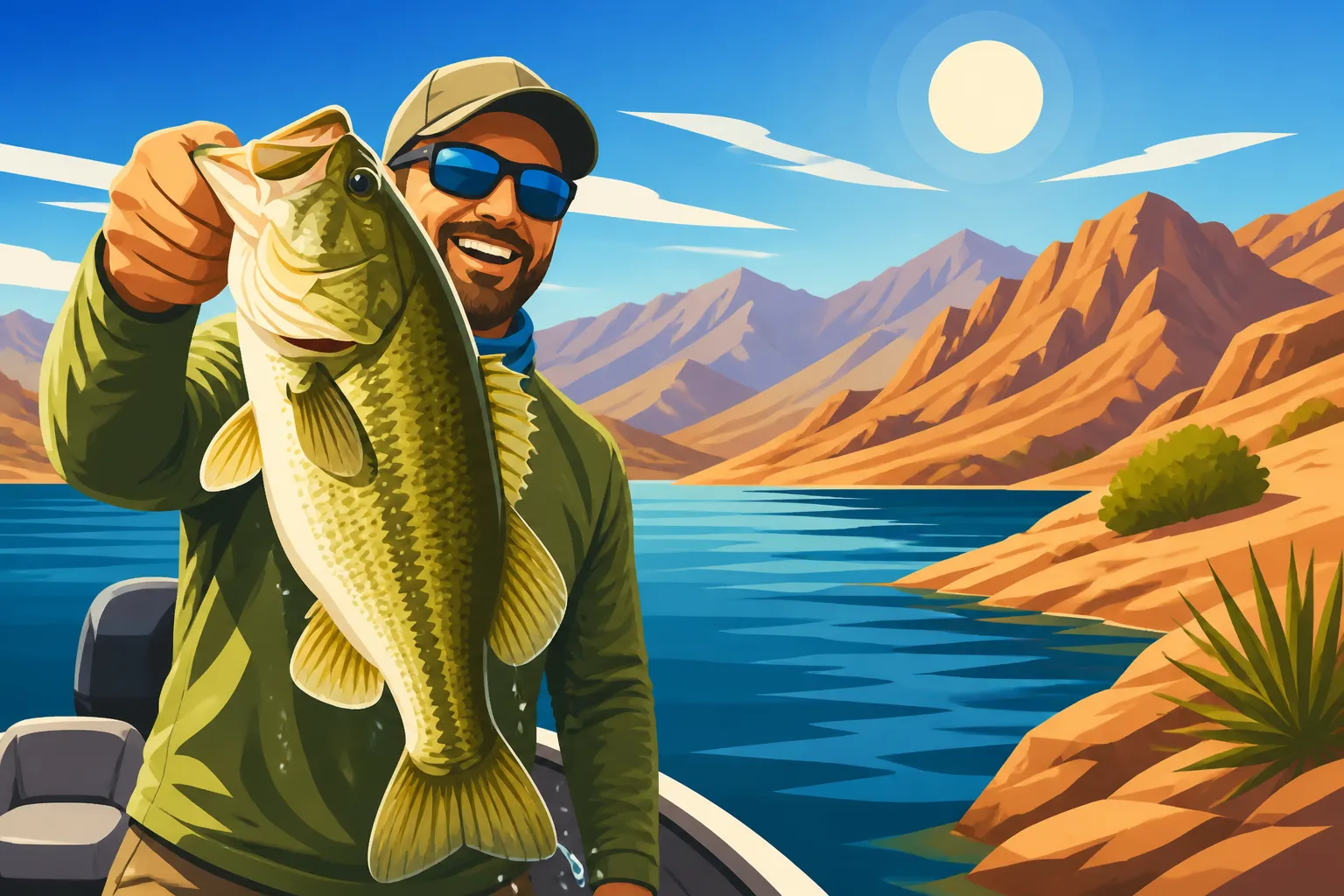
Beyond the famous stripers, Lake Mohave offers exceptional fishing for both largemouth and smallmouth bass. Each species has its preferred habitat, and understanding these differences can significantly boost your success. Largemouth bass tend to favor the more protected, shallower coves with some sparse vegetation or submerged wood, particularly in the wider, southern sections of the lake. They are ambush predators, often hiding near structure, waiting for an unsuspecting baitfish or crawfish to pass by. You'll recognize them by the distinct dark lateral line running along their body and a jaw that extends past the eye.
Smallmouth bass, on the other hand, are true bronzebacks of the rocky structure. They absolutely love rocky points, ledges, steep banks, and deep rock piles. They're often found in clearer, slightly cooler water than largemouth, and their aggressive, hard-fighting nature on light tackle makes them a favorite among many anglers. Smallmouth have vertical bars or blotches on their sides and a jaw that typically doesn't extend beyond the middle of the eye. Both species typically spawn in the spring when water temperatures reach the 60s Fahrenheit (15-20°C). During the spawn, they'll move into shallower, protected areas, making them more accessible, though often more challenging to entice. Post-spawn, they disperse but remain active, often feeding heavily to recover. To really dial in your approach for these fantastic game fish, explore our How to Fish for Bass in Nevada guide.
Rainbow Trout and Other Coldwater Dwellers
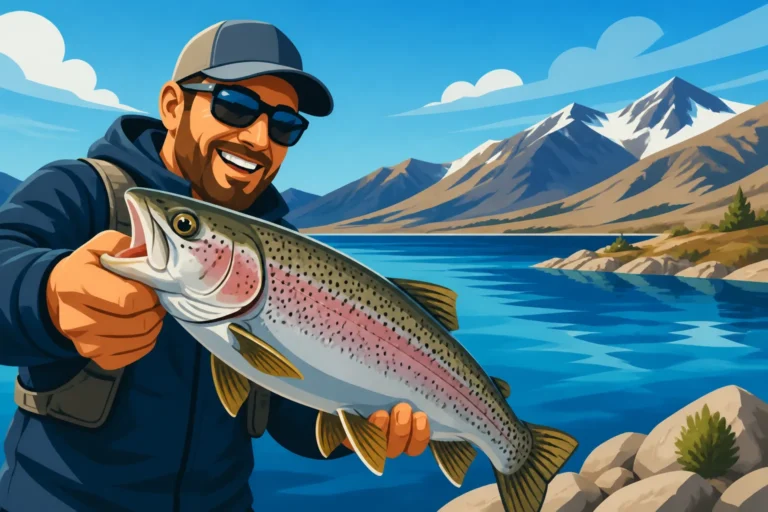
While Lake Mohave is primarily known for its bass and stripers, the northern section, particularly around Willow Beach, is renowned for its excellent rainbow trout fishing. The Nevada Department of Wildlife (NDOW) and Arizona Game and Fish Department (AZGFD) regularly stock catchable-sized rainbow trout in the cold, clear waters directly below Hoover Dam. These trout thrive in the constantly flowing, chilly conditions, providing fantastic opportunities for both bait and lure anglers. You'll often find them congregating in eddies, current breaks, and along the banks where the current isn't too strong.
Beyond the main targets, Lake Mohave also holds other species that provide additional angling fun. Channel catfish are abundant throughout the lake, especially in the warmer, murkier pockets and deeper holes, and are often caught incidentally while fishing for bass or stripers, particularly at night. You'll also find various panfish like bluegill and crappie in brushy coves and around submerged structures, though they don't receive as much attention as the other sportfish. Learning about these diverse species and their habits means you're always ready for whatever bites. Our comprehensive guide on How to Fish for Trout in Nevada will provide more strategies for landing these beautiful fish in Mohave's clear waters.
Essential Fishing Techniques for Lake Mohave Success
Cracking the code on Lake Mohave requires a versatile approach. The clear water, deep structures, and diverse species mean you can't just rely on one trick. Being prepared to switch up your techniques based on conditions, time of year, and target species will make all the difference.
Trolling and Striper Specific Strategies
For striped bass on Lake Mohave, especially in the larger, open areas, trolling is often one of the most effective methods. This technique allows you to cover vast amounts of water, locate schools of baitfish and the stripers feeding on them. Anglers typically use heavy-duty gear, often equipped with downriggers or planer boards to get their baits down to the desired depth where stripers are schooling. Popular trolling lures include large crankbaits that imitate shad, spoons, and even live or cut bait such as anchovies, which are a common forage. The key is to match the hatch – finding lures that mimic the size and color of the local baitfish, primarily threadfin shad.
Vertical jigging is another highly effective technique when you've located schools of stripers, either on your fish finder or through surface activity. This involves dropping heavy jigs, spoons, or soft plastics directly over the fish and working them with sharp, upward jerks followed by a free fall. This action mimics a dying baitfish, triggering aggressive strikes. Common jigging lures include heavy metal spoons like Kastmasters or specialized striper jigs. Pay close attention to your electronics, as stripers often suspend at various depths, and presentation at the right depth is paramount. Many successful striper anglers on Lake Mohave will often work with experienced guides who understand these nuances; you can find fantastic local guides through platforms like FishingBooker, who can put you right on the fish.
Bass Fishing Tactics for Mohave's Structures
Bass fishing on Lake Mohave is a game of understanding structure and adapting your presentations. For largemouth bass, focusing on shallower coves, rocky points with brush, and submerged cover is key. Topwater lures like poppers and walk-the-dog baits can be incredibly exciting and effective during low light conditions (dawn, dusk) or when bass are actively feeding on the surface. As the sun rises, switching to crankbaits that dive to different depths can be productive, especially when targeting rocky ledges or submerged humps. Soft plastics, such as Texas-rigged worms, Senkos, or creature baits, are always reliable for working slower and probing denser cover where largemouth might be hiding.
Smallmouth bass, given their preference for rocky environments, respond well to finesse techniques. Drop-shot rigs, shaky heads, and small swimbaits fished slowly along rocky ledges, deep points, and steep drops are often deadly. These methods allow for precise presentations in challenging, clear water conditions where smallmouth can be finicky. Early spring and late fall can see smallmouth moving shallower to feed, making jerkbaits and lipless crankbaits effective tools to cover water quickly and find active fish. Experimenting with different retrieves and colors based on water clarity and light conditions will yield the best results for both bass species.
Bank Fishing and Kayak Strategies
While much of Lake Mohave's fishing is boat-centric, there are still excellent opportunities for bank anglers and those who prefer kayaks or float tubes. For bank fishing, areas like Willow Beach, Katherine Landing, and some accessible coves offer productive spots. At Willow Beach, bank anglers can often catch rainbow trout using PowerBait, worms, or small spinners, especially after stockings. For bass and stripers from the bank, look for areas with quick access to deeper water, rocky points, or submerged cover. Casting crankbaits, spoons, or soft plastics from the shore can be surprisingly effective, especially during prime feeding times.
Kayak fishing on Lake Mohave is growing in popularity, and for good reason. Kayaks offer stealth and access to many coves and shallow areas that larger boats can't reach. This is particularly advantageous for bass fishing, allowing you to quietly sneak up on fish holding near shore structure. Kayakers can effectively troll smaller lures for stripers in these calmer areas or paddle to productive bass points. Key gear for kayak fishing includes a sturdy, stable fishing kayak, a paddle, a PFD (personal flotation device), and a small cooler for keeping your catch or refreshments. When planning your trip, consider hiring a local guide via platforms like FishingBooker; they can provide insights into the best kayak-accessible spots and techniques. Using a portable fish finder can also be a game-changer for kayakers, helping to locate structure and fish in this expansive lake.
Key Fishing Locations and Access Points on Lake Mohave
Lake Mohave is a long and winding body of water, and knowing where to focus your efforts can save you a lot of time and lead to more fish. Each section of the lake offers unique characteristics and targets.
Willow Beach – The Trout Haven
Willow Beach is arguably the most famous and accessible fishing spot on the northern end of Lake Mohave, nestled just a few miles south of Hoover Dam on the Arizona side. This area is fed by the cold, clear water released from the bottom of Lake Mead, creating an ideal environment for rainbow trout. Willow Beach is a designated "Trout Management Area," and both Arizona and Nevada stock it regularly. Anglers frequently catch trout here using methods like PowerBait, worms, and small spinners or spoons. It's also a prime location for fly fishing, particularly with streamers and nymph patterns that imitate the abundant aquatic insects.
But don't let the trout reputation overshadow the phenomenal striped bass fishing that also occurs here. The cold water attracts enormous schools of threadfin shad, which in turn draw in big stripers. Anglers often target stripers from boats by trolling large swimbaits or spoons, or by vertical jigging once schools are located. Bank anglers also have success, especially targeting the eddies and current breaks for both trout and stripers. Willow Beach offers a launch ramp, a marina, and a general store, making it a convenient base camp for your fishing adventures. The sheer volume of fish and the ease of access make it a must-visit spot on Lake Mohave, and it's particularly popular for those looking to experience some unique Lake Mohave Rainbow Trout Water.
Katherine Landing and the Southern End
Moving south, Katherine Landing is another major access point, located near Bullhead City, Arizona. This area is on the warmer, wider end of Lake Mohave, offering a different fishing experience compared to Willow Beach. Katherine Landing boasts excellent facilities, including multiple launch ramps, a full-service marina, lodging, and campgrounds, making it an ideal hub for extended stays. The southern end of the lake is characterized by more expansive coves, less current, and slightly warmer water, which tends to favor largemouth bass and provide a diverse range of fishing opportunities.
The numerous coves around Katherine Landing are fantastic for targeting largemouth and smallmouth bass. Look for areas with submerged brush, rocky points, and gradual sloping banks. During the spring, these coves become prime spawning grounds for bass. Striped bass are also abundant in this section, often found in deeper channels or chasing shad schools in the open water and larger coves. Anglers often find success here with crankbaits, soft plastics, and topwater lures for bass, while live anchovies or trolled lures are effective for stripers. The scenic beauty and varied fishing make Katherine Landing a popular choice for families and serious anglers alike.
Mid-Lake Coves and Northern Reaches
Beyond Willow Beach and Katherine Landing, the middle and northern stretches of Lake Mohave offer incredible, albeit sometimes less accessible, fishing. Areas like Cottonwood Cove, situated on the Nevada side, provide another excellent launch point and marina, offering gas, supplies, and camping. Cottonwood Cove and the surrounding coves are fantastic for both largemouth and smallmouth bass, with plenty of rocky structure, ledges, and drop-offs. Anglers here often utilize jigging spoons, drop-shot rigs, and crankbaits to probe the deeper structure for smallmouth, and soft plastics for largemouth in the shallower, brushier areas.
As you head north from Cottonwood Cove towards Willow Beach, the canyon narrows, and the water becomes progressively colder and clearer. This section is prime striped bass territory, with many deep points, submerged humps, and channels where schools of stripers congregate. Boaters with good electronics can have phenomenal success locating suspended fish and presenting vertical jigs or live bait. Shore access becomes more limited in these canyon stretches, but for those with boats, it offers a more remote and often less pressured fishing experience. Remember, understanding the entire scope of Best Places to Fish in Nevada will give you a broader perspective on Mohave's position as a top-tier destination.
Navigating Regulations and Seasons for Lake Mohave
Fishing on Lake Mohave, straddling the Nevada-Arizona border, comes with a unique set of regulations that can sometimes confuse even seasoned anglers. It's absolutely crucial to understand these rules before you cast your line to avoid fines and ensure you're fishing legally and sustainably.
Nevada Fishing License Requirements
First and foremost, whether you're a Nevada resident or just visiting, you need a valid fishing license. For most of Lake Mohave, which is managed as a shared resource, you'll need either a Nevada fishing license or an Arizona fishing license. However, there are nuances. A valid fishing license from either state is usually recognized on the main body of the lake, but if you're fishing from the shore on the Nevada side, you must have a Nevada license. Similarly, if you're on the Arizona side, an Arizona license is required for shore fishing. This interstate reciprocity is generally a great benefit, but always double-check the latest regulations.
For visitors, a Nevada Nonresident Fishing License Types or a short-term Arizona license are readily available. You can typically purchase these online, at sporting goods stores, or at most marinas around the lake. Don't forget, if you plan to target trout, particularly in the Willow Beach area, you might also need a trout stamp in addition to your regular license, depending on where you purchase it and the specific regulations for that year. It's always best to consult the current year's Nevada Fishing License Guide or the Arizona Game and Fish Department regulations before heading out.
Daily Limits, Size Restrictions, and Species Specific Rules
Each species in Lake Mohave has specific rules regarding the number of fish you can keep (daily limit), the total number you can possess (possession limit), and sometimes minimum or maximum size limits. These rules are put in place to manage fish populations and ensure healthy fisheries for future generations. For example, striped bass often have generous daily limits, but there might be specific regulations concerning how many large fish (over a certain length) you can keep. Largemouth and smallmouth bass typically have more restrictive limits and sometimes slot limits, meaning fish within a certain size range must be released.
Rainbow trout in stocked areas like Willow Beach also have specific daily limits. It's imperative that you know these rules for each species you intend to target. Carrying a copy of the current year's fishing regulations, which you can usually pick up wherever licenses are sold or view online, is highly recommended. Understanding these Nevada Statewide Bag Limits Explained is not just about avoiding a citation; it's about being a responsible angler. Catch and release practices are also very important for certain species, particularly for larger bass and trout, to help sustain trophy fisheries. Always handle fish carefully when releasing them, minimizing their time out of water.
Seasonal Considerations and Best Times to Fish
Lake Mohave offers year-round fishing, but the "best" time to fish often depends on what species you're targeting and how you plan to fish. Understanding the seasonal patterns of fish activity, influenced by water temperature, spawn cycles, and forage availability, is critical.
- Spring (March-May): This is arguably the most popular time for bass fishing, as both largemouth and smallmouth move shallower for their spawn. Topwater action can be fantastic, and soft plastics are highly effective. Stripers also become more active, chasing shad in coves. Trout fishing remains excellent at Willow Beach.
- Summer (June-August): The heat drives fish deeper during the day. Early morning and late evening become prime times for bass and stripers in shallower water. During the day, targeting deep-suspended stripers with jigging or trolling is often best. Boating safety and hydration are paramount during these hot months.
- Fall (September-November): Many consider fall to be the prime time for trophy striped bass. As water temperatures cool, stripers become incredibly aggressive, often busting bait on the surface. Bass fishing also picks up as fish feed heavily before winter. This is also a fantastic time for trout.
- Winter (December-February): While slower, winter fishing can yield some of the largest fish for those willing to brave the cooler temperatures. Stripers often school tightly in deep water, requiring precise vertical presentations. Bass can be found on deep structure, and trout fishing remains consistent at Willow Beach.
No matter the season, monitoring local fishing reports and water temperatures will give you the best chance of success. For a comprehensive overview of the yearly fishing cycle, consult our guide on the Best Time of Year to Fish in Nevada.
Essential Gear and Safety Tips for a Mohave Fishing Trip
Heading out onto Lake Mohave requires more than just a fishing license and a desire to catch fish. The unique desert environment and vastness of the lake mean you need to be prepared with the right gear and have safety at the forefront of your mind.
Recommended Rods, Reels, and Tackle
Your gear selection should be tailored to the species you plan to pursue. For the hard-fighting striped bass, you'll want medium-heavy to heavy action rods, typically 7 to 8 feet long, paired with robust spinning reels (size 4000-6000) or baitcasting reels capable of handling 15-30 lb braided line with a fluorocarbon leader. This setup provides the power needed to cast heavy lures and reel in big fish. Essential striper tackle includes large crankbaits, spoons, heavy jigs, and a good supply of fresh anchovies if you're fishing with bait.
For largemouth and smallmouth bass, a versatile setup is usually a medium-heavy action spinning rod (6'6" to 7'6") with a 3000-4000 size reel, or a medium-heavy baitcasting rod (6'8" to 7'4") with a quality baitcasting reel. Spool up with 10-15 lb fluorocarbon or braided line with a fluorocarbon leader. Your tackle box should include a variety of soft plastics (worms, craws, swimbaits), crankbaits (diving and lipless), spinnerbaits, and topwater lures. Don't forget a selection of hooks (EWG, worm hooks, drop-shot hooks) and weights (bullet, tungsten). For trout fishing at Willow Beach, a lighter spinning rod (medium-light action, 6-7 feet) with a 2000-2500 size reel spooled with 4-6 lb monofilament or fluorocarbon line is perfect. Small spinners, PowerBait, and worms are all highly effective. Having the right equipment for a full day out on the water can be a game changer, and there are many excellent options available, from basic setups to more specialized gear.
Boating Safety and Preparation
Lake Mohave is a large body of water, and while it can be serene, conditions can change rapidly. Wind can pick up quickly, creating significant chop, especially in the long, open stretches. Prioritizing boating safety is non-negotiable. Every person on board must have an accessible, U.S. Coast Guard-approved life jacket, and children under a certain age are legally required to wear one at all times while underway. It’s also crucial to have all other required safety equipment, including a fire extinguisher, distress signals (flares or a horn), navigation lights (if operating after dark), and a throwable flotation device.
Before launching, always check the weather forecast. Tell someone on shore your float plan – where you're going and when you expect to return. Ensure your boat is in good working order, with enough fuel for your trip plus a reserve. If you're operating a motorized vessel, you might need to obtain a Nevada Boater Education Card Requirement, depending on your age and the type of boat. Also, remember that your boat needs to be properly registered. You can learn more about this process in our detailed guide on Nevada Boat Registration for Anglers. Staying vigilant and prepared will ensure your day on the water is safe and enjoyable.
Dealing with the Desert Environment
Fishing in the Nevada desert means you'll be exposed to intense sun and heat for most of the year. Sun protection is paramount: wear wide-brimmed hats, sunglasses, and long-sleeved, breathable UV-protective clothing. Apply high-SPF sunscreen regularly, even on cloudy days. Dehydration is a real threat, so bring plenty of water – more than you think you'll need – and stay hydrated throughout your trip. Electrolyte drinks can also be beneficial.
Beyond the sun, be aware of the local wildlife. Rattlesnakes are common in the desert, especially during warmer months, so watch your step, particularly when bank fishing or exploring undeveloped areas. Scorpions are also present. While rarely deadly, their stings are painful. Always check your gear before putting your hands into dark places. Finally, have a basic first-aid kit readily available for minor cuts, scrapes, or insect bites. Being prepared for the elements and potential wildlife encounters ensures your focus can remain on the fantastic fishing opportunities Lake Mohave offers.
| Species | Best Bait/Lures | Peak Seasons | Habitat Preference | Notes |
|---|---|---|---|---|
| Striped Bass | Live Anchovies, Shad Imitation Swimbaits, Spoons, Large Crankbaits, Jigs | Fall, Spring | Open Water, Deep Channels, Submerged Humps | Often school and chase bait on surface; aggressive fighters. |
| Largemouth Bass | Soft Plastics (Worms, Jigs), Crankbaits, Spinnerbaits, Topwater | Spring, Fall | Shallow Coves, Brush Piles, Rocky Banks | Ambush predators; look for cover. |
| Smallmouth Bass | Drop-Shot Rigs, Finesse Jigs, Small Crankbaits, Tubes, Jerkbaits | Spring, Fall | Rocky Points, Steep Drop-offs, Deep Ledges | Known for hard fights on light tackle. |
| Rainbow Trout | PowerBait, Worms, Small Spinners, Spoons, Flies | Year-round | Cold, Clear Water (esp. Willow Beach), Current Breaks | Regularly stocked; best in northern sections. |
| Channel Catfish | Stink Baits, Cut Bait, Live Worms, Hot Dogs | Summer, Fall | Deeper Holes, Warmer Coves, Murkier Water | Excellent eating fish; often caught at night. |
Disclaimer
Please be aware that fishing regulations, conditions, and fish stocking schedules can change. Always consult the latest Nevada Department of Wildlife (NDOW) and Arizona Game and Fish Department (AZGFD) regulations before your trip. This guide is for informational purposes only and does not replace official state publications.