Best fishing lake near Winnemucca
Many anglers visiting or living near Winnemucca, Nevada, often wonder where they can find the best fishing without traveling for hours. It can be frustrating trying to sift through all the different options, especially when you're looking for a reliable spot that promises good action without an epic road trip. This comprehensive guide will cut through the noise, detailing the top fishing lake closest to Winnemucca, what makes it special, and offering practical advice to help you hook into some fantastic catches.
Rye Patch Reservoir: The Top Pick Near Winnemucca
When you're looking for prime fishing action that's truly "near" Winnemucca, there's one name that consistently rises to the top: Rye Patch Reservoir. Located about an hour's drive south of Winnemucca on the Humboldt River, this expansive reservoir is a beloved spot for local anglers and visitors alike, offering a diverse fishery that can keep any enthusiast busy. It's easily accessible and provides a stark contrast to the surrounding high desert landscape, giving you a refreshing escape onto the water.
A Diverse Fishery Just Down the Road
Rye Patch Reservoir is renowned for its wide variety of fish species, making it a dynamic destination where you never quite know what you'll pull up next. Unlike some single-species lakes, Rye Patch offers a multi-faceted angling experience. The lake is particularly famous for its thriving populations of walleye, a species not commonly found in many Nevada waters, drawing dedicated anglers from across the state. These elusive fish provide a thrilling challenge and are excellent table fare, making them a highly sought-after prize.
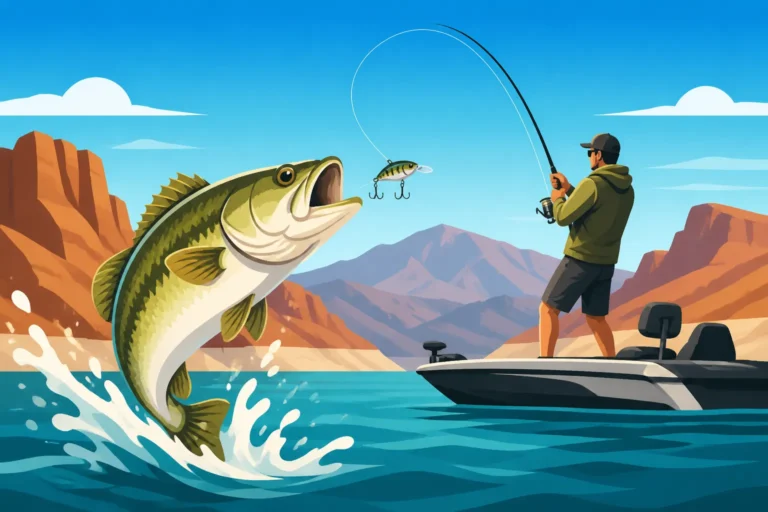
Beyond walleye, Rye Patch is also home to robust populations of wipers, which are a hybrid cross between white bass and striped bass. These hard-fighting fish are known for their aggressive strikes and powerful runs, providing an exhilarating battle for any angler. You'll also find plenty of white bass, channel catfish, largemouth bass, and crappie, rounding out a truly impressive list of target species. This diversity means that if one bite is slow, you can often switch tactics and target something else, ensuring a productive day on the water.
Key Species and Best Fishing Techniques
Successfully fishing Rye Patch Reservoir often means understanding the habits of its primary residents. For the prized walleye, targeting them during low light conditions – dawn, dusk, or even at night – can be incredibly effective. They tend to stick to deeper, cooler waters during the day, often near structure like submerged points or drop-offs. Trolling with crankbaits or jigging with spoons and plastic worms are popular methods for coaxing a bite. Consider colors that mimic baitfish found in the reservoir, such as shad or crawfish patterns.
Wipers and white bass are often found schooling, especially when actively feeding on baitfish. Keep an eye out for surfacing activity or birds diving, which can indicate a feeding frenzy below. Casting spoons, swimbaits, or topwater lures into these schools can result in fast and furious action. For bottom-dwelling channel catfish, cut bait, chicken livers, or commercial catfish baits fished near the bottom are usually the ticket, especially in the warmer months. Largemouth bass will relate to cover like submerged brush or rocky banks, and can be caught using jigs, plastic worms, or spinnerbaits. If you're looking for a specific species, platforms like FishingBooker can sometimes offer insights from local guides who specialize in Rye Patch, giving you a leg up on the learning curve.
Amenities and Access for a Great Day Out
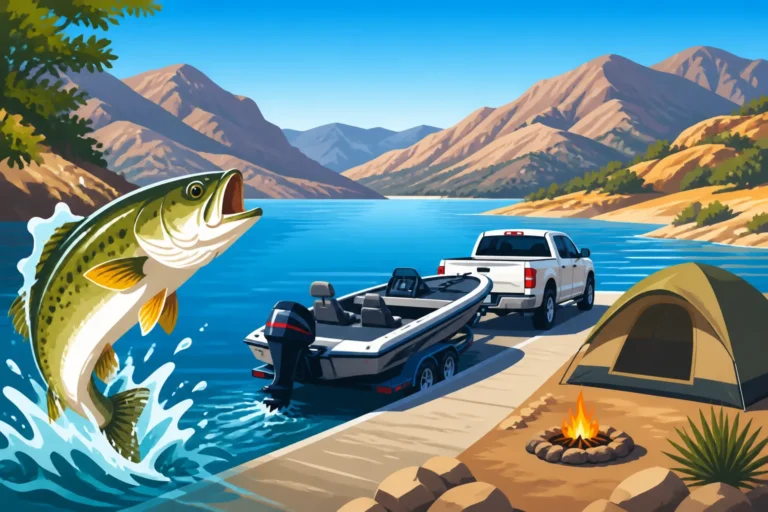
Rye Patch State Recreation Area isn't just a fantastic fishing spot; it's also a well-maintained state park offering amenities that make a day trip or an overnight stay comfortable and convenient. There are multiple boat launch facilities, making it easy to get your vessel on the water, whether you're bringing a bass boat, a pontoon, or even a kayak. Bank fishing is also very popular here, with plenty of shoreline access points where you can cast a line from solid ground. For those without a boat, fishing from the banks can still yield excellent results, particularly for catfish and white bass.
The park offers designated camping areas with restrooms and even some RV hookups, which is perfect if you want to extend your stay and fully explore the fishing opportunities. Being able to wake up right by the water, coffee in hand, and cast your first line as the sun rises, truly enhances the experience. Before you head out, make sure you've got your valid Nevada Fishing License Guide in hand, as well as an understanding of the Nevada Fishing Regulations Explained to ensure a smooth and legal outing. You'll want to be familiar with the Nevada Statewide Bag Limits Explained for each species, especially for walleye and wipers, which often have specific regulations.
Exploring Beyond: Wildhorse Reservoir for a Longer Trip
While Rye Patch Reservoir is the undisputed champion for proximity to Winnemucca, if you're willing to venture a bit further, Wildhorse Reservoir offers an exceptional fishing experience that's well worth the extra drive. Located roughly two to three hours east of Winnemucca, closer to the city of Elko, this high-desert gem provides a completely different angling environment, primarily focused on cold-water species, especially trout.
Wildhorse Reservoir's Unique High-Desert Appeal
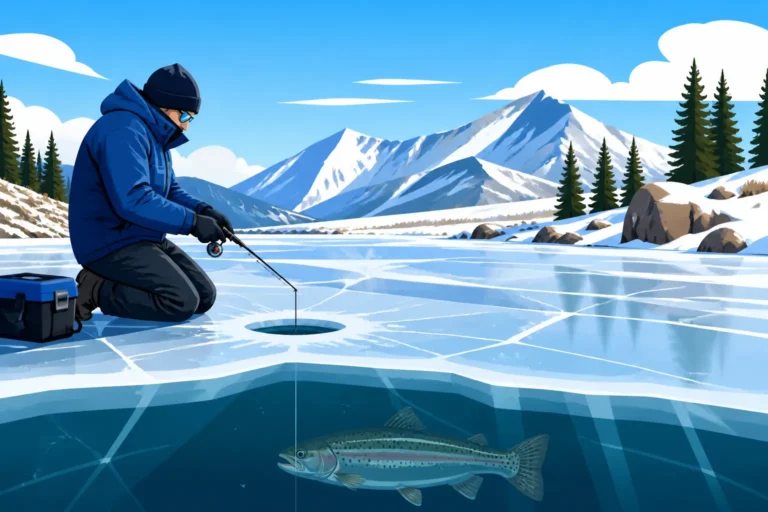
Wildhorse Reservoir is a stunning body of water nestled in the high desert landscape, offering breathtaking scenery along with its fantastic fishing. It's often colder than Rye Patch, especially in the spring and fall, and sometimes even offers opportunities for Ice Fishing in Nevada during the winter months when conditions allow. The reservoir is known for its crystal-clear waters, which can make for challenging but rewarding fishing, especially for sight-fishing opportunities. The elevation contributes to a different ecosystem, supporting species that thrive in cooler temperatures.
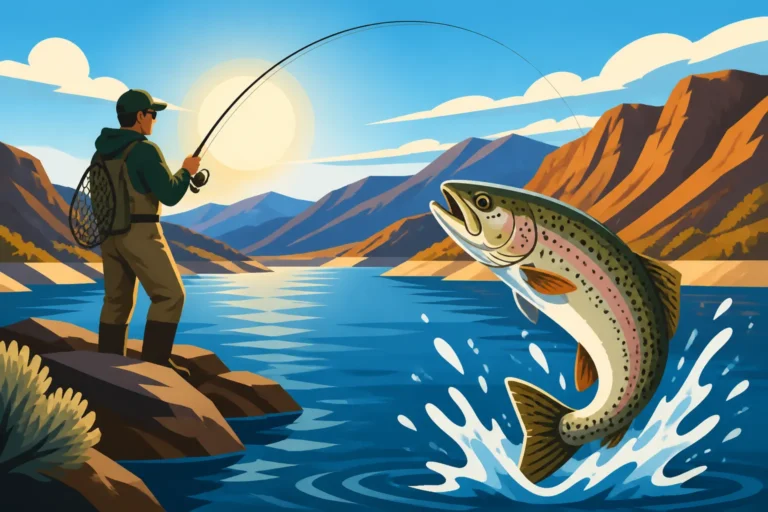
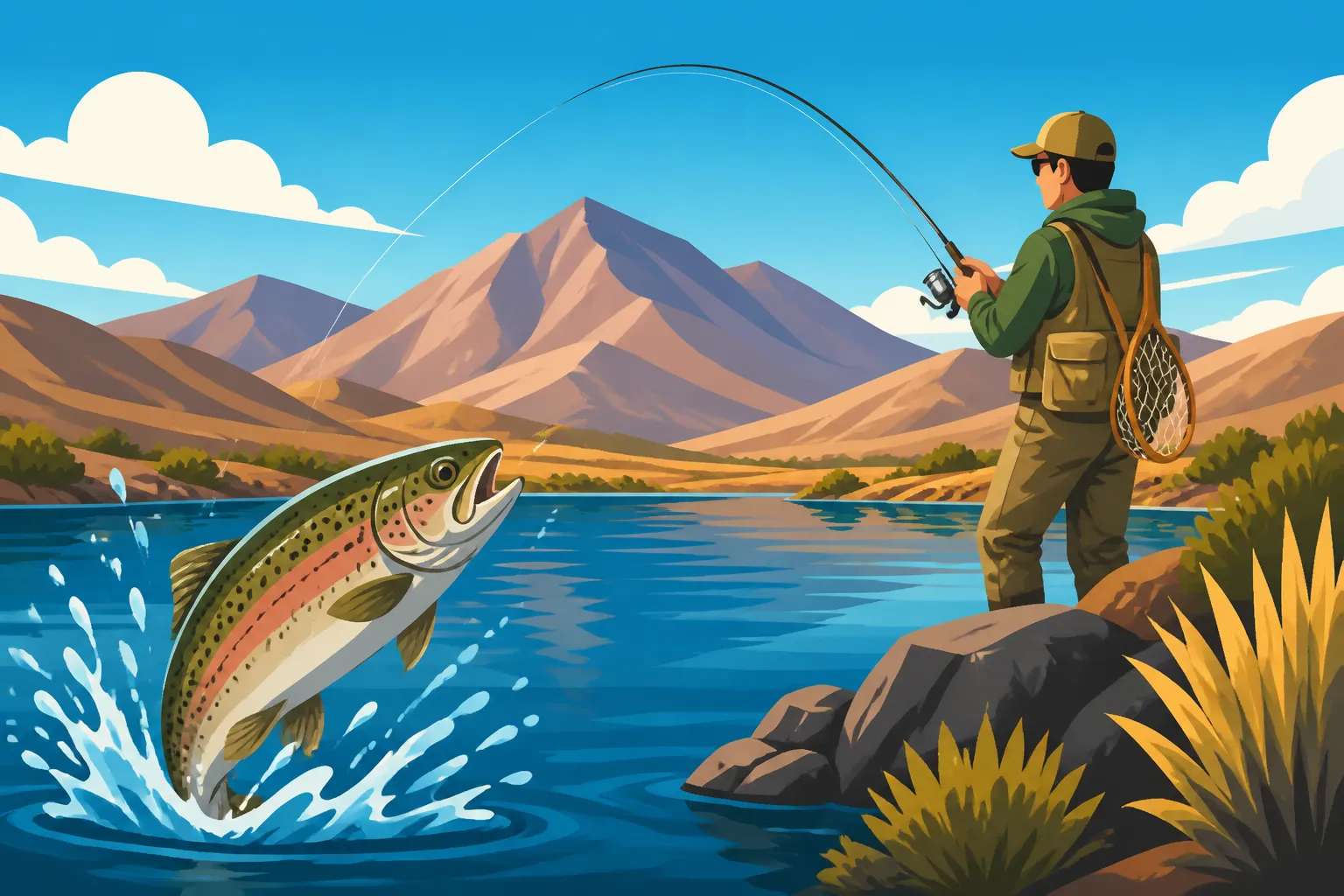
The primary draw at Wildhorse is its excellent trout fishing, including rainbow trout, brown trout, and even some unique tiger trout (a sterile hybrid of brown and brook trout). In addition to these, Wildhorse also boasts a very healthy population of yellow perch, which can provide fast action and make for a delicious meal. The serene, more remote setting often means fewer crowds than some other popular Nevada lakes, allowing for a more peaceful and solitary fishing experience, if that's what you're seeking.
Targeting Trout and Perch at Wildhorse
For trout at Wildhorse, standard methods like trolling with spoons or Rapalas are effective, especially in open water. From shore, casting PowerBait, worms, or small spinners can be highly productive. Fly fishing is also a popular pursuit here, with anglers often targeting rising trout during insect hatches or stripping streamers in deeper sections. Understanding the Best Bait for Nevada Trout and How to Fish for Trout in Nevada will definitely come in handy here.
Yellow perch at Wildhorse are often caught using small jigs tipped with bait, such as mealworms or bits of worm. They tend to school up, so if you find one, you're likely to find more. During the ice fishing season, jigging tiny spoons or vertical jigs through the ice can lead to some incredible perch hauls. It's a completely different approach compared to the warm-water species at Rye Patch, offering a fun challenge for those who enjoy diverse fishing styles.
Planning Your Extended Fishing Adventure
A trip to Wildhorse Reservoir usually warrants more than just a day trip from Winnemucca. The state park at Wildhorse also offers excellent camping facilities, similar to Rye Patch, with options for tents and RVs. Many anglers choose to stay for a weekend or even longer to fully explore the reservoir's potential. Given the drive, packing appropriately for an extended stay, including extra food, water, and fuel, is always a good idea in this more remote area.
When planning your trip, consider using resources like FishingBooker to scout out potential local guides or charters that operate on Wildhorse Reservoir. While not as close as Rye Patch, the unique species and pristine environment of Wildhorse make it a fantastic destination for those willing to travel a little further for a truly memorable Nevada fishing adventure. Ensure your boat is properly registered according to the Nevada Boat Registration and Titling Guide if you plan on launching it, as regulations are strictly enforced in all state parks.
Essential Gear and Regulations for Winnemucca Area Fishing
Having the right gear and understanding the local rules are absolutely crucial for a successful and enjoyable fishing trip, whether you're at Rye Patch or venturing further to Wildhorse. The desert environment can be unforgiving, and fish behavior can be distinct from other regions, so being prepared is key.
Must-Have Tackle for Desert Reservoirs
Fishing in Nevada's desert reservoirs like Rye Patch and Wildhorse requires a versatile tackle box. For Rye Patch's walleye and wipers, medium-light to medium-heavy spinning rods paired with 2500-4000 series reels spooled with 8-12 lb monofilament or fluorocarbon are ideal. A good selection of crankbaits, jigging spoons, and soft plastics in shad, white, and chartreuse colors will serve you well. For catfish, heavier gear is a must, perhaps a medium-heavy baitcasting setup with 15-20 lb test line, along with circle hooks and slip sinkers for bottom fishing.
If you're targeting trout at Wildhorse, lighter spinning gear or even a fly rod is appropriate. Small inline spinners (like Mepps or Rooster Tails), spoons, and PowerBait or salmon eggs are highly effective. For perch, tiny jigs or ice fishing jigs tipped with a small piece of worm or grub work wonders. Don't forget basic tackle box staples like pliers, line cutters, extra hooks, and sinkers. Sun protection, including a wide-brimmed hat, polarized sunglasses, and plenty of sunscreen, is non-negotiable in the Nevada sun. For a general overview, check out Nevada Fishing Gear Essentials.
| Reservoir | Primary Species | Best Fishing Methods | Key Gear | Distance from Winnemucca |
|---|---|---|---|---|
| Rye Patch Reservoir | Walleye, Wipers, White Bass, Catfish | Trolling, Jigging, Casting, Bottom Fishing | Crankbaits, Jigs, Spoons, Cut Bait, Worms | ~1 hour (50 miles S) |
| Wildhorse Reservoir | Rainbow Trout, Brown Trout, Perch | Trolling, Casting, Fly Fishing, Ice Fishing | Spinners, PowerBait, Flies, Small Jigs, Worms | ~2.5-3 hours (150 miles E) |
Navigating Nevada Fishing Licenses and Rules
Before you even think about wetting a line, securing your Nevada fishing license is paramount. Whether you're a resident or an out-of-state visitor, a license is required for anyone 12 years of age or older. You can easily purchase a license online through the Nevada Department of Wildlife (NDOW) website, or in person at various vendors like sporting goods stores, including many Sportsman's Warehouse locations throughout Nevada. For a seamless experience, consider getting your How to Buy a Nevada Fishing License Online ahead of time.
Beyond the general license, it's critical to be aware of species-specific regulations and regional differences. For instance, while a general state license covers most waters, Pyramid Lake, a famous cutthroat trout fishery east of Reno, requires a separate tribal permit. While Rye Patch and Wildhorse don't have this extra permit requirement, they do have specific daily and possession limits for different species, and sometimes even size restrictions. Always consult the current NDOW Fishing Regulations booklet or website before your trip to avoid any penalties, which can be quite steep. Knowing the Nevada Fishing Season Dates and Limits for your target species is also essential.
Local Tips for a Successful Trip
Fishing around Winnemucca, especially in desert reservoirs, can be a unique experience. One crucial tip is to always check the weather forecast. Nevada weather can be unpredictable, with strong winds appearing seemingly out of nowhere, especially on large, open reservoirs like Rye Patch. Wind can make boat handling difficult and bank fishing challenging. Another tip is to start early or fish late. The desert sun can be intense, especially in summer, and many fish species become more active during the cooler parts of the day.
Don't be afraid to experiment with different baits and lures until you find what the fish are biting on. Water levels in Nevada reservoirs can fluctuate significantly, which affects fish location and structure. Using a good fish finder can be invaluable, especially for locating walleye and wipers in deeper water. Talking to local bait shops or checking recent fishing reports on forums or platforms like FishingBooker can provide current insights into what's working best. Sometimes, a quick chat with another angler at the boat ramp can reveal the hot bite of the day.
Seasonal Considerations for Optimal Fishing
Understanding how the seasons affect fish behavior and water conditions is key to maximizing your success when fishing near Winnemucca. The Nevada desert experiences distinct seasonal changes, and these play a major role in where fish are, what they're eating, and how aggressively they're biting.
Spring and Fall: Prime Time Action
Many anglers consider spring and fall the absolute prime times for fishing at both Rye Patch and Wildhorse Reservoirs. In spring, as water temperatures begin to rise after the winter chill, fish become incredibly active. Walleye and bass move into shallower waters to spawn, making them more accessible to shore anglers and those fishing near banks. The trout at Wildhorse also become more active, feeding heavily after the ice-out. The weather is generally pleasant, not too hot, and not too cold, making for comfortable fishing conditions.
Fall fishing is equally spectacular. As air temperatures cool, the water temperatures begin to drop, signaling fish to start their pre-winter feeding frenzies. Walleye, wipers, and bass will gorge themselves on baitfish, making them aggressive and relatively easy to catch. Trout at Wildhorse are often vibrant and feisty, providing excellent sport. This period typically offers stable weather and fewer crowds than the peak summer months, making it a favorite for many local anglers. Many of the best Nevada Fishing Seasons by Month align with these shoulder seasons.
Summer Strategies for Warm Water Species
Summertime in Nevada means heat, and while it might not be ideal for all species, it's still a fantastic time to target warm-water fish at Rye Patch, such as channel catfish, white bass, and largemouth bass. These species thrive in warmer temperatures. During the hottest parts of the day, fish will often seek deeper, cooler water or dense cover. This means adjusting your techniques to fish deeper structures, shaded areas, or focusing your efforts during the cooler morning and evening hours, or even at night for catfish.
For wipers and white bass at Rye Patch, keep an eye out for topwater boils, especially early in the morning or late in the evening. These feeding frenzies can be short-lived but incredibly productive. When the sun is high, consider vertical jigging or trolling deeper sections of the reservoir. For bass, pitching jigs or Texas-rigged worms into submerged brush or rocky points can be effective. While trout fishing at Wildhorse can be slower in summer, they can still be caught in deeper waters or by targeting cooler inlets.
Winter Opportunities: When the Bite Slows Down
Winter fishing in the Winnemucca area offers a different kind of challenge and reward. While many fair-weather anglers pack away their gear, those brave enough to face the cold can find some excellent fishing. At Rye Patch, the walleye bite can slow significantly, but deep-water jigging can still produce results. Channel catfish often become less active but can still be caught on slower presentations.
Wildhorse Reservoir, depending on the severity of the winter, can offer Ice Fishing in Nevada opportunities. When the ice is thick enough (always check local conditions and ice safety), yellow perch and trout can be caught by jigging through the ice. This unique method provides a thrilling experience for those who enjoy the solitude and quiet of a winter landscape. Even without ice, open-water trout fishing can still be productive, as trout remain active in cold water, often moving to slightly deeper sections but still accessible with the right techniques.
Disclaimer
The information provided in this guide is for general informational purposes only and is subject to change. Fishing regulations, license requirements, and local conditions can vary. Always consult the latest official Nevada Department of Wildlife (NDOW) regulations and local advisories before engaging in any fishing activities. Ensure you have the proper licenses and permits for the specific waters you intend to fish. Fishing involves inherent risks, and adherence to safety guidelines, including wearing life jackets and practicing responsible boating, is strongly advised.