Best lake in Nevada for float tube fishing
Finding that perfect spot where you can launch your float tube, glide across the water, and truly immerse yourself in the fishing experience can be a real challenge in Nevada. Many of our desert lakes are vast and exposed, making float tubing a windy, sometimes dangerous, affair. This guide is here to cut through that frustration, helping you discover the absolute best lake in Nevada for float tube fishing, along with crucial tips to make your outing safe and successful.
Why Wildhorse Reservoir Shines for Float Tubing Anglers
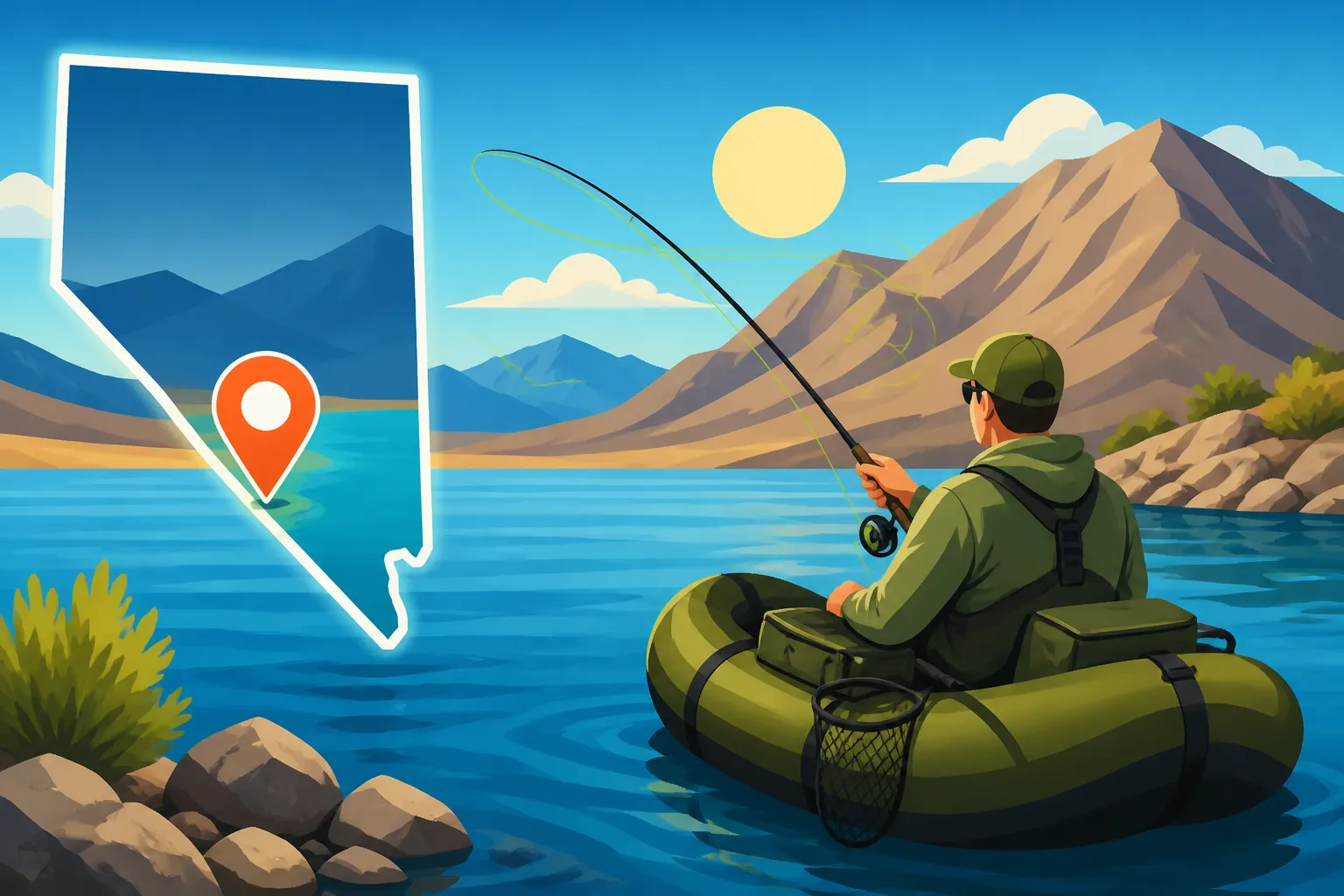
When it comes to float tube fishing in Nevada, one name consistently rises to the top: Wildhorse Reservoir. Located in northeastern Nevada, roughly an hour north of Elko, Wildhorse offers an unparalleled experience for those looking to enjoy the peace and maneuverability that a float tube provides. Unlike the massive, often turbulent waters of Lake Mead or the unique, sometimes challenging conditions of Pyramid Lake, Wildhorse presents a more intimate and manageable environment, ideal for these personal watercraft.
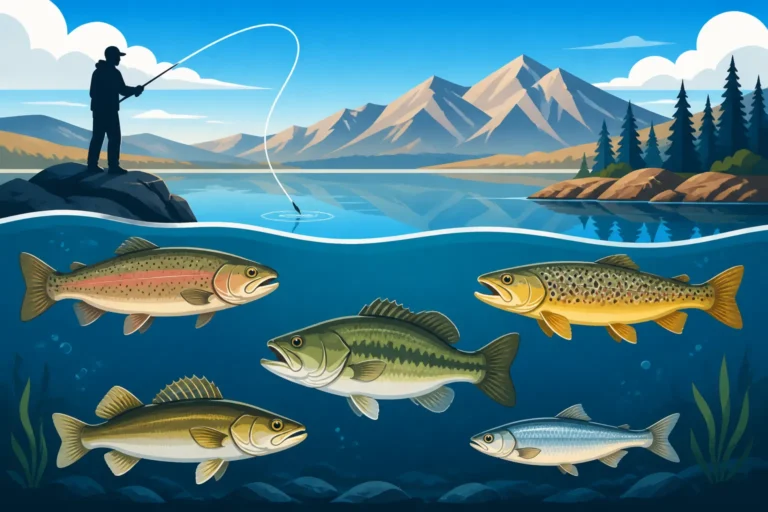
Its appeal lies in several key factors. First, Wildhorse is known for its incredible fishery, boasting robust populations of rainbow trout, brown trout, and even the elusive tiger trout. Additionally, it's a fantastic spot for yellow perch, making for diverse angling opportunities. The reservoir's diverse shoreline, with numerous coves and points, provides ample structure for fish to hide and for float tubers to explore without venturing too far into open water.
Another significant advantage is its accessibility. While it's a drive from the major population centers, once you're there, launching a float tube is incredibly straightforward. You don't need a boat ramp or a lot of fuss; many areas along the shore allow for easy entry and exit. This ease of access is a huge plus for float tube enthusiasts who want to minimize setup time and maximize fishing time. Plus, the surrounding Wild Horse State Recreation Area offers camping and amenities, making it a great destination for a multi-day trip.
The Unique Advantages of Float Tube Fishing in Nevada
Float tube fishing offers a distinct set of advantages, especially in Nevada's diverse aquatic landscapes. It's not just about getting on the water; it's about the way you get on the water and what that allows you to do. Many anglers find it to be a more personal, stealthy, and effective way to target certain species in specific conditions.
One of the biggest perks is stealth. A float tube creates minimal disturbance on the water, allowing you to approach wary fish without spooking them. This is particularly effective for trout and bass in clear Nevada waters, where heavy boat traffic can send fish scattering. You can paddle quietly into coves, along weed lines, or near rocky outcrops that larger boats simply can't reach, presenting your lure or bait with precision. This quiet approach often translates into more bites, especially in pressured fishing spots.
Another advantage is the intimate connection with the water. Sitting low in the water, you feel more attuned to the environment—the slight changes in current, the subtle tug of a fish, the warmth of the sun. It's a more primal, back-to-basics fishing experience that many find incredibly rewarding. Plus, float tubes are generally much more affordable than even small fishing boats, and they require far less maintenance and storage space. You can toss one in the back of a truck or even on a roof rack, making impromptu fishing trips a breeze.
Finally, float tubes provide fantastic maneuverability. You can spin 360 degrees, hold your position against a light breeze, and effortlessly follow structure. This control is invaluable when working a specific piece of cover, like a submerged tree or a rocky point, allowing you to cast from multiple angles and thoroughly explore the area. It truly bridges the gap between bank fishing and boat fishing, offering the best of both worlds for many situations.
Essential Considerations for Choosing a Float Tube Lake
While Wildhorse Reservoir is a top pick, understanding what makes a lake great for float tubing helps you evaluate other options in Nevada and ensure a safe and enjoyable outing. Not all waters are created equal when you're sitting inches above the surface.
Wind Exposure and Water Conditions
The desert can be relentlessly windy, and a float tube, with its low profile and light weight, is highly susceptible to being pushed around. Therefore, choosing a lake with natural windbreaks or sheltered coves is paramount. Large, open bodies of water like Lake Mead or Lake Tahoe can become dangerous very quickly with even moderate winds, creating choppy conditions that are difficult to paddle through and can even swamp a float tube. Look for lakes nestled in valleys, surrounded by hills, or those with numerous deep coves. The calmer the water, the more enjoyable and safe your float tubing experience will be. Always check the weather forecast for wind speeds before heading out.
Ease of Access and Launch Points
One of the beauties of float tubing is the minimal fuss of launching. You generally don't need a dedicated boat ramp, which opens up many more access points. However, you still need relatively easy shore access that isn't too steep, muddy, or rocky. A gentle slope to the water's edge, preferably with some firm ground, is ideal. Lakes that cater to bank anglers often make excellent float tube spots. Consider the distance you'll need to carry your inflated float tube and gear from your vehicle to the water. Some lakes might have fantastic fishing but require a long, arduous hike that negates the convenience of a float tube.
Fish Species and Habitat
Different fish species prefer different habitats, and your target species will influence the best lake choice. For instance, if you're after trout, you'll want lakes that are regularly stocked, like many of Nevada's urban ponds, or cold-water reservoirs with natural populations. Bass anglers will look for lakes with plenty of submerged structure, rocky points, and weed beds. The size of the fish can also be a factor; some smaller lakes might offer abundant but smaller fish, perfect for a relaxing day, while trophy hunters might seek out waters known for larger specimens, even if they're fewer and farther between. For instance, if you're targeting the big Lahontan cutthroat trout, Pyramid Lake is fantastic, but the vast, often rough waters can be challenging for float tubers. Always check the Nevada Fishing Regulations Explained for specific rules on species and limits.
Water Depth and Structure
Float tubes excel at accessing shallower water and working along contour lines that bigger boats might struggle with. Look for lakes with varied depths, including shallow flats, drop-offs, and submerged features like rock piles, old creek channels, or brush. These features concentrate fish and give you plenty of targets to explore. A good depth finder on your float tube can be incredibly useful for identifying these key structures. Many lakes in Nevada, like the urban ponds or some state park lakes, are ideal for exploring these shallower zones. You can learn more about fishing specific habitats in our guide on How to Fish for Bass in Nevada or How to Fish for Trout in Nevada.
Top Alternatives and Hidden Gems for Float Tubing
While Wildhorse Reservoir takes the crown for its overall float tubing appeal, Nevada offers other fantastic options, each with its own charm and challenges. Depending on your location, target species, and tolerance for adventure, these spots might just become your next favorite float tube destination.
Southern Nevada Urban Ponds
For those in the Las Vegas area, the urban ponds offer incredible convenience and a surprisingly good float tube experience. Places like Floyd Lamb Park Fishing Ponds, Sunset Park Fishing Pond, and Lorenzi Park Fishing Pond are regularly stocked with rainbow trout during the cooler months and hold decent populations of catfish and bass year-round. They are typically small, sheltered from the wind by surrounding trees and developments, and offer easy bank access for launching a float tube. These are perfect for a quick evening trip or introducing kids to float tube fishing. While you won't find trophy fish here, the consistent action and accessibility make them invaluable. Plus, the rules for these ponds are often specific, so it's good to check the Nevada Urban Pond Fishing Rules.
Smaller State Park Lakes
Across the state, many of Nevada's smaller state park lakes provide excellent float tube opportunities. Cave Lake State Park near Ely, for example, is a beautiful, high-desert lake known for its rainbow and brown trout. Its relatively compact size and mountainous surroundings often provide some shelter from the wind. Similarly, Spring Valley State Park Fishing offers good trout fishing in a picturesque setting. These lakes often come with amenities like campgrounds and restrooms, making them comfortable for a day trip or an overnight stay. Always remember to check for any park-specific regulations or fees when planning your visit.
Lake Mohave's Sheltered Coves
While Lake Mohave is a large reservoir, certain areas are incredibly well-suited for float tubing, especially if you're targeting rainbow trout or striped bass. The Willow Beach area, located below Hoover Dam, is famous for its consistent rainbow trout fishery, thanks to regular stockings. The canyon walls provide excellent wind protection, and the crystal-clear, cold water is perfect for trout. Further down, many coves along Lake Mohave offer sheltered conditions where you can effectively target smallmouth and largemouth bass from a float tube. You'll need to be mindful of boat traffic, especially on weekends, but early mornings or weekdays can offer tranquil conditions. Exploring Lake Mohave Nevada Fishing Guide can give you more specific hot spots.
Other Northern Nevada Options
Beyond Wildhorse, several other northern Nevada waters can be great for float tubing. For instance, Rye Patch Reservoir, known for its crappie, white bass, and channel catfish, has numerous coves that can be productive from a float tube, especially during spring and fall. Topaz Lake, on the Nevada-California border, can also be good on calm days, particularly for its rainbow trout and even the occasional wiper. These bigger reservoirs demand a keen eye on the weather, but their ample fish populations often make the effort worthwhile. For a truly immersive experience, consider booking a local guide through FishingBooker who specializes in these waters and can pinpoint the best float tube locations based on current conditions.
Essential Gear and Safety for Nevada Float Tubing
Float tube fishing in Nevada requires more than just your rod and reel. The state's unique environment—intense sun, unpredictable winds, and sometimes remote locations—demands specific gear and a strong emphasis on safety. Don't let a beautiful day turn into a dangerous one by being unprepared.
Critical Safety Gear
First and foremost, a Coast Guard-approved Personal Flotation Device (PFD) is absolutely non-negotiable. Even if you're an excellent swimmer, accidents happen, and a PFD can save your life. Nevada law requires a PFD for each person on board, and for float tubing, it's best to wear it at all times. Carry a whistle to signal for help, especially if you're on a larger body of water. A small first-aid kit, kept in a waterproof bag, is also essential for minor scrapes or cuts. Because Nevada's waters can be remote, it's wise to carry a fully charged cell phone (in a waterproof case) or a satellite communication device for emergencies.
For navigation and unexpected drifts, consider a small, lightweight anchor. This will allow you to hold your position against the wind or current, preventing you from being pushed into unsafe areas or away from productive fishing spots. Many float tubes come with D-rings or attachment points for a small drag anchor or a grapple anchor with a sufficient length of rope.
Sun Protection in the High Desert
Nevada's sun is no joke, especially when you're on the water with reflective surfaces. Full sun protection is critical. This includes a wide-brimmed hat, polarized sunglasses (to reduce glare and spot fish), and long-sleeved, lightweight UPF-rated clothing. Don't forget high-SPF sunscreen, applied liberally and frequently, and lip balm with SPF. Dehydration is a real risk, so bring plenty of water—more than you think you'll need—and consider electrolyte drinks. A small cooler strapped to your float tube can keep your beverages and snacks cool.
Float Tube Specifics and Accessories
Ensure your float tube is in good condition, checking for any leaks or worn seams before each outing. A quality double-action pump will inflate your tube quickly and efficiently. Flippers or fins are essential for propulsion and steering; without them, you'll be limited to wind-driven drifts. A stripping apron or a small tray attached to the front of your tube provides a convenient workspace for rigging tackle, handling fish, and keeping small items accessible.
Consider a waterproof dry bag to store essentials like your wallet, keys, phone, and any snacks. Some float tubes come with integrated storage pockets, but an extra dry bag provides added protection. For longer trips or larger lakes, a small, portable fish finder can dramatically increase your success by helping you locate structure and fish schools. Brands like Garmin and Humminbird offer compact, battery-powered options perfect for float tubes.
Effective Float Tube Fishing Techniques for Nevada Waters
Float tubing opens up a world of specific techniques that are highly effective in Nevada's varied fishing environments. Mastering these approaches will not only increase your catch rate but also make your time on the water more enjoyable.
Mastering the Art of Positioning and Presentation
One of the biggest advantages of a float tube is the ability to maintain precise positioning. Use your fins to slowly maneuver along weed lines, rocky points, or submerged structures. This allows you to present your lure or bait from multiple angles, tempting fish that might be wary of direct approaches. For example, when targeting bass hiding in brush piles, you can fan-cast around the structure, then slowly move to the other side to present your bait from a different direction.
When fishing for trout, especially in clear, still waters, a slow and deliberate approach is key. Paddle gently, casting ahead of your drift to avoid spooking fish. For bait fishing, a slip-bobber rig allows you to present bait at a specific depth, which is fantastic for targeting suspended trout or catfish on the bottom. When fly fishing from a float tube, the ability to quietly work a shoreline with streamers or nymphs is unparalleled. You can mend your line more effectively and get longer, more natural drifts. FishingBooker offers guided fly fishing trips where you can learn these nuanced techniques.
Targeting Different Species from a Float Tube
The versatility of a float tube allows you to effectively target almost any species found in Nevada.
Trout (Rainbow, Brown, Tiger): For trout, especially stocked rainbows in lakes like Wildhorse Reservoir or the urban ponds, standard methods like PowerBait, Gulp! trout baits, or small spinners (like Mepps or Rooster Tails) work wonders. From a float tube, you can silently drift along drop-offs or over submerged structure, casting to areas where trout are likely to hold. For deeper fish, try a lead-core line or a simple bait rig with a sliding sinker. If you're into fly fishing, nymphing or stripping small streamers is incredibly effective. Our guide on How to Fish for Trout in Nevada offers more detailed strategies.
Bass (Largemouth, Smallmouth, Striped): Float tubes are fantastic for bass fishing, allowing you to get into tight coves and shallow pockets where bass often lurk. For largemouth, target weed edges, lily pads, and submerged timber with Texas-rigged soft plastics, spinnerbaits, or topwater frogs. Smallmouth bass, often found on rocky points and humps, respond well to finesse worms, jigs, and crankbaits. For striped bass in places like Lake Mohave, trolling small swimbaits or spoons from your float tube can be productive, or anchoring up and casting anchovies can be effective. You can find more specific advice in our How to Fish for Bass in Nevada guide.
Catfish: Night fishing from a float tube for catfish can be a serene and productive experience, especially during the warmer months. Use smelly baits like chicken liver, cut bait, or commercial catfish dough baits on a Carolina rig near deeper channels, submerged timber, or muddy bottoms. Just remember to have proper lighting on your float tube if fishing after dark, and adhere to all Nevada Fishing Hours and Legal Times regulations.
Adjusting for Nevada's Conditions
Nevada's desert environment means you'll often encounter specific challenges that require adjustments to your technique.
- Wind: When the wind picks up, try to stay on the lee side of islands, peninsulas, or high banks for shelter. If you must fish in the wind, use it to your advantage by making controlled drifts across productive areas. Cast downwind or crosswind to get more distance, and use heavier lures or weights to maintain contact with your bait.
- Heat: During hot summer months, fish often retreat to deeper, cooler water or become more active during low-light hours. Adjust your fishing times to early mornings or evenings, or target deeper breaks and thermoclines. Consider using darker colored lures, as they can provide a better silhouette against the brighter surface.
- Clear Water: Many Nevada lakes have incredibly clear water. This means fish have excellent visibility. Use lighter fluorocarbon leaders, smaller hooks, and natural-colored baits and lures to avoid spooking fish. A stealthy approach and longer casts become even more critical.
A great tip for improving your float tube skills and finding the best spots is to hire a local guide, especially through services like FishingBooker. They know the specific lakes, the current conditions, and the most effective patterns, which can drastically cut down your learning curve and lead to a more successful and enjoyable trip.
Best Lake for Float Tube Fishing: A Quick Comparison
To help visualize your options, here's a quick comparison of some of Nevada's top float tube friendly lakes.
| Lake Name | Primary Fish Species | Float Tube Suitability | Key Features for Float Tubing | Potential Challenges |
|---|---|---|---|---|
| Wildhorse Reservoir | Rainbow Trout, Brown Trout, Tiger Trout, Yellow Perch | Excellent | Sheltered coves, diverse habitat, easy access, good camping | Remote location, can get windy on main body |
| Floyd Lamb Park | Rainbow Trout, Catfish, Bass | Excellent | Very sheltered, urban convenience, easy launch, stocked frequently | Smaller fish, can be crowded, specific park rules |
| Lake Mohave (Willow Beach) | Rainbow Trout, Striped Bass | Good | Canyon protection from wind, clear cold water, trophy trout potential | Heavy boat traffic, very deep, limited launch points |
| Cave Lake State Park | Rainbow Trout, Brown Trout | Good | Mountainous shelter, scenic, good camping | Can be windy on open sections, seasonal access |
| Rye Patch Reservoir | Crappie, White Bass, Catfish | Good | Numerous coves, diverse warm-water species | Can be very windy, fluctuating water levels |
| Topaz Lake | Rainbow Trout, Wiper | Moderate | Good trout numbers, easy access from US-395 | Very exposed to wind, can get rough quickly |
| Pyramid Lake | Lahontan Cutthroat Trout | Challenging | World-class trophy trout | Extremely windy, massive waves, specialized gear needed, tribal permit required |
Remember, while Wildhorse Reservoir is a phenomenal all-around choice for float tubing, your "best" lake might ultimately depend on what you're looking for on a given day—whether it's convenience, a specific fish species, or a particular type of scenery. Always prioritize safety, prepare for Nevada's unique conditions, and enjoy your time on the water! For detailed information on specific locations and regulations, check out our guide on Nevada Fishing Regulations Explained. You can also learn more about specific species in our Nevada Fish Species Guide. If you are planning a trip to the Tahoe region, understanding the Lake Tahoe Nevada Fishing License Rules is crucial. For information on local permits, consider our Pyramid Lake Fishing Permit Guide. If you're looking to renew your annual license, check out Nevada Annual Fishing License Renewal. Our article on Nevada Fishing Gear Essentials will help you gather the right equipment, and for those just starting out, Casting Techniques for Beginners is a great resource.
Disclaimer
The information provided in this guide is for general informational purposes only and is not intended as legal, financial, or professional advice. Fishing regulations, conditions, and best practices can change rapidly. Always consult the latest official regulations from the Nevada Department of Wildlife (NDOW) before planning any fishing trip. Exercise caution and personal responsibility when engaging in outdoor activities. The author and publisher are not responsible for any accidents, injuries, or legal infractions that may occur.