Best Time of Year to Fish in Nevada
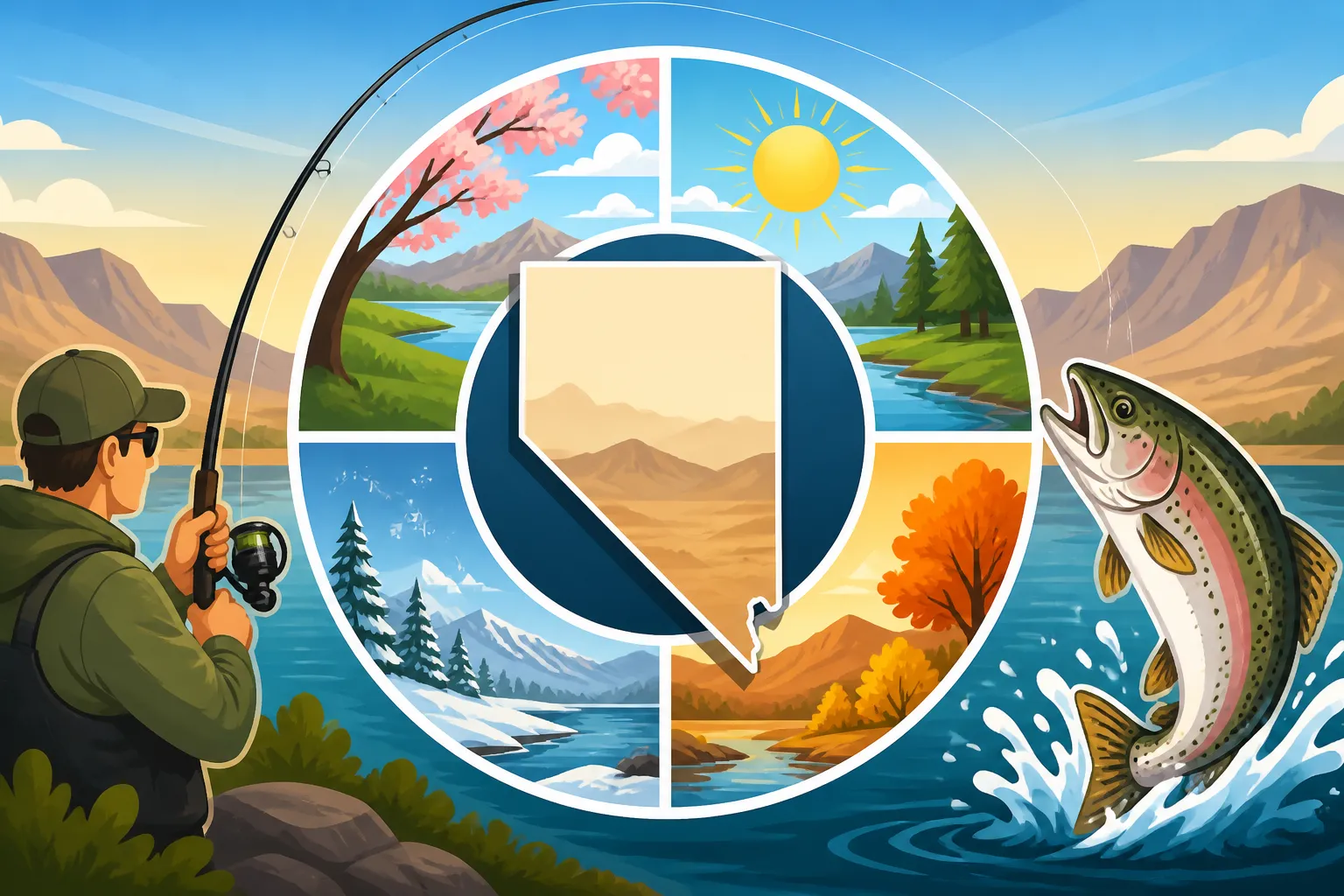
We've all been there: you carve out precious time for a fishing trip, pack up all your gear, hit your favorite spot in Nevada, and the fish just aren't cooperating. It feels like you've arrived at the wrong party, and it can be incredibly deflating. The truth is, timing is everything in fishing, and understanding the seasonal nuances of Nevada's diverse waters can transform a frustrating day into an epic angling adventure. This comprehensive guide is designed to help you pinpoint the best times of year to target various species across the Silver State, ensuring your next outing is planned for peak success.
Spring Fishing in Nevada: Awakening Waters and Hungry Fish
As the snow melts and the days grow longer, Nevada's lakes and rivers begin to shake off their winter slumber, and so do the fish. Spring is a season of renewal and increased activity, often offering some of the most consistent fishing opportunities before the intense summer heat sets in. The warming water signals to fish that it's time to feed aggressively and prepare for spawning, making them more predictable and eager to bite. This window of opportunity is one that seasoned anglers eagerly anticipate each year.
The Pre-Spawn Buzz and Post-Stocking Frenzy
Early spring, typically from March to May, kicks off with a flurry of activity. Many of Nevada's urban ponds and popular reservoirs like Lake Mead and Lake Mohave see increased trout stocking by the Nevada Department of Wildlife (NDOW). These newly introduced rainbow trout are often quite disoriented and readily take to a variety of baits and lures, creating an almost guaranteed catch for families and beginners. It’s a fantastic time to introduce kids to fishing, as success rates can be remarkably high. Simultaneously, native and wild trout populations in rivers and high-elevation lakes are becoming more active, feeding heavily as their metabolism ramps up, preparing for their own spawning cycles or simply recovering from winter. You can find detailed information about when and where NDOW releases fish in the Nevada Trout Stocking Schedule.
Beyond trout, the pre-spawn period for bass and striped bass is a major event. As water temperatures climb into the 50s and 60s Fahrenheit, these predatory fish move from their deeper winter haunts into shallower coves and flats. They’re feeding voraciously to build energy reserves before the rigors of spawning. This means they're less finicky and more willing to chase down larger baits and lures. Anglers targeting big bass often find spring to be their best chance at a trophy, especially as these fish stage near rocky points and submerged structure, looking for ample forage.
Targeting Trout in Warming Waters
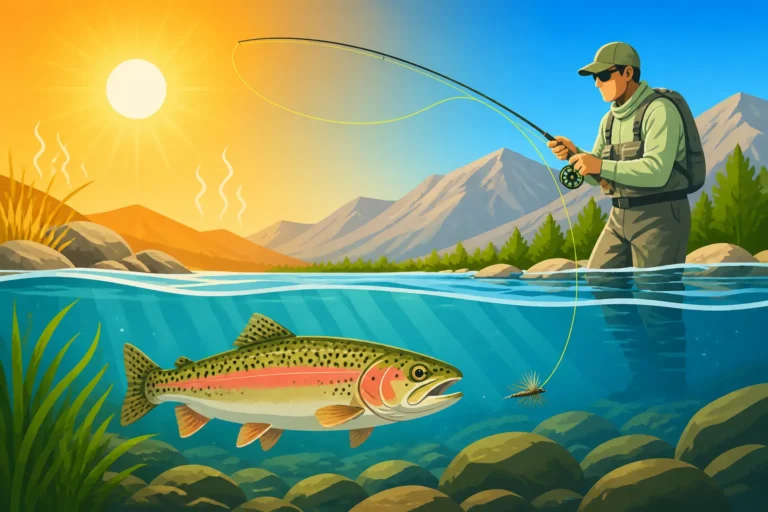
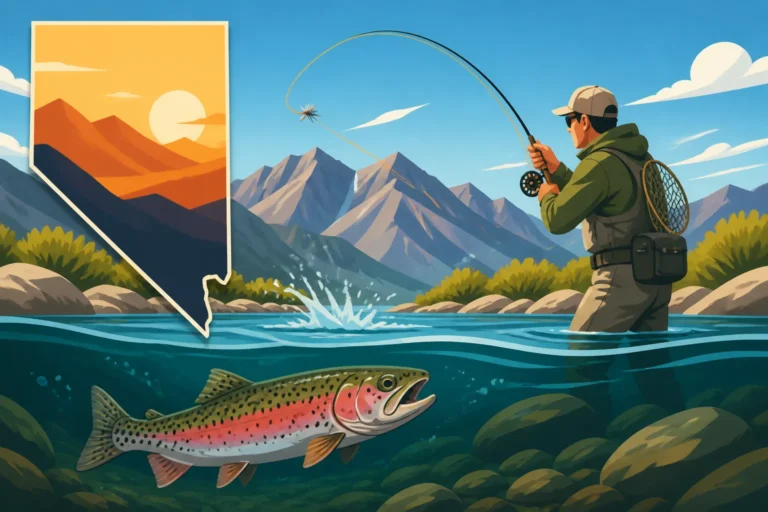
For trout enthusiasts, spring is absolutely prime time. The colder waters of late winter still hold plenty of oxygen, but the increasing sunlight and warming trends kick trout into high gear. You'll find excellent opportunities for rainbow, brown, and even some cutthroat trout across the state. Rivers like the Truckee, especially near the California border, become productive as the runoff stabilizes and insect hatches begin. Using small spinners, spoons, or even flies mimicking emerging insects can be incredibly effective. Don't forget the popular reservoirs in Northern Nevada, such as Wildhorse Reservoir, where trout will cruise shallower water, making them accessible to both boat and shore anglers.
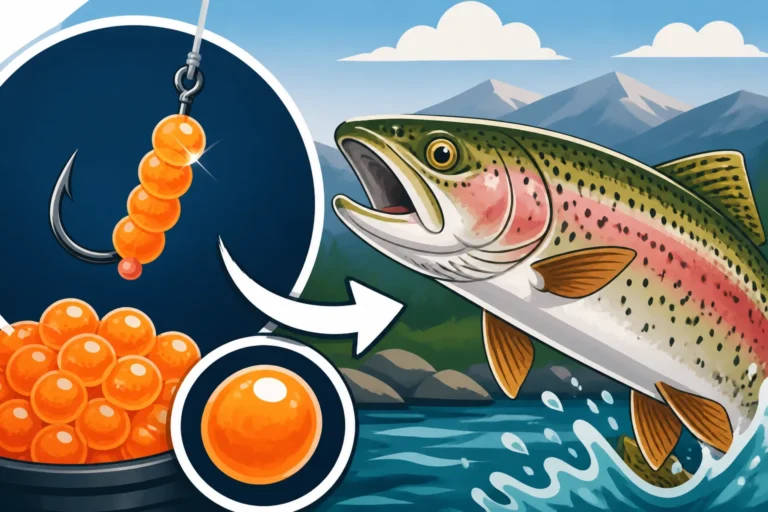
In many lakes, trout will be cruising the upper water column and near shorelines, especially in the mornings and evenings when they feel safer. Traditional baits like PowerBait, worms, or corn fished off the bottom with a simple Carolina rig can yield impressive results. For those who enjoy a more active approach, casting and retrieving small jerkbaits or inline spinners can trigger aggressive strikes. As the water continues to warm, trout might move slightly deeper during the brightest parts of the day, but they will still be within reasonable casting distance, particularly if you're targeting areas with submerged structure or inflowing streams that bring in cooler, oxygenated water. To learn more about specific techniques, check out our guide on How to Fish for Trout in Nevada.
Bass Activity as Temperatures Rise
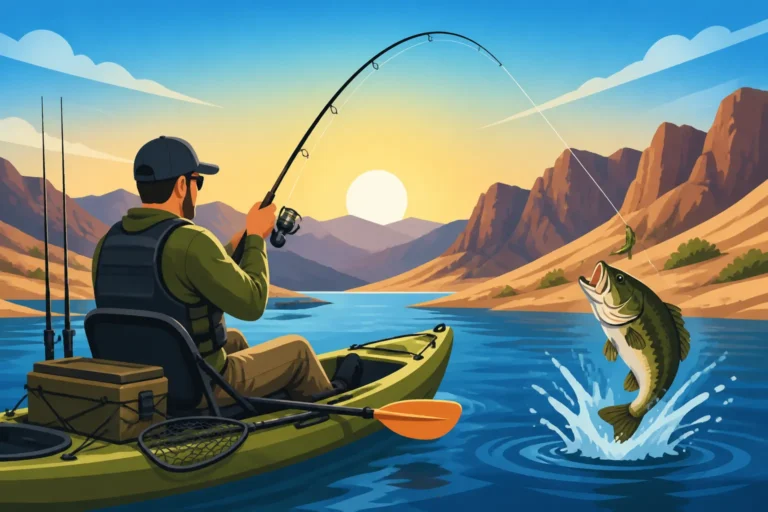
Spring is arguably the best season for bass fishing in Nevada. Both largemouth and smallmouth bass become incredibly active as water temperatures rise, starting with their pre-spawn gorging and moving into the actual spawning phase. In southern Nevada, lakes like Lake Mead and Lake Mohave see smallmouth bass staging on rocky points and humps, while largemouth move into shallower coves with submerged brush and weeds. Topwater action can be explosive on warmer spring days, and spinnerbaits, crankbaits, and soft plastics worked slowly along the bottom become irresistible.
The spawn itself, typically late April through May depending on the specific body of water and weather, sees bass guarding nests, becoming highly aggressive towards anything that approaches their territory. While some anglers prefer to avoid targeting spawning fish to protect the populations, it's a known period for catching larger females. Post-spawn, the bass can be a bit sluggish for a week or two, but they quickly resume feeding heavily to recover their energy, often patrolling creek channels and drop-offs adjacent to spawning areas. This makes them predictable targets, especially around submerged cover where they ambush baitfish. Understanding these patterns is key to successful How to Fish for Bass in Nevada.
Summer Fishing in Nevada: Early Mornings and High-Altitude Escapes
Nevada summers are renowned for their intense heat, especially in the southern desert regions. While this might deter some anglers, summer fishing can be incredibly rewarding if you know where and when to go. The key is adapting your strategy to the conditions, often meaning early starts, late evenings, or heading to cooler, higher elevations.
Beating the Desert Heat for Stripers and Catfish
In the scorching heat of southern Nevada's Lake Mead and Lake Mohave, surface water temperatures can climb significantly. This pushes most fish, especially striped bass and catfish, into deeper, cooler, and more oxygenated waters during the day. However, early mornings, late evenings, and even night fishing become prime opportunities. Striped bass will often surface feed ("boil") at dawn and dusk, chasing baitfish to the surface in spectacular displays. This is when topwater lures or fast-retrieved jigs can be incredibly effective. During the day, targeting stripers requires deeper techniques like trolling with downriggers or vertical jigging in 40-80 feet of water. Look for prominent points, submerged islands, and deep channels where baitfish congregate. You can find more specific advice in our How to Fish for Striped Bass in Nevada guide.
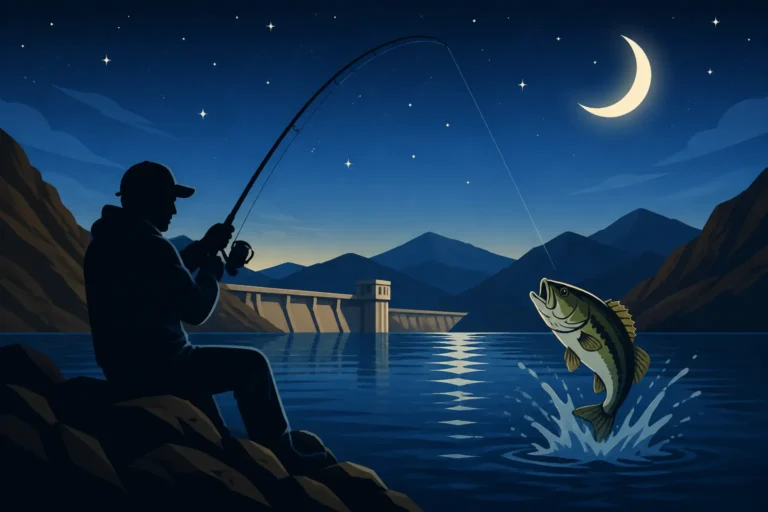
Catfish are another fantastic summer target, thriving in the warmer waters. Channel catfish in particular are abundant in Lake Mead, Lake Mohave, and many of the state's urban ponds. They are primarily nocturnal feeders, making night fishing one of the most exciting and productive summer activities. Using stinky baits like cut anchovies, chicken livers, or commercial catfish dough baits fished on the bottom can lead to some impressive catches. The cooler temperatures after sunset also make for a much more comfortable angling experience. Don't forget your headlamp and plenty of bug spray if you're planning a night outing!
High Mountain Lakes and Streams for Trout
When the desert lowlands become too hot for comfort, savvy anglers head for the hills. Nevada boasts a surprising number of high-elevation lakes and streams that offer fantastic trout fishing throughout the summer. The cooler air and water temperatures at places like the Ruby Mountains, Jarbidge Wilderness, or various alpine lakes near Lake Tahoe create perfect conditions for rainbow, brook, and even some wild brown trout. Fly fishing, in particular, comes alive on these mountain streams as various insect hatches occur.
These serene spots require a bit more effort to reach, often involving hiking or backpacking, but the reward of solitude and pristine fishing is well worth it. Small inline spinners, spoons, or even simply a worm under a bobber can be very effective in these clear, cool waters. Always check local regulations, as some high-mountain waters might have special tackle or catch-and-release rules. The scenery alone makes these trips worthwhile, offering a refreshing escape from the summer sun.
Deep Water Tactics for Lake-Dwelling Species
In large, deep reservoirs like Lake Tahoe, summer means targeting fish in their cooler, deeper thermal refuges. For Lake Tahoe's famed Mackinaw trout (lake trout), this means breaking out the heavy gear and specialized trolling techniques. These powerful fish will be found in 80-200 feet of water or even deeper, usually suspended over structure or along drop-offs. Downriggers are almost essential for getting lures like spoons, plugs, or live bait down to the correct depth. Electronics like a good fish finder become your best friend, helping you locate schools of baitfish and the predators lurking beneath them. More details can be found in our Lake Tahoe Nevada Fishing Guide.
Similarly, in Lake Mead, while stripers are the primary deep-water target, some of the larger largemouth and smallmouth bass will also suspend over deeper structure or relate to underwater humps and ledges. Drop-shot rigs, deep-diving crankbaits, or even Carolina rigs fished with plastic worms can entice these finicky deep-water dwellers. This style of fishing requires patience and a good understanding of your electronics, but it can produce some truly massive fish that are less pressured than their shallow-water counterparts.
Fall Fishing in Nevada: The Golden Season for Anglers
For many experienced anglers, fall is the undisputed champion season for fishing in Nevada. As the brutal summer heat gives way to crisp, cooler temperatures, a magical transformation occurs in the state's waters. Fish sense the impending winter and embark on a furious feeding spree to pack on weight, making them incredibly active, aggressive, and often less wary than at other times of the year. The vibrant autumn foliage also adds a spectacular backdrop to your fishing adventures.
Trout on the Move and Aggressive Feeding
As autumn arrives, trout fishing heats up significantly across Nevada. The cooling water temperatures bring trout into shallower areas to feed actively, recovering from any summer stress and preparing for their own fall spawns (for brown trout) or simply gorging themselves. Rivers and streams that might have been too warm or low in summer become vibrant with activity again. Fly anglers will find excellent dry fly opportunities as hatches continue, and nymphing and streamer fishing can be incredibly productive. Spinner and spoon anglers will also have great success.
Lakes and reservoirs, especially those regularly stocked, offer fantastic bank and boat fishing. Rainbow trout, in particular, become very aggressive, hitting a wide array of lures. In Northern Nevada, waters like Wildhorse Reservoir and Lahontan Reservoir are top choices. The trout are not just actively feeding; they are also in superb condition, displaying beautiful fall colors and fighting hard. This is the time when you might encounter some of the biggest, fattest trout of the year, especially if you're willing to explore different depths and presentation styles.
The Bass Fall Feast
Fall is another peak season for bass fishing, rivaling or even surpassing spring for sheer numbers and quality of fish caught. As water temperatures start to drop into the 70s and then 60s Fahrenheit, both largemouth and smallmouth bass abandon their deep summer haunts and move into shallower to mid-depth ranges, aggressively feeding on baitfish schools. They know winter is coming, and they need to bulk up. This often leads to "fall migration" patterns where bass follow baitfish into creek arms, coves, and main lake points.
Anglers targeting bass during this time can have incredible success with a variety of techniques. Crankbaits, spinnerbaits, jerkbaits, and topwater lures can all be deadly, especially when fished around schools of shad or other baitfish. Look for areas where baitfish are abundant – often visible on your fish finder or even visually as they dimple the surface. The bass will be right there, often in large schools, creating opportunities for multiple hook-ups. It's a fantastic time for action, making it a favorite season for many bass aficionados.
Pyramid Lake's Prime Window for Lahontan Cutthroat
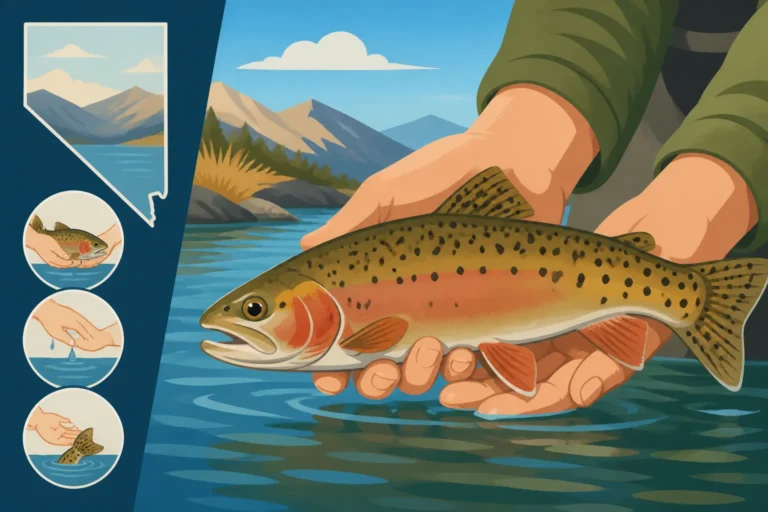
If there's one fall fishing pilgrimage every Nevada angler should make, it's to Pyramid Lake. The months of October through December (and extending into early spring) represent the absolute prime season for targeting the massive Lahontan cutthroat trout that call this unique lake home. As the water cools, these prehistoric-looking trout move into shallower waters along the expansive shoreline, making them accessible to shore anglers. Their distinctive red slashes under the jaw are a sight to behold, and their size can be truly astounding, with fish regularly caught in the 10-20 pound range, and even larger specimens always a possibility.
Anglers use specialized techniques here, often "indicator nymphing" with large fly patterns from ladders or stripping streamers from boats or the shore. The fishing can be incredibly productive, with multiple hook-ups possible on a good day. It's an iconic Nevada fishing experience, drawing anglers from all over the country. Keep in mind that Pyramid Lake operates under tribal regulations, which are separate from state rules, so always secure your Pyramid Lake Fishing Permit Guide before heading out and familiarize yourself with their specific bag limits and tackle restrictions.
Winter Fishing in Nevada: Ice and Deepwater Opportunities
Winter in Nevada brings a stark contrast: frigid conditions in the north, often creating ice, while the southern reaches remain relatively mild. This means winter fishing strategies must be highly localized, offering unique opportunities for those willing to brave the cold or seek out warmer climes. Don't put your gear away just yet; there are still plenty of fish to be caught.
Ice Fishing on Frozen Reservoirs
For those who embrace the cold, ice fishing is a popular winter pastime in northern and eastern Nevada. Reservoirs like Wildhorse, Comins Lake, and sometimes even smaller ponds at higher elevations can freeze over solid enough for safe ice fishing, typically from December through February. This requires specialized gear, including an ice auger to drill holes, insulated shelters, and short ice fishing rods. Perch are a common target through the ice, and their aggressive bites can make for a lively day. Trout are also frequently caught, especially if you can locate them suspended under the ice.
Safety is paramount when ice fishing. Always check ice thickness before venturing out, and be aware of changing conditions. A minimum of four inches of clear, solid ice is generally recommended for safe walking. Consider going with experienced ice anglers or consulting local tackle shops for current ice conditions. While the cold can be biting, the stillness of a winter landscape and the thrill of pulling a fish through the ice are experiences unique to this season. For detailed safety tips and gear recommendations, refer to our Ice Fishing in Nevada guide.
Deepwater Trolling for Lake Tahoe Mackinaw
Even in the dead of winter, the fishing at Lake Tahoe remains strong for certain species. The deep, cold waters of Tahoe are the year-round domain of the Mackinaw trout, and winter can be an excellent time to target them, provided you have the right boat and gear to handle the cold. These fish remain active in the deep, and successful winter fishing often involves trolling large spoons or plugs, or even live minnows, at depths ranging from 100 to 300 feet. The clarity of the water means these fish rely heavily on sight, and presenting your lure effectively is key.
Winter fishing on Lake Tahoe also means fewer boats on the water, offering a peaceful and often breathtaking experience with snow-capped peaks surrounding the pristine lake. It's a serious angling pursuit that requires dedication and proper cold-weather clothing, but the reward can be a trophy Mackinaw, which are often at their heaviest and most vibrant in the cooler months. Just remember to bundle up and keep safety in mind when boating in cold conditions.
Mild Weather Opportunities in Southern Nevada
While Northern Nevada shivers, the southern parts of the state often enjoy relatively mild winters, making year-round fishing a reality. Lakes Mead and Mohave rarely freeze, and while the water temperatures drop, fish like striped bass, largemouth bass, and catfish are still catchable. They tend to congregate in deeper water, often suspending over structure or near thermal springs if available. Slowing down your presentation is key. Jerkbaits, slow-rolled spinnerbaits, and jigs can be effective for bass.
For striped bass, live bait or jigging spoons presented vertically in deep channels can produce results. Catfish, though less active than in summer, can still be enticed with cut bait on the bottom in deeper holes. Urban ponds in the Las Vegas area continue to receive regular trout stockings throughout the winter, providing easy access and consistent action for families and those looking for a quick fishing fix without traveling far. These ponds offer some of the most accessible and reliable winter fishing in the state.
Understanding Nevada's Diverse Fisheries by Season
Nevada's unique geography, ranging from scorching deserts to alpine peaks, supports an incredibly diverse array of fish species. Each species, however, has its own preferences and behaviors tied to the changing seasons, largely dictated by water temperature, food availability, and spawning cycles. Understanding these general patterns is fundamental to planning your most successful fishing trips throughout the year.
Trout Species Seasonal Behavior
Trout, including rainbow, brown, brook, and the iconic Lahontan cutthroat, are generally cold-water fish. Their activity levels are highly dependent on water temperature and oxygen levels.
- Spring: As mentioned, spring sees a surge in trout activity. Waters warm to comfortable levels, triggering aggressive feeding. Stocked trout are abundant, and wild trout are recovering from winter, moving into shallower areas.
- Summer: In lowland lakes, trout retreat to deeper, cooler water. High-elevation lakes and streams become prime locations as they maintain ideal temperatures. Early morning and late evening bites are best in warmer waters.
- Fall: This is a second peak season for trout. Water temperatures cool to optimal levels, and trout feed heavily in preparation for winter. Brown trout often spawn in fall, making them very aggressive.
- Winter: In ice-free waters, trout move to deeper zones. Ice fishing becomes an option in colder regions. Stocked urban ponds remain productive throughout.
Knowing these patterns helps you decide where to go and what techniques to use. For example, if you're looking for trophy brown trout, fall is often your best bet, especially in specific rivers or reservoirs known for them.
Bass and Striped Bass Seasonal Movements
Bass (largemouth and smallmouth) and striped bass are warm-water species, but they still exhibit distinct seasonal movements.
- Spring: Pre-spawn and spawn activity makes this a top season. Bass move shallow, feed aggressively, and are highly catchable. Striped bass also become very active, chasing baitfish in warmer coves.
- Summer: Bass move deeper to escape heat, often found in 15-30+ feet of water around structure. Striped bass will suspend over deep water or boil on the surface at dawn/dusk. Night fishing for stripers can be very productive.
- Fall: Another peak season, especially for big bass. They move shallower again, feeding voraciously to build fat reserves for winter. Striped bass also feed heavily, often in large schools chasing bait.
- Winter: Bass and stripers become more lethargic, retreating to deeper, stable water. Bites are subtle, and slower presentations are required. Southern Nevada lakes offer the best winter opportunities for these species.
These larger predators are often found by following the baitfish. If you can locate schools of shad or other forage fish, you're likely to find bass or stripers nearby.
Catfish, Perch, and Other Panfish
Nevada also offers great fishing for other species like channel catfish, yellow perch, crappie, and various panfish.
- Catfish: Thrive in warm water. Late spring through summer and into early fall are prime times. They are particularly active at night during summer in lakes like Mead and Mohave, and urban ponds.
- Perch: Often caught through the ice in northern reservoirs like Wildhorse. In open water, they are active spring through fall, often schooling in weed beds or around submerged structure.
- Panfish (Bluegill, Crappie, Sunfish): Typically caught spring through early fall in warmer, shallower waters. They congregate around brush, docks, and submerged vegetation, making them excellent targets for light tackle and beginners.
Each of these species contributes to the diverse angling experience in Nevada, ensuring that no matter the season, there's always something to target. Our comprehensive Nevada Fish Species Guide provides even more detail on what you can expect to find.
Key Factors Influencing Seasonal Fishing Success
Beyond the general seasonal trends, several specific environmental factors play a crucial role in determining how successful your fishing trip will be on any given day. Understanding these influences can help you make real-time adjustments to your strategy, ensuring you're not just fishing during the "best time of year," but also during the best possible conditions within that window.
Water Temperature and Fish Metabolism
Water temperature is perhaps the single most critical factor influencing fish activity. Fish are cold-blooded, meaning their metabolism and activity levels are directly tied to the temperature of their surrounding water. Each species has an optimal temperature range for feeding, spawning, and general comfort.
- Too Cold: When water is too cold, fish become sluggish, their metabolism slows, and they feed infrequently and subtly. They often seek deeper, more stable water.
- Optimal Range: Within their preferred temperature range, fish are most active, aggressive, and willing to strike. This is where you'll find the best bites.
- Too Hot: When water gets too warm (especially in summer), oxygen levels drop, and fish become stressed. They'll seek cooler, deeper water or areas with current, and may become lethargic.
Monitoring water temperature, either with a dedicated thermometer or by checking local reports, can give you a significant advantage. It helps you decide not only what to fish for, but where in the water column to present your bait. If the surface is too warm, the fish are likely deeper. If it's too cold, they might be in warmer, shallower pockets.
Weather Patterns and Barometric Pressure
Weather isn't just about comfort; it profoundly affects fish behavior.
- Stable Weather: Several days of consistent weather (sunny, cloudy, etc.) often lead to predictable fish patterns.
- Cold Fronts: A sudden drop in temperature after a warm spell can shut down fishing completely. Fish often feed aggressively before a cold front hits due to rapidly dropping barometric pressure, then become very sluggish and inactive for a day or two after it passes. They may move deeper or hide in dense cover.
- Warm Fronts: A warm spell in cooler months can increase fish activity, particularly in shallow areas.
- Overcast Skies: Often ideal, as it reduces light penetration, making fish feel more secure in shallower water and feeding throughout the day.
- Wind: A moderate chop on the water can break up the surface, making fish less wary and activating a bite. It also creates current and concentrates baitfish. However, too much wind can make boat control and casting difficult, and churn up sediment, decreasing clarity.
Paying attention to the forecast, especially barometric pressure changes, can help you time your trips. If a cold front is coming, try to hit the water a day or two before it arrives. If it's just passed, prepare for a tougher bite and slower presentations.
Water Levels and Clarity
Nevada's reservoirs, particularly those in the desert regions, can experience significant fluctuations in water levels due to drought or water management. These changes have a direct impact on fish habitat and behavior.
- Rising Water: Can be great for fishing as it floods new cover, creating fresh feeding grounds and often drawing fish into shallower areas.
- Falling Water: Can concentrate fish in existing channels and structure, but it can also push them out of shallow cover, making them harder to locate. It can also stress fish if the drop is too rapid.
- Clarity: Clear water usually means fish are more reliant on sight, so natural colors and lighter lines are often preferred. Overcast days or low light conditions can be better for clear water. Stained or muddy water means fish rely more on scent and vibration. Brighter colors, noisy lures, and scented baits become more effective. After heavy rains, runoff can muddy the water, pushing fish away from inflows or making them harder to find.
Understanding the specific conditions of your chosen fishing spot – whether it's Lake Mead's fluctuating levels or a mountain stream's clarity after a rain – allows you to select the right tackle, bait, and presentation for the best chance of success. Local fishing reports and bait shops are invaluable resources for up-to-date information on water levels and clarity.
Planning Your Nevada Fishing Calendar
With so much variety, deciding when and where to fish in Nevada can feel overwhelming. However, by understanding the general seasonal trends and considering your target species and preferred fishing style, you can effectively plan your angling calendar for maximum enjoyment and success.
Matching Species to Season and Location
The first step in planning is to decide what you want to catch. Are you dreaming of a trophy Lahontan cutthroat, a feisty largemouth bass, or a basket of delicious rainbow trout? Once you know your target, you can align it with the best season and location.
- Trout (stocked): Year-round in urban ponds, spring and fall in most reservoirs, summer in high-elevation lakes/streams. Consider places like Floyd Lamb Park, Wildhorse Reservoir, or the Ruby Mountains.
- Trout (wild/native): Spring and fall in rivers like the Truckee, summer in remote alpine lakes.
- Largemouth & Smallmouth Bass: Peak spring and fall in Lake Mead, Lake Mohave, and Rye Patch Reservoir. Slower but still catchable in summer (deep) and winter (southern lakes).
- Striped Bass: Good year-round in Lake Mead and Lake Mohave, with peak action in spring, fall, and summer nights.
- Lahontan Cutthroat Trout: Prime fall through spring at Pyramid Lake.
- Mackinaw Trout (Lake Trout): Year-round in Lake Tahoe, best in cooler months but requires deepwater tactics in summer.
- Catfish: Late spring through fall, especially summer nights, in Lake Mead, Lake Mohave, and urban ponds.
This foundational understanding helps you choose your destination and gear, whether you're shopping for new lures on Amazon or stocking up on PowerBait at a local tackle shop.
Consulting NDOW Stocking Reports
For many anglers, especially those targeting rainbow trout, the Nevada Department of Wildlife (NDOW) stocking schedule is a golden ticket. NDOW regularly stocks numerous lakes, reservoirs, and urban ponds across the state. These stockings are often a lifeline for consistent action, particularly for families or those looking for a relatively easy bite. NDOW publishes its stocking schedule online, providing details on which waters will be stocked and approximately when.
Keeping an eye on these reports allows you to time your trips to coincide with fresh stockings, which often leads to a "hot bite" for several days following the release. This is particularly true for urban ponds around Las Vegas and Reno, which are stocked frequently throughout the cooler months. You can find detailed information about specific stocking events in our Nevada Trout Stocking Schedule. Remember that while stocked fish are often eager, they can become more wary a few days after being introduced, so adjust your tactics accordingly.
Essential Gear for Year-Round Nevada Fishing
Regardless of the season, being prepared with the right gear is crucial for comfort and success in Nevada's diverse environments. The desert sun is no joke, even in winter, and mountain weather can change in an instant.
- Sun Protection: Always carry sunscreen, a wide-brimmed hat, and polarized sunglasses. Lightweight, long-sleeved UPF-rated clothing is a must, especially during spring, summer, and fall. You can find excellent options for protective gear on Amazon.
- Layered Clothing: Essential for any season. Mornings can be cold, but midday can be warm. Be ready to shed or add layers. Waterproof outerwear is wise, especially in spring and fall.
- Water and Snacks: Staying hydrated is critical, particularly in the arid Nevada climate. Pack more water than you think you'll need.
- Appropriate Tackle: Ensure your rod, reel, line, and tackle are suitable for your target species and the conditions. You wouldn't use ultralight gear for deepwater Lake Tahoe Mackinaw, just as heavy bass tackle would be overkill for panfish in an urban pond. Our guide on Nevada Fishing Gear Essentials offers comprehensive recommendations.
- Nevada Fishing License: Absolutely non-negotiable. Always have your current Nevada Fishing License Guide on hand, whether physical or digital. Game wardens actively patrol, and fishing without one carries significant penalties. Don't forget any necessary stamps, like a trout stamp, if required for the species you're targeting.
By combining seasonal knowledge with good preparation, you're not just hoping for a good day; you're stacking the odds in your favor for an unforgettable fishing experience in the Silver State.
Disclaimer
The information provided in this guide is for general informational purposes only and is subject to change. Fishing regulations, stocking schedules, and local conditions can vary. Always consult the most current Nevada Department of Wildlife (NDOW) regulations and local advisories before planning any fishing trip.