How to Catch Mackinaw Trout at Lake Tahoe
There’s nothing quite like the immense challenge and ultimate thrill of hooking into a powerful Mackinaw trout in the vast, cold depths of Lake Tahoe. Many anglers dream of catching one of these giants, only to find themselves intimidated by the lake’s sheer size and the Mackinaw’s preference for deep, often mysterious waters. If you've ever felt overwhelmed by where to start, what gear to use, or how to even locate these elusive fish, you're not alone. This guide is here to cut through the confusion and provide you with a comprehensive roadmap to successfully targeting and landing Mackinaw trout in one of Nevada’s most iconic fisheries.
Understanding Mackinaw Trout at Lake Tahoe
Lake Tahoe is an incredible fishery, renowned for its pristine waters and diverse fish populations, but it's the Mackinaw trout, also known as lake trout, that truly captivate deep-water anglers. These fish aren't just big; they're an integral part of Tahoe's ecosystem, and learning about them is the first step to catching them.
Mackinaw Trout Biology and Habitat in Tahoe
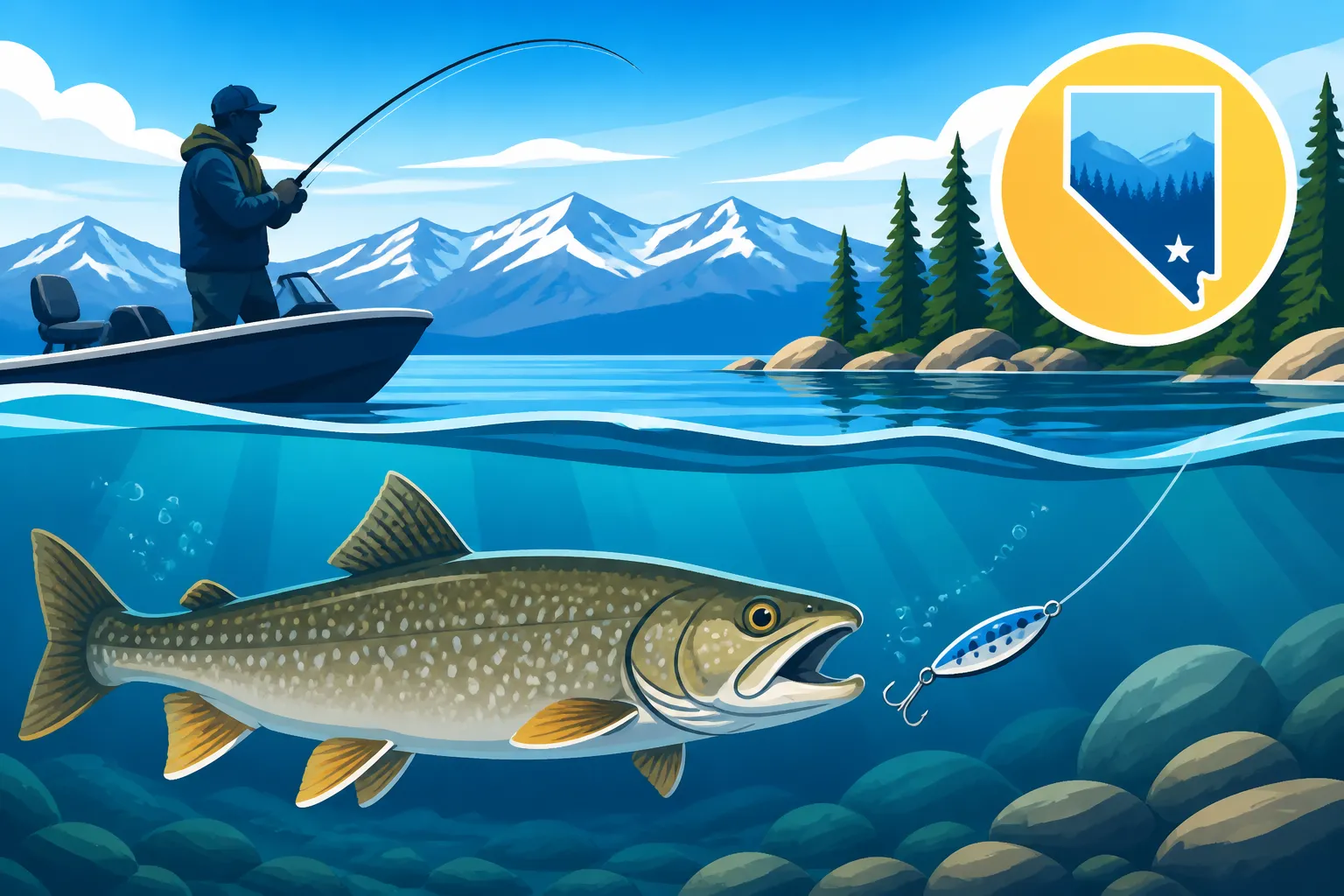
Mackinaw trout ( Salvelinus namaycush) are not native to Lake Tahoe; they were introduced over a century ago and have since become the apex predator in the lake's cold, deep waters. They thrive in Tahoe's oligotrophic (nutrient-poor) environment because it perfectly mimics their natural habitat: deep, clear, and cold lakes with abundant forage. These fish are built for the deep, with a sleek, torpedo-like body, a deeply forked tail, and a coloration that blends perfectly with the rocky, dark bottoms they inhabit—typically dark green or gray with light spots.
What truly defines the Mackinaw in Tahoe is their incredible size potential and their slow growth rate. Unlike many other trout species, Mackinaw can live for decades, with some specimens in Tahoe reaching over 20 years old and exceeding 20 pounds. Their diet primarily consists of smaller fish like kokanee salmon, Lahontan redside shiners, and even other smaller Mackinaw, making them true piscivores. Understanding this diet is crucial for selecting the right lures and baits. The depth these fish prefer can vary, but generally, you'll find them holding anywhere from 80 feet down to 600 feet or more, particularly during the warmer months when surface waters heat up.
Challenges of Targeting Deep-Water Mackinaw
Let's be honest, fishing for Mackinaw in Lake Tahoe isn't like casting a fly in a small stream. It's a whole different ball game, and it comes with its own set of frustrations. The biggest challenge is, without a doubt, their depth. These fish aren't hanging out where you can easily see them. They're often suspended over massive depths, relating to subtle underwater structures or schools of baitfish. This means you need specialized gear to get your lures down to them and electronics to even find them in the first place.
Another hurdle is Lake Tahoe's sheer size. It’s one of the largest and deepest freshwater lakes in North America. Imagine trying to find a needle in a haystack—now imagine that haystack is 22 miles long and 12 miles wide, and over 1,600 feet deep in places! This vastness means you can spend hours, or even days, without a bite if you're not in the right spot or using the correct techniques. The clear water, while beautiful, also means Mackinaw can be incredibly spooky. They have excellent eyesight, and heavy line, unnatural lure presentations, or too much boat noise can easily send them scattering. It's a game of patience, precision, and understanding the subtle cues of a challenging environment.
Seasonal Movements and Feeding Habits
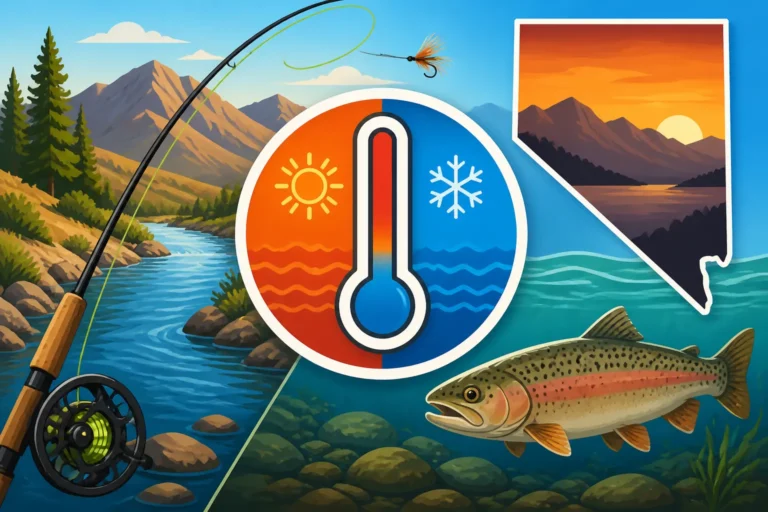
Mackinaw trout in Lake Tahoe exhibit distinct seasonal patterns, which is absolutely vital information for any angler hoping to find success. Their movements are largely dictated by water temperature and the availability of their primary food source, kokanee salmon.
- Spring (April-June): As the lake begins to warm slightly, Mackinaw often start to move into shallower waters, sometimes as "shallow" as 50-150 feet, especially near spawning grounds of kokanee and other baitfish. This is a fantastic time for aggressive feeding, and they can be caught trolling or jigging. They're trying to pack on weight after the lean winter months.
- Summer (July-September): This is when the Mackinaw really go deep. As the surface waters warm significantly, they retreat to the coldest, most oxygenated parts of the lake, often holding at depths from 150 to over 400 feet. Locating the thermocline (the layer where warm and cold water meet) becomes critical, as this is often where baitfish, and consequently Mackinaw, will congregate. Trolling with downriggers becomes the dominant strategy. This is also when you might find them suspended over incredible depths, far from the bottom, chasing kokanee.
- Fall (October-November): As water temperatures cool, Mackinaw will start to move shallower again. This is also their spawning season (though they don't reproduce successfully in Lake Tahoe, they still go through the motions). They can be found cruising rocky drop-offs and shelves in 80-200 feet of water, often quite aggressively feeding before and after their spawning rituals.
- Winter (December-March): While many anglers put their boats away, winter can offer excellent Mackinaw fishing for those brave enough to face the cold. The entire water column is a more uniform temperature, allowing Mackinaw to be found at a wider range of depths, though often still deep. They may be less active but will still respond to slower presentations.
Understanding these seasonal shifts in where to find and how to approach the fish is key to consistent success. For a broader look at fishing in the area, check out our Best Time of Year to Fish in Nevada guide.
Essential Gear for Lake Tahoe Mackinaw
Successfully catching Mackinaw in Lake Tahoe demands specific equipment designed to handle deep water, heavy fish, and unique techniques. Skimping on gear will lead to frustration and lost fish.
The Right Rods, Reels, and Line for Deep Trolling
When you're pulling heavy weights and large lures hundreds of feet behind the boat, standard trout gear just won't cut it. You need robust, specialized equipment.
- Rods: Look for a medium-heavy to heavy action trolling rod, typically 7 to 9 feet in length. The rod needs a soft enough tip to absorb the shock of a big fish striking, but a strong backbone to handle the weight of the fish and the pressure of a downrigger. Many anglers prefer fiberglass or composite rods for their durability and parabolic bend, which helps keep fish hooked during the fight. Brands like Lamiglas, Shimano, and Ugly Stik offer excellent options for this type of fishing. For specific recommendations, our Best Trolling Rods for Lake Trout article has some great ideas.
- Reels: A sturdy, level-wind conventional reel is the standard for Mackinaw trolling. You need a reel with a high line capacity (at least 300 yards of 20-30lb test) and a smooth, reliable drag system. A line counter feature is almost a necessity, allowing you to precisely replicate depths and lure placements once you find success. Popular choices include reels from Shimano Tekota, Daiwa Saltist, or Penn Squall series. These can often be found on Amazon.
- Line: The debate over monofilament versus braided line is constant, but for Mackinaw, many opt for braided line as their main backing due to its minimal stretch and incredible strength-to-diameter ratio. This allows for better sensitivity and more direct hooksets at extreme depths. A 30-50lb braided line is common. However, a fluorocarbon leader (15-30lb test, 20-50 feet long) is almost universally used. Fluorocarbon is nearly invisible underwater, which is crucial in Tahoe's clear waters, and it offers excellent abrasion resistance against rocky bottoms. Some anglers prefer to use straight monofilament (20-30lb test) for its shock absorption, especially when fishing without a downrigger.
Downriggers and Other Depth-Controlling Equipment
Getting your lure to the Mackinaw's preferred depth is non-negotiable, and downriggers are the undisputed kings of deep-water trolling in Lake Tahoe.
- Downriggers: These devices use a heavy cannonball weight (typically 8-15 pounds) to deploy your fishing line to a precise, measured depth. Your line clips into a release mechanism on the downrigger cable, and when a fish strikes, the line pops free, allowing you to fight the fish directly without the weight. You'll want at least two, preferably four, downriggers on your boat to cover different depths and spread your lines. Electric downriggers are a game-changer, saving your arms from cranking up heavy weights all day. Brands like Scotty, Cannon, and Big Jon are popular choices.
- Diving Planers/Boards: While less common for the extreme depths where Mackinaw often reside, diving planers (like a Dipsy Diver or Pink Lady) can get lures down to 50-100 feet without the need for a downrigger. They're more often used for species like kokanee, but can be effective for Mackinaw when they are shallower, particularly during spring and fall. These tools are fantastic for anglers without downriggers who want to experiment with deeper presentations.
- Lead Core Line: Another depth-controlling option, lead core line has a lead filament braided into its core, causing it to sink. Each "color" (usually 10 yards) sinks to a predictable depth at a given speed. This is a very effective method for getting lures down to specific depths, often used in conjunction with flatlining or planer boards. It’s particularly useful when you don’t need the extreme depth of a downrigger but want to get deeper than standard trolling. The downside is that it's much harder to fight a fish with lead core due to its thickness and weight, and feeling the bite can be tricky.
Electronics: Fish Finders and GPS for Precision
In a lake as vast and deep as Tahoe, your electronics are your eyes underwater. Without them, you're essentially fishing blind.
- Fish Finders (Sonar): A high-quality fish finder is arguably the most critical piece of equipment for Mackinaw fishing. You need a unit with powerful sonar (preferably CHIRP technology) to accurately read depths, identify underwater structure (like ledges, humps, and submerged trees), and, most importantly, mark fish. Look for units that offer excellent target separation and can display at least 200-400 feet clearly, though many Mackinaw anglers will be looking at much greater depths. Side-imaging and down-imaging capabilities are incredibly useful for identifying structures off to the sides or directly below the boat with photographic clarity. Brands like Humminbird, Lowrance, and Garmin offer excellent units that can drastically improve your success rate.
- GPS/Chartplotter: Knowing where you are and, more importantly, where you've been, is crucial. A GPS unit or a chartplotter integrated into your fish finder allows you to mark waypoints of productive spots, track your trolling passes, and navigate safely, especially in low light or fog. Detailed contour maps (like LakeMaster or Navionics) for Lake Tahoe are invaluable for identifying promising deep-water structures and drop-offs. Being able to return to a precise spot where you caught a fish or marked a school of bait can make all the difference. Many anglers, myself included, spend time on these maps at home, planning their attack routes before ever leaving the dock.
Having these tools properly set up and knowing how to interpret their readings will give you a tremendous advantage. It's an investment, but it truly pays off.
Prime Locations and Best Times to Target Mackinaw
Finding Mackinaw in Lake Tahoe is often described as finding a needle in a haystack, but with the right knowledge of their preferred haunts and feeding schedules, you can significantly narrow down your search.
Key Structures and Depths to Explore
Mackinaw trout, despite their deep-water preference, are still structure-oriented fish. They don't just swim aimlessly in the middle of nowhere; they relate to specific features that offer ambush points, shelter, or access to baitfish.
- Drop-offs and Ledges: These are classic Mackinaw magnets. Look for abrupt changes in depth, where the lake bottom plunges from a shallower shelf into deeper water. Mackinaw will often patrol these edges, waiting for kokanee or other forage fish to move up or down the column. Areas along the East and West shores of Lake Tahoe are famous for their steep drop-offs.
- Submerged Humps and Islands: Underwater islands or humps that rise up from the lakebed are essentially oases in the deep. They attract baitfish, which in turn attract Mackinaw. If your fish finder shows a distinct rise in the bottom, especially if it's surrounded by deep water, it's worth investigating.
- Rocky Points and Canyons: Points that extend into the lake, especially those with rocky bottoms, can hold fish. Submerged canyons or "trenches" on the lake floor can also funnel baitfish and concentrate Mackinaw. The clear waters of Tahoe allow these structures to be easily identified on detailed bathymetric maps.
- Open Water (Baitfish Schools): Sometimes, Mackinaw aren't relating to structure at all, but rather to schools of kokanee salmon suspended in the open water. These nomadic schools can be anywhere, from 50 to 300 feet deep. Your sonar will be crucial here to locate these bait balls and the Mackinaw often lurking beneath or within them. This is where Lake Tahoe Deep Water Mackinaw Spots really shines, giving you a detailed breakdown of where to start your search.
The typical depth range for Mackinaw at Lake Tahoe is often between 100 to 400 feet, but this can fluctuate wildly depending on the season, time of day, and baitfish activity. In spring and fall, they might push up into the 50-100 foot range, while in summer, they could be found at 300-600 feet, particularly during the middle of the day.
Seasonal Strategies for Different Depths
As mentioned earlier, Mackinaw are creatures of habit driven by temperature and food. Tailoring your depth strategy to the season is paramount.
- Spring (April-June): Mackinaw can be more accessible during this period. Focus your efforts in 50-150 feet of water, especially near spawning areas for kokanee or other baitfish. Look for them patrolling drop-offs and shelves adjacent to these shallower areas. Trolling with downriggers set between 60-120 feet is a good starting point. You might even find success with jigging spoons or tubes bounced off the bottom in these depths.
- Summer (July-September): This is when the "deep" in deep-water Mackinaw fishing really comes into play. You'll likely be targeting fish between 150-400 feet, sometimes even deeper. Your sonar will be your best friend to find the thermocline and any suspended baitfish. Troll with downriggers set at various depths within this range until you find active fish. Often, the bigger fish will be even deeper, hugging the bottom or suspended just above structure.
- Fall (October-November): As the lake cools, Mackinaw become more active feeders and start to move up the water column, often found in 80-200 feet. This is a prime time for aggressive strikes. Focus on rocky points and transition areas. Both trolling and jigging can be highly effective. This time of year often yields some of the biggest fish of the season.
- Winter (December-March): Don't dismiss winter fishing for Mackinaw! The entire water column becomes more uniform in temperature, but the fish often remain deep, though perhaps more spread out. You'll still find them in the 150-300 foot range, but their activity levels might be lower, requiring slower presentations. Trolling very slowly or vertically jigging becomes effective. Be prepared for cold weather and respect Lake Tahoe's often unpredictable winter conditions.
Remember, these are general guidelines. Always consult your fish finder and local reports to fine-tune your depth. For comprehensive information on how to navigate Lake Tahoe, check out our Lake Tahoe Nevada Fishing Guide.
Optimal Times of Day for Mackinaw Activity
Just like any fish, Mackinaw have peak feeding times. While they can be caught throughout the day, certain periods tend to be more productive.
- First Light (Dawn) and Last Light (Dusk): These low-light periods are almost universally good for predatory fish, and Mackinaw are no exception. The reduced light penetration makes them feel safer to move and feed, and baitfish can also be more active. If you can be on the water and have your lines in the water 30 minutes before sunrise, you'll often be rewarded with the best bite of the day. Similarly, the hour before sunset can be very productive.
- Overcast Days: On days with heavy cloud cover, the low light conditions can extend the prime feeding window well into the middle of the day. Mackinaw are less sensitive to boat traffic and surface commotion when the light is dim.
- Mid-Day (Deep): During bright, sunny days, especially in summer, Mackinaw often retreat to their deepest haunts. While the bite might slow down, they can still be caught by targeting them even deeper, sometimes pushing beyond 400 feet. The key is to get your lure right in front of them, as they may be less willing to chase. This is where precision trolling with downriggers and accurate fish finder readings are absolutely critical.
Keep an eye on weather patterns, too. A change in pressure or an approaching storm front can sometimes trigger a feeding frenzy, while bluebird skies after a cold front might make them more lethargic. Consistency is important; some days will be slower than others, but putting in the time during these prime windows will increase your odds.
Effective Trolling Techniques for Mackinaw
Trolling is the most popular and often most effective method for covering water and finding Mackinaw trout in Lake Tahoe. It’s a methodical approach that, when done correctly, can yield impressive results.
Choosing Lures and Bait for Mackinaw
Selecting the right offering is paramount. Mackinaw are aggressive predators, and they respond well to presentations that mimic their natural prey.
- Spoons: Large trolling spoons are Mackinaw staples. Their wobbling, flashing action perfectly imitates wounded baitfish. Common sizes range from 3 to 6 inches, and popular colors include silver, gold, brass, blue/silver, green/silver, and watermelon. Brands like Luhr Jensen, J-Plug, and Pro-Troll are very effective. Experiment with different sizes and colors until you find what the fish are keying in on. Sometimes, a subtle flutter is all it takes, other times a wild erratic wobble.
- Plugs and Stickbaits: Jointed or solid body plugs, often in trout or kokanee patterns, can be incredibly effective. These lures have a more aggressive swimming action than spoons and can be especially good when fish are actively chasing. Rapala Down Deep Husky Jerks, J-Plugs, and Brads KillerFish are perennial favorites.
- Dodgers and Flashers: These are not lures themselves but attractors used in conjunction with a trailing lure or bait. Dodgers and flashers create a large amount of flash and vibration in the water, mimicking a school of baitfish and drawing Mackinaw in from a distance. The choice between a dodger (which has a wide, oscillating action) and a flasher (which rotates) depends on the desired action of your trailing lure. Generally, dodgers are paired with slower, more subtle lures or bait, while flashers are paired with lures that have their own action. Use a leader of 24-48 inches behind the dodger/flasher to your lure.
- Live Bait/Cut Bait: While artificials are popular, live or cut bait is often the most productive. Whitefish, minnows, or even pieces of kokanee salmon are excellent choices. Tipping your spoon or jig with a small piece of cut bait can add scent and appeal. When still fishing or slow-trolling, a whole frozen or brined minnow (like a shiner) rigged on a slow-troll harness is incredibly effective. The natural scent and appearance can be irresistible to even finicky Mackinaw. Remember to check Nevada Fishing Regulations Explained for bait restrictions.
Trolling Speed and Pattern Secrets
Trolling speed and boat maneuvers are just as critical as your lure choice. Slight variations can make a huge difference.
- Speed: Mackinaw typically prefer a slower trolling speed compared to other trout species. A common range is 1.5 to 2.5 miles per hour (MPH). However, this is just a starting point. Experiment! Sometimes, a slower speed (1 MPH) is deadly, especially in colder water or for less active fish. Other times, bumping it up to 3 MPH can trigger reaction strikes. Pay attention to how your lure is performing at different speeds – does it have the right wobble or flash? Your fish finder will also help you see how the fish are reacting.
- Boat Maneuvers: Don't just troll in a straight line. Mackinaw often hit when your lure changes speed or direction. Make wide, sweeping turns. As your boat turns, the lures on the inside of the turn will slow down and drop, while the lures on the outside will speed up and rise. This creates a natural, enticing action that often triggers a strike. Vary your path, troll over structural elements, and zig-zag a bit. Some anglers will even briefly stop their boat or do a "S" pattern to introduce erratic action.
- Line Spacing: When running multiple downriggers, stagger your depths and horizontal spread to cover more of the water column and avoid tangles. Using planer boards can help spread lines horizontally if you're not going extremely deep. The more water you can cover efficiently, the higher your chances of encountering fish. Don't be afraid to run one line deep and one shallower, or one with a dodger and one with a plain spoon.
Consistency is key, but so is adaptation. If you're not getting bites, change something: speed, depth, lure, or pattern.
Achieving the Right Depth and Presentation
Precision in depth and presentation is arguably the most vital aspect of Mackinaw trolling. These fish won't chase a lure 50 feet out of their preferred zone.
- Downrigger Precision: As discussed, downriggers are essential. Use your fish finder to identify the depth where you're marking fish or bait. Then, set your downrigger balls to that exact depth, or just above it. Mackinaw often look up to feed. Some anglers will "stack" lines on one downrigger, running two lures at different depths off the same cable using specialized releases.
- "Stacking" and Staggering: If you're running multiple downriggers, set them at slightly different depths (e.g., one at 150 ft, another at 180 ft, a third at 210 ft). This helps you pinpoint the exact depth where fish are active. You can also run "flat lines" far behind the boat with or without lead core to target shallower, suspended fish, often hundreds of feet back.
- Lure Action and Distance from Weight: The length of your leader from the downrigger release to your lure is critical. This "setback" determines how much natural action your lure gets. For spoons and plugs, a setback of 20-50 feet is common. For dodgers and bait, a shorter setback (10-20 feet) might be more effective to keep the dodger's action influencing the bait. Experiment to see what works best on a given day.
- Current and Wind: Lake Tahoe can have subtle currents, and wind can push your boat, affecting your true trolling speed over ground. Always monitor your GPS speed over ground, not just your boat's speed through the water. Adjust your downrigger depths if you're trolling against or with a strong current, as your lure's action and effective depth can change.
Remember, Mackinaw fishing is a game of fine-tuning and constant adjustment. The more precisely you can present your lure at the right depth, with the right action, the higher your chances of success. For more specific techniques, look into Trolling Techniques for Lake Tahoe Mackinaw.
Jigging and Still Fishing Strategies
While trolling dominates Mackinaw fishing in Lake Tahoe, there are certainly other effective methods, especially when fish are concentrated or less willing to chase a trolled lure. Jigging and still fishing offer a more direct, often vertical, approach.
Vertical Jigging for Suspended Mackinaw
Vertical jigging is an exhilarating and highly effective technique, particularly when you've located schools of Mackinaw or baitfish directly beneath your boat on the sonar. It's a more active style of fishing that allows for precise targeting.
- Locating Fish: This technique relies heavily on your fish finder. You need to identify Mackinaw holding at specific depths, or suspended bait balls with Mackinaw underneath or around them. Once you mark fish, position your boat directly over them using your GPS and a good trolling motor with a "spot-lock" feature (like those from Minn Kota or Motorguide) to hold your position.
- Jig Selection: Heavy jigs are essential to get down to extreme depths quickly and maintain contact with your lure. Metal spoons, lead head jigs with plastic grubs, or specialized "tube" jigs are popular. Sizes can range from 1 to 4 ounces, sometimes even heavier in deep water with strong currents. Popular colors include white, chartreuse, glow-in-the-dark, and natural baitfish patterns. Tipping your jig with a piece of cut bait (like whitefish or kokanee) or a scent-infused plastic can greatly enhance its appeal.
- Jigging Action: The key to successful jigging is to impart an enticing, erratic action that mimics a wounded or dying baitfish. Drop your jig to the desired depth, then use sharp lifts and drops of your rod tip. Reel up any slack on the fall, being ready for a strike. Experiment with different retrieves:
- Short, sharp snaps: About 1-2 feet, then let it flutter down.
- Longer sweeps: Lifting your rod from waist to overhead, then slowly dropping it.
- Dead-sticking: Holding the jig perfectly still for a few seconds after a series of movements can often trigger a strike from a hesitant fish.
- Bottom Bouncing: If fish are hugging the bottom, occasionally let your jig hit the bottom and stir up some sediment, then lift it a few feet.
Always be alert for subtle takes. Sometimes, a Mackinaw will just "load up" the rod, feeling like your lure just got heavier, rather than a distinct strike.
Still Fishing and Drifting with Bait
When Mackinaw are less active, or when you're targeting a specific piece of structure, still fishing or slow-drifting with natural bait can be highly effective. This method relies on the irresistible appeal of scent and a natural presentation.
- Boat Positioning: Again, your electronics are key. Find a promising drop-off, a submerged hump, or a concentration of fish on your sonar. Use an anchor (a heavy box anchor or a combination of conventional anchors works well in Tahoe's deep waters) or a spot-lock trolling motor to hold your position directly over the target area. Alternatively, if there's a slight breeze or current, you can slow-drift, allowing your bait to cover a larger area.
- Bait Rigs: A simple but effective rig is a sliding egg sinker (1-3 ounces, depending on depth and current) above a swivel, then a 2-4 foot fluorocarbon leader (15-25lb test) to a single hook (sizes 1/0 to 3/0). Bait with a whole or cut piece of whitefish, kokanee, or a large shiner. Make sure your bait is lively or presented to look as natural as possible. Some anglers use a two-hook "gang rig" or a bait harness to present a whole minnow more effectively, ensuring the hooks are positioned for good hook-ups.
- Presentation: Once your bait is at the desired depth (usually within a few feet of the bottom or directly in a fish-marked zone), gently set your rod in a holder or hold it steady. Pay close attention to your rod tip. Mackinaw bites can range from a subtle tap to a steady pull. It's important to let the fish take the bait for a few seconds before setting the hook to ensure it has a good hold.
Still fishing is a waiting game, but it often rewards patient anglers with larger, less active fish that might ignore faster presentations.
Understanding Thermoclines for Jigging
The thermocline is a critical concept for any serious deep-water angler, especially when jigging for Mackinaw in Lake Tahoe during the warmer months. It's not just a fancy scientific term; it's a zone where fish often concentrate.
- What is a Thermocline? A thermocline is a distinct layer within a large body of water where the temperature changes more rapidly with depth than in the layers above or below. In Lake Tahoe, during summer, the surface water warms up, but below a certain depth (often 50-100 feet), the water remains frigid. The thermocline is the boundary between these warm and cold layers. It's usually visible on a good fish finder as a distinct, often hazy or "cloudy" line or band across your screen.
- Why It Matters for Mackinaw: The thermocline acts as a magnet for baitfish like kokanee salmon. These smaller fish thrive in the cooler, but not freezing, waters just above or within the thermocline. Since Mackinaw are predators, they will often position themselves just below or within this thermocline, ambushing baitfish as they move in and out of the zone. It's an ecological hotspot.
- Using Your Fish Finder: Learn to identify the thermocline on your sonar. Once you find it, target your jigs or baits just above, within, or just below this layer. If you see baitfish schools associated with the thermocline, you can bet there will be Mackinaw nearby. Your fish finder's temperature gauge (if equipped with a proper transducer) can also help you confirm the depth of temperature changes. This information is invaluable for honing in on the most productive depths, especially when the fish aren't holding directly on the bottom.
Pinpointing the thermocline can transform a slow day into a successful one by helping you focus your efforts where the fish are most likely to be actively feeding.
Reading the Water and Fish Behavior
Fishing Lake Tahoe for Mackinaw is as much about understanding the environment as it is about using the right gear. Learning to read the water and interpret fish behavior will make you a much more successful angler.
Interpreting Sonar and Fish Finder Displays
Your fish finder isn't just a depth gauge; it's a window into the underwater world. Learning to interpret its display is crucial for Mackinaw fishing.
- Understanding Arches: Fish typically show up as arches on a traditional 2D sonar screen. The size and thickness of the arch can give you an idea of the fish's size. Longer, brighter arches usually indicate bigger fish or fish that spent more time under the transducer. If you see multiple arches, especially near structure or bait balls, you've found a good spot.
- Distinguishing Fish from Structure: It can be tricky at first to differentiate fish from rocks or submerged trees. Fish arches tend to be more distinct, often hovering above the bottom, while structure will appear as irregular, solid masses. High-definition imaging (Down Imaging, Side Imaging) makes this distinction much easier, showing photo-like clarity of underwater features. Pay attention to how the sonar "paints" the bottom; a hard, distinct line indicates a firm bottom, while a fuzzy, spread-out line might indicate soft mud.
- Identifying Bait Balls: Baitfish schools will appear as dense, often irregular "clouds" on your sonar screen. They can be small or massive. Seeing Mackinaw arches just below or around these bait balls is a dead giveaway that you're in a prime feeding zone. These schools often move, so tracking them is important.
- Interpreting Depth and Temperature: Use your fish finder to constantly monitor depth. Note changes in contour and structure. If your unit has a temperature sensor, keep an eye on the water temperature profile to locate thermoclines, as discussed earlier. This combined data gives you a three-dimensional understanding of the water column. Always mark waypoints on your GPS whenever you find a promising cluster of fish, a productive piece of structure, or catch a fish. This allows you to return to that exact spot again.
Learning to confidently interpret these readings takes time and practice, but it's an indispensable skill for targeting deep-water species.
Weather Conditions and Their Impact on Mackinaw
Weather influences fish behavior in more ways than most anglers realize. Understanding these impacts can help you plan your trips and adjust your tactics.
- Barometric Pressure: Changes in barometric pressure significantly affect fish activity. A falling barometer (indicating an approaching storm) often stimulates a feeding frenzy, making fish more active. A rising barometer after a storm, or a period of stable high pressure, can make fish less active and harder to catch. Keep an eye on the forecast and adjust your expectations and techniques accordingly. You might need to fish slower or present your lures more subtly during stable high-pressure periods.
- Wind and Waves: Wind can be a blessing and a curse. A light chop on the water surface can break up light penetration, making fish less spooky and more willing to feed shallower. It also creates current and moves baitfish. However, too much wind can make boat control extremely difficult, especially for deep-water trolling or jigging. Large waves on Lake Tahoe can also be dangerous. Always prioritize safety. If conditions are too rough, it’s better to reschedule. When it's windy, consider fishing the protected sides of the lake or focusing on jigging directly over structure where boat control might be easier.
- Sunlight vs. Overcast: As mentioned earlier, bright, sunny days tend to push Mackinaw deeper, making them more lethargic. Overcast conditions or low light periods (dawn/dusk) are generally more productive, as Mackinaw feel more comfortable feeding higher in the water column. The clear water of Lake Tahoe amplifies the effect of bright sunlight, meaning light penetration goes very deep, further pushing fish into the shadows of the depths. On sunny days, consider using darker or more natural lure colors, and on overcast days, brighter or glow patterns might stand out more.
Adapting to Changing Lake Tahoe Conditions
Lake Tahoe is dynamic. Water levels, temperatures, currents, and fish populations can all change, requiring anglers to be flexible and adaptable.
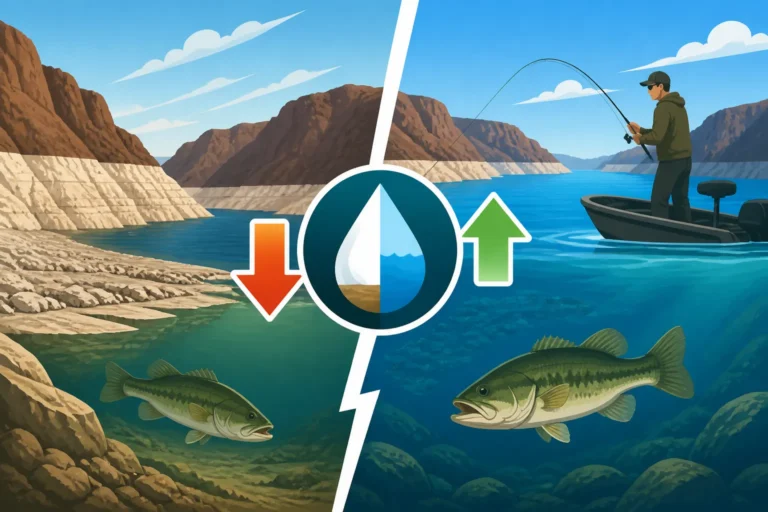
- Water Levels: While Lake Tahoe's water levels don't fluctuate as dramatically as some reservoirs, long-term trends can impact accessible structure and vegetation, which in turn affect baitfish and Mackinaw. Pay attention to any significant changes over the season or year to year, as these might change where you find productive fishing grounds.
- Baitfish Abundance: The health of Lake Tahoe's kokanee salmon population directly impacts the Mackinaw. If kokanee numbers are down, Mackinaw might be harder to find, or they might shift their diet and location in search of other forage. Keep an eye on fishery reports from the Nevada Department of Wildlife (NDOW) or local tackle shops. If kokanee are scarce, consider using lures that mimic other prey, like minnows or crayfish.
- Understanding the "Mood" of the Fish: Sometimes, even when you're on the fish, they just won't bite. This is when adaptation is key. If your usual lures aren't working, change size, color, or action. Try a different trolling speed. Switch from spoons to plugs, or from artificials to live bait. If trolling isn't working, try vertical jigging. Sometimes, a subtle change, like adding a scent or reducing your leader size, can make all the difference. Don't be afraid to experiment, and learn from every trip, even the slow ones. For more insights on the entire Nevada fishing landscape, consider reading our Nevada Fishing Seasons by Month article.
Conservation and Responsible Angling
Lake Tahoe is a national treasure, and its pristine waters and robust fish populations depend on responsible angling practices. Being a good steward of the lake is just as important as being a good angler.
Lake Tahoe Mackinaw Regulations and Limits
Before you even launch your boat, make sure you're up-to-date on all the current regulations for fishing Lake Tahoe. Regulations are in place to protect the fishery and ensure its health for future generations.
- Nevada Fishing License: First and foremost, you'll need a valid Nevada fishing license if you're fishing on the Nevada side of Lake Tahoe. The lake straddles both Nevada and California, and specific regulations apply depending on which side you are on. It's often easier to just have both state licenses if you plan to cover the entire lake, but always verify. Our Nevada Fishing License Guide can help clarify this.
- Daily and Possession Limits: Mackinaw trout have specific daily bag and possession limits. These can change, so always consult the most current Nevada Fishing Regulations booklet published by the Nevada Department of Wildlife (NDOW). Typically, there's a limit on the number of fish you can keep per day and a separate limit on how many you can possess at any one time (e.g., in your freezer at home).
- Size Restrictions: There might also be size slot limits or minimum/maximum size requirements for keeping Mackinaw. For example, some regulations might state you can only keep fish within a certain size range, or only one fish over a certain trophy size. It's crucial to understand these rules precisely. Often, these regulations are designed to protect the breeding stock or to manage the population. For the most current numbers, check the Daily limit for Mackinaw trout at Lake Tahoe and the Nevada Fishing Regulations Explained.
- Gear Restrictions: Be aware of any restrictions on tackle, bait, or methods. Some areas or species might have limitations on the number of hooks, use of barbed hooks, or specific types of bait. For instance, some areas might require artificial lures only or prohibit the use of live bait from outside the lake to prevent the introduction of invasive species.
Always carry a copy of the regulations with you, either physically or digitally on your phone, and make sure everyone on your boat understands them. Ignorance of the law is not an excuse.
Proper Handling and Release of Mackinaw
If you plan on practicing catch and release, or if you catch a fish that falls outside the legal size limits, knowing how to properly handle and release a Mackinaw is critical for its survival. These are deep-water fish, and they require special care.
- Minimizing Fight Time: The longer a fish fights, the more exhausted it becomes, and the less likely it is to survive. Use appropriate heavy tackle that allows you to land the fish as quickly as possible without over-stressing it.
- Handling with Care: If you need to handle the fish for a quick photo or to remove a hook, do so with wet hands. Dry hands can remove the fish's protective slime coat, making it vulnerable to disease. Avoid holding the fish by the gill plates or by the lower jaw if it's a large fish, as this can damage its internal organs or jaw. Support its body horizontally.
- De-hooking: Use long-nosed pliers or a de-hooking tool to remove hooks quickly and gently. If the fish is deeply hooked and removing the hook would cause significant damage, it's often better to cut the line as close to the hook as possible, as the hook will eventually rust out. Barbless hooks are highly recommended as they cause less damage and are easier to remove.
- Releasing Deep-Water Fish (Fizzing): This is perhaps the most crucial aspect for Mackinaw, which are often caught from great depths. When a fish is brought up quickly from deep water, the change in pressure can cause its swim bladder to over-inflate, making it unable to swim back down. This is called barotrauma. The fish will float on the surface, making it an easy meal for gulls or other predators.
- Fizzing (Venting): This involves carefully inserting a hypodermic needle (specifically designed for fish) into the swim bladder to release the excess gas. It requires knowledge of fish anatomy and sterile technique. If done improperly, it can kill the fish. If you are not experienced, it's best to observe and learn from someone who is, or simply avoid keeping fish caught from extreme depths that show signs of barotrauma.
- Recompression Devices: A safer alternative to fizzing for many anglers is a recompression device (also known as a "descending device" or "seaqualizer"). This is a weighted clip that attaches to the fish's jaw and rapidly lowers it back to the depth from which it was caught, allowing its swim bladder to recompress naturally. Once at depth, the device releases the fish. These are highly effective for increasing survival rates for deep-water species.
Being prepared with the right tools and knowing these techniques can significantly increase the survival rate of released Mackinaw, especially the smaller ones you might encounter while targeting trophies.
Protecting Lake Tahoe's Fragile Ecosystem
Beyond fishing regulations, responsible angling contributes to the overall health of Lake Tahoe. This means being mindful of your impact on this precious environment.
- Preventing Invasive Species: Lake Tahoe is constantly battling invasive species. Always clean, drain, and dry your boat, trailer, and all fishing gear before launching into Tahoe, and especially when moving between different bodies of water. This prevents the spread of things like quagga mussels, Eurasian watermilfoil, and other harmful organisms that can devastate the lake's ecosystem. Take advantage of mandatory boat inspection stations.
- Leave No Trace: Pack out everything you pack in. This includes fishing line, bait containers, food wrappers, and anything else you bring on the water. Litter degrades the environment and can harm wildlife.
- Respect Wildlife: Be mindful of other wildlife in and around the lake. Give nesting birds, bald eagles, and other animals their space. Avoid disturbing areas where they might be breeding or feeding.
- Support Conservation Efforts: Consider purchasing an Amazon-branded fishing product or supporting organizations dedicated to Lake Tahoe's preservation. Every little bit helps. Learn more about the local efforts to protect this incredible resource.
By following these guidelines, you not only increase your chances of a successful Mackinaw fishing trip but also help ensure that Lake Tahoe remains a vibrant and healthy fishery for generations to come.
Lake Tahoe Mackinaw Trout Fishing Quick Reference
Here’s a quick overview to help you plan your next Mackinaw adventure on Lake Tahoe. Remember, these are general guidelines, and conditions can vary.
| Category | Key Information |
|---|---|
| Target Depth | Spring/Fall: 50-150 ft; Summer: 150-400+ ft (often deeper than 200 ft); Winter: 150-300 ft. Always look for thermoclines and baitfish schools on your sonar. |
| Best Times | First light (dawn) and last light (dusk) are prime. Overcast days extend activity. Mid-day requires fishing deeper. |
| Primary Method | Trolling with downriggers. Also effective: vertical jigging and still fishing with bait, especially when fish are concentrated. |
| Trolling Speed | Typically 1.5 – 2.5 MPH. Experiment with speed and boat maneuvers (turns, S-curves) to trigger strikes. |
| Lures & Baits | Lures: Large trolling spoons (3-6 inches), plugs/stickbaits (e.g., Rapalas, J-Plugs). Attractors: Dodgers, flashers. Bait: Live/cut whitefish, kokanee, shiners (check regulations!). Tip jigs/spoons with bait for added scent. |
| Essential Gear | Medium-heavy to heavy action trolling rods, level-wind conventional reels with line counters, 30-50lb braid with 15-30lb fluorocarbon leader, downriggers (electric preferred), high-quality CHIRP sonar/fish finder with GPS, recompression device (for C&R). |
| Key Locations | Steep drop-offs, submerged humps/islands, rocky points, areas with suspended baitfish schools. Look for these structures on detailed lake maps. |
| Regulations | Valid Nevada Fishing License (and potentially California). Always check current daily bag limits, possession limits, and size restrictions with NDOW. Be aware of bait and tackle restrictions. |
| Conservation | Practice catch and release effectively (especially for deep-caught fish), prevent spread of invasive species (Clean, Drain, Dry), leave no trace, support Lake Tahoe preservation efforts. |
Disclaimer
Fishing in Lake Tahoe, especially for deep-water species like Mackinaw trout, can be challenging and carries inherent risks. Always prioritize safety on the water. Check local weather forecasts, ensure your boat and equipment are in good working order, and always wear a life jacket. This guide provides general information and recommendations; always consult the latest Nevada Department of Wildlife (NDOW) regulations for current rules and requirements before fishing. Fishing conditions and fish behavior can vary widely, and past success does not guarantee future results.