How to catch bass in shallow coves
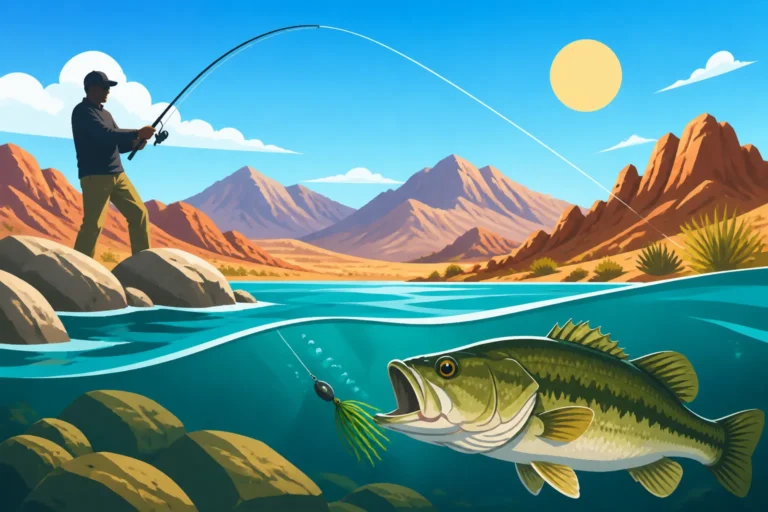
There's nothing quite like the thrill of chasing bass in Nevada's shallow coves. Many anglers, myself included, have stood on the bank or idled in a boat, looking at those inviting, sheltered waters only to wonder why the fish aren't biting. It can be frustrating when you know the bass should be there, but they seem to vanish as soon as you cast. This comprehensive guide will walk you through the nuances of identifying, approaching, and effectively catching bass in these often-misunderstood shallow havens across the Silver State.
Understanding Shallow Cove Dynamics in Nevada
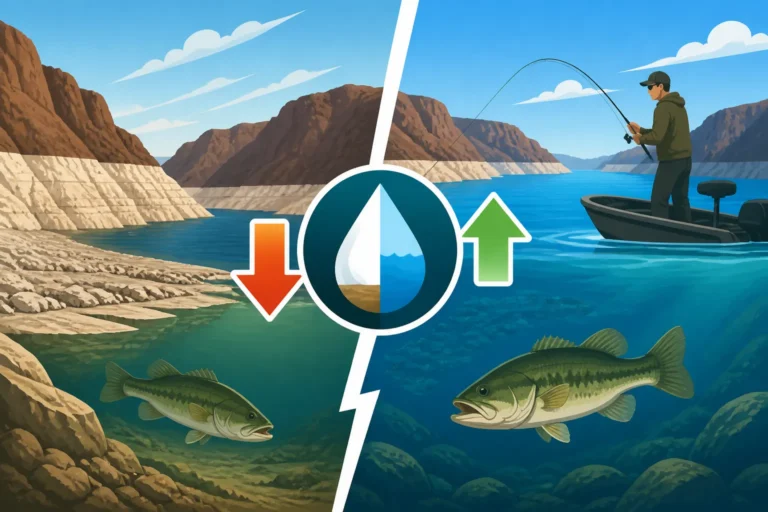
Nevada's desert lakes and reservoirs, while often vast and deep, are dotted with countless shallow coves that can be magnets for bass at various times of the year. These aren't just random pockets of water; they're vital ecosystems for bass, offering unique advantages that draw them in.
Why Bass Choose Shallow Coves
Bass, both largemouth and smallmouth, are highly opportunistic and seek out environments that offer the best combination of food, warmth, and security. Shallow coves often provide all three in spades. In the early spring, these shallower areas warm up faster than the main lake body, kickstarting the bass's metabolism and making them more active. This warmth is crucial as they prepare for and engage in their spawning rituals. Later in the year, especially during cooler evenings in late fall, these coves can retain heat longer, offering a comfortable retreat.
Beyond temperature, shallow coves are typically teeming with essential food sources. Baitfish like shad, bluegill, and various minnows will often congregate here, seeking refuge from larger predators in the main lake. Crawfish, a favorite delicacy for bass, are also abundant among the rocky bottoms and submerged vegetation commonly found in coves. Even insects and amphibians will fall into the water, providing an easy meal. Furthermore, these areas offer excellent shelter from predators, whether it's the keen eyes of an osprey from above or larger fish species that prefer deeper water. The cover—be it submerged brush, rock piles, docks, or even lily pads—gives bass an ambush point and a sense of security, which is paramount for their survival and successful breeding.
Reading the Water: Key Indicators
Successfully fishing shallow coves requires more than just casting a lure; it demands a keen eye for "reading the water." This means understanding what environmental factors are at play and how they influence bass behavior. Water clarity is one of the most significant indicators. In gin-clear Nevada waters like parts of Lake Tahoe or Lake Mohave, bass will be far more skittish and visible, requiring a stealthier approach and more natural presentations. Stained or slightly murky water, often found after a rain event or in certain areas of Lake Mead, can make bass bolder as their vision is reduced, allowing for more aggressive baits and colors.
Water temperature also dictates where bass will be and how active they are. A few degrees difference can be crucial. In spring, warmer pockets within a cove can concentrate fish, while in summer, cooler, deeper sections of a cove or shaded areas might hold the most active bass. Observing the presence and type of cover is non-negotiable. Are there submerged trees? Rock ledges? Weeds? Each type of cover attracts bass differently and requires specific lure presentations. Wind and current, though less pronounced in sheltered coves than on open water, still play a role. A gentle breeze pushing baitfish into a particular corner of a cove can create a feeding frenzy, while a strong current might push bass deeper into cover. Finally, the time of day and light penetration are critical. Early morning and late evening, or overcast days, generally offer the best shallow water bite as the lower light makes bass feel more secure moving out from cover.
Essential Gear for Shallow Cove Bass Fishing
When you're targeting bass in Nevada's shallow coves, having the right tools for the job can make all the difference. It's not just about having a rod and reel; it's about having the right rod and reel, and a selection of lures that perform optimally in these specific conditions.
Rods, Reels, and Line Selection
For shallow cove bass fishing, you're generally looking for a versatile setup that allows for accurate casting and the power to pull fish out of cover. A medium-heavy action spinning or casting rod, typically in the 6'6" to 7'2" range, is often ideal. This length provides good casting distance without being unwieldy in tighter spaces. The medium-heavy power gives you enough backbone to set hooks firmly and muscle a feisty largemouth or smallmouth away from snags, while the fast action tip allows for precise lure presentations. For those just starting out, a good place to begin researching is with a reliable "Best Rod and Reel Combo for Beginners". These combos are often balanced and forgiving, helping you get a feel for the setup before investing in more specialized gear.
Pair your rod with a matching reel. For spinning setups, a 2500-3000 size reel is versatile. For baitcasting setups, aim for a reel with a fast retrieve ratio (7.1:1 or higher) which helps you quickly pick up slack line and keep pace with fast-moving bass. Line selection is also paramount. Fluorocarbon line in 10-15 lb test is an excellent choice for its low visibility, sensitivity, and abrasion resistance, making it perfect for clear Nevada waters and when stealth is crucial. If you're fishing extremely heavy cover, like dense submerged brush or thick weeds, consider spooling up with 30-50 lb braided line. Braid offers incredible strength and no stretch, allowing you to cut through vegetation and pull fish out of the nastiest spots. You can always add a fluorocarbon leader to your braid for increased stealth if conditions demand it.
Lures and Baits Tailored for Shalllows
The shallow cove environment dictates your lure choices. You want baits that can be worked effectively in minimal depth, often around significant cover, and that accurately mimic the bass's natural forage.
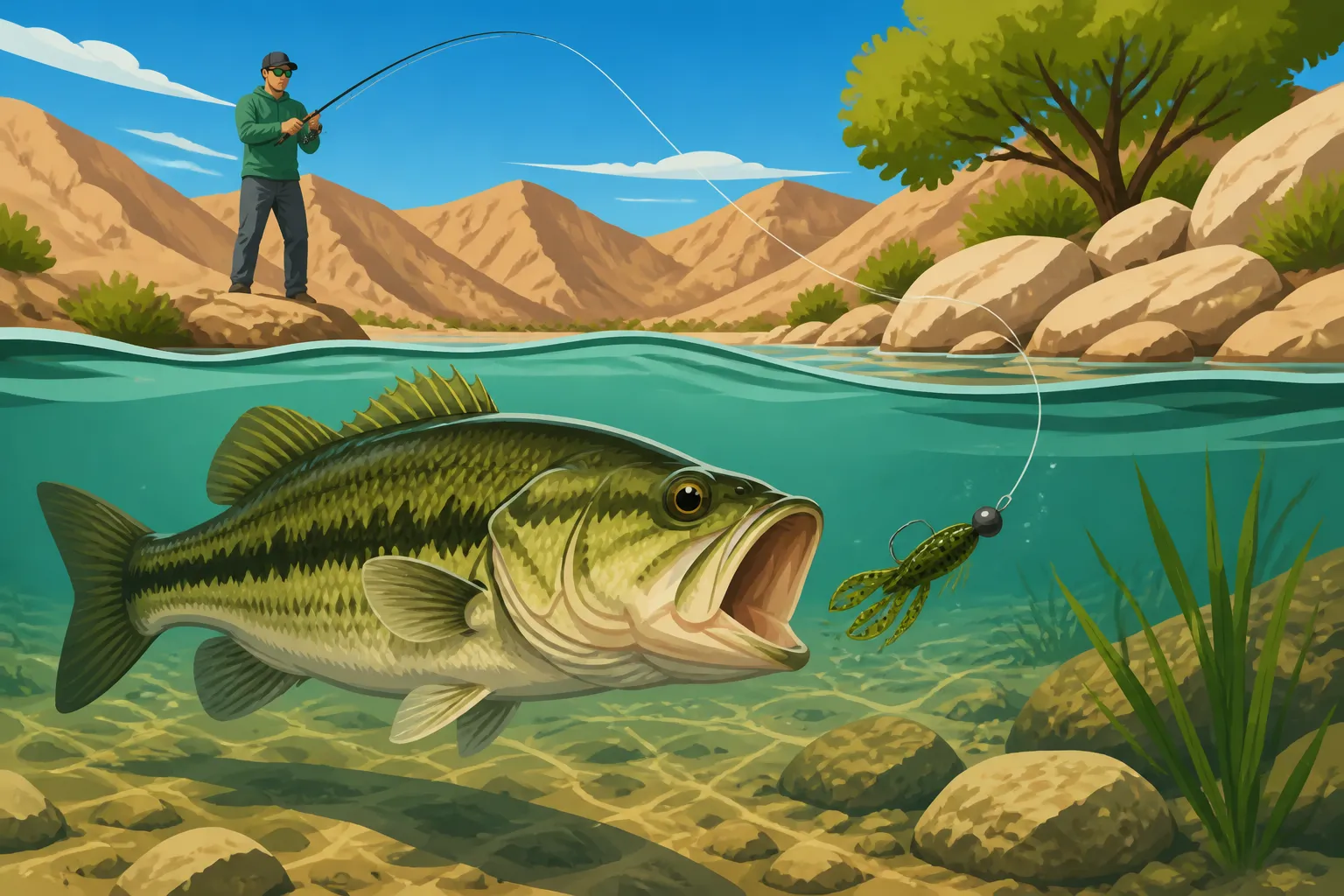
One of my absolute favorites for shallow coves, especially during low light or when fish are active, is a topwater bait. Walking baits like Heddon Super Spook or poppers like the Rebel Pop-R create irresistible commotion on the surface, drawing explosive strikes. Frogs, particularly weedless models like those from Livetarget, are indispensable for fishing over matted vegetation or lily pads, areas where bass love to hide.
Soft plastics are another cornerstone. Weightless rigged Senkos or Yamamoto D-Shads (wacky or Texas rigged) are incredibly versatile. They can be cast long distances, sink slowly with a tantalizing wobble, and can be worked through sparse cover with minimal snagging. Consider trying a Texas rig with a creature bait or a beaver-style bait for punching through denser cover. For a more comprehensive look at options, check out our guide on "Best Lures for Nevada Bass".
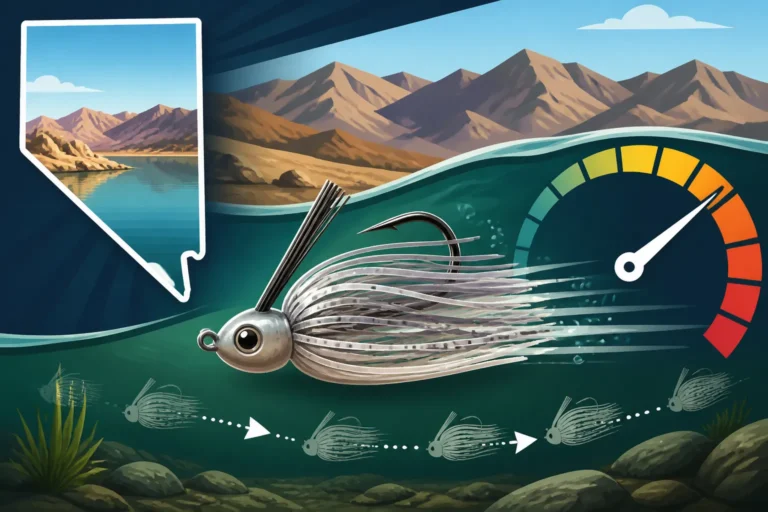
When bass are slightly more active or water has a bit of stain, spinnerbaits and chatterbaits shine. Their flash and vibration can draw fish from a distance, and they can be worked at various speeds through cover. Shallow-diving crankbaits that run 2-5 feet deep are also excellent for covering water quickly and deflecting off rocks and timber, often triggering reaction strikes. Brands like Rapala and Strike King offer a wide selection of effective shallow-running crankbaits perfect for these situations. You can find a vast array of these lures, from topwaters to soft plastics, conveniently on Amazon, often with helpful reviews from other anglers.
Effective Techniques for Approaching and Fishing Shallow Coves
You've got the gear, you understand the environment – now it's time to put it all into practice. How you approach a shallow cove and present your lure can mean the difference between a memorable day of bending rods and a frustrating goose egg.
Stealth and Presentation are Key
Bass in shallow water are often more wary than their deep-water counterparts. They're more exposed to predators and disturbances, which makes stealth absolutely critical. If you're in a boat, use your trolling motor sparingly and at low speeds. Better yet, if you have a kayak or paddle board, use paddles to move quietly. If you're bank fishing, approach the water's edge slowly and keep a low profile. Avoid loud noises, sudden movements, or banging gear around. Think of yourself as a predator hunting its prey – you don't want to alert them to your presence.
Once you're in position, make long casts. This keeps your boat or your shadow farther away from where the fish are likely holding, minimizing the chance of spooking them. Accuracy is paramount here. You'll want to target specific pieces of cover – the edge of a rock pile, under an overhanging tree, along a weed line, or next to a submerged stump. The closer you can get your lure to that cover without snagging, the better your chances. After your lure hits the water, resist the urge to immediately retrieve it quickly. Work your baits slowly and deliberately. Bass in shallow coves are often ambush predators, waiting for an easy meal to swim by. A slow, methodical presentation allows them more time to notice your lure and commit to a strike.
Strategic Casting and Retrieval Patterns
To maximize your chances, don't just cast in one direction. Employ fan casting, starting with casts parallel to the bank, then progressively moving further out until you've covered the entire area in front of you. This ensures you're hitting all potential holding spots.
One highly effective technique for shallow coves with overhead cover like docks, low-hanging branches, or bridge pilings is skipping baits. This involves casting a lightweight lure, like a weightless Senko, with a low trajectory, allowing it to "skip" across the water's surface like a flat stone. This gets your lure into hard-to-reach, shaded areas where bass love to hide, and it's a skill that pays off immensely. If you're looking to refine your casting, understanding "Casting Techniques for Beginners" can significantly improve your accuracy and efficiency in these situations.
For jigs and soft plastics, a "yo-yo" retrieve can be deadly. Cast it out, let it sink to the bottom, then lift your rod tip sharply to make it hop off the bottom, letting it fall again on a semi-slack line. Most strikes often occur on the fall. For topwater lures, vary your retrieve. Sometimes a steady "walk-the-dog" retrieve works, other times, long pauses followed by a quick twitch or two can entice a strike from a hesitant bass. Experiment with retrieve speeds and patterns until you find what the fish are reacting to.
Adapting to Seasonal Changes
Nevada's diverse climate means bass behavior in shallow coves changes with the seasons, making "Nevada Fishing Seasons by Month" a valuable reference. In spring, as water temperatures rise, bass move into shallow coves to spawn. Look for them on beds near protective cover. Slow presentations with soft plastics like tube baits or Senkos are effective for tempting them.
During the scorching Nevada summer, bass will often retreat from the main body of the coves during the day, seeking deeper edges, shaded areas, or moving into the main lake. However, early morning, late evening, and even night fishing can be incredibly productive in these shallow areas. While specific to stripers, many of the principles discussed in our guide on "Night Fishing Techniques for Striped Bass" can be adapted for bass, focusing on dark-colored baits that create a strong silhouette against the moonlit surface.
As fall approaches and water temperatures begin to drop, bass become highly active feeders, gorging themselves in preparation for winter. This is a fantastic time for aggressive presentations with crankbaits, spinnerbaits, and even topwater baits, as they chase migrating baitfish into the coves. In winter, true shallow cove fishing can be challenging, but on warmer, sunny days, bass might move into the shallowest, sun-drenched pockets of a cove to soak up the heat. During these times, slow, bottom-hugging presentations with jigs or small finesse baits are your best bet.
Overcoming Common Shallow Cove Challenges
Fishing shallow coves isn't always smooth sailing. You'll inevitably encounter situations that test your patience and skill. Knowing how to anticipate and address these common challenges will significantly improve your success rate.
Dealing with Heavy Cover and Snags
One of the biggest draws of shallow coves for bass is also one of the biggest headaches for anglers: heavy cover. Submerged timber, thick weed beds, and rocky bottoms are prime bass habitat, but they're also notorious for snagging lures. The key to mitigating this frustration is choosing the right rig. Texas-rigging soft plastics, where the hook point is embedded into the bait, makes them incredibly weedless and snag-resistant. Wacky rigs, though not entirely snag-proof, can also be fished carefully around lighter cover.
When fishing dense vegetation, consider using braided line. Its incredible strength and minimal stretch allow you to rip lures free from weeds or even pull bass directly through them with less fear of breaking off. If you do get snagged, try a few different maneuvers: twitch your rod tip, give the line a sharp pluck, or even try to reach the lure with a long pole if safely possible. Sometimes, letting slack in the line and then pulling taut can dislodge it. Always check your hook points after fishing heavy cover; a dull or bent hook will lose you fish.
Managing Spooked Fish and Pressure
Shallow water bass, as we discussed, are naturally more skittish. If you approach a cove noisily or make a bad cast, you can easily spook every fish in the area. Once spooked, they'll either retreat to deeper water, bury themselves in cover, or simply shut down. If you suspect you've spooked fish, or if a cove looks heavily pressured by other anglers, it's time to adjust your strategy.
First, try downsizing your baits and using more natural, subtle colors. A smaller, more unassuming presentation might tempt a wary bass that wouldn't touch a flashy crankbait. Using lighter line, like a 6-8 lb fluorocarbon, can also make a difference in clear, pressured waters. Fishing during low-light conditions—dawn, dusk, or even into the night—can give you a distinct advantage, as bass feel more secure and active when light levels are low. If a particular cove seems completely shut down, don't be afraid to move on. There are plenty of other coves and spots to explore in Nevada's lakes. Sometimes, a fresh approach to a new area is all it takes to find biting fish.
Weather and Water Condition Adjustments
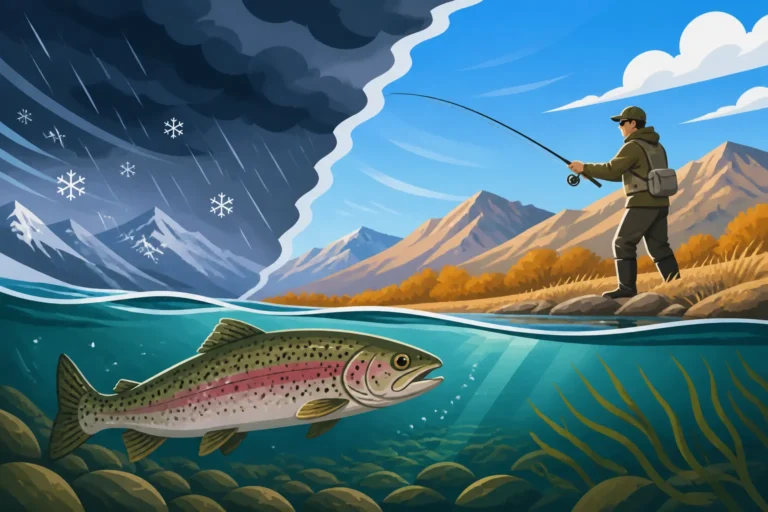
Nevada's weather can be unpredictable, and understanding how different conditions affect shallow cove bass fishing is crucial. Wind, for example, can be your friend or foe. A light breeze can be beneficial, creating a "chop" on the water that breaks up the surface, making bass feel more comfortable and masking your presence. It can also push baitfish into certain areas, concentrating them for bass. Position your boat or cast with the wind to maximize your casting distance and present your lure naturally. However, too much wind can make casting difficult and make boat control a nightmare.
Rain can often be a blessing for bass anglers. A steady, light rain can darken the water, increase oxygen levels, and wash insects and nutrients into the coves, stimulating bass activity. Just be sure to dress appropriately and prioritize safety. Water clarity, as mentioned before, also dictates your approach. In extremely clear water, extreme stealth, long casts, natural colors, and slow retrieves are paramount. In stained or muddy water, bolder colors (chartreuse, black, blue), noisier lures (spinnerbaits, chatterbaits), and more aggressive presentations can be highly effective. For summer's scorching temperatures, you'll need to know the "Best Time of Day to Fish in Summer Heat" to avoid the hottest parts of the day when bass often seek deeper, cooler water.
Top Nevada Spots for Shallow Cove Bass Action
Nevada might be known for its deserts, but it's also home to some incredible bass fishing, particularly in its vast reservoirs and smaller lakes. Knowing where to look for those productive shallow coves is half the battle.
Lake Mead's Hidden Gems
Lake Mead, straddling the Nevada-Arizona border, is a prime destination for both largemouth and smallmouth bass. While it's a massive lake, its intricate shoreline is riddled with countless coves, especially in its lower basin. Areas like Government Wash, Hemenway Bay, and the coves around Callville Bay are well-known hotspots. Look for submerged brush, rock outcroppings, and subtle changes in depth. During the spring spawn, many of these "Lake Mead Largemouth Bass Coves" become bass nurseries.
One of the keys to success on Lake Mead is exploring beyond the obvious. Many smaller, unnamed coves, especially those with some protective cover from the prevailing winds, can hold fantastic numbers of bass. These often require a careful approach with a boat or kayak to access, but the reward can be well worth the effort. Focus on areas where you see baitfish flickering on the surface or where structure transitions from sandy flats to rocky points. Don't forget that Lake Mead also holds excellent smallmouth bass, which often prefer rocky areas and steeper breaks within or just outside the coves. If you want to dig deeper into their habits, exploring the "Smallmouth Bass Habitat at Lake Mead" can give you a significant edge.
Lake Mohave's Productive Waters
Just downstream from Lake Mead, Lake Mohave offers equally compelling shallow cove bass fishing, often with even clearer water. The coves around Cottonwood Cove, Willow Beach, and Katherine Landing are perennial favorites. Smallmouth bass thrive in Lake Mohave's rocky, clear waters, and you'll often find them lurking in the shallower sections of coves, especially those with steep rock walls and boulders. Largemouth bass will favor areas with more vegetation or submerged trees.
The crystal-clear water of Lake Mohave demands an even stealthier approach. Long casts with fluorocarbon line and natural-colored baits are essential. Work your lures slowly, paying close attention to any subtle taps or changes in line tension. Early mornings and late evenings are particularly effective here, as the bass are less wary under low light. Exploring the coves by kayak or paddleboard can be incredibly rewarding, allowing you to quietly sneak into prime fishing spots that larger boats might overlook.
Other Notable Nevada Lakes
While Lake Mead and Lake Mohave are kings for bass, don't overlook other Nevada waters that offer excellent shallow cove opportunities. Rye Patch Reservoir in Pershing County is known for its diverse fishery, including good numbers of largemouth bass. Its irregular shoreline creates numerous coves and cuts, especially upriver, that can be very productive. Our guide on "Rye Patch Reservoir Fishing" can provide more specifics on this often-underrated fishery.
Even Nevada's urban ponds, like those detailed in our "Las Vegas Nevada Urban Pond Fishing Guide", can offer fantastic shallow cove fishing experiences, particularly for beginners or those looking for a quick local trip. While smaller, these ponds often have coves or recessed areas with plenty of bank cover, making them ideal for practicing shallow water techniques and catching stocked bass or other species. Many of these ponds are regularly stocked by the Nevada Department of Wildlife (NDOW), offering consistent action.
| Lure Type | Best Use Case | Ideal Depth | Retrieval Speed | Bass Type (Primary) |
|---|---|---|---|---|
| Topwater Frog | Heavy matted vegetation, lily pads, thick cover | Surface | Slow, twitchy | Largemouth |
| Weightless Senko | Versatile, sparse to moderate cover, spooky fish | Sub-surface, slow sink | Slow, twitch, pause | Largemouth, Smallmouth |
| Shallow Crankbait | Covering water, deflecting off rocks/timber | 2-5 feet | Moderate to fast | Largemouth, Smallmouth |
| Texas-Rig Creature | Punching heavy brush, submerged timber, weeds | Bottom | Slow drag, hop | Largemouth |
| Spinnerbait | Stained water, windy conditions, covering water | 1-6 feet | Moderate | Largemouth, Smallmouth |
| Small Jig/Finesse | Clear water, pressured fish, colder temps | Bottom | Slow hop, subtle twitch | Smallmouth, Largemouth |
These are just a few examples, and local conditions will always dictate the best approach. The most successful anglers are those who are willing to experiment and adapt.
Disclaimer
Fishing conditions and regulations in Nevada can change. Always consult the latest Nevada Department of Wildlife (NDOW) fishing regulations booklet before heading out. This guide is for informational purposes only and does not supersede official regulations.