How to fish for striped bass from shore
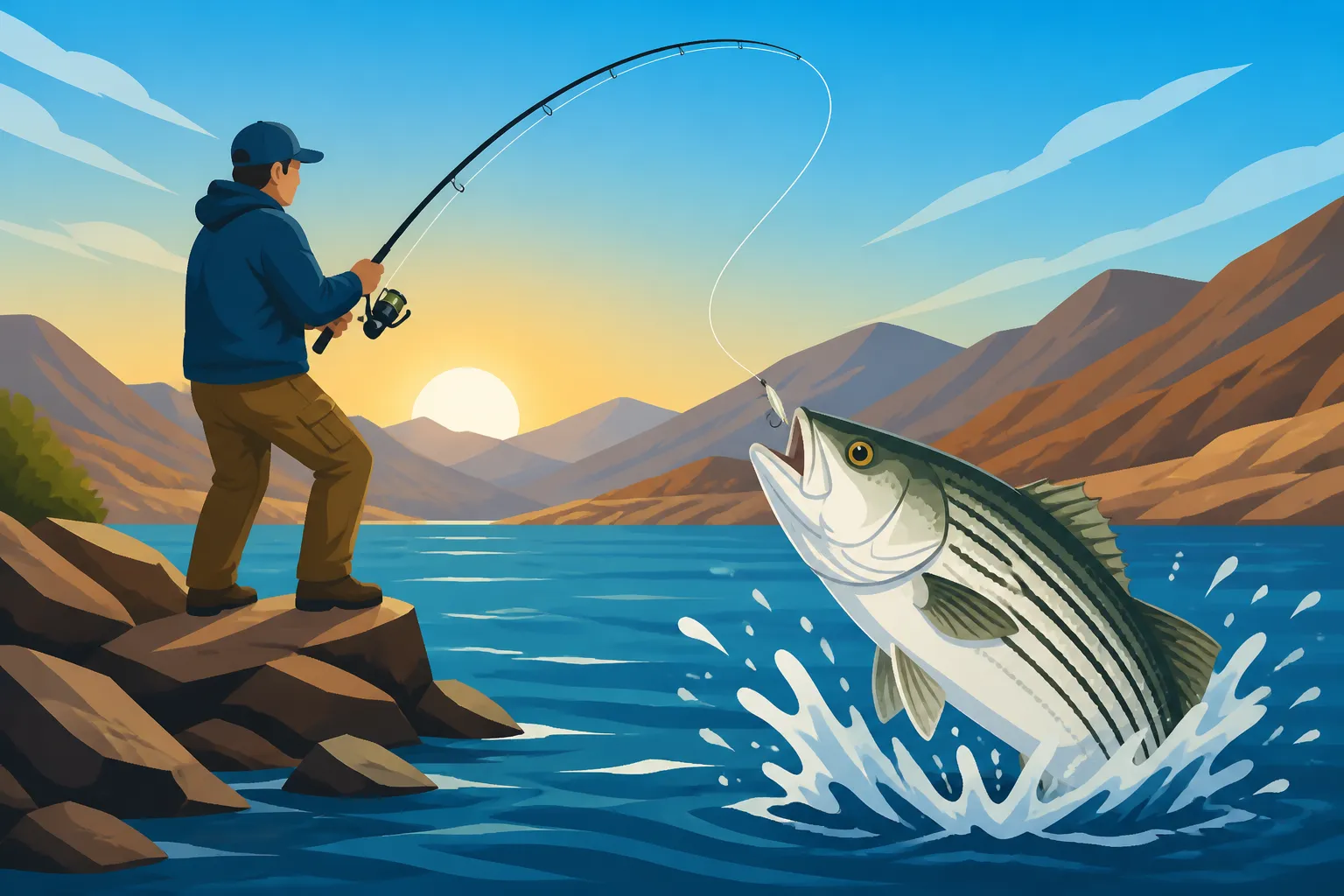
There’s nothing quite like the thrill of feeling that powerful tug on your line, the unmistakable sign of a striped bass on the other end, especially when you’re standing on solid ground. Many anglers feel intimidated by the idea of targeting these formidable fish from shore in Nevada's vast reservoirs, often assuming a boat is essential. But I’m here to tell you that with the right knowledge, gear, and techniques, you can absolutely have incredible success catching stripers right from the bank. This guide will walk you through everything you need to know to transform your shore fishing experience into a striper-catching adventure.
Understanding Nevada's Shoreline Striped Bass
It’s easy to get discouraged when you see boats out on the big water, seemingly landing fish left and right, while you’re stuck on shore, wondering if the stripers ever come close enough. The truth is, they absolutely do! Striped bass are opportunistic predators, constantly on the hunt for baitfish, and often push their prey right up against the shore, especially during certain times of the day or year. Learning their habits from a land-based perspective is key to turning those frustrations into triumphs.
The Allure and Challenge of Shoreline Stripers
Catching a striped bass from shore is incredibly rewarding because it often feels like you've outsmarted the odds. These fish are powerful, putting up a fantastic fight that will test your tackle and your stamina. You don’t have the luxury of chasing schools or drifting over deep channels like boat anglers do. Instead, you're relying on your ability to read the water, understand fish behavior, and present your bait or lure in just the right way to intercept a patrolling striper. The challenge comes from reaching distant fish, navigating tricky shorelines, and adapting to ever-changing conditions. But when that rod bends hard and the drag screams, knowing you hooked that fish from your chosen spot on the bank makes the victory all the sweeter. It’s a primal satisfaction that keeps many of us coming back for more.
Where to Find Stripers from the Bank in Nevada
In Nevada, the prime locations for striped bass are undoubtedly Lake Mead and Lake Mohave. These massive desert reservoirs hold thriving populations of stripers, and with their extensive shorelines, offer countless opportunities for land-based anglers. When looking for shore access, focus on areas with some kind of structure that baitfish would use for cover or feeding, which in turn attracts the stripers.
Think about prominent points, steep drop-offs close to shore, submerged rock piles, or areas where tributaries might flow in (even if they’re dry washes most of the year, they can create structure underwater). Popular spots on Lake Mead include areas around Hemenway Harbor, Government Wash, and along the Boulder Basin shoreline where depth changes quickly. For those exploring Lake Mohave, look at sections near Cottonwood Cove or Willow Beach where the riverine environment meets the broader lake, creating current breaks and eddies that stripers love. These areas provide current, cover, and forage, creating ideal ambush points for hungry stripers. Always remember that for any fishing in Nevada, you'll need to have your current Nevada Fishing License Guide in hand, as regulations are strictly enforced.
Assembling Your Essential Shore Fishing Arsenal
One of the biggest hurdles for shore anglers is simply getting their bait or lure out to where the fish are. Unlike boaters, you don’t have a motor to take you directly over a school. This means your gear selection, especially your rod and reel, becomes incredibly important. You need tackle that can handle long casts and strong fish, while still being manageable for hiking along the bank.
Rods, Reels, and Line: Powering Your Casts
For shore fishing striped bass in Nevada, you’ll want a rod that balances casting distance with fighting power. A medium-heavy to heavy action spinning rod, typically 7 to 9 feet long, is an excellent choice. This length provides the leverage needed for long casts with heavier baits or lures and has enough backbone to handle a powerful striper. A good quality spinning reel in the 4000 to 6000 size range is a solid pairing, offering plenty of line capacity and a smooth, reliable drag system. Many anglers find great deals on reliable combos and individual pieces of gear on Amazon.
When it comes to line, a strong braided line, perhaps 30-50 lb test, is often preferred for its incredible strength-to-diameter ratio and lack of stretch, which enhances sensitivity and casting distance. You’ll want to tie on a 20-30 lb fluorocarbon or monofilament leader of about 3-6 feet. The leader provides a bit of stretch, which can be crucial when a big striper makes a sudden run, and its lower visibility can be an advantage in the clear waters of Lake Mead and Lake Mohave. For more on what line to choose, check out our guide on Best Line for Desert Reservoir Fishing.
Tackle Box Essentials: Baits, Lures, and Rigs
Your tackle box for shore stripers needs to be versatile, ready for different conditions and fish moods. Fresh or frozen bait is often the most effective for stripers from shore.
- Cut Bait: Anchovies, sardines, or mackerel cut into chunks are highly effective. Stripers are drawn to the scent trail these baits create. Make sure your bait is as fresh as possible.
- Whole Baits: Large anchovies or shad can also be used whole, especially when threaded onto a hook for a more natural presentation.
- Lures: While bait is king, don’t discount lures. Heavy casting spoons (like Kastmasters or similar spoons in chrome or blue/silver patterns) can be cast a mile and mimic dying baitfish. Swimbaits, especially those with a paddle tail, retrieved steadily can also be very effective, particularly if you see active schools. You can find many of these specific lures and baits on Amazon. For a deeper dive into lures, consider our article on Best Lures for Striped Bass.
- Terminal Tackle: You’ll need a selection of strong, sharp hooks (size 2/0 to 5/0 circle hooks are excellent for preventing gut hooks), egg sinkers (1/2 oz to 2 oz, depending on current and casting distance), barrel swivels (to prevent line twist), and sturdy snaps if you're frequently changing lures.
Mastering Shoreline Techniques for Striped Bass
Once you have your gear ready, it’s time to talk strategy. Shore fishing for stripers isn't just about casting out and waiting; it's about thoughtful presentation and understanding how stripers feed in near-shore environments.
Rigging Your Bait for Maximum Attraction
The most common and effective rig for shore fishing stripers with bait is a variation of the Carolina rig or a sliding sinker rig.
- Sliding Sinker Rig: This is incredibly simple and effective. Thread your egg sinker onto your main line, followed by a bead (to protect your knot). Then tie on a barrel swivel. To the other end of the swivel, tie a 1-3 foot fluorocarbon leader, and at the end of the leader, your hook. This rig allows the fish to pick up the bait and run without feeling the weight of the sinker, leading to more solid hookups.
- High-Low Rig: If you’re fishing in an area with a rocky bottom and want to keep your bait slightly off the bottom, a high-low rig with two hooks spaced out above a heavier sinker can work. However, the sliding sinker rig usually offers a more natural presentation.
When using cut bait, remember to hook it securely but leave enough of the hook point exposed for a good hookset. For whole anchovies, threading the hook through the mouth and out near the dorsal fin, or through the eye sockets, can help keep it on during a cast.
Casting, Retrieving, and Detecting Bites
Long casts are your friend when shore fishing for stripers. Practice your casting technique to maximize distance and accuracy. Once your bait is out there, let it settle. Stripers will often pick up bait on the bottom. If you're using lures, a steady retrieve is often all it takes for spoons or swimbaits. Vary your retrieve speed and add occasional pauses to mimic injured baitfish.
Detecting a striper bite can vary. Sometimes it’s a subtle tap-tap, other times it's a rod-bending yank that leaves no doubt. With bait, it’s best to let the fish take the bait for a few seconds before setting the hook, especially with circle hooks, which are designed to set themselves as the fish swims away. If you feel a distinct pull or run, gently lift the rod to feel the weight of the fish, and then set the hook firmly. Don't be too aggressive, especially with circle hooks, as a hard yank can pull it right out of the fish's mouth. Patience is key!
Timing is Everything: When to Hit the Shore
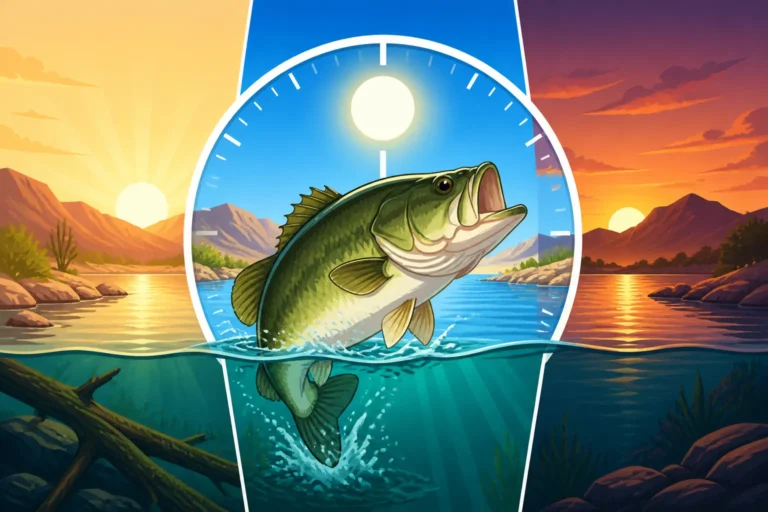
Striped bass are often most active during low-light conditions. Early morning just after sunrise, late afternoon, and into the evening are prime times. The lower light often brings baitfish closer to shore, and stripers follow. Overcast days can also extend their feeding windows.
Seasonally, spring and fall are excellent. In spring, stripers become more active as water temperatures rise, often moving into shallower areas. Fall sees them aggressively feeding to prepare for winter, creating exciting "boils" or surface activity as they chase bait. Hot summer days can be tougher, but you can still find success by focusing on night fishing. To learn more about fishing in the dark, consider reading our article on Night Fishing Techniques for Striped Bass. You can also get a broader understanding of the yearly patterns by checking out our guide on Nevada Striped Bass Seasonal Patterns, which details how these fish move throughout the year.
Table: Popular Bait & Lure Options for Shoreline Stripers
| Bait/Lure Type | Description | Pros | Cons | Ideal Conditions |
|---|---|---|---|---|
| Fresh Cut Anchovy | Small, oily baitfish, cut into chunks | Strong scent trail, highly attractive, readily available | Can be messy, softer texture might fly off during long casts | Any time, especially low light or murky water |
| Whole Shad/Sardine | Larger baitfish, used whole or slightly cut | More substantial meal, good profile, strong scent | Requires larger hooks, harder to cast long distances without tearing | Targeting larger stripers, less active fish |
| Casting Spoons | Heavy metal lures, often chrome or shiny | Excellent casting distance, durable, mimics injured baitfish | Less natural scent, can be snagged in rocky areas | Active fish, clear water, windy conditions |
| Paddle Tail Swimbaits | Soft plastic lures with a thumping tail | Versatile, can be retrieved at various depths, realistic profile | Lighter, harder to cast long, can be torn by fish or snags | Moderate to clear water, active fish, searching |
| PowerBait/Corn | (Not recommended for Stripers) | N/A – primarily for trout | Ineffective for predatory striped bass | N/A |
Advanced Tips and Safety for Nevada's Shoreline Anglers
Having the right gear and knowing the basic techniques is a fantastic start, but a few extra tips can truly elevate your success rate and ensure a safe, enjoyable trip to the reservoir.
Scouting Productive Water and Reading the Conditions
Don't just pick a spot and stick to it all day if you're not getting bites. Stripers are mobile, and if the baitfish aren't there, they won't be either. Spend some time observing the water before you even cast. Look for signs of baitfish jumping, birds diving, or even surface boils indicating active stripers. Use binoculars to scan distant points or coves.
Pay attention to wind direction and how it affects the water. A consistent wind pushing water into a cove or against a point can concentrate baitfish and, consequently, stripers. Similarly, understanding the subtle currents in these large reservoirs can help you predict where fish might be holding. Check water temperature if you can; stripers tend to be more active in certain temperature ranges, often moving shallower as the water warms in spring and deeper as it cools in winter. Always be aware of the Nevada Statewide Bag Limits Explained for striped bass and other species you might encounter, as these limits help maintain healthy fish populations.
Handling Your Catch and Staying Safe
Once you’ve hooked a striper, landing it from shore requires a bit of finesse, especially if it’s a big one. Use a long-handled net if possible, or be prepared to carefully beach the fish in a sandy area. Stripers have sharp gill plates, so handle them with care to avoid injury. If you plan to release the fish, do so quickly and gently. Use wet hands to minimize removing their protective slime coat, and revive them facing into the current until they swim away strongly.
Safety is paramount, especially in the desert environment. Lake Mead and Lake Mohave can get incredibly hot, particularly in summer. Always bring plenty of water, wear sun protection (hat, sunglasses, long sleeves), and inform someone of your fishing plans. The terrain can be rocky and uneven, so wear sturdy shoes. If you're fishing at night, a headlamp is essential for rigging up and safely navigating the shoreline. And remember, a good Best Cooler for Keeping Fish on Hot Days is crucial if you plan to keep your catch, ensuring it stays fresh in the Nevada heat. While you might not need a full boat safety kit for shore fishing, it’s always wise to be prepared for the unexpected, and some of the advice in our Essential Safety Gear for Boating on Lake Mead can apply to general shoreline safety as well.
Disclaimer
The information provided in this guide is for general informational purposes only. Fishing regulations, conditions, and fish behavior can change. Always consult the official Nevada Department of Wildlife (NDOW) regulations before heading out and prioritize safety on the water.