Best trolling depth for lake trout in summer
Trying to dial in on lake trout, or "Mackinaw" as we often call them, during the heat of summer can feel like chasing a ghost in the vast, deep waters of Nevada's lakes. When the sun is high and surface temperatures soar, these magnificent fish retreat to the cool, dark depths, making them incredibly elusive if you don't know where to look. This guide is here to cut through the guesswork, helping you understand exactly where these deep-water giants hide and how to target them effectively with the right trolling strategies during the summer months.
Understanding Lake Trout Behavior in Summer
When summer rolls around in Nevada, our beautiful lakes might look inviting and warm on the surface, but beneath that shimmering exterior, a whole different world is taking shape, one that dictates where the Mackinaw will be. These big trout are creatures of comfort, and their comfort zone is intimately tied to water temperature and oxygen levels.
The Thermocline and Oxygen Levels
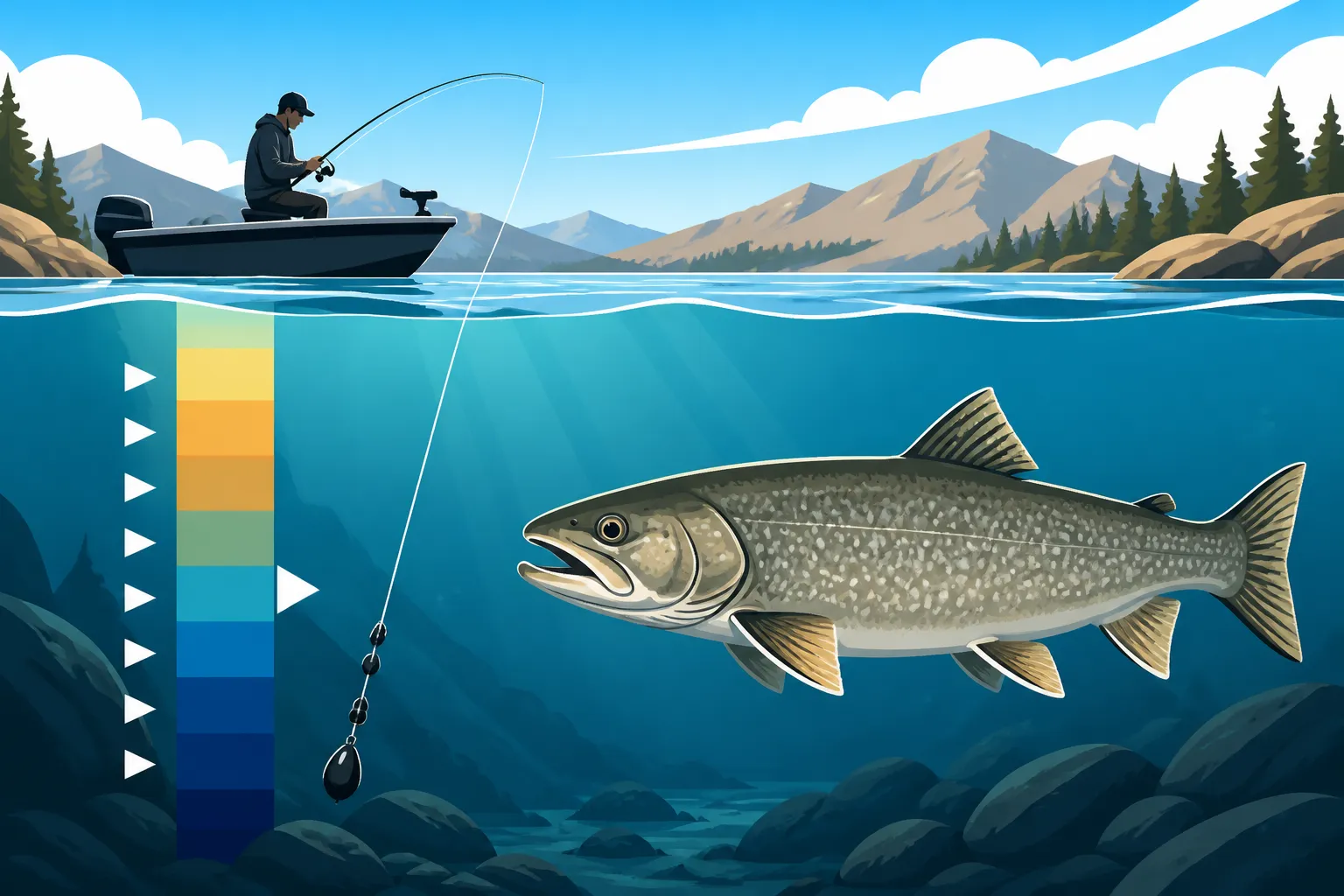
Let's talk about the thermocline. If you're not familiar with it, imagine the lake water stratifying into distinct layers, much like a layered cake. The top layer, the epilimnion, is warm and often well-oxygenated due to surface interaction and wind. Below that, there's a transition zone called the thermocline – a band where the water temperature drops rapidly with increasing depth. And then beneath the thermocline is the hypolimnion, the deep, cold layer.
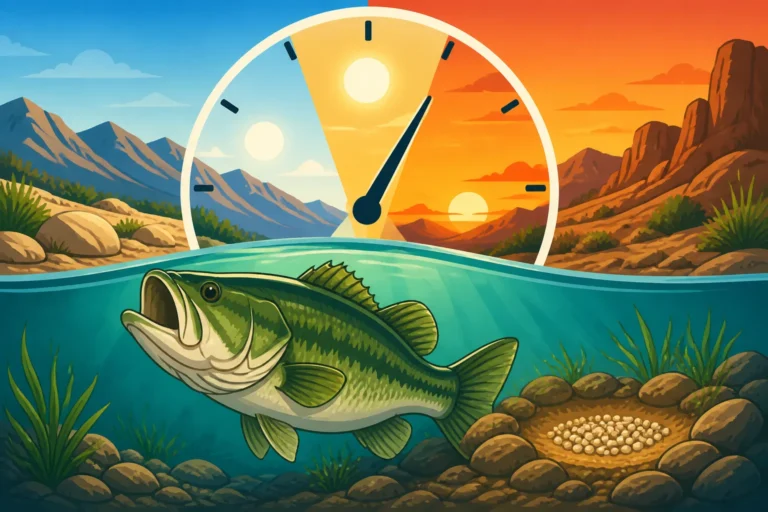
For lake trout, the thermocline is the golden ticket in summer. They are cold-water fish, generally preferring temperatures between 40 and 55 degrees Fahrenheit. As the surface water heats up, they're pushed deeper and deeper until they find that ideal temperature range. However, it's not just about temperature. Deeper water can sometimes become oxygen-depleted, especially in certain lake systems. So, while they need that cold water, they also need enough dissolved oxygen to survive and thrive. This often means they'll hug the upper or middle parts of the hypolimnion, or sometimes the very bottom of the thermocline, where the balance of cool temps and sufficient oxygen is just right. Finding this specific layer on your fish finder is key to unlocking their summer hideouts.
Forage Fish Movement
Another critical piece of the puzzle for understanding summer Mackinaw is knowing where their dinner plate is. Lake trout are apex predators in their environment, and their movements are heavily influenced by the availability and location of their primary food sources. In lakes like Tahoe, their diet often consists of various baitfish, including smaller kokanee salmon, minnows, and even smaller trout.
As the lake stratification intensifies in summer, these baitfish also react to the changing water conditions. Kokanee salmon, for instance, are also cool-water fish and will often seek out similar temperature bands as the Mackinaw, albeit sometimes slightly shallower. When these baitfish move deeper to find their preferred temperatures and food sources (like plankton), the Mackinaw are right on their tails. So, when you're scanning with your sonar, don't just look for big arches; look for dense schools of baitfish. Where the baitfish are, the predators are rarely far behind. If you can locate these schools, particularly those suspended off the bottom at specific depths, you've likely found the depth where the Mackinaw are actively feeding. This connection between predator and prey is fundamental to effective summer trolling.
Identifying Prime Trolling Depths for Summer Mackinaw
So, now that we understand the "why" behind their movements, let's get into the "where" – the actual depths you should be targeting when you're out on the water. This isn't always an exact science, as lake conditions can vary, but there are definitely prime zones to focus on.
The Sweet Spot: Post-Spawn to Mid-Summer
After the lake trout are done with their spring spawn (if applicable for specific populations), and as the Nevada summer sun really starts to bake the surface water, these fish will begin their descent. Generally, from late spring through mid-summer, Mackinaw will move into depths ranging from 80 feet down to 300 feet, and sometimes even deeper. Now, that's a pretty wide range, right? The "sweet spot" within that range will depend heavily on the individual lake, its depth, and the specific temperature profile for that year.
In many of Nevada's deeper, colder lakes, like the majestic Lake Tahoe, the Mackinaw often hold anywhere from 100 to 250 feet, but it's not uncommon to find them as deep as 300 feet or more, especially during the hottest parts of July and August. They're looking for that specific 40-55°F band. What this means for you, the angler, is that you need to be prepared to fish deep, really deep. Don't be afraid to experiment. Start by exploring the upper end of that deeper range, say 100-150 feet, and then progressively work your way down until you start marking fish or getting bites. The fish will tell you where they're at.
Using Sonar and Temperature Gauges
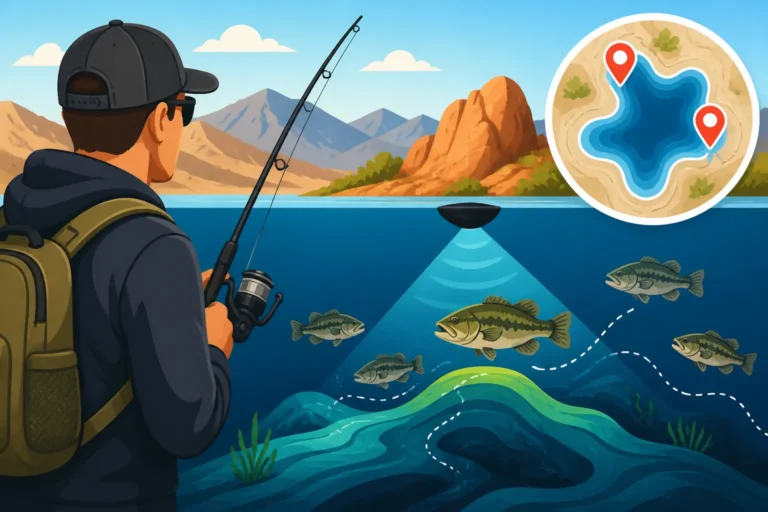
Trying to find these precise depths without modern electronics would be like navigating the desert without a map – nearly impossible. A quality fish finder (sonar) is your absolute best friend when targeting deep-water Mackinaw. Your sonar will allow you to see the thermocline as a distinct line on your screen where the density of the water changes. More importantly, it will show you arches and blobs that indicate fish and baitfish schools. You're looking for those tell-tale "arches" that signify large fish, usually suspended or hugging structure at specific depths. If you see multiple arches or dense baitfish schools at 150 feet, that's where you need your lures.
Even better, many modern fish finders come with water temperature sensors, or you can get standalone temperature gauges that attach to your downrigger weights. This is invaluable! Knowing the exact temperature at the depth your lure is running allows you to quickly dial in on that preferred 40-55°F zone. If your fish finder shows you marks at 200 feet, and your temperature gauge confirms it's 45°F down there, you're right in the money. Without these tools, you'd truly be guessing, wasting valuable time and fuel. If you're looking to upgrade your setup, many reputable brands offer excellent options; a quick search on Amazon can show you some great choices for your boat.
Trolling Techniques and Gear for Deep Water
Once you've pinpointed those prime depths, the next challenge is getting your lures down there effectively and presenting them in a way that entices a strike. Deep-water trolling requires specialized gear and techniques that are a bit different from your everyday bass fishing.
Essential Deep Trolling Gear
To consistently reach those 100-300 foot depths, you absolutely need downriggers. These are specialized winches that allow you to deploy a heavy cannonball weight, with your fishing line clipped to it, taking your lure directly to a precise depth. Once you reach your desired depth, a slight tug releases your line from the clip, and you're fighting the fish directly, without the drag of the heavy weight. Brands like Scotty and Cannon are very popular and reliable choices that you can often find readily available.
Your rod and reel setup should be stout enough to handle large fish from deep water. Think longer, medium-heavy to heavy action trolling rods, often 7-9 feet in length, that can absorb the shock of a big strike and handle the leverage of a heavy lead. For reels, star drag or lever drag conventional reels with a good line capacity are preferred. Spool up with braided line (30-50 lb test is common) for its thin diameter and zero stretch, which provides excellent sensitivity at depth. You'll then typically run a fluorocarbon leader (15-25 lb test) between your braided mainline and your lure for stealth in clear Nevada waters. This leader should be long enough, often 20-50 feet, to allow your lure to swim naturally away from the downrigger ball. Don't skimp on terminal tackle either; strong swivels, snaps, and split rings are non-negotiable.
Lures and Baits for Deep Trolling
What you put on the end of that line is just as important as how deep you put it. Mackinaw are primarily piscivores, meaning they eat other fish, so your lures should mimic their natural prey.
Dodgers and flashers are almost a prerequisite for deep-water Mackinaw trolling. These large, metallic attractors are attached ahead of your lure, creating flash and vibration that imitate a school of baitfish, drawing in predators from a distance. The action of the dodger or flasher also imparts an enticing movement to your trailing lure. Pair these with a variety of deep-diving spoons or plugs. Popular choices include large spoons like the Tady 45 or even Kokanee-specific spoons that are scaled up, or plugs like the Luhr Jensen Kwikfish, J-Plugs, or Apex lures. The exact size and color can vary day to day, but generally, colors that mimic natural baitfish (silver, blue, green, white) or bright, contrasting colors (chartreuse, orange) for visibility at depth tend to work well. You can find a vast array of these options on Amazon, allowing you to stock up for any condition.
Live or cut bait can also be incredibly effective, especially for larger, more discerning Mackinaw. Common bait choices include minnows, anchovies, or pieces of fish like kokanee. These are often rigged behind a dodger or flasher on a snelled hook setup, presenting a natural meal. The key is to keep your bait fresh and lively, or to ensure cut bait has maximum scent dispersion. Remember to always check current Nevada Fishing Regulations Explained for any specific bait restrictions on the body of water you're fishing.
Adjusting for Specific Nevada Lakes
While the general principles of deep-water Mackinaw trolling remain consistent, specific lakes in Nevada will have their own nuances regarding ideal depths, structure, and fish behavior.
Lake Tahoe: The Mackinaw Stronghold
When we talk about Mackinaw fishing in Nevada, Lake Tahoe inevitably comes to mind. It's truly a stronghold for these magnificent fish, offering some of the best opportunities in the state. In Lake Tahoe, during the summer, you'll typically find Mackinaw concentrated in depths ranging from 120 feet down to 300 feet, often suspending over even deeper water. Some of the most productive areas are along the steep drop-offs, underwater points, and ledges where they can ambush passing baitfish. Key structures to look for include the famous "Stateline Point" area, areas around Zephyr Cove, and the deeper ledges near Incline Village.
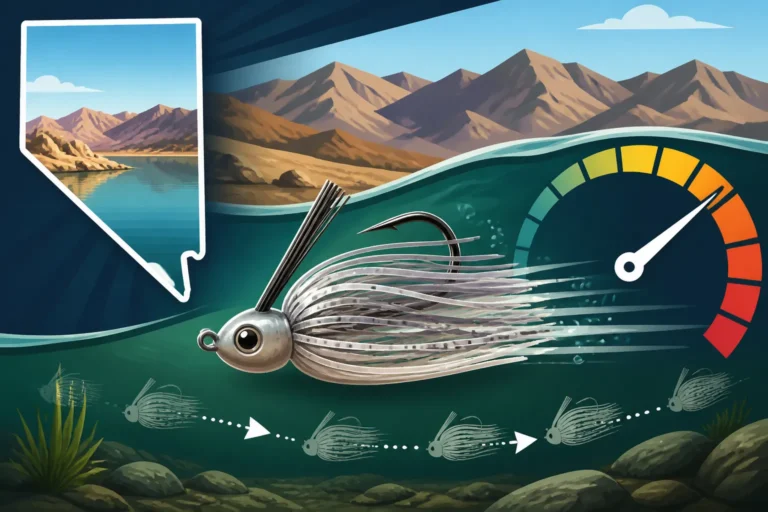
Trolling speeds are critical here – usually quite slow, between 1.5 and 2.5 miles per hour, allowing your dodgers and lures to work their magic naturally. Pay close attention to your speed, adjusting slightly until you find what triggers bites. Because Lake Tahoe's water is so incredibly clear, especially when you consider the visibility depths, having a good length of fluorocarbon leader is vital for stealth. For a deeper dive into fishing this iconic lake, check out our guide on how to Catch Mackinaw Trout at Lake Tahoe.
Other Nevada Waters
While Lake Tahoe is the undisputed king for Mackinaw in Nevada, other deep, cold-water lakes might hold populations or offer similar deep-water trout opportunities. For instance, some of the higher elevation mountain lakes, though typically home to different trout species like rainbows and browns, will also see fish moving deeper in summer. The same principles of finding the thermocline and targeting cooler, oxygenated water will apply. While they might not be Mackinaw, understanding how to fish for these deep-dwelling trout will still leverage the same techniques. These fish will likely be found in shallower deeps, perhaps 40-80 feet, depending on the lake's overall depth and thermal profile. It's always a good idea to consult local fishing reports or the Nevada Department of Wildlife (NDOW) for specific information on other lakes and their resident fish populations. Knowing the general Nevada Fishing Seasons by Month and the Best Time of Year to Fish in Nevada can further refine your targeting.
Remember, fishing is as much about persistence and adaptation as it is about knowledge. Be willing to adjust your depths, lures, and trolling speeds until you find what the Mackinaw are biting on that particular day.
Here’s a quick overview of summer Mackinaw trolling depths and strategies:
| Factor | General Recommendation | Lake Tahoe Specifics | Key Gear |
|---|---|---|---|
| Depth Range | 80 – 300+ feet (depending on lake/conditions) | 120 – 300+ feet, often suspended over deeper water | Downriggers, Fish Finder, Temperature Gauge |
| Water Temp (F) | 40°F – 55°F | Actively target this range within the thermocline/hypolimnion | Temperature Probe/Gauge |
| Trolling Speed | 1.5 – 2.5 MPH | Often slower, 1.5 – 2.0 MPH, to allow lures to work effectively | Boat speed control, GPS for accuracy |
| Lures/Bait | Large spoons, plugs, minnow imitations, live/cut bait | Large spoons (Tady 45), J-Plugs, Kwikfish, Anchovies, Minnows, behind dodgers/flashers | Variety of deep-diving lures |
| Line Setup | Braided mainline (30-50lb), Fluorocarbon leader (15-25lb) | Long fluorocarbon leader (20-50 ft) for stealth in clear water | Quality braid and fluorocarbon |
| Target Areas | Deep structure, drop-offs, baitfish schools | Underwater points, ledges, deep canyons, areas with marked baitfish | Sonar/GPS for mapping structure |
For those looking to ensure they have all their bases covered before heading out, consider reviewing our comprehensive Nevada Fishing Gear Essentials and even checking out our Best Fishing Rods for Nevada Lakes to ensure your setup is truly optimized for success.
Disclaimer
Please remember that fishing regulations, including seasons, limits, and specific gear restrictions, can change. Always consult the latest Nevada Department of Wildlife (NDOW) regulations before you head out on the water. This guide is for informational purposes only and should not replace official sources.