Best beginner technique for catching trout
There's nothing quite like the dream of catching your first trout in Nevada, but let's be real: staring at an aisle full of lures, baits, and fancy gear can feel incredibly intimidating. You just want to feel that first tug on the line, but figuring out where to even begin with all the different techniques can quickly turn excitement into frustration. This guide is here to cut through the noise, offering the absolute best beginner technique for catching trout in Nevada, so you can get out there and enjoy the Silver State's beautiful waters with confidence.
The Overwhelm of Getting Started: Why Trout Fishing Can Seem Hard
If you've ever walked into a sporting goods store, or even just browsed online for "trout fishing gear," you've probably felt that familiar pang of confusion. There are hundreds of different lures – spinners, spoons, jigs, soft plastics – and then there's a whole world of natural baits, fly fishing setups, and complex rigging instructions. For someone just starting out, it can feel like you need a Ph.D. in angling just to cast a line. You might worry about buying the wrong gear, using the wrong bait, or simply looking foolish on the water. It’s a common hurdle, and it often keeps aspiring anglers from ever getting their feet wet.
The truth is, many popular trout fishing techniques, while effective for experienced anglers, aren't exactly beginner-friendly. Fly fishing, for example, is an art form that takes dedication to master. Trolling with downriggers requires specialized boat equipment and a deep understanding of water columns. Even some basic lure presentations demand specific retrieves and an ability to "read the water" that only comes with practice. But don't despair! You don't need to learn it all at once. There's a tried-and-true method that simplifies the process, focuses on the core principles, and delivers results, making it the perfect entry point for anyone new to the sport.
The Simplest Path to Your First Trout: Still-Fishing with Power Bait
When it comes to beginner-friendly trout fishing in Nevada, nothing beats the effectiveness and simplicity of still-fishing with Power Bait. This technique is incredibly forgiving, requires minimal specialized skill, and consistently puts fish in the net, especially for the stocked rainbow trout that fill many of Nevada's lakes and urban ponds. It takes away the need for constant casting or intricate lure manipulation, letting you relax and enjoy the scenery while the bait does most of the work for you.
Understanding Power Bait: Why It’s Your Secret Weapon
Power Bait, specifically the dough-like variety from Berkley, is a game-changer for new anglers targeting stocked trout. It's essentially a scent-infused, brightly colored dough designed to attract trout from a distance. The magic of Power Bait lies in a few key features that make it irresistible to fish, especially those hatchery-raised trout that are often less wary than their wild counterparts.
First off, it’s all about the scent. Power Bait is loaded with powerful attractants that mimic natural food sources, creating a scent trail that trout can follow. When a trout gets a whiff of it, their instinct kicks in, leading them right to your hook. Secondly, many Power Bait formulas are buoyant, meaning they float off the bottom. This is crucial because it keeps your bait up in the water column, where trout are often cruising, rather than buried in the mud or weeds where it might go unnoticed. Finally, the vibrant colors – think bright orange, chartreuse, or rainbow variations – are highly visible in the water, acting as a strong visual cue that triggers strikes. You can usually find a great selection of different colors and scents on Amazon, perfect for experimenting to see what works best on a given day.
Your Essential Gear Checklist for Success
You don't need to break the bank or fill a massive tackle box to get started. The beauty of this technique is its simplicity. Here’s a rundown of the basic gear you'll need, much of which you can find easily at a local tackle shop or online through retailers like Amazon:
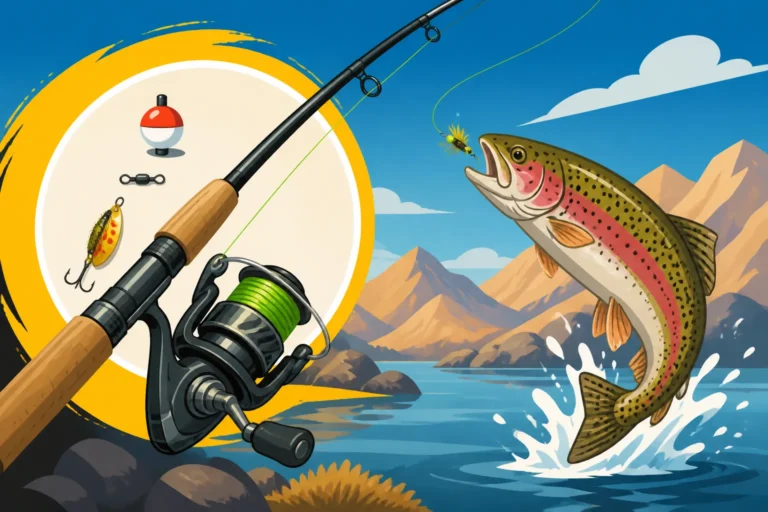
- Light Spinning Rod and Reel Combo: A 6 to 7-foot light or ultralight action spinning rod paired with a small spinning reel (size 1000 or 2000) is ideal. This setup is sensitive enough to feel subtle bites and light enough for comfortable casting all day. Look for a Best Spinning Reels for Trout Fishing guide for specific recommendations.
- Fishing Line: Spool your reel with 4 to 6-pound test monofilament or fluorocarbon line. Monofilament is a great choice for beginners due to its stretch and forgiving nature, while fluorocarbon is less visible underwater.
- Hooks: Small, sharp bait hooks are key. Size 10 or 12 treble hooks are popular for Power Bait as they hold the dough well. Some anglers prefer size 8 or 10 single hooks, especially if catch-and-release is intended, as they can cause less harm.
- Split Shot Sinkers or Egg Sinkers: These provide weight to get your bait down to the desired depth. A small assortment of sizes will be helpful.
- Swivels: Small barrel swivels (size 10 or 12) prevent line twist and serve as a connection point between your main line and leader.
- Power Bait: As discussed, choose a few popular colors like chartreuse, orange, or rainbow.
- Small Tackle Box or Bag: To keep your essentials organized.
- Needle Nose Pliers or Hemostats: Essential for removing hooks safely.
- Net: A small landing net makes landing fish easier and safer for both you and the fish.
- A Valid Nevada Fishing License: Don't forget this! You can find everything you need to know in our Nevada Fishing License Guide.
| Component | Purpose | Beginner Tip |
|---|---|---|
| Rod & Reel | Casting, fighting fish | Choose a light-action combo for sensitivity and ease of use. |
| Fishing Line | Connects you to the fish | 4-6 lb test monofilament is forgiving and strong enough for most trout. |
| Hooks | Securing the bait and catching the fish | Small, sharp treble hooks (size 10 or 12) work well for holding Power Bait. |
| Sinkers | Getting bait to desired depth | Use small split-shot or egg sinkers; adjust weight based on current and desired depth. |
| Swivels | Prevents line twist, connects main line to leader | Essential for keeping your line tangle-free, especially with floating bait. |
| Power Bait | Attracting and enticing trout | Pinch off a pea-sized amount and mold it tightly around the hook, ensuring it covers the hook points. |
| Needle Nose Pliers | Safely removing hooks | Always carry these for quick and humane hook removal. |
| Net | Safely landing fish | A small, rubberized net is ideal to prevent injury to the fish and make landing easier. |
Step-by-Step Rigging for the Absolute Beginner
Now for the fun part: setting up your rig! This is a classic "Carolina rig" style setup, modified for trout fishing, and it's incredibly effective.
- Thread Your Main Line: Take the fishing line from your reel and thread it through all the guides on your rod.
- Add Your Sinker: Slide an egg sinker (or a few small split shot sinkers, if you prefer) onto your main line. The amount of weight depends on how far you need to cast and how much current is present. Start with just enough to get your bait down.
- Tie on Your Swivel: After the sinker, tie a small barrel swivel to the end of your main line. A simple improved clinch knot or Palomar knot works well here. If you're unsure, practice these knots at home; they're essential for all fishing.
- Attach Your Leader: Cut a piece of fluorocarbon or monofilament line, about 18-36 inches long, for your leader. This line should be the same pound test as your main line, or one size smaller (e.g., 4lb leader with 6lb main line). Tie one end of this leader to the other side of your swivel.
- Tie on Your Hook: Finally, tie your small treble or single bait hook to the end of your leader.
- Form Your Power Bait Ball: Pinch off a pea-sized piece of Power Bait. Roll it between your fingers to form a tight, round ball. Then, carefully press your hook into the center of the ball, molding the Power Bait completely around the hook, making sure all points are covered. You want it to look like a small, colorful marshmallow. This ensures the buoyancy of the Power Bait can lift the hook off the bottom.
Casting and Waiting: The Patience Game
With your rig ready, it's time to cast! Look for areas where trout might congregate – drop-offs, submerged structures, or even just open water where they're being stocked. For still-fishing, you’re aiming for a gentle cast that doesn’t dislodge your bait from the hook.
Cast your rig out, let it sink to the bottom (you'll feel a slight bump as the sinker settles), and then reel in any slack line until you feel the weight of the sinker. You want your rod tip to have a slight bend, indicating tension on the line, but not so much that it moves your sinker. Now, place your rod in a rod holder or prop it securely on the bank, keeping an eye on the rod tip. This is where the "still-fishing" comes in. The buoyant Power Bait will float above the sinker, presenting itself perfectly to cruising trout.
When a trout bites, you'll see your rod tip twitch, bob, or even bend sharply. Don't immediately yank! Give the fish a moment to really take the bait. A good rule of thumb is to wait until the rod tip bends steadily or the line starts to peel off the reel before gently lifting the rod to set the hook. This isn't a hard, sweeping motion like bass fishing; a firm, steady pull is usually enough to embed those small hooks. Remember, patience is key – sometimes you'll get a bite right away, other times it might take a while. That's part of the charm!
Where to Practice Your New Skill: Beginner-Friendly Nevada Trout Spots
Nevada has some fantastic waters for trout, and many are perfect for beginners looking to hone their Power Bait still-fishing technique. The key is to choose locations that are regularly stocked and offer easy access.
Urban Ponds and Community Lakes
These are arguably the best places for beginners to start. The Nevada Department of Wildlife (NDOW) actively stocks many urban ponds throughout the state, especially during the cooler months, ensuring a healthy population of catchable trout. These spots are usually easily accessible, often have paved paths, and sometimes even fishing docks, making them perfect for a family outing or a quick solo trip.
In Southern Nevada, places like the Las Vegas urban ponds are fantastic. You can explore spots like Sunset Park, Lorenzi Park, and Floyd Lamb Park. These ponds are specifically managed for recreational fishing, and NDOW publishes a Nevada Trout Stocking Schedule, so you can plan your trip shortly after a fresh batch of trout has been introduced. The trout in these urban ponds are generally less wary and more accustomed to prepared baits, making them ideal targets for your Power Bait rig. Don't forget to check the specific Nevada Urban Pond Fishing Rules for any special regulations.
Larger Reservoirs with Easy Access
Beyond the urban ponds, some of Nevada's larger reservoirs offer great bank fishing opportunities, particularly in calmer coves or designated fishing areas. While these might require a bit more walking to find the prime spots, they can offer a more expansive fishing experience.
Wildhorse Reservoir, located in northeastern Nevada, is a popular trout destination that can be good for bank anglers, especially around the campground areas or accessible shorelines. While it's a much larger body of water, focusing on areas near known structures or drop-offs can yield good results for those using Power Bait. Our Wildhorse Reservoir Nevada Fishing Guide offers more specific insights into this beautiful area. Even parts of Lake Mead, in its shallower, protected coves, can occasionally yield trout, though it's more known for other species.
Beyond the First Catch: What’s Next for Your Nevada Trout Journey
Congratulations on your first trout! That feeling of success is what keeps us coming back. Once you've mastered the Power Bait still-fishing technique and built your confidence, you'll naturally want to explore other facets of Nevada fishing. The Silver State offers an incredible variety of angling experiences, and your journey has just begun.
Expanding Your Bait and Lure Arsenal
As you gain experience, you'll likely want to experiment with different baits and lures. While Power Bait is excellent, learning to fish with other presentations can make you a more versatile angler and open up new opportunities. You might try:
- Worms and Nightcrawlers: These are natural baits that trout love, especially when fished under a bobber or on a simple bottom rig.
- Salmon Eggs: Another classic trout bait, often used in combination with Power Bait or on its own.
- Spinners and Spoons: Small inline spinners (like Mepps or Rooster Tails) and casting spoons (like Kastmasters) are incredibly effective for actively searching for trout. They imitate small baitfish or insects and can be deadly when retrieved properly. Check out our Best Bait for Nevada Trout guide for more options.
- Soft Plastics: Tiny grubs or artificial worms can also be rigged on small jig heads and slowly retrieved.
Learning to present these different options, and understanding when to use each, will significantly broaden your horizons. You might even find yourself exploring Best Lures for Nevada Bass if you decide to try for a different species!
Understanding Nevada’s Regulations
As you venture to new waters and try different techniques, it's absolutely crucial to stay informed about Nevada's fishing regulations. These rules are in place to protect fish populations and ensure sustainable fishing for everyone. Regulations can vary significantly by water body, especially when it comes to species-specific limits, size restrictions, and bait restrictions.
Always check the current NDOW Fishing Guide before heading out. Pay close attention to:
- Daily Bag and Possession Limits: How many fish of a certain species you can keep per day and how many you can have in your possession.
- Size Restrictions: Minimum or maximum lengths for keeping certain fish.
- Gear Restrictions: Some waters may have rules about barbless hooks, artificial lures only, or restrictions on live bait.
- Season Dates: While many Nevada waters are open year-round, some have specific open or closed seasons for certain species. Our Nevada Fishing Season Dates and Limits article provides a general overview.
Being a responsible angler means understanding and following these rules. Not only does it help protect the fish, but it also prevents potential fines and legal trouble. Always carry your valid Nevada fishing license, and be ready to present it if a game warden asks.
Fishing for trout in Nevada as a beginner doesn't have to be complicated. By focusing on a simple, effective technique like still-fishing with Power Bait, you'll quickly build the confidence and skills needed to enjoy this rewarding pastime. Tight lines, and we'll see you out on the water!
Disclaimer
The information provided in this guide is for general informational purposes only and does not constitute professional advice. Fishing regulations and conditions in Nevada can change frequently. Always consult the official Nevada Department of Wildlife (NDOW) regulations and local advisories before engaging in any fishing activities. Adherence to all local, state, and federal laws is the sole responsibility of the angler.