Why catch and release is required at Pyramid Lake
It's frustrating when you're looking forward to a day of fishing, only to find out that the rules for a particular spot are completely different and, frankly, a bit confusing. You might be dreaming of bringing home a trophy trout, but then you hear whispers of "catch and release only" or strict slot limits. This guide is here to clear up that confusion, specifically for Nevada's iconic Pyramid Lake, and explain in detail why certain fish must be released and the critical role this plays in preserving one of the world's most unique fisheries.
The Unique Ecosystem of Pyramid Lake
Pyramid Lake isn't just another body of water in Nevada; it's a geological marvel and a biological treasure. Understanding its ancient history and unique inhabitants is key to grasping why its fishing regulations are so different from most other lakes.
A Relict Lake and its Indigenous Species
Imagine a vast inland sea, Lake Lahontan, that covered much of Nevada thousands of years ago during the Ice Age. As the climate warmed, this massive lake began to recede, leaving behind remnants, and Pyramid Lake is one of the most spectacular examples. This means it's a "relict lake," an isolated remnant of a much larger, ancient body of water. Because of this isolation, the fish species within it evolved unique characteristics, adapting specifically to this high-desert, terminal lake environment. The star of this show, of course, is the Lahontan Cutthroat Trout (LCT), a truly magnificent fish that represents a living link to that ancient past. These trout developed to thrive in the lake's alkaline waters and to grow to incredible sizes, often much larger than their river-dwelling cousins. Other unique species, like the Cui-ui sucker, also call this lake home, having adapted over millennia to its particular conditions. This unparalleled biodiversity is a primary reason for the stringent conservation measures.
The Importance of the Cui-ui Fish
While anglers often focus on the Lahontan Cutthroat Trout, another critically important fish in Pyramid Lake is the Cui-ui sucker (Chasmistes cujus). To the Pyramid Lake Paiute Tribe, the Cui-ui is more than just a fish; it's a cultural keystone, a sacred species that has sustained their people for thousands of years. This large, filter-feeding fish is endemic to Pyramid Lake, meaning it's found nowhere else on Earth. Unfortunately, due to habitat degradation, particularly the construction of Derby Dam on the Truckee River in 1905 which blocked their spawning migration, the Cui-ui population plummeted. For a long time, they were on the brink of extinction. Today, thanks to extensive conservation efforts and fish passages, their numbers have improved, but they remain a federally listed endangered species. This endangered status means that any regulation implemented for the lake's ecosystem must also consider the Cui-ui's survival. Anglers are very unlikely to catch a Cui-ui, as they are not typically targeted by sport fishing, but if one were to be accidentally hooked, it must be released immediately and unharmed. This strict protection of all native species, especially endangered ones like the Cui-ui, forms a fundamental layer of Pyramid Lake's conservation strategy.
Historical Declines and Conservation Efforts
The history of Pyramid Lake's fishery is a stark reminder of human impact and a testament to dedicated conservation. In the early 20th century, the future of the Lahontan Cutthroat Trout and Cui-ui looked bleak. The diversion of the Truckee River water for irrigation through the Derby Dam significantly reduced the flow into Pyramid Lake, lowering lake levels and making it impossible for the native fish to reach their spawning grounds in the river. By the 1940s, the original strain of Lahontan Cutthroat Trout was declared extinct in Pyramid Lake, a truly heartbreaking loss. However, through incredible efforts, a remnant population of the original strain was discovered in a small stream on the Nevada-Utah border, called Summit Lake. These precious fish became the genetic blueprint for a monumental restoration project. Decades of work by the Pyramid Lake Paiute Tribe and federal agencies, including significant habitat restoration on the Truckee River, fish ladder construction, and careful reintroduction of the LCT, have brought the fishery back from the brink. This long, arduous journey of restoration is the very foundation of why catch and release, along with other strict regulations, are so vital today. It's about protecting a fragile, restored ecosystem and ensuring that history never repeats itself.
The Lahontan Cutthroat Trout: A Conservation Success Story
The story of the Lahontan Cutthroat Trout (LCT) at Pyramid Lake is one of both tragedy and triumph. Once nearly lost forever, this magnificent fish has made an astounding comeback, thanks to diligent conservation strategies that heavily rely on responsible angling practices.
The Magnificent Lahontan Cutthroat Trout
Imagine casting your line into clear, shimmering water and hooking into a fish that could easily weigh 10, 15, or even over 20 pounds – a true leviathan of the high desert. That's the promise of the Lahontan Cutthroat Trout at Pyramid Lake. These are not your average trout; they are a unique, native subspecies, identified by their large scales, distinctive cutthroat markings on the underside of their jaw, and often a beautiful olive-green to silvery coloration. What sets them apart is their incredible growth potential and their adaptation to the lake's terminal, highly alkaline environment. Unlike other trout species that prefer cold, clear mountain streams, these LCT thrive in the vast, open waters of Pyramid Lake, feeding on baitfish and other aquatic life to reach truly monumental sizes. They are apex predators in their ecosystem, playing a critical role in maintaining the health of the lake. To learn more about their unique characteristics, you might want to explore articles like Lahontan Cutthroat Trout in Nevada.
NDOW and Tribal Efforts in Restoration
The recovery of the Lahontan Cutthroat Trout fishery at Pyramid Lake is a shining example of interagency cooperation. While the Pyramid Lake Paiute Tribe has primary jurisdiction over the lake and its resources, the Nevada Department of Wildlife (NDOW) has been an integral partner in the restoration efforts. This collaboration involves sophisticated hatchery programs that raise LCT from genetically pure broodstock, ensuring the integrity of the native strain. Millions of fingerlings are stocked into the lake annually, augmenting natural reproduction and providing a robust population for anglers. Beyond stocking, both the Tribe and NDOW work tirelessly on habitat improvement projects along the Truckee River, ensuring that the LCT have accessible and healthy spawning grounds. Genetic monitoring is also crucial, carefully tracking the fish populations to maintain genetic diversity and health. These efforts are not just about having more fish; they are about restoring a natural heritage and supporting a vibrant ecosystem that has historical and cultural significance. This monumental undertaking is what makes the strict regulations understandable, as every fish counts in maintaining this delicate balance.
The "Trophy Trout" Management Strategy
One of the driving philosophies behind the management of Pyramid Lake is the intentional creation and maintenance of a world-class "trophy trout" fishery. This isn't just about bragging rights; it's a scientifically-backed strategy designed to maximize the size and health of the Lahontan Cutthroat Trout population. The goal is to allow a significant portion of the LCT to mature, spawn multiple times, and reach their full growth potential. Catch and release is the cornerstone of this strategy. By releasing larger, mature fish, anglers ensure that these powerful breeders can contribute to the next generation, passing on their desirable genetics for size and resilience. It's a cyclical process: the more big fish are released, the more big fish there will be in the future. This strategy has been incredibly successful, making Pyramid Lake one of the few places in the world where anglers have a genuine shot at catching a 10-pound, 15-pound, or even 20-pound plus Lahontan Cutthroat Trout from the shore. This commitment to growing trophy-sized fish for sustained angling pressure necessitates the careful regulations you'll encounter.
Understanding Pyramid Lake's Specific Regulations
Fishing Pyramid Lake is an experience unlike almost any other, and that's largely due to its unique regulatory framework. It's crucial to understand that the rules here are distinct and enforced by a different authority than what you might be used to in other parts of Nevada.
The Tribal Authority and Its Rules
The most important thing to grasp about Pyramid Lake is that it is entirely within the boundaries of the Pyramid Lake Paiute Tribe Reservation. This means the lake and its resources are managed by the Tribe, not the Nevada Department of Wildlife (NDOW) or any other state agency. While there's often collaboration and shared goals, the Tribe sets and enforces its own fishing regulations, which can differ significantly from statewide Nevada fishing regulations. This is why your standard Nevada fishing license is not valid on Pyramid Lake. To fish here, you must purchase a specific Pyramid Lake Fishing Permit Guide issued by the Pyramid Lake Paiute Tribe. These permits are readily available online through the Tribe's website or at various local tackle shops and general stores around the lake. Respecting this tribal sovereignty and adhering to their regulations is not just a legal requirement, but a matter of showing respect for the land, the people, and their generations-long connection to this incredible place. Violating these rules can lead to significant penalties, including fines and potential bans from the reservation.
The Catch and Release Mandate: Size and Species Specifics
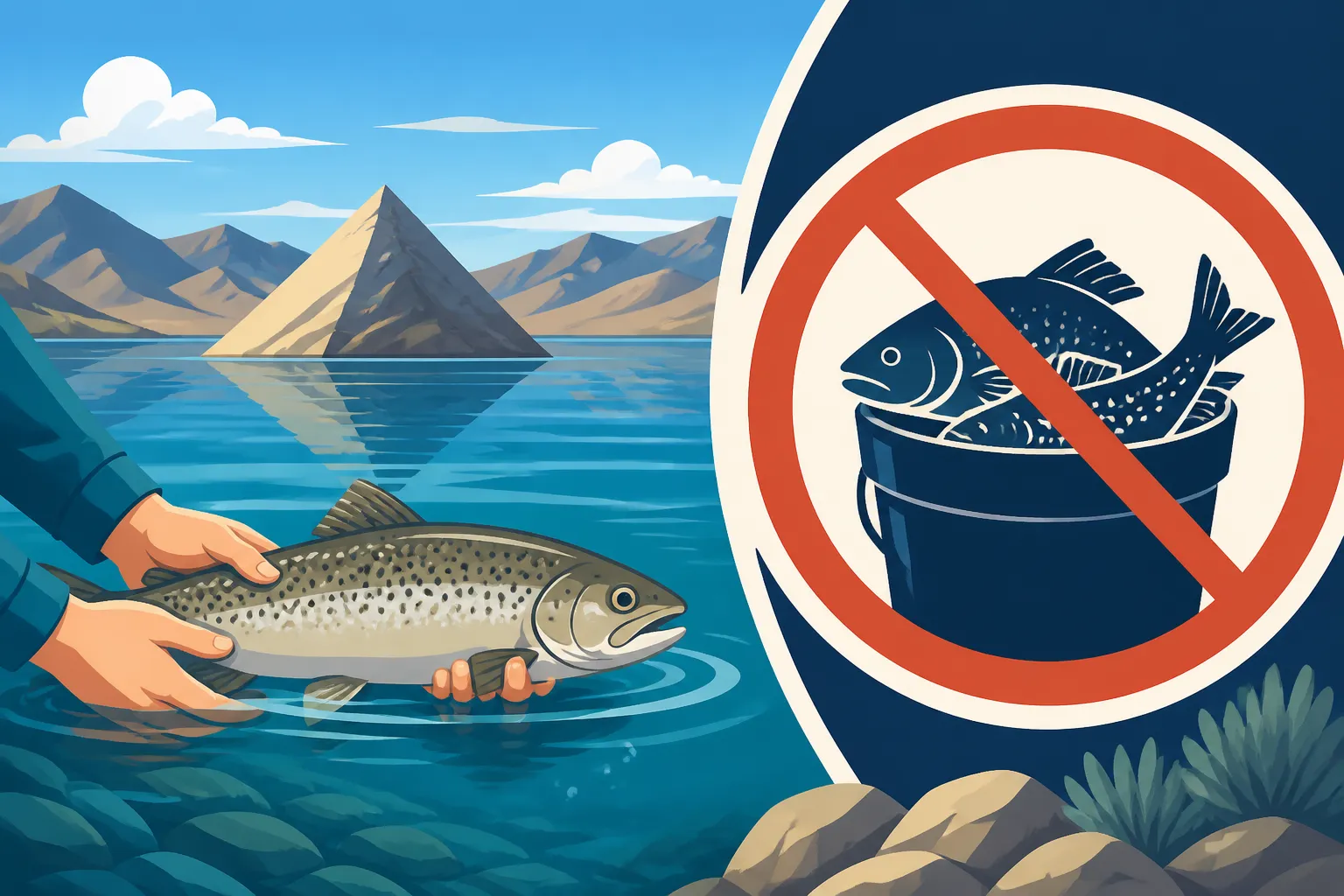
Now, let's get to the heart of the matter: the catch and release mandate. While not every fish caught at Pyramid Lake must be released, the regulations are specifically designed to protect the most vital breeding stock and allow trophy fish to grow. For Lahontan Cutthroat Trout, there's typically a slot limit in place. This means fish within a certain size range must be immediately released, unharmed. For example, common regulations might state that LCT between 17 and 24 inches must be released. You might be allowed to keep one or two fish under the slot limit (e.g., under 17 inches) and one fish over the slot limit (e.g., over 24 inches). These specific sizes can change, so it's absolutely vital to check the current Pyramid Lake Season and Bag Limit Rules before you head out.
The rationale is clear:
- Protecting Spawners: The fish within the slot limit are often the prime breeding stock, essential for successful reproduction. Releasing them ensures they can spawn multiple times throughout their lifespan.
- Encouraging Trophy Growth: By allowing smaller fish to be harvested, it can reduce competition, giving the remaining fish more resources to grow into true trophies, reaching sizes upwards of 15 to 20 pounds.
- Targeting Non-Native Species (if applicable): Occasionally, regulations might encourage the harvest of certain non-native species if they pose a threat to the native ecosystem. However, the primary focus is always on LCT conservation.
Always consult the most recent regulations, which are usually available on the Pyramid Lake Paiute Tribe's Fisheries Department website or wherever permits are sold. Understanding the Daily limit for Lahontan cutthroat trout at Pyramid Lake and the Legal size for keeping a Lahontan cutthroat trout at Pyramid Lake is non-negotiable for a responsible angler.
Gear Restrictions and Their Rationale
Beyond catch limits, Pyramid Lake also imposes specific gear restrictions, all with the goal of minimizing harm to the fish, especially those destined for release. The most prominent restriction is the barbless hook rule. This means that all hooks used for fishing must be barbless, or their barbs must be crimped down. You can often find barbless hooks for sale at specialty fishing stores or online platforms like Amazon, or you can simply use a pair of pliers to carefully flatten the barb on your existing hooks. The reasoning behind this is simple: barbless hooks cause significantly less damage to a fish's mouth, making removal quicker and easier, which greatly increases the chances of survival for released fish. For more on this, check out Nevada Barbless Hook and Bait Rules.
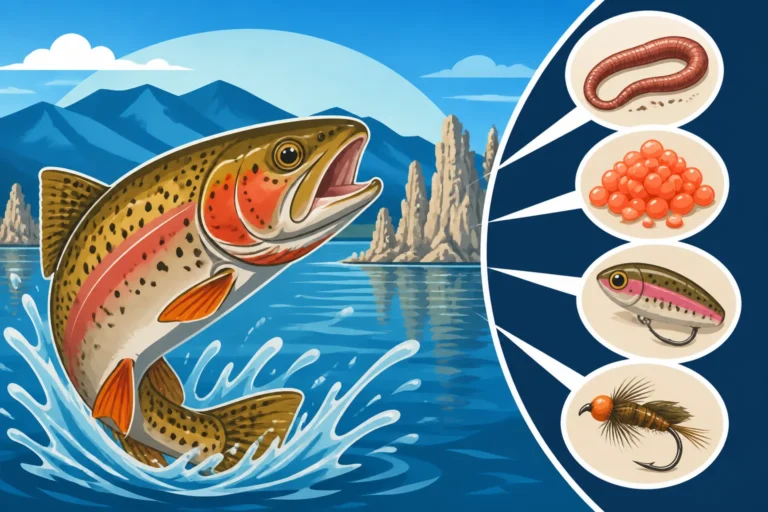
Furthermore, there are often bait restrictions. Generally, live bait fish are prohibited to prevent the introduction of non-native species and diseases into the lake's delicate ecosystem. Using artificial lures, flies, or certain approved baits (like PowerBait, worms, or salmon eggs) is typically allowed. The Best Bait for Pyramid Lake Cutthroat often involves artificial lures that mimic the lake's native baitfish. Always double-check the current regulations for specific bait restrictions, as these can sometimes be updated based on ecological needs. These gear rules are not meant to make fishing harder; they are vital components of a comprehensive conservation strategy designed to protect the very resource that draws anglers to this incredible lake.
The Angler's Role in Conservation
As an angler at Pyramid Lake, you're not just a recreational participant; you're a crucial part of the ongoing conservation success story. Your actions on the water directly impact the health and future of this extraordinary fishery.
Best Practices for Catch and Release
Knowing why catch and release is important is only half the battle; knowing how to do it properly is paramount. The goal is to return the fish to the water in the best possible condition, maximizing its chances of survival. Here are some essential best practices:
- Use Barbless Hooks: As discussed, this is often a regulation at Pyramid Lake for a reason. They minimize tissue damage and make hook removal quick and easy. If your hooks aren't barbless, crimp them down with pliers.
- Minimize Fight Time: Bring the fish in as quickly as possible to reduce exhaustion. A prolonged fight can stress a fish to the point of no return, even if it swims away.
- Handle with Care (Wet Hands Only): Always wet your hands before touching a fish. Dry hands can remove the fish's protective slime coat, leaving it vulnerable to infection. Avoid squeezing the fish, especially around the gills or belly.
- Use Proper Tools: A good pair of long-nosed pliers or a de-hooking tool can help remove hooks quickly and efficiently, especially if the fish has swallowed the bait. For large Lahontan Cutthroat Trout, a rubberized landing net is ideal. These nets are much gentler on the fish's scales and slime coat than traditional knotted nylon nets. You can often find excellent options for such tools on Amazon or at local tackle shops.
- Keep it Wet: Whenever possible, keep the fish in the water while removing the hook and taking photos. If you must lift it for a photo, do so quickly, supporting its body horizontally to avoid internal injury.
- Revive if Necessary: If a fish seems sluggish before release, hold it gently in the water, facing into a gentle current (or moving it back and forth slightly) until it regains its strength and swims away on its own power. Do not simply toss it back.
Following these guidelines, which are detailed further in guides like Handling and Releasing Lahontan Cutthroat Trout, is your personal commitment to the future of this fishery.
Economic and Recreational Benefits of Conservation
The strict conservation measures at Pyramid Lake, particularly the emphasis on catch and release, aren't just for the fish; they also generate significant economic and recreational benefits. By fostering a "trophy trout" fishery, the Pyramid Lake Paiute Tribe has created a world-renowned angling destination. Anglers travel from across the country and even internationally to experience the thrill of battling a giant Lahontan Cutthroat. This influx of visitors translates into vital revenue for the local community and the Tribe through permit sales, accommodations, food, gasoline, and tackle purchases. Local businesses thrive, supporting jobs and services.
Furthermore, these policies ensure the long-term sustainability of the fishing experience. Without careful management, overfishing could quickly decimate the population, leading to a decline in fish size and numbers, and ultimately, a loss of recreational opportunity and economic activity. So, when you follow the catch and release rules, you're not just saving an individual fish; you're investing in the future of the fishery, ensuring that generations to come can enjoy the unparalleled experience of fishing at Pyramid Lake.
Supporting the Pyramid Lake Fishery
Beyond simply following the rules, there are other ways anglers can actively support the Pyramid Lake fishery and its unique conservation mission.
- Purchase Permits: Always ensure you have a valid Pyramid Lake Tribal Fishing Permit. The revenue generated from these permits directly funds the Tribe's fisheries management, stocking programs, habitat restoration, and enforcement efforts. This is the most direct way to contribute financially to the conservation of the LCT and Cui-ui.
- Educate Others: Be an ambassador for responsible angling. If you see someone struggling with catch and release techniques or inadvertently breaking rules, politely offer assistance or information. Spreading awareness about the importance of the regulations helps foster a culture of conservation within the angling community.
- Report Violations: If you witness serious or blatant violations that could harm the fishery, report them to the Pyramid Lake Paiute Tribe Fisheries Department or the tribal police. This ensures that the dedicated efforts of many are not undermined by the irresponsible actions of a few.
- Choose Appropriate Gear: Invest in quality gear that supports ethical angling. This includes not only barbless hooks but also things like strong, reliable line to minimize break-offs, and soft, knotless landing nets. High-quality fishing pliers or de-hookers can be found on Amazon, making catch and release much easier on the fish. For those who enjoy shoreline fishing at Pyramid Lake Shoreline Access Points, consider sturdy rod holders that prevent your rod from being pulled into the lake if a big trout hits!
By taking an active role, anglers become partners in conservation, ensuring Pyramid Lake remains a premier destination for the magnificent Lahontan Cutthroat Trout for years to come.
Here's a quick comparison of key regulations:
| Feature | Pyramid Lake (Paiute Tribe Rules) | General Nevada State Waters (NDOW Rules) |
|---|---|---|
| Fishing Permit | Required: Pyramid Lake Tribal Fishing Permit | Required: Nevada State Fishing License |
| Lahontan Cutthroat | Slot limits often apply (e.g., 17-24 inches must be released); daily limits vary | Regulations vary by waterbody; often general trout limits |
| Barbless Hooks | Required for all fishing | Generally not required, but recommended for catch and release waters |
| Live Bait Fish | Prohibited (to prevent introduction of non-native species) | Generally allowed unless specifically restricted by local rule |
| Fishing Hours | Specific Pyramid Lake Legal Fishing Hours apply (e.g., sunrise to sunset) | Generally 24/7 unless otherwise specified for specific water bodies |
| Jurisdiction | Pyramid Lake Paiute Tribe | Nevada Department of Wildlife (NDOW) |
| Endangered Species | Cui-ui fish protection is a key focus | Focus on statewide conservation of various native and stocked species |
| Goal | Trophy Lahontan Cutthroat Trout fishery & native species preservation | Diverse angling opportunities & sustainable fisheries statewide |
Disclaimer
Please remember that fishing regulations are subject to change. Always consult the most current regulations directly from the Pyramid Lake Paiute Tribe Fisheries Department or the official NDOW website before planning your fishing trip to ensure you are fully compliant with all rules and laws.