How much wind is too much to fish a Nevada lake
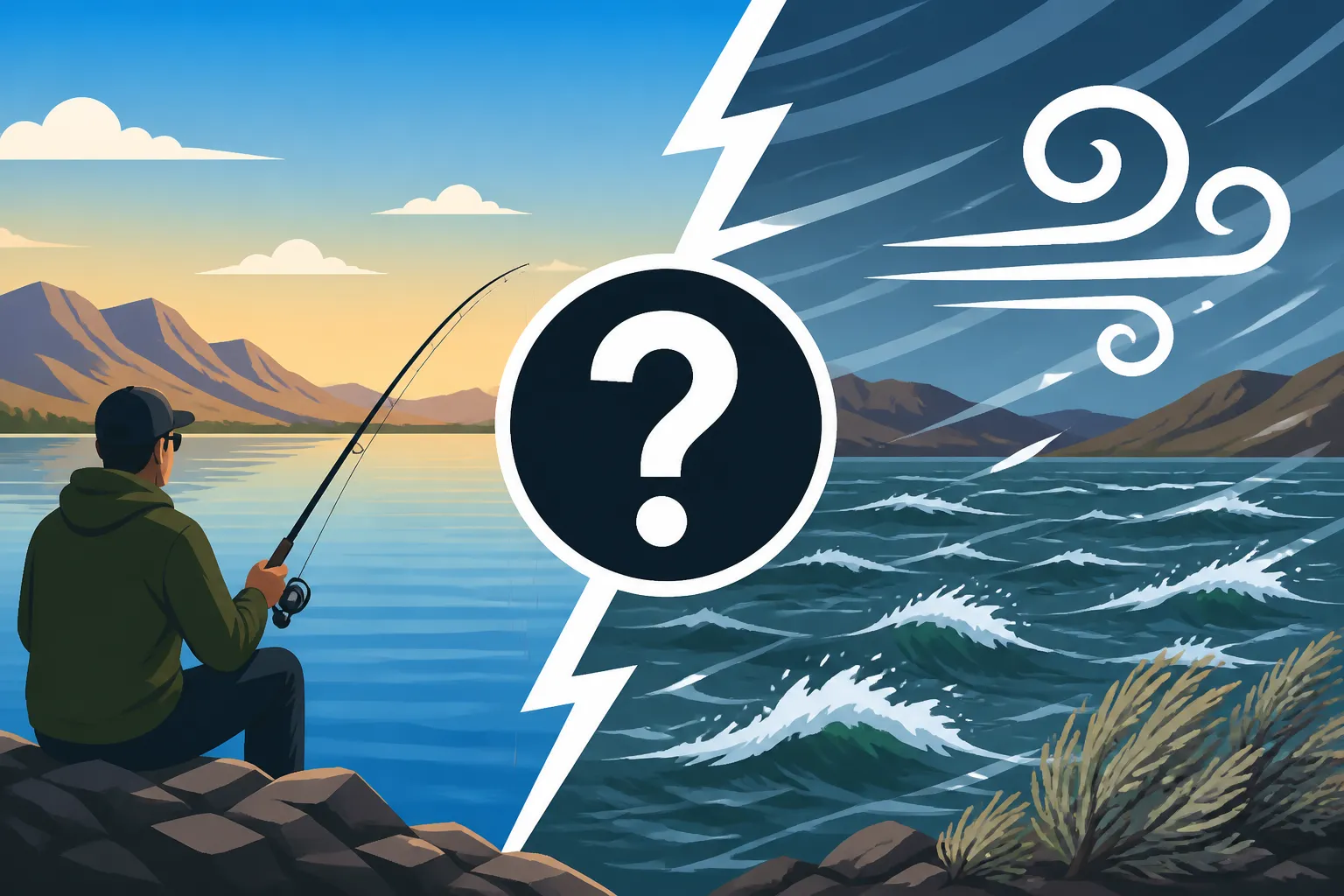
There’s nothing quite like planning a fantastic day out on a Nevada lake, only for the wind to show up uninvited and try to ruin everything. You've envisioned calm waters and perfect casts, but then you arrive to find whitecaps and your carefully chosen lures being tossed around like confetti. It’s frustrating, disheartening, and frankly, can turn a fun outing into a miserable ordeal, or worse, a dangerous situation. This guide will walk you through understanding exactly how much wind is too much for fishing Nevada's diverse waters, helping you make safer, more enjoyable decisions every time you hit the water.
The Frustration of Wind: Why It's More Than Just Annoying
We've all been there: you wake up early, grab your gear, maybe even drive a good distance to your favorite fishing spot, only to be greeted by gusts that make you question your life choices. It's not just a minor inconvenience; wind can fundamentally change your entire fishing experience, from safety to success to your overall enjoyment.
Safety Concerns: When Gusts Become Dangerous
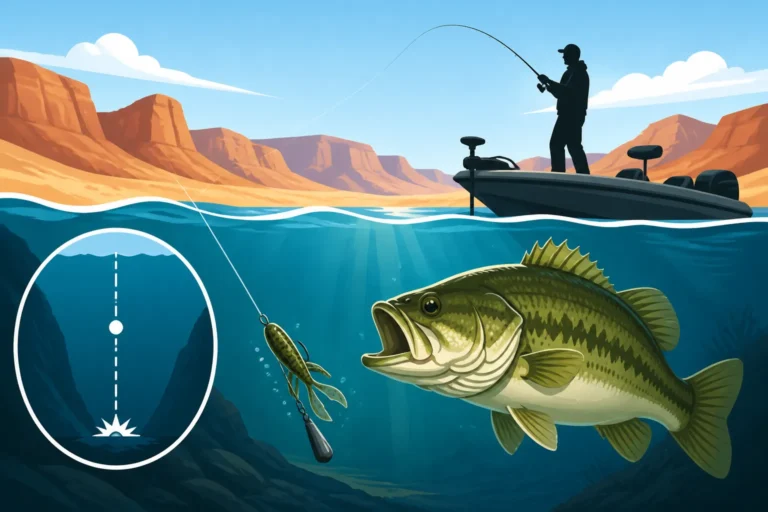
First and foremost, wind can be a serious safety hazard, especially on Nevada's large, open reservoirs like Lake Mead, Lake Mohave, or even the vast expanse of Pyramid Lake. What starts as a gentle breeze can quickly escalate into powerful, sustained winds that create dangerous chop and waves. For smaller vessels like kayaks, canoes, or even modest jon boats, these conditions can quickly become untenable. You might find yourself struggling to maintain control, getting swamped by waves, or even capsizing. The risk of being blown far from shore or into hazardous structures increases dramatically. It's not just about comfort; it's about getting home safely. Always check the forecast and have a healthy respect for the power of the wind on open water. It’s why understanding the proper safety precautions and having the right equipment is so crucial. If you're new to boating or unsure, consider reviewing resources like the Nevada Boater Education Card Requirement for valuable insights into safe practices.
Impact on Fishing Technique and Success
Beyond safety, wind is a real nemesis for effective fishing. Think about trying to cast a lightweight lure into a stiff headwind – it often ends up going nowhere fast, or worse, landing in a tangled mess. When the wind whips up, it creates surface chop that makes it incredibly difficult to see what your line is doing, feel subtle bites, or even tell if you've got weeds on your hook. Your boat becomes a drifting toy, making it nearly impossible to hold a specific spot or work a piece of structure effectively. Whether you're trying to cast for Largemouth Bass Fishing in Nevada in a cove or jig for stripers in deeper water, the wind often dictates where you can go and what techniques you can realistically employ. It can push your boat off your desired trolling path, make fly fishing nearly impossible, and even stir up the water column, affecting where fish choose to hold.
The Mental Toll of a Wind-Whipped Day
Let's be honest: fishing is supposed to be relaxing and enjoyable. When you're constantly battling the wind, holding onto your hat, wiping spray from your face, and fighting to keep your boat pointed in the right direction, the fun quickly drains away. The relentless noise of the wind and waves can be exhausting, and the constant effort required just to stay stable can leave you feeling more drained than refreshed. There's a subtle but powerful mental toll that strong winds can take, turning what should be a peaceful escape into a stressful challenge. No one wants to come home from a fishing trip feeling more stressed than when they left. Sometimes, recognizing this mental fatigue is just as important as recognizing physical safety risks.
Understanding Wind Thresholds for Different Scenarios
There's no single "too much wind" number that applies to every angler, every boat, or every body of water. What's a gentle breeze for one situation can be a gale force for another. It all comes down to your equipment, your experience, and the specific conditions of the lake or reservoir you're fishing.
Small Boats and Kayaks: Lower Limits
If you're out in a kayak, a float tube, or a small aluminum boat, your wind tolerance is going to be significantly lower. These vessels have less freeboard, are lighter, and are more easily pushed around by the wind and waves. For these crafts, even a sustained breeze of 10-15 mph can start to feel quite challenging, generating chop that can make paddling or motoring difficult and even dangerous. Waves of even 1-2 feet can feel immense and threaten to swamp your craft.
Imagine trying to maintain your position with a paddle or a small trolling motor in anything over 15 mph – it quickly becomes a constant battle. Your focus shifts from fishing to simply staying put or getting back to shore. For most kayak anglers, anything over 15 mph sustained wind, especially with higher gusts, should be a strong red flag. When considering gear, a good Best Kayak for Fishing Nevada Reservoirs will offer some stability, but even the best designs have their limits. You might also want to explore options like a robust anchor, which can be found on sites like Amazon, to help you hold your position if you do brave moderate winds.
Larger Boats and Shore Fishing: Different Calculations
For larger boats – say, a 17-foot bass boat, a pontoon, or a more substantial fishing boat – the threshold is higher, but still present. A 15-20 mph wind might be manageable, though certainly not comfortable, creating 2-3 foot waves that will make for a bumpy ride. Above 20 mph, however, even larger boats start to face significant challenges. Whitecaps become prevalent, navigating can be tough, and presenting your bait effectively becomes a serious chore. The larger the boat, the more wave it can typically handle, but even then, the physical toll on both you and your equipment increases exponentially. You'll spend more fuel fighting the wind, and it's simply not as enjoyable.
For those fishing from shore, wind isn't as much of a safety issue in terms of capsizing, but it can still make for a miserable day. High winds can make casting nearly impossible, create excessive slack in your line, and pick up sand or dust to blow into your face. On some lakes, extreme winds can even create dangerous rogue waves that can crash over breakwaters or docks. When considering your setup, think about the Best Fishing Rods for Nevada Lakes that can handle a bit of a breeze, offering enough backbone to punch through some resistance.
Reading the Forecast: Beyond Simple MPH
Understanding wind goes beyond just looking at a single number. Here’s what to really pay attention to:
- Sustained Wind vs. Gusts: A forecast of 10 mph with gusts to 20 mph is very different from a sustained 15 mph with gusts to 25 mph. Gusts can be much more dangerous as they hit suddenly and can throw a boat off balance or make casting unpredictable.
- Wind Direction: A north wind on a lake with north-south orientation will often create much larger waves than a crosswind of the same speed. Understanding how the wind will interact with the geography of your chosen fishing spot is key.
- Duration: Is the wind supposed to pick up for an hour, or blow strong all day? A short burst might be tolerable, but a full day of fighting heavy winds is exhausting.
- Forecast Changes: Always check the forecast right before you leave and even periodically during your trip if you have cell service. Nevada weather, especially in the desert and mountains, can change rapidly.
- Marine Forecasts: Don't just rely on general weather forecasts. Look for marine forecasts for the specific lake or reservoir you're visiting. These will often include wave height predictions, which are far more relevant to boaters. Many good weather apps available on platforms like Amazon provide detailed marine data.
Here’s a quick guide to understanding wind speed impacts:
| Wind Speed (MPH) | Water Conditions | Impact on Fishing (Small Boat/Kayak) | Impact on Fishing (Larger Boat) | General Recommendation |
|---|---|---|---|---|
| 0-5 | Calm to light ripple | Ideal, easy control | Ideal, comfortable | Go for it! Perfect conditions. |
| 6-10 | Light chop, small waves | Manageable, some effort required | Minimal impact, comfortable | Excellent conditions. May need to adjust casting slightly. |
| 11-15 | Moderate chop, 1-2 ft waves | Challenging, requires constant effort, can be wet | Noticeable, bumpy ride, spray | Small boats should stay close to shore or seek sheltered coves. Larger boats are fine, but expect a less smooth ride. |
| 16-20 | Heavy chop, 2-3 ft waves, whitecaps | Dangerous, very difficult control, risk of swamping | Challenging, very bumpy, constant spray, difficult to fish | Small boats/kayaks should seriously consider staying home or bank fishing only. Larger boats can operate, but fishing will be tough and uncomfortable. Focus on sheltered areas. |
| 21+ | Large waves, whitecaps, strong currents | Extremely dangerous, stay off water | Hazardous, extremely uncomfortable, high risk | Absolutely stay off the water. Postpone your trip for another day. Safety is paramount. |
Strategies for Fishing in Windy Conditions (When It's Safe)
So, you've checked the forecast, you're out there, and the wind is a bit stronger than ideal, but not dangerous. What now? Don't despair! There are definitely ways to adapt and still have a productive day, or at least salvage some enjoyment from your outing.
Adapting Your Gear and Tackle
When the wind picks up, your usual setup might not cut it. You'll need to make some adjustments to cut through the wind and maintain better contact with your lure.
- Heavier Weights and Lures: This is often the first change. If you're using light jigs or soft plastics, switch to heavier versions. A 1/4 oz jig might become a 1/2 oz or 3/4 oz jig. This helps your lure get down to the fish faster and stay there, rather than being swept away by currents or surface chop. For crankbaits, choose ones that are heavier or have a more compact design for better casting. You might even find specialized wind-resistant lures on Amazon designed to cast better in adverse conditions.
- Heavier Line: While not always necessary, a slightly heavier fishing line can sometimes help. More importantly, consider a low-stretch line like fluorocarbon or braided line. Braided line, in particular, has less diameter for its strength, which means less surface area for the wind to catch, allowing for better casting distance and sensitivity. For tips on choosing the right line, check out our guide on the Best Line for Desert Reservoir Fishing.
- Stronger Rods: A medium-heavy or heavy action rod will give you more power to cast heavier lures into the wind and maintain control once your bait is in the water. A rod with a fast tip can still provide the sensitivity you need for detecting bites. This isn't just about power; it's about control.
- Anchoring System: For boat anglers, a good anchoring system is paramount. Whether it's a traditional anchor or a modern shallow-water anchor like a Power-Pole or Talon, being able to hold your position against the wind is a game-changer. For advice on what to look for, read our article on the Best Anchor for Windy Desert Lakes.
Finding Shelter and "Lee Side" Spots
One of the most effective strategies for fishing in the wind is simply to get out of it. Most lakes have areas that offer natural protection from the wind.
- Coves and Inlets: These are often your best friends on a windy day. A deep, narrow cove with high banks can be surprisingly calm, even when the main lake is churning. Fish will often seek shelter in these areas too, making them prime targets. For instance, on Lake Mead, knowing the Lake Mead Largemouth Bass Coves can really pay off when the wind kicks up.
- Shorelines with High Banks or Trees: Look for areas where the land rises sharply or where dense vegetation blocks the wind. This creates a "lee side" where the water will be much calmer.
- Islands and Points: The downwind side of a large island or a prominent point can offer a significant reprieve from the wind and waves. Just be careful navigating around the exposed side to get there.
- River Mouths: If a river feeds into the lake, the immediate area around the mouth can sometimes offer calmer water, though you'll also have to contend with current.
By taking the time to study a map or observe the lake, you can often find these calm pockets and enjoy more comfortable, and likely more productive, fishing.
Rethinking Your Approach: Embrace the Wind (Sometimes)
Sometimes, you can actually use the wind to your advantage, or at least adjust your tactics to work with it rather than constantly fighting it.
- Drift Fishing: Instead of trying to anchor or hold your boat against the wind, let it push you across a productive area. This is a fantastic technique for covering water and can be very effective for species like striped bass or even some trout. Use a drift sock or sea anchor (easily found on Amazon) to control your speed and ensure you're drifting at a fishable pace. Just make sure your drift won't take you into dangerous areas.
- Focus on Wind-Blown Banks: While wind can make fishing tough, it also pushes baitfish and plankton against certain shorelines, which in turn attracts game fish. The "wind-blown bank" can be a hotspot, especially for bass. Fish that side of the lake, even if it's a bit choppy, as the feeding activity might be worth the effort.
- Bottom Fishing: When surface conditions are rough, fish often hug the bottom for stability. Switching to heavier jigs, drop-shot rigs, or bait fishing on the bottom can be very effective, as the fish are less likely to notice the surface commotion. Consider our guide on Summer Fishing Techniques for Hot Desert Lakes for more deep-water approaches.
It's about being flexible. Don't go into a windy day with a rigid plan. Be ready to change locations, adjust your tackle, and modify your techniques to match the conditions.
When to Call It a Day: Prioritizing Safety and Enjoyment
There comes a point when adapting is no longer enough. Knowing when to pack it in and save your trip for another day is a sign of wisdom, not weakness. Your safety, and the safety of anyone with you, should always be the top priority.
Recognizing Dangerous Wind Patterns
Never hesitate to err on the side of caution. Here are clear signs that the wind is too much and it's time to head in:
- Sustained Winds Above 20 MPH (for most boats): While some very large boats can handle more, anything consistently above 20 mph often generates waves that are simply too large and dangerous for safe and enjoyable fishing. For small boats, this threshold is much lower, perhaps 15 mph.
- Rapidly Building Waves: If the waves are quickly growing in size and frequency, and you see widespread whitecaps appearing across the entire lake, conditions are deteriorating fast.
- Difficulty Maintaining Control: If you're constantly fighting the steering, struggling to keep your bow headed into waves, or getting swamped by spray, you're in a dangerous situation.
- Visibility Issues: Blowing sand, dust, or heavy spray can severely reduce visibility, making navigation risky.
- Impending Storms: Wind often precedes or accompanies thunderstorms. If dark clouds are rolling in and the wind is picking up, it's time to get off the water immediately. Always consult Essential Safety Gear for Boating on Lake Mead if you plan to venture out on larger bodies of water.
- Uncomfortable and Unenjoyable: Even if technically safe, if you or your fishing partners are miserable, cold, wet, or just plain stressed, what's the point? Fishing is meant to be fun.
The Importance of a "Plan B"
Having a backup plan is crucial, especially in Nevada where weather can be unpredictable.
- Alternative Shoreline Spots: If your boat outing gets blown out, do you know of any sheltered shoreline areas where you could still cast a line? Knowing a few Nevada Urban Pond Fishing Rules for local ponds or protected coves might save the day.
- Different Lakes/Rivers: Can you pivot to a smaller, more sheltered lake or even a river if the main reservoir is too windy? Rivers often offer more protection from wind than large, open lakes. The Truckee River, for example, might be a good alternative if Lake Tahoe is too rough.
- Other Activities: Sometimes, the best "Plan B" is not fishing at all. Have a list of other activities you enjoy in the area, whether it's hiking, visiting a local attraction, or simply enjoying a meal at a diner.
- Early Departure: If the forecast calls for winds to pick up later in the day, consider starting extra early and getting off the water before the worst of it hits. This is often the best strategy, especially during warmer months when winds can intensify in the afternoon. Think about our guide on Best time to fish before a cold front hits for more insights into weather patterns.
It's Okay to Postpone: There's Always Another Day
This is perhaps the hardest lesson for many passionate anglers, but it's the most important. There's an innate desire to make the most of every fishing opportunity, especially when you've invested time and effort. However, pushing through truly adverse conditions not only puts you at risk but often leads to a thoroughly unpleasant and unproductive experience.
Sometimes, the best decision is to simply postpone your trip. The fish will still be there tomorrow, or next week, when the conditions are safer and more enjoyable. A day spent relaxing at home, re-spooling reels, sharpening hooks, or tying new rigs can be just as productive as a frustrating day battling the wind. Remember, fishing is a lifelong pursuit, and prioritizing your safety ensures you'll have many more days to enjoy it. Always consider the Nevada Fishing Seasons by Month and try to plan your trips for times of year when wind is less prevalent, if possible.
Nevada's waters offer incredible fishing opportunities, but they demand respect for the elements. By understanding wind, knowing your limits, and having a plan, you can ensure your time on the water is safe, enjoyable, and ultimately, more successful.
Disclaimer
This article is for general informational purposes only and does not constitute professional advice. Laws, prices and regulations vary by location and change over time. Consult a qualified professional for guidance on your specific situation.