How to jig for perch in winter
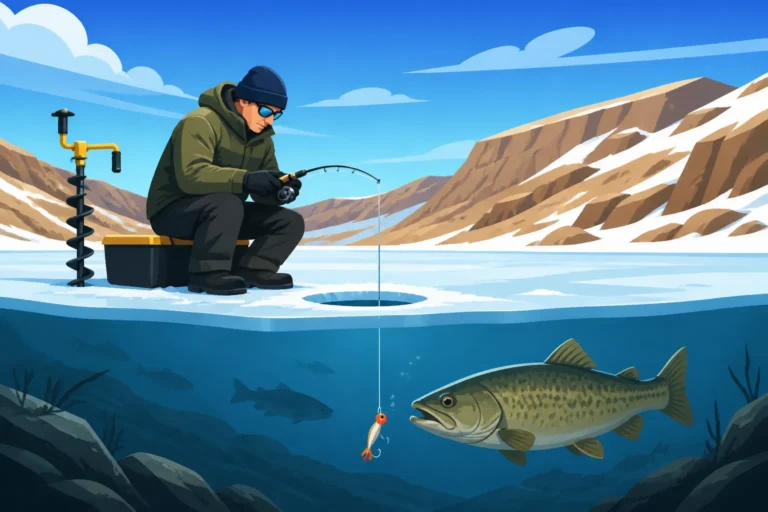
For many anglers in Nevada, the arrival of winter can feel like the end of the fishing season. The thought of cold winds, freezing temperatures, and frozen lakes often sends us indoors, waiting impatiently for spring. But what if I told you that some of the most exciting and productive fishing in the Silver State happens under the ice, particularly for tasty yellow perch? This guide is going to walk you through exactly how to jig for perch in winter, turning those chilly days into thrilling angling adventures.
Understanding Nevada Winter Perch Behavior
When the surface of a Nevada lake or reservoir turns to a solid sheet of ice, it's easy to assume the fish simply go dormant. But that's not quite true, especially for yellow perch. Their behavior shifts, yes, but they remain active and, crucially, catchable. Understanding where they go and what makes them bite is the first step to a successful ice fishing trip.
Where Perch Hide Under the Ice
Think of a frozen lake like a giant, quiet room. The perch don't just swim around aimlessly; they gravitate towards specific areas that offer food, shelter, and comfort. During winter, these areas are often associated with structure and depth changes.
Perch are schooling fish, so when you find one, you often find many. Under the ice, they tend to move to deeper basins, drop-offs, and areas where underwater points or humps create natural current breaks or food traps. Imagine those same weed lines or submerged timber you'd target in open water – they're still there, just covered. However, as the water cools and metabolism slows, perch often concentrate in these deeper zones where temperatures are more stable. They might hug the bottom or suspend just off it. Your sonar will be your best friend here, helping you locate these schools. Places like Wildhorse Reservoir are known for their perch populations, and learning their winter haunts can mean a full bucket.
What Triggers Winter Bites
Unlike the aggressive, chasing bites you might get in warmer months, winter perch bites are often more subtle. Their metabolism has slowed, so they're conserving energy. This means they're less likely to chase a fast-moving bait from a distance. Instead, they're looking for an easy meal right in front of them.
The key to triggering a bite is often a combination of small, subtle movements and the right presentation. Perch are visual predators, even in low light conditions under the ice, so lure color and action matter. Think about what they might be feeding on: small insects, larvae, or tiny baitfish that are also moving slowly. A gentle jigging motion that mimics these natural food sources, followed by pauses, is often what it takes. Sometimes, simply holding the bait perfectly still for several seconds after a few jigs can be the trick. You're trying to appeal to their opportunistic nature, making your offering too enticing and easy to pass up.
Essential Gear for Winter Perch Jigging
Ice fishing for perch doesn't require a massive investment in gear, but having the right tools makes a huge difference in comfort, safety, and success. It's not just about getting a fish through a hole; it's about being prepared for the conditions and having tackle that allows for sensitive detection of those subtle winter bites.
Rods, Reels, and Line Selection
For perch, you want gear that's lightweight and sensitive. This isn't your heavy-duty catfish setup!
- Rods: Opt for a light to ultralight action ice fishing rod, typically 24 to 30 inches long. These shorter rods are ideal for jigging over a hole and provide excellent sensitivity to detect even the slightest tap. The lighter action allows the rod tip to telegraph those faint bites that might otherwise go unnoticed. Brands like Fenwick, Ugly Stik, and Clam offer great ice fishing rod options. You can often find a good selection of specialized ice fishing rods on platforms like Amazon.
- Reels: A small spinning reel (500 or 1000 series) is perfect. It should balance well with your ultralight rod. Smooth drag is crucial for fighting larger perch or incidental catches without breaking your light line.
- Line: This is where many anglers make a mistake. Heavy line will significantly reduce your bite detection and lure action. Stick with 2-4 pound test monofilament or fluorocarbon. Monofilament has a bit of stretch, which can be forgiving, while fluorocarbon offers excellent sensitivity and is nearly invisible in water. Some anglers prefer a very thin braided line with a fluorocarbon leader for maximum sensitivity, especially when fishing deeper. Remember, you're targeting perch, which aren't known for breaking heavy lines. The goal is finesse. For more details, you might want to look into Best line weight for desert reservoir fishing specific to Nevada.
Baits and Lures That Get Results
Winter perch are usually looking for small, compact meals. Your tackle box for perch jigging should reflect this.
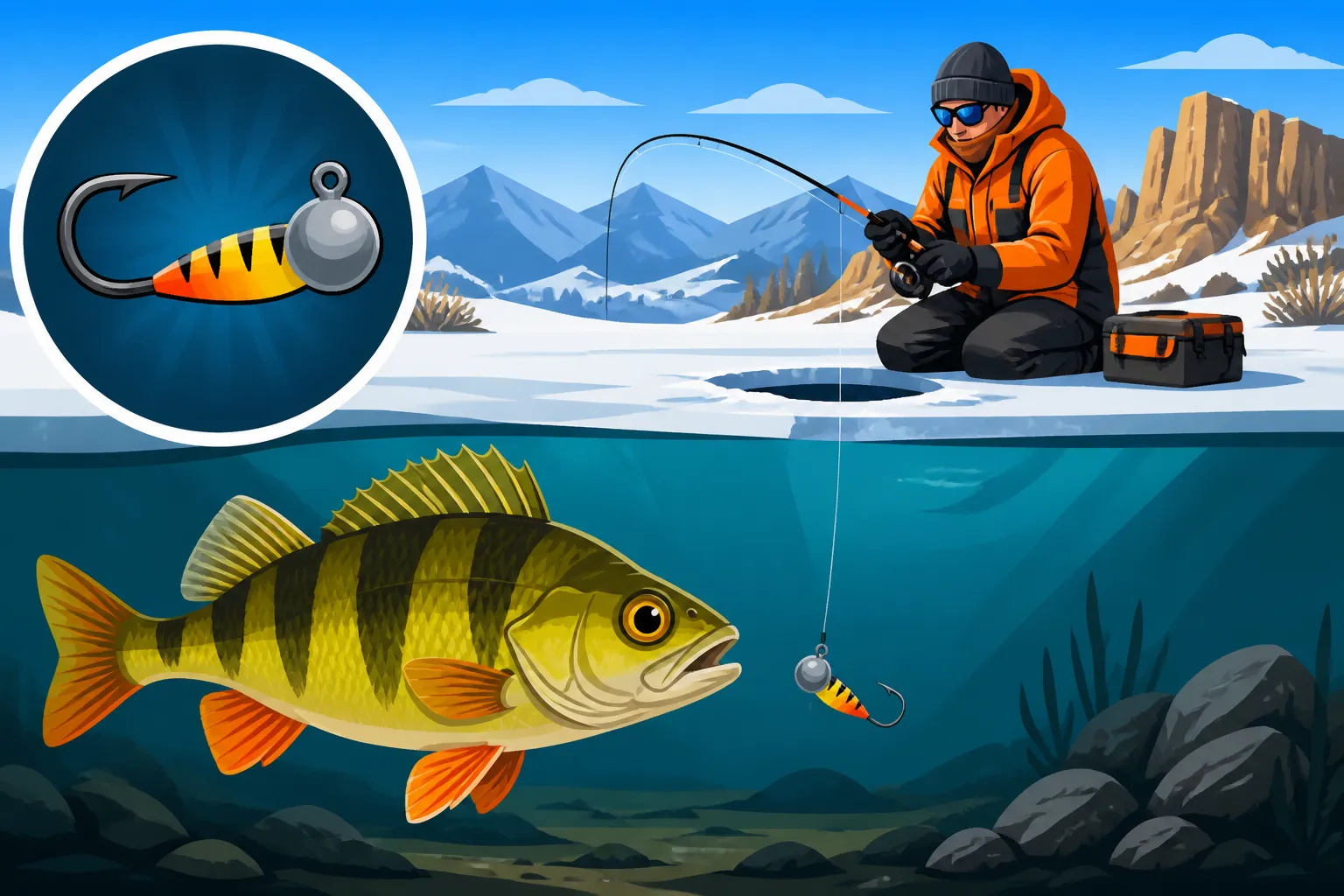
- Jigs: Small tungsten jigs are absolute gold. Tungsten is denser than lead, meaning you can get a smaller profile jig that still drops quickly to the desired depth. Colors like glow-in-the-dark, chartreuse, orange, pink, and natural insect patterns are highly effective. Sizes typically range from 1/32 to 1/16 ounce.
- Small Spoons: Tiny spoon lures, often called "demon" or "flasher" spoons, can also be very productive. Their fluttering action on the drop can attract attention, and they often have a small hook where you can tip it with bait. Again, bright or natural colors work well.
- Live Bait: This is often the secret weapon for fussy perch. Small maggots (wax worms, spikes) or a piece of a small minnow (if legal in your fishing area – always check Nevada Fishing Regulations Explained) tipped on your jig can dramatically increase your hook-up rate. The natural scent and subtle movement of live bait can be irresistible to slow-moving perch. A single maggot or two on a small jig is often all it takes.
- Soft Plastics: Tiny soft plastic baits, often mimicking larvae or small worms, can be threaded onto your tungsten jigs. These offer scent impregnation and a lifelike profile without the mess of live bait.
Critical Ice Fishing Accessories
Beyond your rod and reel, a few key accessories will make your experience safer and more enjoyable.
- Ice Auger: You can't fish without a hole! A hand auger is perfectly fine for perch fishing, especially if you're targeting thinner ice or don't plan to drill many holes. For thicker ice or more holes, a power auger (propane or electric) is a serious time and energy saver. Consider looking into Best Ice Fishing Auger and Shelter for more detailed advice.
- Ice Skimmer/Ladle: Essential for clearing slush and ice chips out of your fishing hole.
- Buckets/Sled: A 5-gallon bucket serves multiple purposes: carrying gear, a makeshift seat, and a place to put your catch. A small sled is fantastic for hauling all your equipment across the ice.
- Sonar/Fish Finder: While not strictly essential, a portable ice fishing sonar unit (often called a flasher) is incredibly helpful. It shows you the bottom, the depth of your lure, and most importantly, when fish are approaching. This takes the guesswork out of locating schools and knowing how they're reacting to your presentation. You don't need the fanciest model; even basic ones are a game-changer.
- Ice Cleats/Creepers: Safety first! These strap onto your boots and provide crucial traction on slippery ice, preventing nasty falls.
- Portable Shelter (Optional but Recommended): An ice fishing shanty or portable hub shelter protects you from the wind and cold, making your day much more comfortable. It also allows you to see your sonar screen better and detect subtle bites in brighter conditions.
Mastering the Jigging Technique
Jigging for perch is an art form. It's not just dropping a line and waiting; it's an active, engaging process that combines technology with subtle lure manipulation. Get it right, and you'll be pulling perch out consistently.
Reading the Sonar and Finding the Fish
Your sonar unit is your eyes under the ice. Before you even drop a line, drill a hole and lower your transducer into the water. Watch the screen. You're looking for the bottom contour, any structure, and most importantly, "marks" that indicate fish.
Perch often appear as solid, distinct marks, sometimes stacked up near the bottom or suspended in a school a few feet off. If you don't see fish after a few minutes, don't waste time. Drill another hole a short distance away (say, 20-30 feet) and check again. This "hole hopping" is critical for finding active schools. Once you locate fish, pay attention to their depth. If they're hugging the bottom, drop your jig right to them. If they're suspended, adjust your depth accordingly. Your sonar will also show you how the fish react to your lure – are they coming up to it? Darting away? This real-time feedback is invaluable for refining your presentation. For more on this, check out Best Fish Finder for Reservoir Fishing.
The Art of the Perch Jig
Once you've found the fish, it's time to work your magic with the jig. Remember, subtlety is key.
- Drop and Detect: Lower your jig until it's just above the fish you see on your sonar, or very near the bottom if they're holding there.
- The "Lift and Fall": This is the classic jigging motion. Lift your rod tip 6-12 inches, then let it fall back down. The key is to let the lure flutter enticingly on the drop. Many bites happen on this fall.
- Pauses are Crucial: After a few lifts and falls, pause for 5-15 seconds. Often, a curious perch will investigate during the active jigging but commit to the bite during the pause when the lure is sitting still.
- "Deadsticking": Sometimes, the fish are incredibly finicky. Try dropping a second rod (if legal and you have a second hole) with a deadstick presentation: a small hook tipped with a maggot, suspended motionless. The movement of your jigging rod can attract them, and the deadstick offers an easy meal.
- Experiment: Don't be afraid to vary your retrieve. Try tiny twitches, faster lifts, longer pauses, or different lure colors until you find what the fish are responding to on that particular day. Every day, and sometimes every hour, can be different.
Setting the Hook and Landing Your Catch
Winter perch bites can be incredibly light, feeling like a slight pressure, a tick, or sometimes just a slight "mushy" feeling. This is where your sensitive ultralight rod comes into play.
- The "Feel": Pay close attention to your rod tip. If it twitches, bends slightly, or simply feels "off," set the hook! Don't wait for a huge yank.
- Setting the Hook: Use a quick, sharp upward snap of the wrist. Because you're using light line and small hooks, a powerful, sweeping hookset isn't necessary and can actually break your line or tear the hook out.
- Bringing Them Up: Once hooked, retrieve steadily. Don't pump the rod too much; keep constant pressure to prevent slack in the line, which can lead to lost fish. As the fish approaches the hole, be ready to grab it quickly. Their fins can sometimes get caught on the edge of the ice.
- Handling and Release: If you plan to release fish, handle them gently. Get them back into the water as quickly as possible. If keeping them, a quick dispatch and into the bucket or cooler will keep them fresh. When you're ready to pack up, consider Best storage solutions for fishing gear to keep everything organized.
Safety First: Ice Fishing in Nevada
Ice fishing can be incredibly rewarding, but it comes with inherent risks, especially in Nevada where ice conditions can vary wildly. Safety should always be your top priority, above catching any fish. Ignoring ice safety rules can have severe, even fatal, consequences. Many lakes like Wildhorse Reservoir can offer good ice, but conditions are never guaranteed. It's crucial to understand Is ice fishing safe on Nevada lakes? before venturing out.
Assessing Ice Thickness
This is the single most critical aspect of ice safety. There's no magical "safe" date; ice conditions are entirely dependent on local weather, water currents, and underlying structure.
- Minimum Thickness: As a general rule, you need at least 4 inches of clear, solid new ice for a single person on foot. Double that (8 inches) for a small group or snowmobile. For light vehicles (trucks/ATVs), you're looking at 12-15 inches, but always consider the weight distribution. Never assume ice is safe because others are on it.
- Check as You Go: Always check ice thickness as you venture out. Use an ice chisel, spud bar, or even your auger to drill test holes every 10-15 feet as you walk. Don't rely on visual inspection alone; snow can insulate thin ice, and clear, black ice is usually stronger than milky or cloudy ice.
- Know the Dangers: Avoid areas near inlets, outlets, bridges, or any areas with moving water or springs, as these will have thinner ice. Cracks, pressure ridges, and slushy spots are also warning signs. Always wear a float suit or at least carry ice picks around your neck, ready to use in case of a fall through.
Preparation for Cold Weather Conditions
Nevada winters, especially at higher elevations, can be brutally cold. Being unprepared for the elements can quickly turn a fun day into a dangerous situation.
- Layer Up: Dress in multiple layers. Start with a moisture-wicking base layer, add insulating layers (fleece, down), and finish with a waterproof and windproof outer shell. This allows you to adjust your clothing as your activity level or the temperature changes. Don't forget a warm hat (most body heat is lost through the head), gloves or mittens, and insulated, waterproof boots.
- Stay Hydrated and Fueled: Cold weather burns a lot of calories. Bring plenty of water (in an insulated bottle to prevent freezing) and high-energy snacks like granola bars, nuts, or sandwiches. Warm drinks like coffee or hot chocolate in a thermos are also a welcome treat.
- Bring Safety Gear: Beyond ice cleats and picks, carry a fully charged cell phone, a first-aid kit, a whistle (to call for help), and a rope. If you're going out alone, always tell someone where you're going and when you expect to return. Consider a portable shelter for warmth and wind protection, as discussed in Best Ice Fishing Auger and Shelter.
- Buddy System: Never go ice fishing alone. A partner can provide assistance in an emergency and share in the fun.
By understanding perch behavior, equipping yourself with the right gear (which you can easily find on Amazon or at local tackle shops), mastering subtle jigging techniques, and prioritizing safety above all else, you'll discover that winter fishing in Nevada offers some of the most exciting and delicious opportunities of the year. So bundle up, grab your auger, and hit the ice – those perch are waiting!
Disclaimer
This article is for general informational purposes only and does not constitute professional advice. Laws, prices and regulations vary by location and change over time. Consult a qualified professional for guidance on your specific situation.