How to catch a wiper hybrid bass
There's a special thrill that comes from battling a truly strong fish, and for many Nevada anglers, the wiper hybrid bass delivers that fight and then some. These hard-hitting fish can be elusive, making it incredibly frustrating when you know they're in the water but just can't get them to bite. If you've been wondering how to crack the code on these feisty hybrids, this comprehensive guide will equip you with the knowledge and techniques to find and land wiper hybrid bass in the Silver State.
Understanding the Wiper Hybrid Bass
Wiper hybrid bass are a fantastic sport fish, known for their aggressive strikes and powerful runs. They're a cross between a striped bass and a white bass, combining the best fighting qualities of both parents. This hybrid vigor makes them grow fast and fight hard, offering an exciting challenge for any angler. But before you can catch them, it helps to understand what makes them tick and where they like to hang out.
Wiper Biology and Characteristics
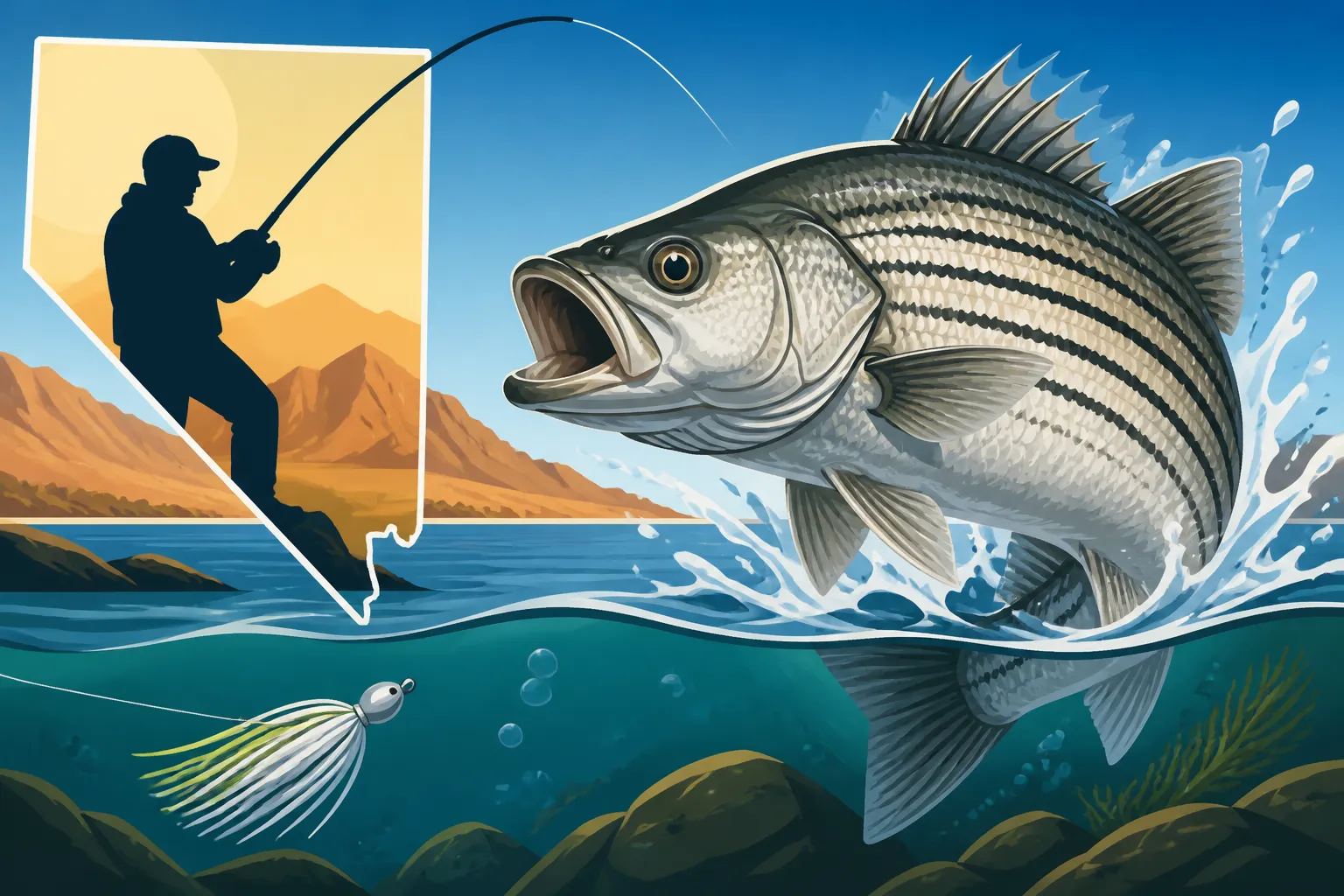
Wipers possess a unique blend of features from their parent species. They typically have a more robust body shape than a pure white bass, but not quite as elongated as a striped bass. Their most distinguishing feature is the broken or interrupted stripes along their silvery sides. Unlike the distinct, unbroken stripes of a true striped bass, a wiper's stripes often appear disjointed, especially below the lateral line, or may fade towards the tail. This can be a critical detail when you're trying to identify your catch and ensure you're within local regulations. They are also known for their powerful, forked tails, which are the engine behind their incredible fighting ability. When you hook one, you'll immediately know it's not your average panfish!
Knowing the difference is important, especially when dealing with specific limits or regulations that might apply to one species over the other. If you're curious to learn more about fish identification, our guide on Wiper Hybrid Bass Identification offers a deeper dive into their physical traits. These fish are typically sterile, meaning they don't reproduce naturally. This is why fisheries management agencies, like the Nevada Department of Wildlife (NDOW), stock them in various reservoirs to provide diverse fishing opportunities and help control forage fish populations.
Where Wipers Thrive in Nevada
Nevada might be known for its desert landscapes, but we have some incredible reservoirs where wipers absolutely flourish. These open-water predators love large impoundments with plenty of baitfish, like shad. While their presence can vary, you'll often find wipers in some of Nevada's most popular larger reservoirs. Locations such as Rye Patch Reservoir Fishing in the western part of the state and certain areas of Lake Mohave Nevada Fishing Guide and even Lake Mead Nevada Fishing Guide are known to hold good populations of these hard-fighting fish.
They tend to cruise in open water, often schooling up to ambush baitfish. Finding these schools is half the battle, and it often means covering a lot of water. Look for areas with current, points, humps, or submerged structures where baitfish might concentrate. The NDOW sometimes provides stocking reports, which can give you clues as to where they've introduced wipers, though mature fish will roam far and wide. Understanding Where to catch a wiper in Nevada specifically can give you a significant advantage on your next outing.
Essential Gear and Tackle for Wipers
Wipers hit hard and fight dirty, so you'll want to make sure your gear is up to the task. Skimping on tackle when targeting these fish can lead to frustrating break-offs and lost fish. Think robust, reliable, and strong.
Rod and Reel Setup
For wipers, a medium-heavy to heavy action spinning rod or baitcasting setup is usually ideal. You want a rod with enough backbone to set a hook firmly into their tough mouths and to control a powerful fish trying to run to cover. A length of 6'6" to 7'6" is generally versatile enough for both casting and trolling applications. If you're mostly fishing from the bank, a slightly longer rod can help with casting distance.
Pair your rod with a reel that has a smooth, strong drag system and a decent line capacity. For spinning reels, something in the 3000-5000 size range is a good starting point. For baitcasting reels, a 200 or 300 size is often suitable. Many anglers start their search for robust tackle on Amazon, where you can compare different brands and reviews. A reliable drag is crucial because wipers will make strong, sudden runs, and a sticky drag can lead to snapped lines or pulled hooks.
Top Lures and Baits
Wipers are opportunistic predators, and they'll chase down a variety of offerings. The key is often to "match the hatch" – meaning, use lures or baits that resemble what they're naturally feeding on, which is often shad or other small baitfish.
- Spoons: Casting spoons like Kastmasters or Little Cleos, especially in chrome, silver, or blue/silver patterns, are incredibly effective. They mimic injured baitfish and can be cast a long distance.
- Jigs: Heavy jigging spoons or bucktail jigs can be deadly when wipers are schooling deep or feeding on the bottom. Vertical jigging them directly below the boat can entice strikes. Our guide on How to jig for striped bass at Lake Mead offers techniques that are very applicable to wipers.
- Swimbaits: Soft plastic swimbaits, particularly those with a paddle tail, rigged on a weighted swimbait hook, are fantastic. Choose colors like white, pearl, shad, or chartreuse.
- Crankbaits: Deep-diving crankbaits or lipless crankbaits in shad patterns are excellent for covering water, especially when trolling or fan-casting.
- Live Bait: If legal in your chosen waterway (always check regulations!), live shad, shiners, or even large minnows can be irresistible to wipers. Rig them under a bobber or on a bottom rig. You can often find suitable live bait at local tackle shops, but sometimes specific lures that mimic these, easily found on Amazon, are all you need.
Finding the right lure can often feel like a treasure hunt, but these go-to options will get you started. Remember, confidence in your lure choice can often make a big difference.
Line and Terminal Tackle
Given the powerful fights wipers put up, line strength is paramount. I recommend using 15-20 lb monofilament or fluorocarbon as a main line, or even better, 30-50 lb braided line with a 15-25 lb fluorocarbon leader. Braided line offers superior sensitivity and strength for its diameter, allowing you to feel subtle bites and muscle fish out of cover. The fluorocarbon leader provides abrasion resistance and is less visible in the water.
When it comes to terminal tackle, strong, sharp hooks are a must. Wipers have bony mouths, and a dull hook will often just bounce off. Use quality snap swivels to prevent line twist, especially when casting spoons or trolling, and ensure all your knots are tied correctly and cinched down tight. These small details can make a huge difference between landing a trophy and telling a tale of "the one that got away." For those fishing with bait, a stout circle hook can often improve hook-ups and reduce gut-hooking.
Proven Techniques for Catching Wipers
Catching wipers isn't just about having the right gear; it's about employing the right strategies to find them and present your lure effectively. These fish are often on the move, so being adaptable is key.
Locating Wiper Schools
Wipers are schooling fish, often found chasing baitfish in open water. The most effective way to locate them is often with a good fish finder. Look for large schools of baitfish, often appearing as dense clouds or balls on your sonar screen, with larger arcs (the wipers themselves) lurking around or just below them. Pay attention to sudden changes in depth, submerged humps, points extending into the main lake, or channels. These are natural ambush points for schooling predators.
Another tell-tale sign of active wipers is surface activity. If you see birds diving or frantic baitfish splashing on the surface, chances are you've found a school of wipers actively feeding in a "boil." This is when the action can be fast and furious! Approach these boils cautiously so as not to spook the fish, and be ready to cast quickly. For a deeper understanding of underwater electronics, check out our guide on the Best Fish Finder for Reservoir Fishing.
Trolling and Casting Strategies
Whether you're fishing from a boat or the bank, covering water is crucial for wipers.
From a Boat:
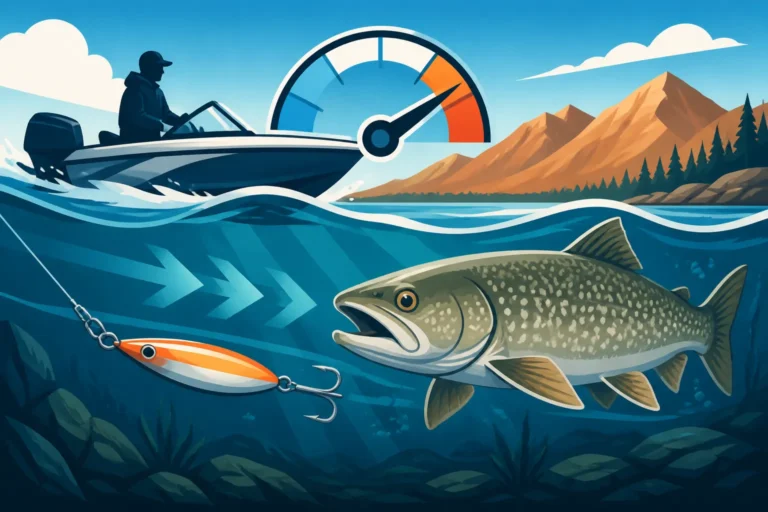
- Trolling: This is one of the most effective ways to find actively feeding wipers in open water. Use crankbaits or deep-diving spoons that run at varying depths until you find the strike zone. Vary your speed until you start getting bites; sometimes a faster retrieve triggers a reaction strike. Pay close attention to your fish finder while trolling to identify productive depths and structures.
- Casting to Boils: When you spot surface activity, motor quietly to a good casting distance, cut your engine, and cast spoons, swimbaits, or topwater lures directly into the commotion. Retrieve quickly, mimicking a fleeing baitfish. The bites can be explosive!
From the Bank:
- Fan Casting: If you're shore fishing, use a long rod to fan cast spoons or swimbaits across a wide area. Concentrate your efforts around points, inlets, or any structure that might hold baitfish. A good pair of polarized sunglasses, available on Amazon, can help you spot baitfish or even cruising wipers in clearer water.
- Bottom Rigs: If wipers are holding deeper, a Carolina rig with a soft plastic swimbait or live bait can be effective. Cast it out, let it sink to the bottom, and slowly drag it back, occasionally pausing.
- Slip Bobber Rigs: For live bait presentations, a slip bobber rig allows you to present your bait at a precise depth, which can be critical if wipers are suspended at a certain level.
Bank Fishing for Wipers
Don't let the idea of open-water fish deter you from bank fishing for wipers. While boats offer more mobility, dedicated shore anglers can absolutely find success. Focus on areas where deep water is accessible from the bank, like long points, dam faces, or rocky outcrops. These spots often attract baitfish, which in turn attract wipers. Early morning and late evening tend to be prime times, as wipers might move closer to shore to feed.
Consider using heavier casting spoons that allow for long casts to reach deeper water or active schools further out. A sturdy rod holder and a comfortable chair can make a long day of bank fishing much more enjoyable. Remember to be patient and keep casting; wipers can cruise through an area quickly. For insights into general shore fishing, consider reading Best lake in Nevada for shore fishing without a boat.
Optimal Conditions and Times for Wiper Fishing
Like all fish, wipers have preferred conditions. Understanding these can significantly increase your chances of a successful outing.
Seasonal Movements and Patterns
Wipers' behavior changes throughout the year, largely influenced by water temperature and baitfish movements.
- Spring: As water temperatures rise, wipers become more active. They'll often follow baitfish into shallower coves and points, making them more accessible. This can be a fantastic time for both casting and trolling.
- Summer: When the scorching Nevada summer hits, wipers tend to move deeper to find cooler, more oxygenated water. They might still come to the surface for early morning or late evening boils. Night fishing can also be productive as they become more active when the sun is down. Our guide on Best time of day to catch bass in summer heat has transferable advice.
- Fall: This is often considered one of the best times for wiper fishing. As water temperatures cool, baitfish move into shallower areas to feed before winter, and wipers follow them aggressively. Look for active feeding frenzies.
- Winter: Wipers will slow down in colder water and often congregate in deep holes or channels, becoming less active. Vertical jigging or slow trolling with deep-diving lures can still tempt them.
Knowing Best time to target wipers in a reservoir often comes down to these seasonal movements and understanding what the baitfish are doing.
Best Time of Day and Weather
Wipers are generally most active during low light conditions, such as dawn and dusk. These are often the times when baitfish are most vulnerable, and wipers take advantage. On overcast days, they might remain active throughout the day, as the reduced light penetration makes them feel more secure. Clear, sunny days can push them deeper, requiring different tactics.
Wind can also play a role. A moderate chop on the water can break up light penetration, making wipers more comfortable in shallower water, and also concentrates baitfish, creating feeding opportunities. However, too much wind can make boat control difficult and casting a nightmare. Always check the weather forecast before heading out, not just for safety but also to anticipate fish behavior.
Handling and Releasing Wipers
Wipers are strong fish, and handling them properly after a fight is important, especially if you plan to release them. Their powerful jaws can be surprising, so be careful when unhooking. Use a good pair of pliers or a dehooking tool to remove hooks quickly and efficiently. If you plan to keep a wiper, ensure it meets all size and bag limits for the specific body of water you're fishing.
If releasing, try to keep the fish in the water as much as possible. Support its body horizontally, avoiding hanging it vertically by the jaw or gills. Allow it to revive in the water, holding it gently until it's strong enough to swim away on its own. These practices ensure the fish can continue to provide exciting fishing opportunities for others. To learn more about responsible angling, you might find our article on Catch and Release Techniques for Trout helpful, as many principles apply across species.
| Wiper Fishing Technique | Best Conditions | Lure/Bait Examples | Notes |
|---|---|---|---|
| Trolling | Open water, all seasons | Deep crankbaits, spoons, swimbaits | Great for covering water and finding active schools. Vary speed. |
| Casting to Boils | Surface activity, low light, spring/fall | Spoons, topwater, swimbaits | Fast-paced, explosive strikes. Approach quietly. |
| Vertical Jigging | Deep water, summer/winter, suspended fish | Heavy spoons, bucktail jigs | Effective for fish located with electronics. |
| Bank Fishing (Casting) | Points, deep access from shore, all seasons | Long-casting spoons, swimbaits | Fan cast wide, especially at dawn/dusk. |
| Live Bait Fishing | Any time, especially when fish are less active | Shad, shiners, minnows | Check local regulations for bait use. Use stout hooks. |
Disclaimer
This article is for general informational purposes only and does not constitute professional advice. Laws, prices and regulations vary by location and change over time. Consult a qualified professional for guidance on your specific situation.