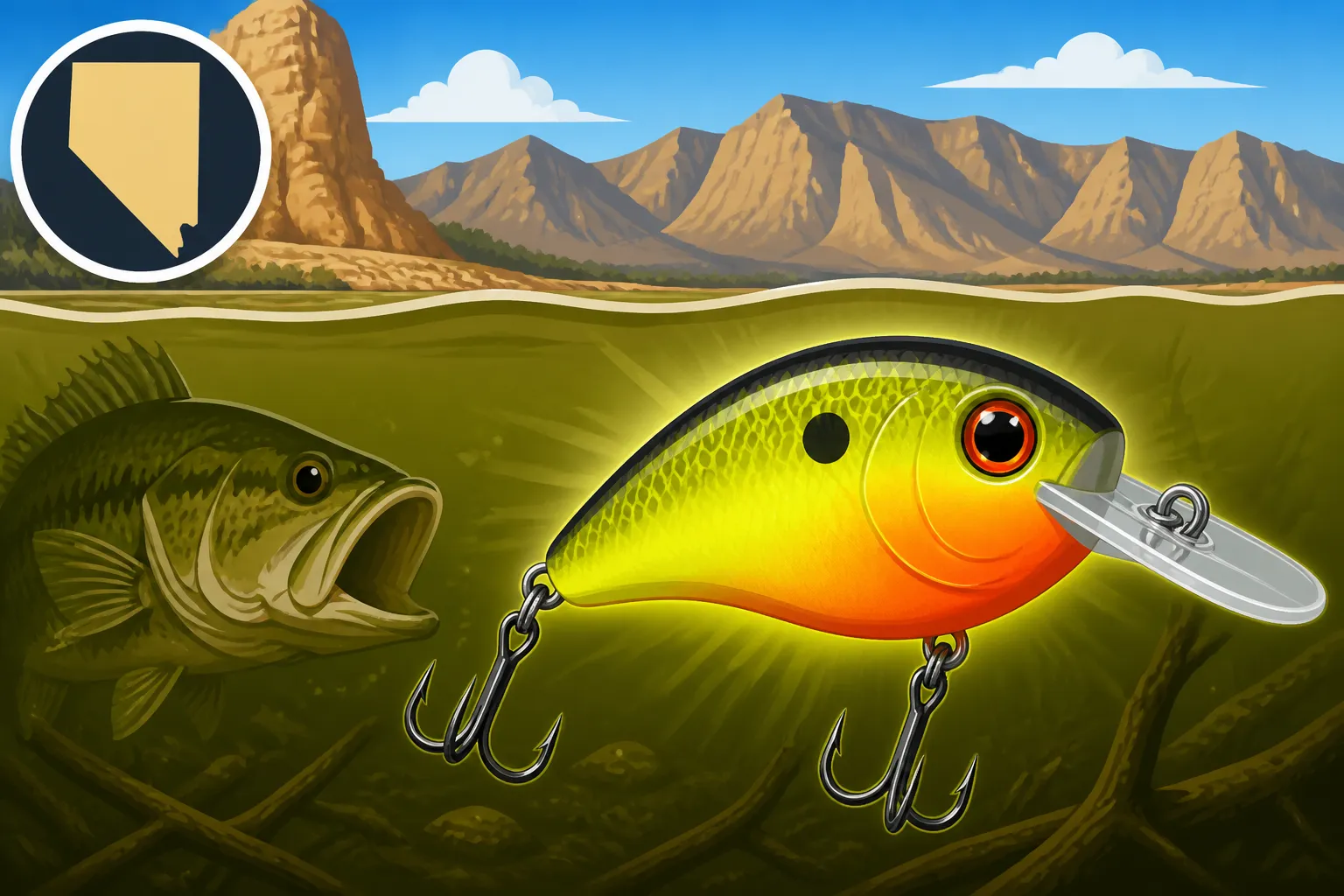
Best crankbait color for stained water
We’ve all been there: you arrive at your favorite fishing spot in Nevada, full of anticipation, only to find the water isn't quite as clear as you hoped. Maybe a recent storm has churned up sediment, or heavy runoff has brought a milky hue to the reservoir, leaving you wondering how on earth a fish is supposed to see your lure in that murky mess. This guide is here to help you navigate those challenging stained water conditions, specifically focusing on how to pick the perfect crankbait color to still entice those elusive bites.
Understanding Stained Water Conditions in Nevada
Stained water isn't just "dirty" water; it's a specific type of clarity issue that impacts how light penetrates the water column and, consequently, how fish perceive their prey. In Nevada, stained water can manifest in several ways, from the muddy runoff often seen after a heavy downpour on Lake Mead or the Colorado River, to the milky green tint of an algal bloom in a nutrient-rich pond, or even the tannic tea-stained appearance in some slower-moving rivers or high-desert reservoirs with vegetation.
When water is stained, light scatters differently. Instead of clear, crisp visibility, objects appear diffused and outlines are softened. For us anglers, this means our natural-colored lures that mimic baitfish perfectly in clear water might simply vanish into the murk. For the fish, their predatory instincts shift. They rely less on sight and more on other senses like their lateral line (which detects vibrations) and smell. This fundamental change in how fish hunt dictates a completely different strategy for lure selection, especially when it comes to color.
What Causes Stained Water?
Understanding the cause of the stain can sometimes give you clues about how fish are behaving. For instance, a quick rainstorm might kick up a lot of red clay in a desert reservoir, making the water a muddy brown. This often happens in areas surrounding Lake Mead Nevada Fishing Guide after monsoon season. Fish in these conditions might be disoriented but still actively feeding on anything that presents a strong visual or vibrational presence. On the other hand, an algal bloom, which gives water a green, cloudy appearance, often signifies warmer water temperatures and a different feeding pattern.
Heavy snowmelt runoff, particularly in northern Nevada rivers like the Truckee River Fishing Near the Nevada Line, can also bring sediment and a cloudy, gray appearance. In these scenarios, the water might also be colder and faster-moving, affecting both fish activity levels and how far they're willing to move to strike a lure. High winds can also contribute to stained water by churning up shallow, silty bottoms, turning once-clear coves into opaque feeding grounds. Each of these scenarios presents a unique challenge, but the core principle remains: you need a color that can cut through the murk and get noticed.
How Stained Water Affects Fish Behavior
When water clarity drops, fish don't just stop feeding; they adapt. Their vision, while still important, takes a backseat to their other senses. The lateral line, which runs along the sides of most fish, becomes a crucial tool for detecting vibrations, movement, and pressure changes in the water. This means a crankbait with a strong wobble and internal rattles can be a huge advantage. They might also become more territorial and react to an invading lure with aggression rather than hunger.
Furthermore, fish in stained water tend to hold tighter to cover, like submerged brush, rock piles, or ledges, where they can ambush prey more effectively in reduced visibility. They might also move shallower, where there's still some ambient light, even if it's diffuse. This change in behavior means not only choosing the right color but also presenting that color in a way that maximizes its visibility and vibrational presence in their immediate vicinity. They're less likely to chase a lure from a distance, so getting your crankbait into the strike zone is paramount.
Top Crankbait Colors for Nevada's Stained Waters
When facing stained water, your goal with crankbait color is to create maximum contrast and visibility. You want a color that screams "I'm here!" rather than subtly blending in. This often means abandoning the ultra-realistic patterns that work so well in clear water and embracing colors that are more vibrant, fluorescent, or create a strong silhouette.
Fluorescent and High-Contrast Colors
These are your bread and butter for stained conditions. Colors like chartreuse, firetiger, and bright oranges are exceptionally good at absorbing and reflecting whatever limited light is present in murky water. They essentially "pop" visually, making them much easier for fish to spot from a distance.
- Chartreuse: This vibrant yellowish-green is a universal stained-water slayer. It has an incredible ability to glow even in low light, making it a favorite for bass, crappie, and even some trout species in Nevada's murkier reservoirs and ponds. It stands out against almost any backdrop, whether it's muddy brown, silty gray, or green with algae. Many anglers swear by a solid chartreuse or a chartreuse back with a white belly.
- Firetiger: A classic for a reason, firetiger combines chartreuse, orange, and black stripes. The black stripes provide incredible contrast, helping to break up the lure's profile and create a more pronounced silhouette. The combination of bright, attention-grabbing colors ensures it gets noticed, even when visibility is only a few inches. This pattern is particularly effective for active fish in a feeding mood.
- Bright Orange/Red: Don't underestimate the power of pure orange or red, especially for fish like bass that feed aggressively. These colors can mimic crawfish, a primary food source in many Nevada waters, particularly after a rain event that might wash them out of their hiding spots. The strong, solid color presents a clear target in low visibility.
Dark and Silhouetted Patterns
While bright colors aim to stand out with vibrancy, dark colors work by creating a strong, unambiguous silhouette against the lighter sky above. This is a crucial concept, especially on overcast days or in very deep, dark stained water where even fluorescent colors struggle to reflect light.
- Black/Blue: This combination is an absolute killer in extremely stained or muddy water, and even in low light conditions such as dawn, dusk, or under heavy cloud cover. The black provides the stark silhouette, while the blue offers just a hint of color that can be perceived. It often mimics larger baitfish or even crawfish, and the strong contrast ensures it's easily detectable against the lighter water surface when viewed from below. When fish can't see much, a clear, dark shape moving through their territory can trigger an aggressive reaction. You'll often find these colors in Best Lures for Nevada Bass.
- Solid Black: Sometimes, simplicity is key. A solid black crankbait provides the ultimate silhouette. There's no mistaking its shape against the surface, even in the murkiest of conditions. This color is especially potent in urban ponds or highly pressured waters where fish have seen every other color imaginable. It can trigger reaction strikes from hesitant fish.
Table of Best Crankbait Colors for Stained Water
To help visualize these options, here's a quick reference table for your stained-water crankbait arsenal:
| Color Type | Primary Colors | Why it Works in Stained Water | Best for What Conditions | Typical Fish Species |
|---|---|---|---|---|
| Fluorescent/High-Contrast | Chartreuse, Green, Yellow | High visibility; reflects available light effectively; grabs attention. | Moderately stained, murky, or greenish algal blooms. | Bass, Trout, Crappa |
| Firetiger | Chartreuse, Orange, Black | Excellent contrast; vibrant and broken pattern; mimics baitfish. | Moderately to heavily stained water, active feeding periods. | Bass, Walleye, Pike |
| Bright Orange/Red | Orange, Red | Strong visual presence; mimics crawfish or distressed bait. | Muddy water, post-rain runoff, bottom-feeding scenarios. | Bass, Catfish |
| Dark/Silhouetted | Black, Blue, Purple | Creates strong silhouette against the surface; visible from below. | Heavily stained, very muddy, low light (dawn/dusk/overcast). | Bass, Stripers |
You can find a wide array of these specialized crankbaits on platforms like Amazon, making it easy to stock up for your next outing.
Factors Beyond Color for Stained Water Success
While color is undeniably important, it's only one piece of the puzzle. In stained water, you need to think about how fish locate your lure using all their senses. Focusing solely on color and ignoring other critical factors will limit your success. Many of these principles apply broadly across How to Fish for Bass in Nevada and How to Fish for Trout in Nevada.
Action and Vibration
This is paramount in low visibility. Fish rely heavily on their lateral line to detect vibrations in the water, which helps them locate prey.
- Aggressive Wobble: Choose crankbaits with a wide, aggressive wobble. This displaces more water and sends out stronger vibrations that fish can feel from a greater distance. Think about how a hungry predator might use its sense of vibration to home in on struggling prey.
- Rattles: Crankbaits with internal rattles are a huge advantage. The noise they create travels well through stained water, further alerting fish to the lure's presence. Some crankbaits have multiple rattles, creating a symphony of sound that can be irresistible to an aggressive bass or striper. Don't be shy about choosing a "noisy" lure in these conditions.
Lure Size and Profile
The size and shape of your crankbait can also make a big difference. In clear water, smaller, more natural profiles often work best, but stained water calls for something a bit more substantial.
- Larger Profile: A larger crankbait creates a bigger silhouette and displaces more water, making it easier for fish to see and feel. While you don't always need to go to giant lures, opting for the larger end of your typical crankbait size range is often a good strategy in stained conditions.
- Chunky Bodies: Lures with a fatter, chunkier body will generally have a more pronounced wobble and create more vibration than sleek, slender models. This increased hydro-dynamic disruption is exactly what you want when fish can't rely on sight alone.
Retrieve Speed and Depth
How you work your crankbait can be just as important as its physical characteristics. Your retrieve needs to match the conditions and the fish's mood.
- Slower Retrieve, Deeper Presentation: In colder, stained water, fish might be less active. A slower retrieve allows them more time to locate and commit to the lure. In warmer, stained water, a faster retrieve can trigger reaction strikes. Experiment to find what works.
- Contact with Cover: Since fish in stained water often hold tight to cover, try to make your crankbait "hunt" and deflect off structure like rocks, logs, or brush piles. The sudden change in direction and vibration can trigger an immediate strike from an otherwise lethargic fish. Getting down to the right depth where the fish are holding is critical, which means understanding the diving capabilities of your chosen crankbait.
Practical Tips for Choosing and Using Crankbaits in Stained Water
Even with the right colors and characteristics, fishing stained water can be tricky. Here are some practical tips to help you maximize your success and make informed decisions on the water.
Observe and Adapt
Nevada's diverse waters, from the high desert reservoirs to urban ponds, mean that "stained water" isn't a one-size-fits-all scenario. The color and type of stain can vary wildly. Is it muddy, cloudy, tannic, or algae-ridden?
- Check Clarity Often: Always start by checking the water clarity. Use a boat paddle, your hand, or even just watch your lure as it disappears. If you can only see a foot or less, you're in heavily stained territory. If you can see a couple of feet, it's moderately stained. This initial assessment will guide your color choices.
- Start with a Known Performer: When in doubt, tie on a firetiger or chartreuse. These colors are universally effective in most stained water situations. If those aren't getting bites, then consider switching to darker, silhouetted patterns like black and blue. Remember, what worked yesterday might not work today due to changes in light, weather, or the stain itself. Be prepared to switch colors frequently until you crack the code.
The Role of Scent
In severely stained conditions, when fish are relying heavily on their lateral line and sense of smell, adding scent to your crankbait can give you a significant edge.
- Scent Application: Many anglers use commercially available scents (gels, sprays, or dyes) designed to attract fish. Apply them directly to your crankbait, paying attention to areas where they can adhere and slowly disperse in the water. This creates an additional sensory cue that can draw fish in, especially if they are hesitant to strike based on sight or vibration alone. Some anglers even use garlic spray or other strong-smelling attractants.
- Frequency: Reapply scent periodically, especially after a few casts or if you've caught a fish. The more scent trail you leave, the better your chances of getting a response from fish that might be moving slowly or holding tight to structure.
Experiment with Retrieve and Location
Even the perfect color won't catch fish if you're not presenting it correctly or in the right spots. Fish in stained water often behave differently than in clear conditions.
- Vary Retrieve Speed: Don't just cast and retrieve at a steady pace. Experiment with different speeds. Try burning the lure, then pausing. Try a stop-and-go retrieve. The erratic action can mimic a distressed baitfish, which often triggers reaction strikes. Sometimes, a super slow crawl is all it takes for a hesitant fish to commit.
- Target Cover and Edges: As mentioned, fish in stained water are often tighter to cover. Cast your crankbait precisely to those submerged trees, rock piles, dock pilings, or sharp drop-offs. Also, pay attention to transition zones where stained water meets slightly clearer water – these "seams" can be ambush points for predatory fish. During different Nevada Fishing Seasons by Month, fish might position themselves differently, even in stained water.
- Consider Light Conditions: Overcast days or early morning/late evening often mean fish are more active and willing to chase, even in stained water. On bright, sunny days, fish might push deeper or remain tighter to cover, requiring a more precise presentation. Keep an eye on the sky and adjust your tactics accordingly. Understanding how light penetrates the water column can also inform your choices. For instance, on a bright sunny day, a dark silhouette might be even more pronounced against the bright surface when viewed from below.
By combining the right crankbait color with attention to vibration, profile, and presentation, you'll be well-equipped to tackle stained water conditions in Nevada and significantly increase your chances of a successful day on the water. Don't let murky water deter you; often, it holds some of the most aggressive and exciting bites!
Disclaimer
This article is for general informational purposes only and does not constitute professional advice. Laws, prices and regulations vary by location and change over time. Consult a qualified professional for guidance on your specific situation.