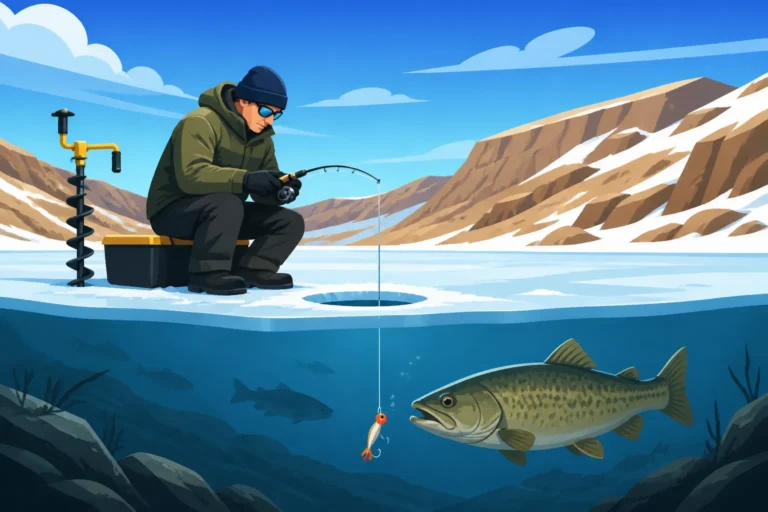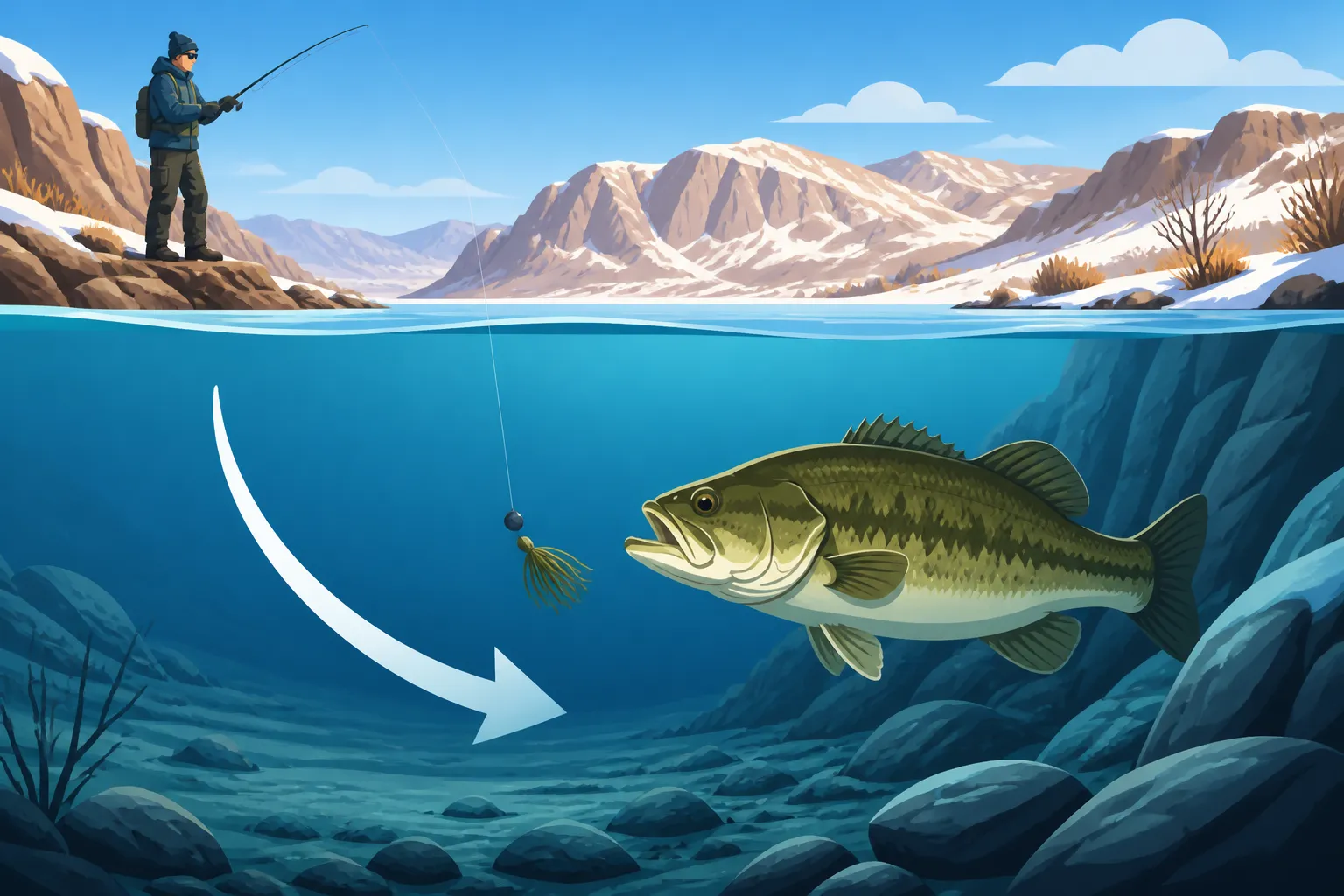
How deep bass go in winter
The biting chill of a Nevada winter can make even the most dedicated angler wonder if it's worth bundling up and heading out. The common frustration is that those lively bass that were so active in the warmer months seem to vanish entirely, leaving you to question if they've packed up and moved to a warmer state. But don't despair! Bass are still in our Nevada waters; they've simply adjusted their behavior to the cold, often seeking out specific depths. This guide will dive deep into understanding where bass retreat during the winter months, helping you crack the code to consistent cold-weather success.
Understanding Winter Bass Behavior in Nevada Lakes
Winter fishing for bass in Nevada is a completely different ballgame than the spring or fall. It's less about chasing frenzied schools and more about precise presentations to lethargic fish. The key to finding them often lies in understanding how their bodies react to plummeting water temperatures.
The Cold Water Metabolism Slowdown
Imagine trying to run a marathon in freezing cold water – you wouldn't be very fast or enthusiastic, right? The same principle applies to bass. As the water temperature drops in our Nevada reservoirs and ponds, a bass's metabolism slows down significantly. This isn't just a minor tweak; it's a fundamental shift in their biology. Their need for food decreases drastically, and their movements become sluggish. They conserve energy, making quick, aggressive chases after prey a rarity.
This metabolic slowdown means that bass aren't going to expend much energy pursuing a fast-moving bait. They're looking for an easy meal, something that presents itself right in front of their faces and requires minimal effort to ambush. This change in behavior is why your summertime tactics often fall flat during winter. You need to adjust your approach to match their slower pace, focusing on slower retrieves and more subtle presentations. If you're used to casting and reeling quickly, winter fishing forces you to slow down, be patient, and truly feel what's happening at the end of your line.
Why Bass Go Deep and Sometimes Don't
The prevailing wisdom is that bass go deep in winter, and for good reason. Deeper water acts as a thermal buffer, meaning its temperature remains more stable than the shallower zones, which fluctuate much more with air temperature changes. This stability provides comfort for cold-blooded bass. Additionally, many baitfish, which bass prey upon, also seek out these deeper, more stable environments, offering a convenient food source, albeit a less actively pursued one. So, when the water gets truly frigid, bass will often congregate on deep structure where they can find both thermal refuge and a concentrated food supply.
However, it's not always a hard and fast rule that bass go super deep. On those surprisingly warm, sunny winter days in Nevada, especially in the afternoon, shallower areas that receive direct sunlight can warm up by a few degrees. These subtle temperature bumps can pull bass shallower, sometimes into depths of 10-20 feet, particularly if there's cover like rock piles or submerged timber for them to hide in. This is especially true in smaller bodies of water. Knowing that these opportunities exist means you shouldn't always assume the bass are at rock bottom; sometimes, a slight change in conditions can make them temporarily more accessible in slightly shallower water. This dynamic often makes Nevada Fishing Seasons by Month a complex puzzle to solve, but that's part of the fun!
Prime Winter Depths for Bass in Nevada's Reservoirs
Determining the exact depth where bass will hold in winter is a combination of understanding the specific body of water, monitoring conditions, and using your electronics effectively. Nevada offers a variety of fishing environments, and each can present slightly different winter patterns.
Targeting Lake Mead and Lake Mohave's Winter Bass
For our large, sprawling reservoirs like Lake Mead Nevada Fishing Guide and Lake Mohave Nevada Fishing Guide, bass definitely embrace the deep-water winter pattern. Here, you're often looking at depths ranging from 20 to 60 feet, and sometimes even deeper during the coldest snaps. These vast lakes offer incredible deep-water structure – think towering cliffs that drop straight down, submerged ledges, old creek channels, and expansive flats with scattered rock piles or brush. Bass will relate tightly to these features, often suspending just off them or burying themselves right into the cover.
The key here is your electronics. A good fish finder is invaluable for identifying these subtle depth changes, tracing creek channels, and even spotting individual fish or schools of baitfish holding at specific depths. You're not just looking for "deep water"; you're looking for structured deep water. For instance, a steep bluff that has a flat ledge at 40 feet might hold bass, especially if there's baitfish present. When you mark fish, pay close attention to the exact depth and the type of structure. This information becomes gold as you try to replicate success across the lake.
Winter Bass in Smaller Nevada Lakes and Ponds
Smaller lakes and urban ponds present a slightly different scenario. While bass still seek depth and stability, the overall maximum depth might be considerably less than in Lake Mead. In these waters, "deep" might mean 10-30 feet, or simply the deepest part of the pond or lake available. For anglers focusing on urban ponds, often detailed in a Las Vegas Nevada Urban Pond Fishing Guide, the deepest channel or the area around a submerged aeration system can be a hotspot. These ponds, due to their smaller volume, can sometimes fluctuate more quickly with temperature, so those rare warm spells might pull fish a bit shallower here more readily than in a massive reservoir.
In these smaller settings, you'll still want to target any available structure: submerged trees, brush piles, sudden drop-offs, or humps. Since the depths are less extreme, subtle changes can be very important. A 5-foot change in depth on a smaller pond might be as significant as a 30-foot change on a large reservoir. Again, your eyes and your electronics will be your best friends for locating these crucial winter holding areas. Remember that even though the water body is smaller, the bass are still conserving energy and will be less inclined to chase.
Key Structures and Lures for Deep Winter Bass
Successfully targeting deep winter bass isn't just about finding the right depth; it's about understanding the underwater terrain and presenting the right bait to entice a bite from a sluggish fish.
Identifying Productive Deep Water Structures
When bass go deep, they don't just swim out to the middle of nowhere and hang out. They relate to structure, just like they do in warmer months, but their definition of "good structure" shifts slightly. You're looking for features that offer both cover and access to food, often with a distinct depth change.
Here are some prime examples:
- Humps and Submerged Islands: These underwater hills provide excellent ambush points. Bass will hold on the top, sides, or base, depending on baitfish movement and current.
- Deep Points: Points that extend far out into the lake, especially those with rock piles or ledges, are magnets for winter bass. They offer quick access to different depths.
- Ledges and Drop-Offs: These are quintessential winter bass spots. A sudden change in depth, like a rocky ledge dropping from 20 to 50 feet, provides a perfect highway and ambush point for bass.
- Creek Channels: In reservoirs formed from flooded river valleys, the old creek and river channels act as highways for fish. Bass will sit on the channel edges, especially where it meets a flat or other structure.
- Submerged Timber and Brush Piles: If you can find deep brush piles or standing timber, bass will often bury themselves within it, seeking shelter and warmth.
- Rock Piles and Boulders: Rocky bottom provides stable temperatures and holds heat better, making individual rock piles or stretches of boulders excellent deep-water targets.
To really nail down these spots, mastering your boat's electronics is crucial. High-quality sonar can show you contour lines, tell you the bottom composition, and even highlight individual fish suspended off these structures. Learning How to find fish in a new lake often starts with studying bathymetric maps and then confirming with your fish finder.
Lure Selection for Deep, Cold Bass
With bass being less active in the cold, your lure choice needs to cater to their sluggish metabolism. Fast-moving, reaction baits that work wonders in summer usually won't cut it. You need presentations that are slow, subtle, and stay in the strike zone for extended periods. This is where precision baits and techniques shine, often requiring specific tackle that you can find on popular online retailers like Amazon. For more general advice, check out our guide on Best Lures for Nevada Bass.
Consider these options:
- Jigs (Football, Casting, "Finesse"): A jig is arguably one of the best winter bass baits. You can slowly hop, drag, or shake it on the bottom, mimicking a crayfish or lethargic baitfish. Darker colors like black and blue, brown, or green pumpkin are often effective in clear winter water. Make sure to size down your trailer for a more subtle profile.
- Drop-Shot Rigs: This finesse technique allows you to present a small, soft plastic bait at a specific depth, just off the bottom, keeping it in the fish's face for a long time. It's incredibly effective when bass are suspended or picky. Many anglers find great drop-shot weights and soft plastics on Amazon.
- Blade Baits and Spoons: These can be effective for vertical presentations over deep humps or schooling baitfish. A slow lift-and-drop retrieve can trigger a strike from a neutral fish. Their flash and vibration can sometimes draw bass in from a distance.
- Ned Rigs: A super finesse presentation, the Ned Rig consists of a small, mushroom-head jig and a short, buoyant soft plastic. It stands up off the bottom, making it an irresistible, easy meal for cold, lethargic bass.
- Deep-Diving Crankbaits (Slow Rolled): While not typically a slow-moving bait, a deep-diving crankbait can be effective if "slow rolled" along deep ledges or points, making contact with the bottom. The key is to retrieve it just fast enough to get to depth and maintain bottom contact, but no faster. Choose natural baitfish colors in clear water.
Remember, the retrieve is just as important as the lure. Think "slow," "subtle," and "patient." Sometimes, doing nothing at all – just letting the bait sit for a few seconds – can be the most effective strategy for Deep Water Techniques for Lake Mead Bass.
Strategies for Connecting with Deep Winter Bass
Finding the fish is only half the battle; getting them to bite in cold water requires a precise and patient strategy. Winter bass fishing is a test of an angler's focus and dedication.
Slow and Steady Wins the Race
This isn't just a catchy phrase; it's the absolute mantra for winter bass fishing. Your retrieve speed should be glacial compared to other seasons. Bass aren't going to chase, so your lure needs to be presented directly to them and move slowly enough that they don't have to expend much energy to engulf it.
Think about these nuances:
- Extended Pauses: After a hop or drag of your jig or drop-shot, let it sit. Sometimes for 5, 10, or even 15 seconds. A lot of winter bites happen on the pause as the bass slowly moves in to inspect the "easy meal."
- Subtle Rod Twitches: Instead of aggressive sweeps, use small, almost imperceptible twitches of your rod tip to impart action to your bait. This can make a drop-shot worm quiver or a jig's skirt undulate without moving the bait far from the strike zone.
- Feeling for "Weight": Cold water bites are notoriously light. You might not feel a distinct "thump." Instead, you might just feel a slight increase in pressure, a spongy feeling, or your line simply moving sideways. It's often described as feeling "heavy." When in doubt, set the hook! Light, sensitive rods and braided line with a fluorocarbon leader can significantly improve your ability to detect these subtle takes.
The Importance of Electronics and Boat Positioning
In winter, your electronics aren't just a nice-to-have; they're essential tools for success. Modern fish finders can paint a detailed picture of the underwater world, showing you contour lines, bottom composition, and critically, baitfish schools and individual bass. When bass are concentrated and inactive, being able to pinpoint their exact location is paramount. Tools that help you How to use a fish finder to locate suspended stripers can be applied to bass as well.
Here's how to leverage them:
- Side Imaging and Down Imaging: These technologies allow you to scan wider areas and get a photographic-like view of the bottom, helping you identify subtle rock piles, brush, or channel edges that might otherwise go unnoticed.
- 2D Sonar: This is your bread and butter for identifying bait balls and individual fish. Pay attention to fish arches or distinct marks near the bottom or suspended over structure.
- Mapping: Detailed lake maps (often built into your fish finder or available as separate chips) are invaluable for identifying deep points, humps, and creek channels before you even get there.
- Precision Boat Control: Once you've found a promising spot, a reliable trolling motor with GPS capabilities (like a Spot-Lock feature) is a game-changer. It allows you to stay locked onto a specific piece of structure, even in windy conditions, ensuring your lures remain in the strike zone longer. Many reliable options for fish finders and trolling motors, from brands like Lowrance or Humminbird, are readily available on Amazon.
Dressing for Success and Safety
Winter fishing in Nevada, especially in the central and northern parts of the state, can be brutally cold. Being uncomfortable or, worse, unsafe, will quickly cut your fishing day short. While this article focuses on bass, similar considerations apply to Winter Fishing Techniques for Nevada Trout where comfort is key.
- Layer Up: Start with a moisture-wicking base layer, add insulating middle layers (fleece or down), and finish with a waterproof and windproof outer shell. You can always shed layers if it warms up.
- Protect Extremities: A warm hat, gloves (fingerless fishing gloves over thin liners can be good for dexterity), and insulated waterproof boots are non-negotiable. Cold hands and feet can quickly make you miserable.
- Stay Hydrated and Fueled: Even in cold weather, dehydration is a risk. Bring plenty of water and warm beverages like coffee or tea. Snacks with sustained energy will keep you focused and warm.
- Check the Forecast: Nevada weather can change rapidly. Always check the forecast for temperature, wind, and precipitation before heading out, and be prepared for conditions to worsen. Safety should always be your top priority. Reliable, insulated outerwear and accessories are often available for convenient purchase on Amazon, making it easier to prepare for those chilly days.
By embracing these strategies, you'll be well on your way to cracking the code of deep winter bass fishing in Nevada. It requires patience, precision, and an understanding of how bass adapt to the cold, but the rewards of landing a healthy winter hawg are absolutely worth the effort.
Winter Bass Depth Guide
To help you visualize typical winter bass depths across different Nevada water bodies, here's a general guide. Remember that these are approximations and can vary based on specific conditions, time of day, and the presence of baitfish.
| Water Body Type | Typical Winter Bass Depths (Feet) | Key Structures to Target | Notes |
|---|---|---|---|
| Large Reservoirs | 20-60+ | Steep bluffs, submerged ledges, old creek channels, deep points, main lake humps | Often deeper and more stable. Electronics are critical for finding fish and bait schools. |
| (e.g., Lake Mead, Mohave) | |||
| Medium-Sized Lakes | 15-40 | Deepest main lake points, defined breaks, submerged timber, rock piles | Bass may move slightly shallower on warmer afternoons than in large reservoirs. |
| (e.g., Rye Patch, Topaz) | |||
| Smaller Lakes/Ponds | 10-30 (deepest available) | Deepest basins, specific holes, structure near main inflow/outflow, aeration systems | Can be more sensitive to surface temperature changes. "Deep" is relative to the body of water's max depth. |
| (e.g., Urban Ponds) |
Disclaimer
This article is for general informational purposes only and does not constitute professional advice. Laws, prices and regulations vary by location and change over time. Consult a qualified professional for guidance on your specific situation.