Best time to fish an urban pond after stocking
It’s a feeling many of us know well: the excitement of hearing your local urban pond just got a fresh delivery of fish, followed by the crushing disappointment of showing up too late and finding a deserted, fished-out honey hole. We've all been there, wondering if we missed the magic window. This guide will dive deep into exactly when to hit those Nevada urban ponds after a stocking, giving you the best chance to land some fresh catches.
Understanding Nevada's Urban Pond Stocking Program
Before we talk about timing, it's crucial to understand why and how Nevada's urban ponds get stocked in the first place. These ponds, especially around areas like Las Vegas, are a fantastic resource for local anglers, providing accessible fishing opportunities that might otherwise be few and far between in our desert climate.
The Nevada Department of Wildlife's Role
The Nevada Department of Wildlife (NDOW) is the unsung hero behind these thriving urban fisheries. Their primary goal is to enhance recreational fishing opportunities for residents and visitors alike, especially for families and beginner anglers who might not have the means or time to venture to more remote locations. They regularly stock a variety of fish species, depending on the season and water conditions, to ensure a good catch rate. Finding out when they stock is your first key to success. While I can't give you real-time updates, the NDOW often provides a general idea of their stocking plans or a Nevada Trout Stocking Schedule on their official platforms, so keeping an eye on those is a smart move. They do a fantastic job making fishing available to everyone, even in busy city parks. You can learn more about Nevada Urban Pond Fishing Rules specifically designed for these accessible locations.
Seasonal Stocking Patterns and Species
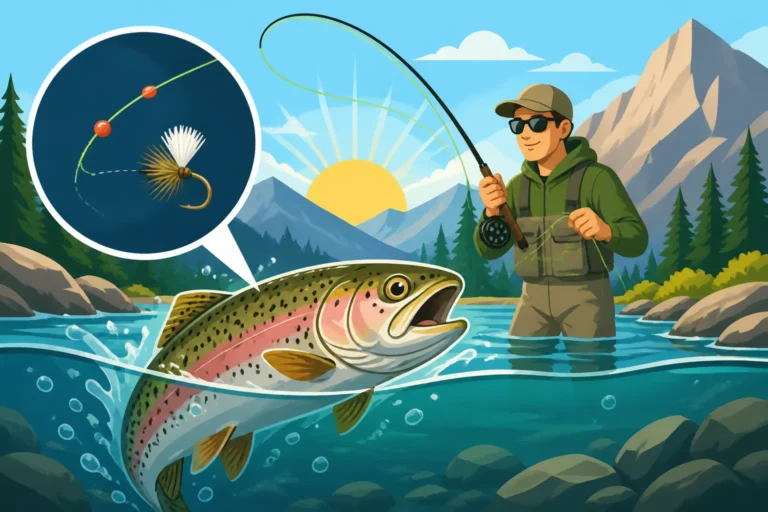
Nevada's climate plays a huge role in what fish get stocked and when. During the cooler months, typically from fall through spring, you can expect trout – usually rainbow trout – to be the main attraction. Trout thrive in colder water, making them perfect for those crisp mornings. As temperatures rise in late spring and through the summer, NDOW often switches to warm-water species like channel catfish, which are much more tolerant of the desert heat. Occasionally, you might find other species like bluegill or bass, depending on the specific pond and management goals. Knowing what species to expect helps you prepare your tackle and bait, making you more effective right from the start. This seasonal rotation is important because the "best time to fish" can vary drastically between a fresh batch of trout and a fresh batch of catfish. For instance, you might be wondering How often NDOW restocks Las Vegas urban ponds, and that frequency often aligns with these seasonal changes and angler demand.
The "Golden Window": Fishing Immediately After Stocking
This is the moment we've all been waiting for. When exactly is that prime window? The truth is, it's often much sooner than you think.
The Initial Hours: Disorientation and Opportunistic Feeding
Imagine being dropped into a brand new home – you'd be a bit disoriented, right? Fish are no different. When NDOW trucks release their precious cargo into an urban pond, those fish are often a little stressed and confused from the journey. They're in unfamiliar territory, and their natural instincts might be temporarily dulled. This initial period, often the first few hours after stocking, can be incredibly productive.
During these first moments, the fish aren't necessarily actively hunting; they're more likely reacting to whatever appears edible and easy. This is where simple baits shine. Think about power bait, corn, or even small worms fished right off the bottom or under a bobber. The fish are still grouped together from being released, making them easier to target. Many veteran anglers will tell you that if you can be there within an hour or two of the truck leaving, you'll experience some of the fastest action of the day. They aren't yet wary of lines or hooks, making them highly susceptible.
The First Day: The Feeding Frenzy Commences
If you miss those precious first hours, don't despair! The first full day after stocking is still prime time. Once the initial disorientation wears off, the fish quickly realize they're in a new environment, often with abundant food (or at least, what looks like food to them). Having been raised in hatcheries, they are accustomed to regular feedings, so they're often very eager to eat anything that resembles their pellet diet.
This is when the feeding frenzy truly kicks in. The fish are more active, exploring their new surroundings, and actively looking for sustenance. This phase can last throughout the first day and often into the second. Anglers using a variety of baits and lures tend to do well. This is a great time to try bright-colored PowerBait, small spoons, or even live worms. The crowds might be larger, but the sheer volume of fish means there's usually enough action for everyone. It's a fantastic time to take the kids out, as success is often high, keeping their spirits up!
The Next Few Days: Waning Enthusiasm and Increased Pressure
As the first day turns into the second and third, things start to change. The easiest fish have likely already been caught, and the remaining ones are becoming much warier. They've experienced hooks, seen their buddies disappear, and are starting to associate certain presentations with danger.
This doesn't mean the fishing is over, but it does require a shift in strategy. The "hot bite" is fading, and you'll encounter increased fishing pressure. The fish are no longer as naive. You might still catch fish, but you'll need to employ more subtle techniques, smaller baits, and possibly longer leaders. Patience becomes even more critical. If you're planning a trip, aiming for the first 24-48 hours after a known stocking will almost always yield better results than waiting until later in the week.
Factors Influencing the Post-Stocking Bite
While timing is critical, several other factors can significantly impact your success when fishing a recently stocked urban pond.
Water Temperature and Oxygen Levels
The temperature of the water is paramount, especially for trout. Trout prefer cooler water, typically between 45-65 degrees Fahrenheit. If the pond water is too warm, freshly stocked trout can become sluggish, stressed, or even die off. This is why NDOW typically stocks trout in the cooler months. For catfish, the opposite is true; they prefer warmer water.
Oxygen levels also play a role. Stagnant, warm water holds less oxygen, which can make fish less active. Ponds with aerators or subtle currents will generally have more active fish. Before you head out, checking the weather forecast and recent temperatures can give you a clue as to how active the fish might be. This is especially true in Nevada's desert environment, where temperatures can fluctuate dramatically.
Size and Species of Stocked Fish
The size of the fish stocked can also affect the immediate bite. Smaller, pan-sized trout are often more aggressive and less cautious than larger, older fish. They're more accustomed to pellet feeds and less wary. If NDOW stocks a pond with "trophy" sized fish (which sometimes happens for special events), these larger fish might be a bit more challenging to catch right away, even when newly stocked.
Different species react differently too. Trout are generally eager eaters after stocking, especially if they are hatchery-raised. Catfish, while also opportunistic, might take a little longer to settle in and start feeding aggressively compared to trout, but once they do, they can be quite active. Knowing your target species helps you adjust your expectations and techniques.
Previous Feeding and Acclimation in Hatcheries
Most urban pond fish come from hatcheries where they are fed regularly and are accustomed to a specific type of food. When they are released, they are often hungry and conditioned to eat. This works in the angler's favor. They haven't had to hunt for food, so they are less suspicious of an easy meal. This hatchery background is a major reason why the immediate post-stocking bite is so strong – they're essentially trained to eat readily available food.
However, if the fish were fed heavily just before transport, their immediate hunger might be slightly delayed. But generally, the stress of transport combined with their learned behavior to eat what's offered means they'll usually start feeding quickly once settled, especially if the water conditions are favorable.
Strategies for Maximizing Your Catch in Urban Ponds
So, you've timed your visit perfectly. Now, how do you make the most of it? It's all about adapting your approach to the newly introduced fish.
Optimal Gear and Bait Choices for Fresh Stock
For freshly stocked fish, especially trout, simplicity and visibility are your friends.
- Baits: The classics work best. PowerBait (especially in bright colors like rainbow, chartreuse, or even garlic-scented), corn, small worms, and salmon eggs are perennial favorites. These baits mimic the pellets they're used to or are visually appealing and potent enough to grab their attention. For catfish, stink baits, hot dogs, chicken livers, or even larger worms are excellent choices. You can easily find a huge variety of these options on platforms like Amazon, often with quick delivery if you realize you're running low. For more specific recommendations, check out our guide on the Best Bait for Stocked Trout.
- Rigs: A simple Carolina rig or a slip-sinker rig works wonders for bottom fishing. If the fish are cruising near the surface (which often happens when they're first released and exploring), a bobber rig with a worm or PowerBait suspended at a shallow depth can be incredibly effective. Keep your leader light (4-6 lb test) and use small, sharp hooks (size 8-12).
- Rods & Reels: You don't need heavy gear. A light to medium-light spinning rod, around 6-7 feet in length, paired with a small spinning reel (size 1000-2500) is perfect. This setup allows for light lines and sensitivity. If you're just starting, a basic Best tackle for a beginner angler combo will serve you well. For trout, specifically, you might want to look into the Best Spinning Reels for Trout Fishing.
Locating Fish in a Newly Stocked Pond
Even in a small urban pond, fish will congregate. Here's where to look:
- Near the stocking point: Often, fish will linger near where they were introduced for a while before dispersing. If you know where the stocking truck backs up, start there.
- Structure: Ponds often have submerged features like weed beds, rocks, drop-offs, or even man-made structures (docks, culverts, aerators). These provide cover and a sense of security for new fish. Work these areas thoroughly.
- Shady Spots: Especially in Nevada's bright sun, fish will seek out shade under trees, bridges, or overhanging banks. These cooler, darker spots offer refuge.
- Aerators/Fountains: If the pond has an aerator or fountain, fish will often gather nearby. This is because these features churn the water, increasing oxygen levels and providing a slight current, which can attract baitfish (and thus, game fish).
Adapting to Increased Fishing Pressure
As the word gets out about a stocking, the crowds will likely grow, especially on weekends. Here's how to cope:
- Go during weekdays or off-peak hours: If your schedule allows, try to hit the pond during a weekday morning or late afternoon when most people are at work or school.
- Move around: Don't get stuck in one spot. If a section of the pond is too crowded or not producing, be willing to walk and explore other areas. Sometimes just moving 50 feet down the bank can make a difference.
- Finesse techniques: When fish become wary due to pressure, switch to lighter lines, smaller baits, and more natural presentations. Try a single kernel of corn on a tiny hook, or a small worm presented weightless.
- Patience and observation: Watch what others are doing. Are certain baits working better? Are fish jumping in a specific area? Sometimes, just sitting back and observing for a few minutes can give you valuable clues. And remember, Nevada Fishing Regulations Explained are there to ensure fair access and sustainable fishing for everyone, so be mindful of others and follow the rules.
Beyond the Initial Stocking: Sustained Success
While the immediate aftermath of stocking is the prime time, you can still have great success later on with the right approach.
The Long Game: Targeting Acclimated Fish
After a week or two, the remaining stocked fish have fully acclimated to their new environment. They've spread out, established territories, and become much more selective. This is when fishing starts to resemble more traditional angling.
- Match the Hatch (or what seems like it): Observe any natural food sources in the pond – small minnows, insects, aquatic worms. Try to use lures or baits that imitate these.
- Finesse is key: This is when a light line, a small jig, or a finely presented worm can outfish anything else. The fish are smarter now, and you need to outsmart them.
- Cover and Structure: These fish will be much more prone to hiding in cover. Target every submerged tree, rock pile, or deep channel you can find. A good pair of polarized sunglasses from Amazon can help you spot these features.
Night Fishing Opportunities for Warmer Months
For warm-water species like catfish, or even larger bass and carp that might be present, night fishing can be incredibly productive, especially in the brutal Nevada summer heat. The water cools down, oxygen levels can improve, and the fish feel safer moving into shallower areas to feed under the cover of darkness.
- Catfish at Night: Catfish are primarily nocturnal feeders, relying on their sense of smell. Using strong-smelling baits like chicken livers, nightcrawlers, or commercial stink baits can yield fantastic results.
- Safety First: Always prioritize safety when fishing at night. Go with a buddy, inform someone of your plans, bring a headlamp, and be aware of your surroundings. Check Nevada fishing hours before sunrise and after sunset to ensure you're fishing legally.
Keeping Track of Stocking Schedules
The absolute best way to stay ahead of the curve is to know when the next stocking is planned. While exact dates can be elusive or change last minute, NDOW usually provides general updates.
- NDOW Website/Social Media: Regularly check the Nevada Department of Wildlife's official website or social media channels. They often post updates about stocking efforts, especially for popular urban ponds.
- Local Bait & Tackle Shops: These shops are goldmines of information. The staff often knows the stocking schedule before it's widely publicized, and they can offer advice on what baits are currently working best. When you're in the area, pop in and ask. You can also pick up some fresh bait or a new lure. A shop like those around Las Vegas, for instance, can be a great resource.
- Word of Mouth: Talk to other anglers at the pond. Build a community! Often, fellow enthusiasts are happy to share what they know, fostering a friendly and informed fishing environment.
Disclaimer
This article is for general informational purposes only and does not constitute professional advice. Laws, prices and regulations vary by location and change over time. Consult a qualified professional for guidance on your specific situation.