How often Las Vegas urban ponds are restocked
Anyone who's ever found themselves staring at a tranquil urban pond in Las Vegas, rod in hand, has likely wondered the same thing: "When was this place last stocked?" It's a common frustration, isn't it? You want to maximize your chances, especially when you're carving out precious time in your busy schedule for a little angling relaxation. This guide is here to pull back the curtain on the Nevada Department of Wildlife's (NDOW) urban pond stocking program in the Las Vegas area, giving you the insider scoop on how often these watery oases are refreshed and how you can stay informed to plan your most successful fishing trips.
Why Urban Ponds Are a Lifeline for City Anglers
Let's be real, not everyone has the time or means to drive hours out to the big lakes or remote reservoirs every weekend. That's where our beloved urban ponds come in. They offer an accessible, often family-friendly, fishing experience right in the heart of the city or close by. But the magic of these ponds, especially for species like trout, relies heavily on consistent stocking. Without it, the fishing would quickly dwindle to nothing.
The Purpose of NDOW's Urban Fishing Program
The Nevada Department of Wildlife doesn't just stock these ponds on a whim; there's a well-thought-out program behind it. The primary goal is to provide recreational fishing opportunities close to population centers, encouraging people of all ages to get out and enjoy the sport. Think of it as a community amenity, a green space where you can escape the concrete jungle for a bit and introduce kids to the joy of a tug on the line. It's about fostering an appreciation for wildlife and outdoor activities, and these ponds are a fantastic gateway for beginners. They're designed to be welcoming, easy to access, and, most importantly, provide a reasonable expectation of catching fish. This accessibility is crucial for getting new anglers hooked, especially children who might not have the patience for a more challenging wild fishing experience.
The "Put-and-Take" Reality
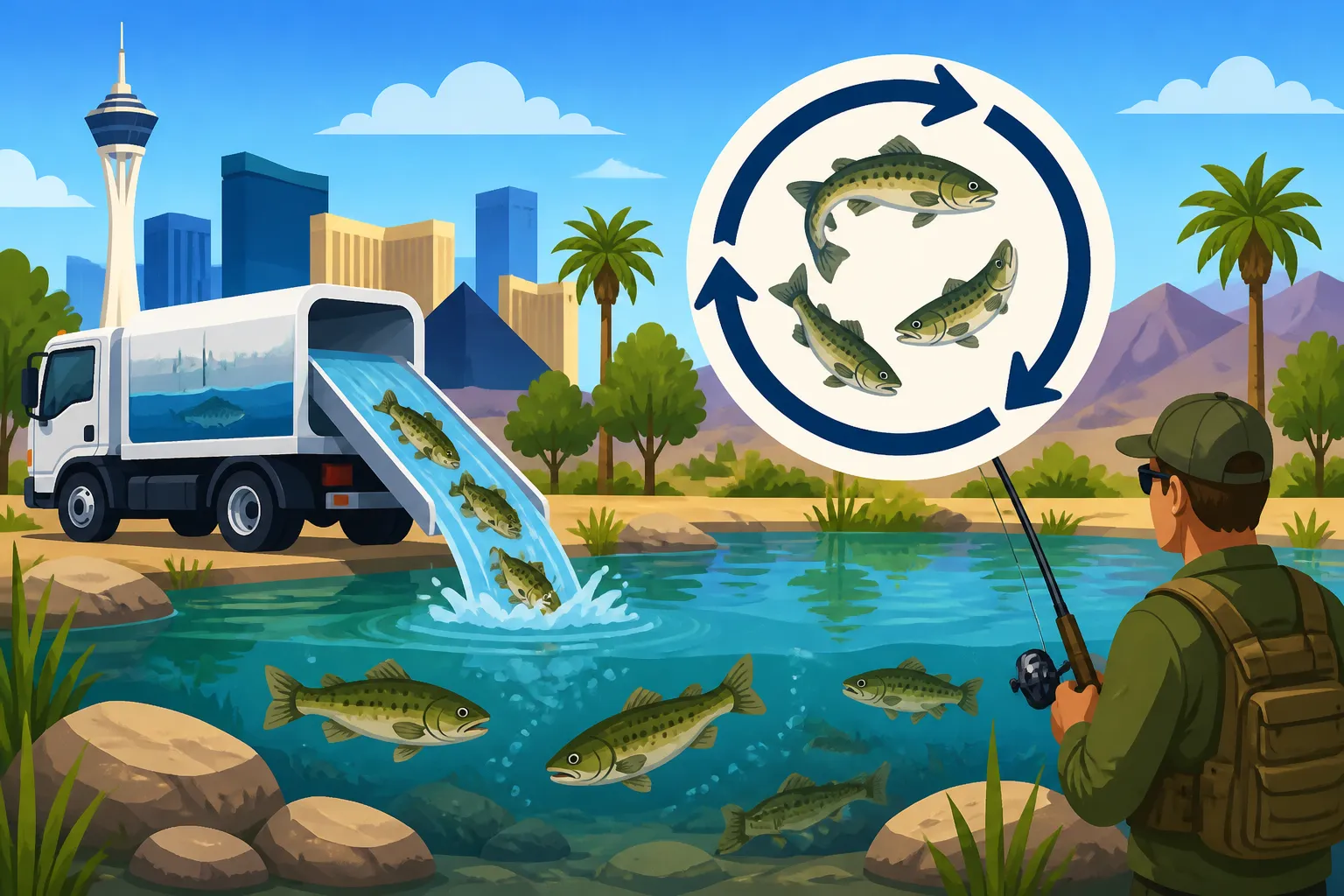
When we talk about urban pond fishing for trout, especially in a place like Las Vegas where trout aren't naturally year-round residents in these warmer waters, we're talking about a "put-and-take" fishery. What does that mean exactly? It means the fish are literally "put" into the pond for anglers to "take." These fish are typically hatchery-raised, brought in specifically to be caught. They're not expected to survive long-term in the often warmer, shallower pond environments once summer really kicks in. This model allows NDOW to provide immediate fishing gratification. You're not waiting for natural reproduction cycles or trying to outsmart highly pressured wild fish. Instead, you're targeting hungry, recently released trout that are eager to bite. It's a fantastic system for quick action and for ensuring there are always fish available for the community, albeit on a rotating basis. This contrasts sharply with fishing in natural lakes or rivers where fish populations are self-sustaining, and management focuses more on habitat and natural reproduction.
The Million-Dollar Question: Stocking Frequency in Las Vegas
Alright, let's get down to brass tacks. You're here to find out how often those Las Vegas urban ponds are restocked, and I completely understand why. Knowing this makes all the difference in planning a successful trip. The good news is that during certain times of the year, these ponds are restocked quite regularly.
General Stocking Rhythm for Trout
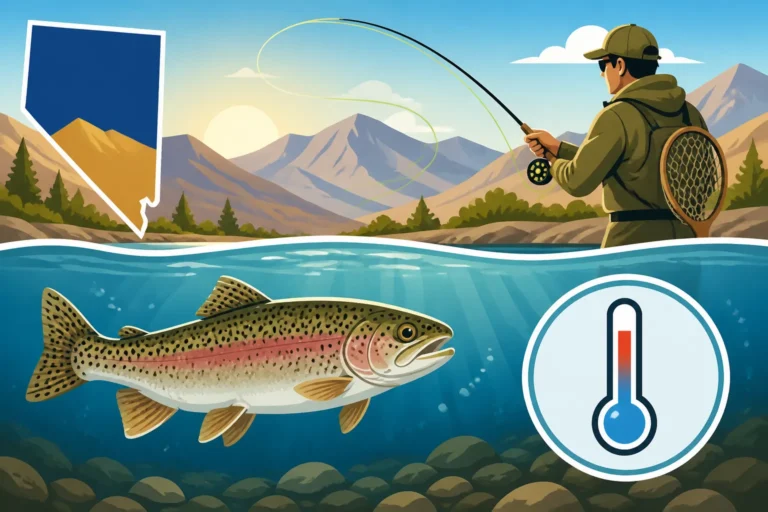
For species like rainbow trout, which thrive in cooler water, the Las Vegas urban ponds like those at Floyd Lamb Park Fishing Ponds, Lorenzi Park Fishing Pond, and Sunset Park are generally stocked from fall through spring. During these cooler months, you can often expect trout stockings to occur on a weekly or bi-weekly basis. Yes, you read that right – often every one to two weeks! This frequent stocking ensures a continuous supply of fish for anglers, especially important given the popularity of these spots.
The exact day of the week can vary, and it's rarely announced far in advance to prevent massive crowds descending all at once. But the consistent schedule during the cooler season means that if you check the official sources, you won't have to wait long for the next batch of fish to arrive. This consistent rotation is essential because, as mentioned, these fish are caught quickly. A pond can go from bustling with fresh trout to feeling a bit sparse in just a few days if angler pressure is high. So, knowing this general rhythm helps you anticipate when the fishing might be hot.
Warm Water Species and Their Stocking Differences
Now, what about the warmer months, when trout aren't as viable? During the heat of a Nevada summer, stocking trout would be, frankly, a waste of resources, as the water temperatures quickly become lethal for them. This is when the stocking program shifts its focus to warm-water species like channel catfish. While not stocked with the same weekly frequency as trout, catfish are periodically introduced to some urban ponds throughout the warmer parts of the year.
The stocking for catfish is usually less frequent, often monthly or even less, depending on the pond and the specific management plan for that location. These fish are more resilient to the higher water temperatures and can provide excellent angling opportunities when the trout have retreated. NDOW's focus for these species might be more about establishing a population that can sustain itself for a bit longer, rather than the rapid "put-and-take" model used for trout. For more detailed information, checking the official Nevada Trout Stocking Schedule is always your best bet, as it often includes catfish stocking notes as well. Understanding these seasonal changes in species and stocking frequency is key to year-round urban pond enjoyment.
Your Best Bet for Real-Time Stocking Updates
You might be thinking, "Okay, weekly or bi-weekly sounds good, but how do I know exactly when and where?" That's the million-dollar question for many anglers, and thankfully, there are reliable ways to get the most up-to-date information.
Leveraging the NDOW Website and Social Media
The Nevada Department of Wildlife (NDOW) is your ultimate source for stocking information. They maintain an active online presence specifically for anglers. Their official website is updated regularly with stocking reports, typically showing the date, location (e.g., Boulder City Pond Fishing or Sunset Park), and the species and number of fish stocked. This is usually the first place new information will appear.
Beyond their main website, NDOW also has social media channels. Following them on platforms like Facebook or X (formerly Twitter) can often give you quicker, almost real-time alerts or notifications about recent stockings. It’s also a great way to see photos and videos of the stocking events themselves, which is pretty cool! While they can't post the exact minute a truck pulls up to the pond, these digital platforms are designed to get information out to the public efficiently. Make it a habit to check their "Fish Stocking Updates" page before you head out, and you'll drastically improve your chances of arriving when the fish are fresh and active.
The Value of Local Tackle Shops and Community Forums
While NDOW's official channels are paramount, don't underestimate the power of local knowledge! Your neighborhood tackle shop, like those you might find tucked away in local shopping centers, can be an invaluable resource. The folks who work there are often avid anglers themselves, or at least chat with them all day. They hear the community buzz, they see the regulars, and they often get a good feel for when a stocking has occurred based on customer reports. They might not have official schedules, but their anecdotal evidence can be surprisingly accurate.
Online fishing forums and local social media groups dedicated to Nevada fishing are another excellent source. Anglers love to share their experiences and successes (and sometimes frustrations!). A quick post asking "Has anyone been to Floyd Lamb Park lately?" can often elicit responses about recent catches, which is a good indicator of fresh fish. Just remember that what you hear on forums is user-generated content, so always cross-reference with NDOW if you want official confirmation. For purchasing gear, whether it's specific lures like those discussed in Best Bait for Stocked Trout or general essentials, you can find a huge variety at your local shops or easily on platforms like Amazon. Speaking of Amazon, it's a convenient place to grab those last-minute essentials like extra line, hooks, or even a new tackle box before your trip.
Maximizing Your Catch After a Fresh Stocking
Okay, you've checked the NDOW website, you've heard the whispers from the local tackle shop, and you know the stocking truck just left Sunset Park Fishing Pond. Now what? Timing your visit correctly and using the right approach can make all the difference between a good day and a truly memorable one.
Prime Times to Hit the Ponds
The absolute best time to fish after a stocking is generally within the first 24 to 72 hours. These newly introduced fish are often a bit disoriented and, more importantly, hungry! They've just been transported from a hatchery environment and are usually eager to take a bait or lure that looks appealing. If you can make it out on the same day as the stocking, or the very next morning, your chances of success are significantly higher. The fish haven't been pressured yet by dozens of other anglers, and their natural instincts to feed are still very strong.
Think of it this way: these hatchery fish have been fed consistently their whole lives. When they arrive in a new pond, they're looking for that easy meal. They haven't learned to be wary of hooks or lines yet. This window of opportunity is why staying updated on the Nevada Trout Stocking Schedule is so vital. Getting there early, often right at sunrise, can also give you an edge, as fish tend to be more active during cooler parts of the day, especially in the desert environment. This also helps you beat some of the crowds!
Gear and Techniques for Recently Planted Fish
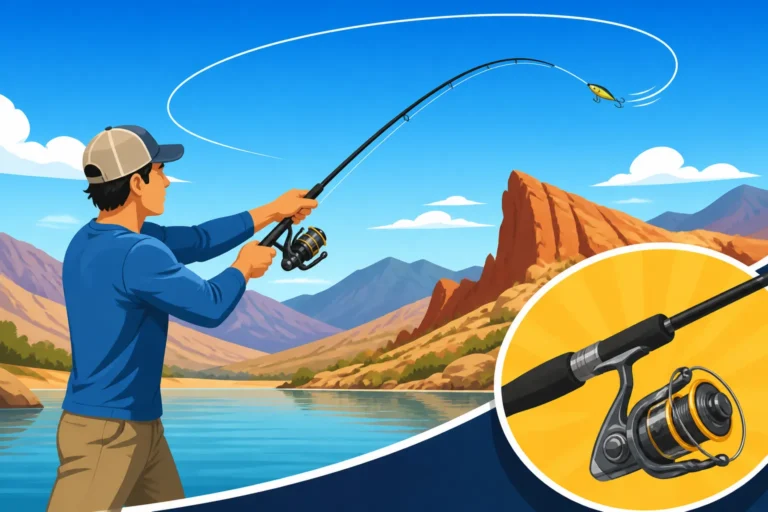
You don't need highly specialized gear to catch these recently stocked trout. In fact, simpler setups often work best. A light to medium-light spinning rod and reel combo, spooled with 4-6 pound test monofilament or fluorocarbon line, is perfect. As for bait, hatchery trout are often accustomed to pellet food, so anything that mimics that, or is brightly colored and highly scented, tends to work wonders. Common choices include:
- PowerBait: In various colors (chartreuse, rainbow, orange are popular)
- Salmon eggs: Both real and artificial
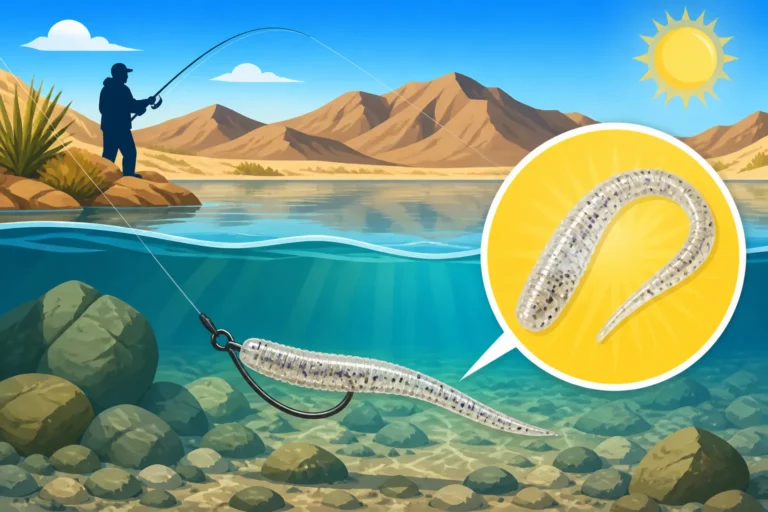
- Small worms or mealworms: Always a classic
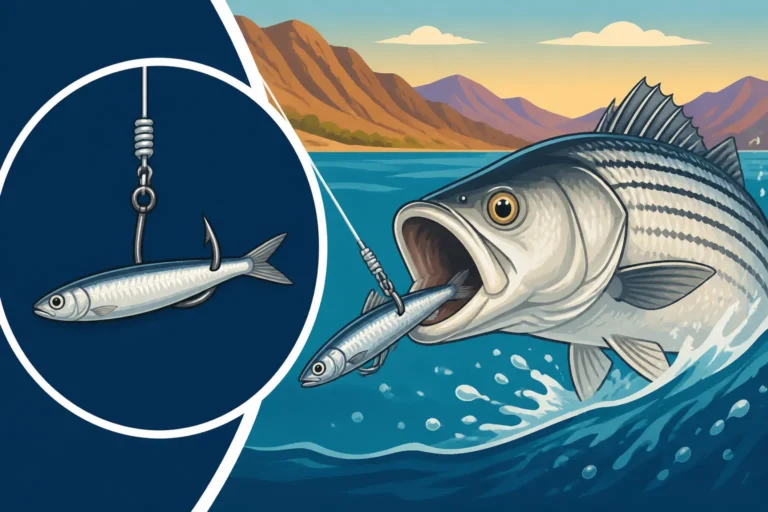
- Small spinners or spoons: Such as Rooster Tails, Mepps, or Kastmasters.
For more specific guidance, check out articles like Best Bait for Stocked Trout.
When fishing, consider using a simple slip-sinker rig if you're bottom fishing with PowerBait, allowing the fish to take the bait without feeling immediate resistance. For worms or small jigs, a bobber can be effective, especially for kids learning to fish. Vary your retrieve speed with spinners until you find what the fish are reacting to. These fish are generally not picky, but presentation can still make a difference. And if you're looking for new gear, remember that great options for rods, reels, and tackle can often be found with convenient delivery from online retailers like Amazon. Having a well-stocked tackle box, perhaps one you ordered from Amazon, means you're always ready for whatever the fish are biting on.
Beyond the Stocking Schedule: Other Factors for Urban Pond Success
While knowing the stocking schedule is immensely helpful, it's not the only thing that contributes to a great day of urban pond fishing. There are other environmental and practical factors that can influence your success.
Understanding Pond Ecosystems and Fish Behavior
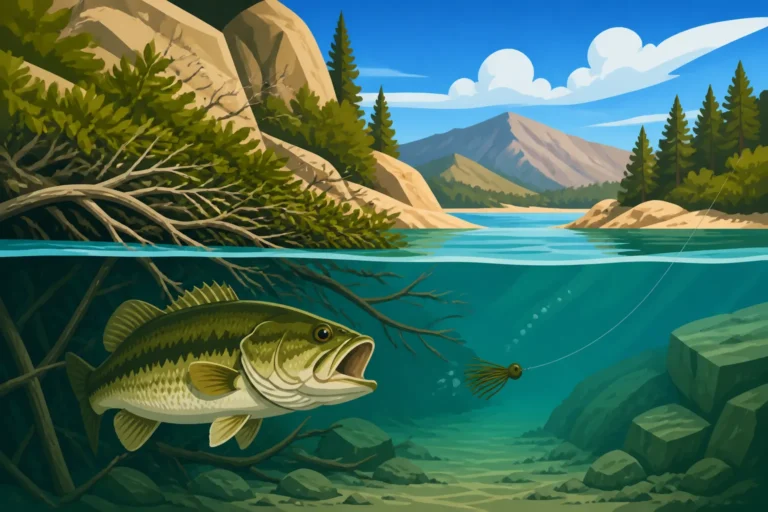
Even in a "put-and-take" scenario, understanding a bit about the pond itself can give you an edge. These urban ponds, while man-made, still have their own micro-ecosystems. Look for areas with structure – submerged brush, rock piles, or even changes in bottom contour. Fish, even stocked ones, will often gravitate towards these areas for cover or for slightly different water temperatures. On sunny days, fish might seek shade under overhanging trees or near docks.
Water temperature is another huge factor. Trout prefer cooler water, so early mornings or late evenings in the shoulder seasons (spring and fall) can be more productive. In contrast, catfish are more active in warmer water, often biting well into the evening or even at night during summer. Observing the water for any signs of fish activity – rises on the surface, or even other anglers catching fish – can tell you a lot about where the fish are holding and what they might be feeding on. Sometimes, just a slight breeze can create a current that pushes food and concentrates fish on one side of the pond.
Respecting the Resource and Fellow Anglers
Urban ponds are shared spaces, and practicing good etiquette is essential for everyone's enjoyment. This means giving other anglers enough space, especially if they're with children. Avoid casting over someone else's line or crowding them unnecessarily. It also means keeping your fishing spot clean. Pack out everything you pack in, including discarded fishing line, bait containers, and any other trash. Litter not only detracts from the beauty of the pond but can also be harmful to wildlife.
Furthermore, adhere to all local regulations regarding bag limits and size restrictions. These rules are in place to ensure that the stocked fish provide enjoyment for as many people as possible. If you're practicing catch-and-release, especially with larger fish that might have a chance to survive (or protected species if you're fishing somewhere like Pyramid Lake where Lahontan Cutthroat Trout in Nevada have specific rules), handle the fish gently and release them quickly. For kids, teaching them proper fish handling from an early age is a wonderful way to instill respect for the sport and the environment. Remember, many of these ponds are part of city or county parks, so always check for additional rules like park hours or specific restrictions. For general licensing info, don't forget to check out resources like Nevada Fishing License Age Requirements to ensure everyone in your party is compliant.
Planning Your Urban Pond Adventure
Now that you've got the lowdown on how often Las Vegas urban ponds are restocked, you're well-equipped to plan your next outing. No more guessing games or showing up to a "fished-out" pond! By tapping into NDOW's resources and understanding the rhythms of these local fisheries, you're set for a more rewarding and enjoyable experience.
The Value of a Proactive Approach
Being proactive with your planning is truly where the magic happens. Instead of just deciding on a whim to go fishing, take a few minutes to check the NDOW website or their social media channels. Knowing that Las Vegas Nevada Urban Pond Fishing Guide or a specific pond like Floyd Lamb Park Fishing Ponds was stocked yesterday can completely change your prospects from a hopeful outing to a highly anticipated success. This little bit of research dramatically increases your chances of landing some fish, making the entire experience more fun, especially for kids. It also helps manage expectations; if it's been a while since the last stocking, you know to temper your hopes or perhaps try a different technique for more wary, resident fish.
This proactive approach extends to your gear too. Making sure you have the right bait, lures, and tackle – perhaps inspired by tips in Best Bait for Stocked Trout – before you leave home saves valuable fishing time. A quick order on Amazon for those specific PowerBait colors or a new set of small spinners can ensure you're ready to go as soon as the stocking truck does its work.
Preparing for a Rewarding Day
Beyond the stocking schedule, remember to prepare for a day outdoors in the Nevada climate. Hydration is key, even in cooler months, and sunscreen is always a good idea. Bring comfortable seating, especially if you're bank fishing, and a cooler with snacks and drinks. If you're bringing kids, pack some extra activities to keep them engaged between bites. A small net for landing fish is always a good idea, and don't forget your Nevada Fishing License Guide! Even on Nevada Free Fishing Day Guide, it's good to know the rules.
The joy of urban pond fishing isn't just about catching fish; it's about the time spent outdoors, the connection with nature, and the memories made, particularly with family and friends. A freshly stocked pond just makes those memories a little bit sweeter with a few more tugs on the line! So, grab your gear, check the latest stocking report, and get ready to enjoy the accessible and often action-packed fishing that our Las Vegas urban ponds have to offer.
Disclaimer
This article is for general informational purposes only and does not constitute professional advice. Laws, prices and regulations vary by location and change over time. Consult a qualified professional for guidance on your specific situation.